Heritage as Strategy: Why Custodianship Works for British Luxury Marques
 May, 29 2026
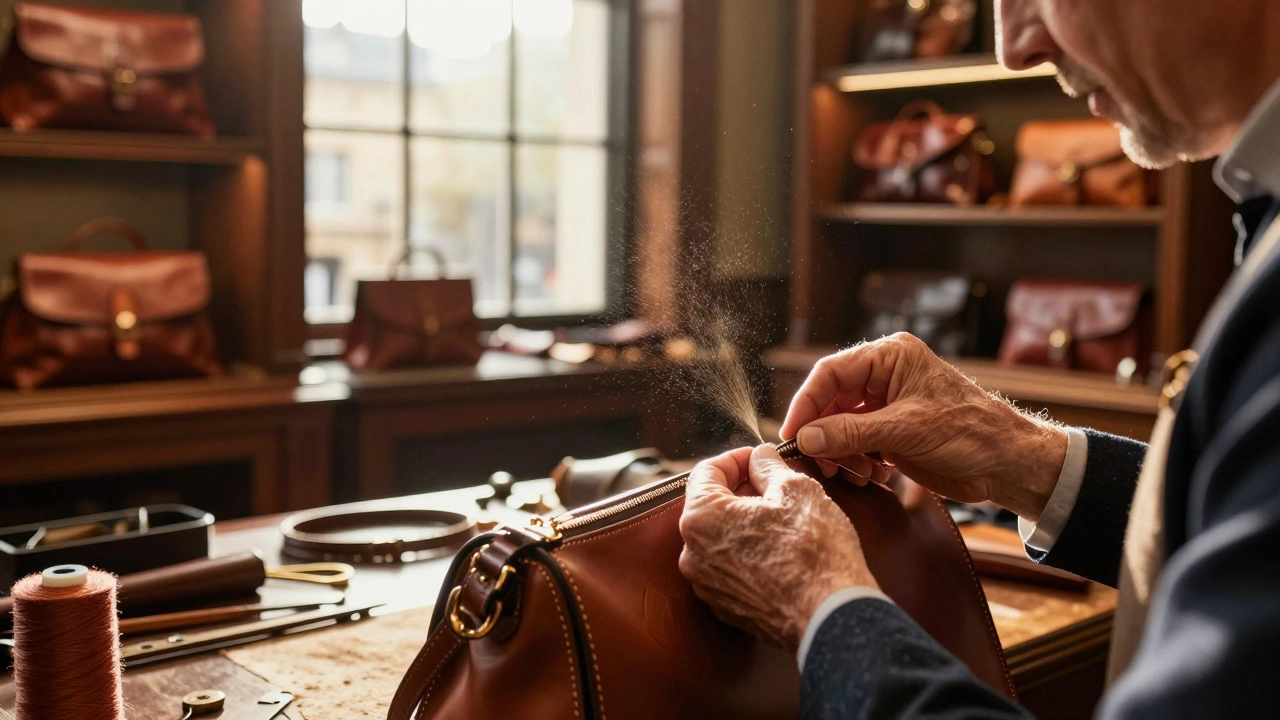
Imagine walking into a boutique in Mayfair. The air smells of old leather and polished wood. Behind the counter sits a craftsman who has been stitching bags for forty years. He doesn't just make products; he guards a legacy. This isn't just nostalgia. It is a calculated business move that separates the truly elite from the merely expensive.
In the world of high-end goods, heritage is not a backdrop. It is the product. For British luxury marques, this connection to the past is managed through a specific philosophy known as custodianship. Unlike American companies that might focus on disruption or speed, these British houses treat their history as a living asset. They don't own it; they take care of it for future generations.
This approach feels old-fashioned, but the data suggests otherwise. In an era where consumers are skeptical of corporate greed and fast fashion, the promise of enduring quality resonates deeply. Let's look at why this strategy works, how it is executed, and what it means for the future of global luxury.
The Psychology of Enduring Influence
Why do we trust a brand because it is old? It comes down to social proof and risk reduction. When you spend thousands of pounds on a watch or a car, you want assurance. A brand that has survived wars, recessions, and technological shifts proves its resilience. This creates a sense of safety for the buyer.
Custodianship is a management philosophy where leaders view themselves as temporary stewards of a brand's legacy rather than owners seeking short-term profit maximization. This mindset prioritizes long-term reputation over quarterly earnings.
Consider the difference between a tech startup and a century-old tailor. The startup sells innovation; the tailor sells continuity. For the wealthy consumer, continuity signals status that cannot be bought overnight. It implies that you belong to a lineage, even if your family didn't exist in the 19th century. You are buying entry into a story that predates you.
This psychological hook is powerful. It transforms a transaction into an inheritance. When a customer buys a Rolls-Royce, they aren't just buying a vehicle. They are acquiring a piece of British industrial history. The brand becomes a symbol of permanence in a chaotic world.
Beyond Nostalgia: The Business Case
Nostalgia alone doesn't pay the bills. If it did, every antique shop would be a billionaire's dream. The key is how heritage is operationalized. British luxury brands excel at turning history into a competitive moat.
First, there is the pricing power. Heritage allows for premium pricing that defies standard economic models. A hand-stitched shoe from Northampton can cost more than a machine-made one from Italy, simply because of the narrative attached to it. Consumers are willing to pay for the "soul" of the product.
Second, there is talent retention. Skilled artisans are rare. By framing their work as part of a grand tradition, brands attract people who value craftsmanship over speed. These workers stay longer, reducing turnover costs and maintaining consistent quality. This human capital is difficult for competitors to replicate.
Third, there is marketing efficiency. You don't need to invent a new identity every year. The brand already has a personality, a visual language, and a set of values established decades ago. Marketing efforts focus on reinforcing these traits rather than changing them. This consistency builds recognition and trust over time.
Key Pillars of the Custodianship Model
How do these brands actually practice custodianship? It involves several deliberate choices that often go against modern business trends.
- Resistance to Over-Expansion: Many luxury houses limit production numbers to maintain exclusivity. Scarcity drives desire. If everyone can have it, no one wants it.
- Investment in Craftsmanship: Money is poured into training apprentices and preserving traditional techniques. This ensures that the product remains authentic to its origins.
- Conservative Innovation: Changes are introduced slowly and subtly. A new model must feel like a natural evolution of the previous one, not a radical break.
- Storytelling Focus: Every touchpoint, from packaging to advertising, reinforces the historical narrative. Customers are invited to learn about the brand's past.
These pillars create a buffer against market volatility. While other industries chase trends, British luxury stands still. This stillness becomes a feature, not a bug. It signals confidence and stability.
Case Studies in Stewardship
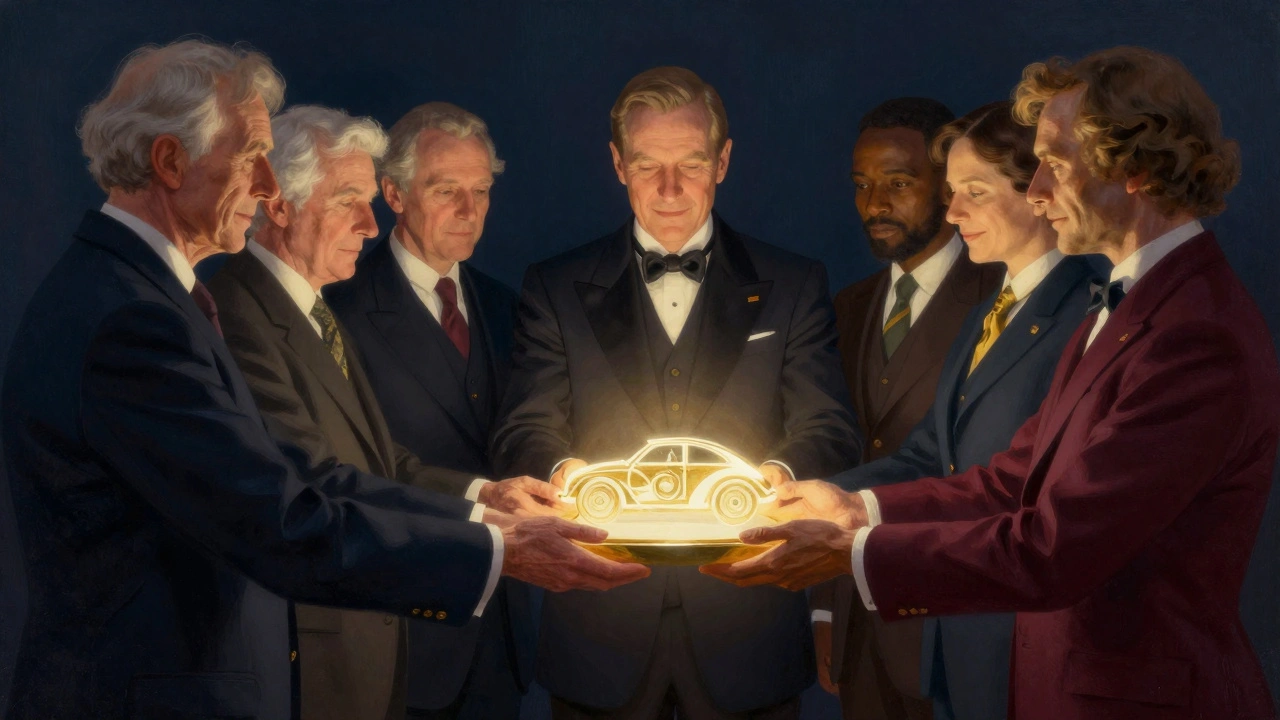
To understand this better, let's look at two iconic examples: Aston Martin and Burberry. Both have used heritage differently but with similar strategic goals.
| Brand | Core Heritage Asset | Custodial Action | Outcome |
|---|---|---|---|
| Aston Martin | James Bond association & racing history | Limiting production runs; emphasizing hand-built engines | Maintained ultra-luxury positioning despite financial struggles |
| Burberry | Trench coat invention & military use | Rebranding around classic check pattern; investing in tailoring workshops | Recovered from dilution crisis by returning to roots |
Aston Martin faced near-bankruptcy multiple times. Instead of rebranding as a mass-market sports car maker, it leaned harder into its image as a bespoke manufacturer. Each car is treated as a unique commission. This allowed it to survive when volume producers failed.
Burberry, on the other hand, had the opposite problem. It became too common, associated with street gangs rather than aristocracy. The turnaround involved burning off cheap merchandise and refocusing on high-quality wool and cotton trench coats. They reminded customers why the brand mattered in the first place.
Both cases show that heritage is not static. It requires active management. Sometimes you need to protect it from dilution; sometimes you need to revive it from obscurity. But the core principle remains: respect the past to secure the future.
Digital Age Challenges
You might wonder if this strategy holds up in the digital age. Social media moves fast. Trends change weekly. How does a 200-year-old brand compete with TikTok influencers?
The answer lies in authenticity. Younger consumers, particularly Gen Z and Millennials, are increasingly drawn to sustainability and transparency. They dislike greenwashing and empty marketing. Brands with genuine histories can prove their credentials. They can show factory floors, interview master craftsmen, and document supply chains.
Digital platforms also allow for deeper storytelling. Instead of just showing a product, brands can share the journey of its creation. A video series following the making of a single pair of shoes can generate more engagement than a hundred ads. This content educates the audience and deepens their emotional connection to the brand.
However, there are risks. Over-digitization can feel impersonal. Luxury is about experience and service. If the online interface is clunky or the customer service is automated, the illusion breaks. British luxury brands must balance digital convenience with human warmth.

The Future of Custodianship
As we move further into the 2020s, the pressure on luxury brands will intensify. Economic uncertainty may reduce discretionary spending. New competitors from Asia and the Middle East are rising. Climate regulations are tightening.
In this environment, custodianship offers a distinct advantage. It provides a clear identity that is hard to copy. Competitors can mimic designs, but they cannot replicate history. They cannot fake decades of refinement and cultural integration.
Moreover, the concept of "enduring influence" aligns with broader societal shifts towards longevity and responsibility. Consumers are looking for things that last. They want to buy less, but buy better. British luxury fits this demand perfectly. It offers products designed to outlive the owner.
The challenge for the next generation of leaders will be to keep the flame alive without letting it burn out. They must innovate enough to stay relevant but not so much that they lose their soul. It is a delicate balance, but one that has proven successful for over a century.
Conclusion: The Value of Time
Ultimately, heritage as a strategy is about selling time. It tells the customer that someone else has already done the hard work of building a reputation. You are stepping into a completed narrative. For many, that is worth more than any new feature or flashy design.
British luxury marques have mastered this art. By acting as custodians rather than owners, they ensure that their brands remain desirable for generations to come. They remind us that some things are best left unchanged. In a world obsessed with the new, there is immense power in being old.
What is the difference between heritage and custodianship?
Heritage refers to the historical assets of a brand, such as its founding date, iconic products, and stories. Custodianship is the active management philosophy that treats these assets as sacred trusts to be preserved for the future, rather than resources to be exploited for short-term gain.
Why do British luxury brands emphasize craftsmanship?
Craftsmanship serves as tangible proof of heritage. It demonstrates skill, patience, and attention to detail that machines cannot replicate. This justifies higher prices and appeals to consumers seeking authenticity and quality over quantity.
Can young consumers appreciate heritage brands?
Yes, especially if the brand communicates its history effectively. Younger generations often value sustainability and durability. A well-told story of longevity and ethical production can resonate strongly with them, provided the brand avoids appearing elitist or out of touch.
How does scarcity drive luxury sales?
Scarcity creates exclusivity. When a product is hard to get, it becomes more desirable. Limited production runs ensure that ownership remains a privilege, reinforcing the brand's status and allowing for premium pricing without needing to increase volume.
What are the risks of relying too heavily on heritage?
The main risk is irrelevance. If a brand focuses only on the past, it may fail to adapt to changing consumer tastes or technological advancements. Successful custodians must find ways to honor tradition while remaining contemporary and accessible.