Global Ownership of British Car Marques: How International Investors Reshaped the UK Auto Industry
 Aug, 17 2026
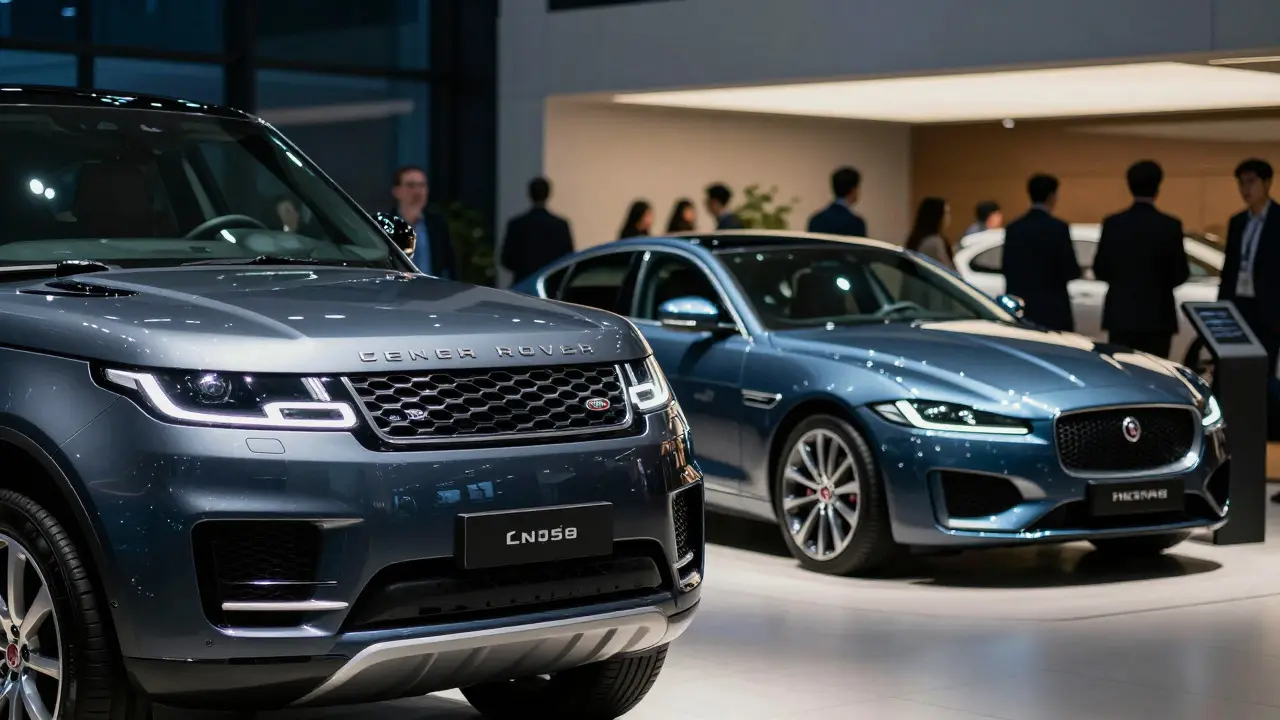
Walk into any car dealership in London or Manchester, and you might spot a Land Rover sitting next to a Jaguar. But look closer at the badges, and you’ll notice something strange. The Land Rover is owned by an Indian conglomerate, Tata Motors, while Jaguar shares its corporate DNA with Ford’s legacy, though its current trajectory is heavily influenced by global supply chains and Chinese EV partnerships. This isn’t just a quirk; it’s the result of decades of financial maneuvering that transformed Britain’s once-dominant automotive sector into a patchwork of foreign-owned brands.
The story of British cars is no longer about who builds them on English soil, but who holds the keys to their future. When we talk about global ownership of these iconic marques, we are looking at a complex web of capital flows that have saved some companies from bankruptcy while stripping others of their independence. For enthusiasts and business analysts alike, understanding this shift is crucial. It explains why a “British” car might use German engineering standards, why production has moved to Slovakia or India, and why the definition of national identity in manufacturing has become blurred.
The Financial Cliff: Why Britain Sold Its Cars
To understand why so many British brands are now foreign-owned, we have to rewind to the late 1970s and early 1980s. The UK auto industry was struggling under the weight of labor disputes, outdated technology, and rising competition from Japan and Germany. Companies like Austin Rover were bleeding cash. The government tried to bail them out, but the market demanded efficiency that domestic management couldn't provide.
This period saw the first major wave of privatization and foreign acquisition. In 1986, BMW acquired Rover Group, which included MG and Land Rover. It was a strategic move for BMW to enter the premium SUV market without building everything from scratch. However, this relationship ended badly. By 2000, BMW sold Rover to Phoenix Consortium, leaving Land Rover behind. That same year, Ford Motor Company bought Jaguar Land Rover (JLR) from BMW for roughly $2.5 billion. Ford integrated JLR into its global operations, moving some production to the US and leveraging its massive scale to keep the brands alive during the 2008 financial crisis.
The key takeaway here is that foreign buyers didn't just buy cars; they bought survival. They brought capital, global distribution networks, and technological expertise that the fragmented British market lacked. Without these interventions, many of these brands would have vanished entirely, joining the graveyard of defunct UK manufacturers like Hillman or Standard.
The Tata Turn: Saving Jaguar and Land Rover
The most dramatic chapter in this saga began in 2008. Ford was facing a liquidity crisis due to the global recession. To cut costs and focus on core American models, they decided to sell JLR. There were rumors that Volkswagen or even a Chinese state-backed entity might take over. Instead, an unexpected bidder emerged: Tata Motors, an Indian automobile manufacturer known primarily for budget vehicles like the Nano.
Skeptics everywhere called it a suicide mission. How could an Indian company manage two prestigious British luxury brands? The deal closed in 2009 for approximately $2.3 billion. Tata kept the brands separate, maintaining their distinct identities while injecting fresh investment. They retained the headquarters in Whitley, Coventry, and preserved much of the engineering talent. Over the last decade and a half, this decision has proven prescient. JLR became one of the most profitable divisions within Tata’s global portfolio, funding R&D for new electric vehicles like the Range Rover Sport Electric.
This case highlights a critical aspect of global ownership: it doesn't always mean dilution. Sometimes, it means preservation. Tata understood that the value of JLR lay in its heritage and brand equity, not just its current profit margins. By treating the brands as distinct assets rather than merging them into a generic “Tata” product line, they maintained customer loyalty in Europe and North America.
Mini, McLaren, and the Niche Players
Not all British brands followed the same path. Some were absorbed into larger European groups, while others found niche investors who valued their specific engineering prowess.
- Mini: After the Rover split, Mini went to BMW. Today, it is a fully integrated part of BMW Group, manufactured in Oxford, UK, but designed and engineered largely in Munich. It serves as a volume seller for BMW, proving that a “British” badge can thrive under German stewardship if the product aligns with global consumer tastes.
- McLaren Automotive: While technically independent, McLaren relies heavily on global capital. Its parent structure involves significant institutional investment, and its supply chain is deeply integrated with Japanese and Italian partners. The transition to electric hypercars requires billions in R&D, making pure domestic financing impossible.
- Aston Martin: This remains one of the few truly independent British luxury carmakers, though it is listed on the London Stock Exchange. It survives through exclusivity and high-margin sales, avoiding the mass-market pressures that crushed its peers. Its survival is a testament to the power of brand prestige in the supercar segment.
- MG: Originally a British icon, MG was sold to Nanjing Automobile Corporation (NAC) in 2005. After NAC collapsed, SAIC Motor took over. Today, MG is a top-selling brand in China and Australia, effectively rebranded as a Chinese EV manufacturer with British roots. The original British operations ceased, marking a complete transfer of identity.
These examples show that “ownership” is fluid. For Mini, it means German efficiency. For MG, it means Chinese scalability. For Aston Martin, it means British exclusivity. The common thread is that no single British entity had the resources to sustain these brands alone in a globalized market.
Comparing the Models of Foreign Control
How do these different ownership structures actually impact the products we see on the road? We can categorize them into three main models based on control and integration.
| Brand | Current Owner | Ownership Model | Impact on Production | Strategic Focus |
|---|---|---|---|---|
| Jaguar Land Rover | Tata Motors (India) | Subsidiary with Autonomy | Production remains primarily in UK (Sowjbridge, Solihull) | Premium SUVs, Electrification |
| Mini | BMW Group (Germany) | Fully Integrated Division | Manufactured in Oxford, UK; Design in Germany | Urban Mobility, Volume Sales |
| MG | SAIC Motor (China) | Rebranded Subsidiary | Production shifted to China/Australia; UK ops closed | EVs, Emerging Markets |
| Aston Martin | Listed on LSE (Independent) | Publicly Traded Independent | Hand-built in Gaydon, UK | Exclusivity, Heritage |
| McLaren | Institutional Investors | Independent Public Co. | Woking, UK; Global Supply Chain | Hypercars, Technology Spin-off |
The table illustrates that there is no single “foreign” model. Tata’s approach preserves local jobs and identity, while SAIC’s approach essentially replaced the British entity with a Chinese one. BMW’s model turns a British plant into a factory for a German strategy. Each path offers different benefits and risks for the UK economy and the brand itself.
Economic Implications for the UK
Critics often argue that selling British cars to foreigners drains wealth from the nation. Is that true? The data suggests a more nuanced picture. According to recent trade reports, the UK automotive sector exports far more than it imports, creating a positive balance of trade. Much of this export value comes from brands like JLR and Mini, which are foreign-owned but UK-manufactured.
However, the risk lies in job security and R&D location. If a foreign owner decides to move production to a lower-cost country, the UK loses skilled jobs. This happened when Ford moved some Ranger production to South Africa. Conversely, foreign owners often invest in new factories to serve regional markets. For example, Tata invested heavily in the Solihull plant to produce the new Defender, securing thousands of jobs in the West Midlands.
The concept of global ownership also affects innovation. British engineers working for Tata or BMW gain access to global R&D budgets that dwarf what a standalone British company could raise. This collaboration has accelerated the development of hybrid and electric powertrains, allowing British brands to compete in the EV race against Tesla and BYD.
The Future: Will More Brands Be Sold?
As the industry shifts toward electrification, the pressure on remaining independent brands will intensify. Developing a battery platform requires billions of dollars. Can Aston Martin or McLaren afford this alone? Likely not. We may see further consolidation. Potential suitors include other Asian giants, such as Hyundai or Toyota, or even tech companies looking to diversify beyond smartphones.
There is also the question of sovereignty. With geopolitical tensions rising, some governments are considering “friend-shoring,” preferring suppliers from allied nations. This could influence who buys British brands next. An American buyer might face scrutiny compared to a European or Indian partner, depending on trade agreements.
Ultimately, the identity of a British car is less about who owns the stock and more about where it is made and who designs it. As long as the engineering centers remain in the UK and the plants stay open, the spirit of British motoring survives, even if the shareholders are in Mumbai, Munich, or Shanghai.
Frequently Asked Questions
Who owns Jaguar Land Rover today?
Jaguar Land Rover is owned by Tata Motors, an Indian multinational automobile manufacturing company. Tata acquired the brand in 2009 from Ford Motor Company. Despite being an Indian subsidiary, JLR retains its headquarters and primary manufacturing facilities in the United Kingdom.
Is Mini still a British car?
Yes, Mini is manufactured in Oxford, England. However, it is owned by the German BMW Group. While the production is local, the design and engineering decisions are largely driven by BMW’s global strategy in Munich. It serves as a key volume brand for BMW in the compact segment.
Why did Ford sell Jaguar and Land Rover?
Ford sold JLR in 2008 to reduce debt during the global financial crisis. The brand was not considered core to Ford’s American truck and sedan strategy. Selling it allowed Ford to focus resources on its North American market, while providing JLR with the capital needed to survive and modernize under new ownership.
Does foreign ownership hurt British jobs?
It depends on the owner's strategy. In cases like Tata/JLR, foreign ownership has led to significant investment in UK plants, preserving jobs. However, if an owner chooses to offshore production to cheaper labor markets, jobs can be lost. Historically, foreign owners have been essential in keeping many brands solvent, preventing total job loss due to bankruptcy.
Which British car brands are still independent?
Aston Martin and McLaren Automotive are currently the most prominent independent British manufacturers. Both are publicly traded companies with diversified shareholder bases, including institutional investors from around the world. They maintain full control over their branding, design, and production processes in the UK.