From Track to Tourer: How 1950s British Racing Cars Shaped Roadgoing Engineering
 Aug, 17 2026
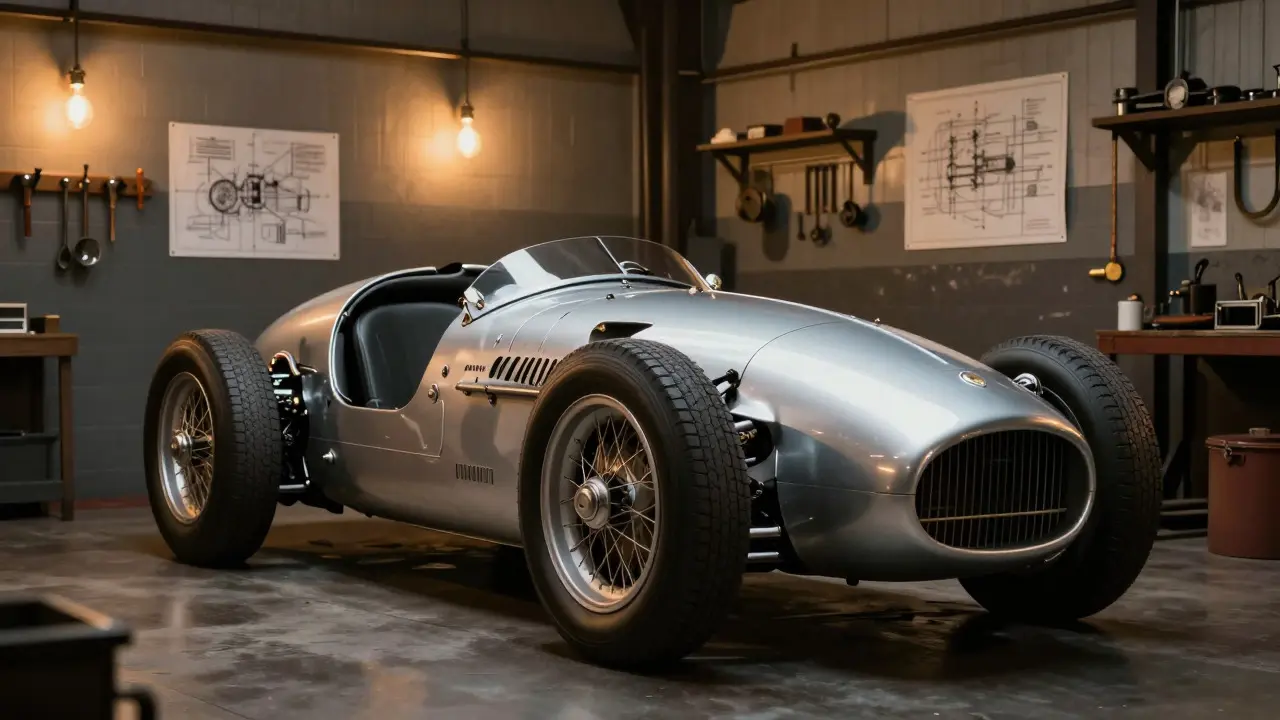
Imagine driving a car that feels like it was built for the racetrack, but is perfectly legal for your morning commute. That specific thrill didn't start with modern supercars; it began in the garages of Britain during the 1950s. After World War II, British engineers looked at their racing successes and asked a simple question: how can we put this performance into a car people can actually buy? The answer changed automotive engineering forever, creating the blueprint for the high-performance tourers we still drive today.
The postwar era was a time of scarcity, which forced creativity. Materials were tight, but talent was abundant. Engineers realized that heavy, luxurious sedans weren't the future of speed. Instead, they focused on weight reduction, aerodynamics, and engine efficiency. This shift from "more is better" to "less is more" became the defining characteristic of British sports car design a philosophy prioritizing lightweight construction, driver engagement, and mechanical simplicity over raw bulk. It wasn't just about going fast; it was about making every pound count.
The Lightweight Revolution
The most significant contribution of 1950s British racing cars to road engineering was the obsession with weight. In racing, every kilogram saved meant faster acceleration and better handling. On the road, this translated to cars that felt alive and responsive. Companies like Lotus a British car manufacturer founded by Colin Chapman, known for its minimalist approach and use of aluminum and composite materials took this to the extreme. Colin Chapman, the founder, famously believed that adding weight was bad, but removing it was good. His designs used thin aluminum panels and tubular frames, techniques straight from race cars, to create vehicles that were incredibly light yet rigid enough for daily use.
This approach influenced other manufacturers as well. They moved away from heavy steel bodies and started experimenting with lighter materials. The result was a class of cars that could out-handle much larger and more expensive competitors. For the average driver, this meant a car that was easier to park, quicker to accelerate, and far more fun to drive on winding roads. The concept of the "lightweight sports car" became a staple of British automotive identity, setting a standard that German and Italian makers would later try to match.
Engine Innovation and Tuning
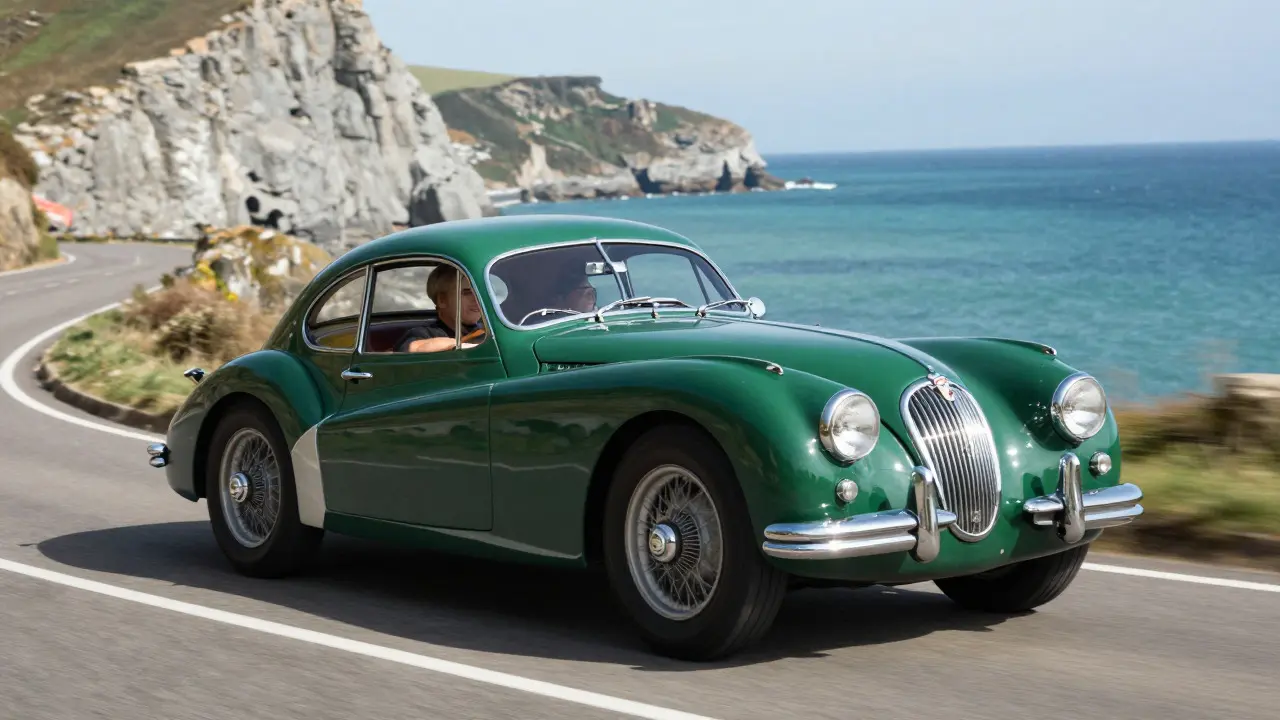
You can't have a great car without a great engine, and the 1950s saw massive strides in internal combustion technology. British engineers focused on high-revving engines that delivered power at higher RPMs than their contemporaries. This allowed for smaller displacement engines to produce impressive horsepower, keeping fuel consumption manageable while delivering excitement. The Jaguar XK120 a legendary British sports car produced from 1948 to 1961, famous for its speed and elegant design is a prime example. Its inline-six engine was tuned for both durability and performance, offering a smooth, powerful experience that made it one of the fastest production cars of its day.
Tuning culture also exploded during this period. Because many of these cars had relatively simple mechanical layouts, enthusiasts found it easy to modify them. Swapping carburetors, adjusting valve timing, or upgrading exhaust systems became common practices. This DIY spirit helped build a strong community around these vehicles. It also pushed manufacturers to listen to customer feedback, leading to improved components and better overall reliability. The line between factory-produced cars and privateer race cars blurred, with many road cars serving as testbeds for new technologies.
Suspension and Handling Dynamics
Having a powerful engine doesn't mean you can control the car if the suspension is poor. In the 1950s, British engineers made crucial advances in suspension geometry and damping. They understood that grip comes from contact patch consistency, not just downforce. Independent front suspension became widespread, allowing wheels to move vertically without affecting steering geometry. This provided a smoother ride over bumps while maintaining precise steering response.
Braking technology also improved significantly. Drum brakes were replaced by disc brakes in many high-end models, offering better heat dissipation and consistent stopping power. This was essential for safety, especially as speeds increased. The combination of better suspension and superior brakes meant that drivers could push harder on corner exits, knowing the car would hold its line. These engineering choices prioritized driver confidence, a hallmark of British sports car design that persists to this day.
Aerodynamics and Styling
While aerodynamics might seem like a modern concern, 1950s designers were already thinking about airflow. They realized that drag increases exponentially with speed, so reducing frontal area and smoothing body lines could yield significant gains. The sleek, flowing shapes of cars like the AC Ace a British sports car produced from 1953 to 1963, known for its distinctive styling and reliable Coventry Climax engine weren't just for looks; they helped cut through the air efficiently. Wind tunnel testing began to play a role in development, though it was still in its infancy compared to today's computational fluid dynamics.
Styling also served a psychological purpose. A car that looked fast felt fast. The low-slung profiles, wide stances, and aggressive grilles communicated performance before the engine even fired. This visual language became iconic, influencing generations of car designers. The beauty of these cars was functional, not ornamental, reinforcing the idea that form follows function.

The Legacy in Modern Engineering
The impact of 1950s British racing cars on modern roadgoing engineering is undeniable. Today's hybrid hypercars and electric performance vehicles still adhere to the principles established during that decade: weight management, efficient power delivery, and dynamic handling. Even in the age of complex electronics and active suspension, the core philosophy remains the same. Drivers want connection, responsiveness, and efficiency.
Moreover, the culture of customization and tuning that started in the 1950s has evolved into a global phenomenon. Enthusiasts still modify their cars, sharing knowledge online and building communities around specific models. The heritage of these vehicles continues to inspire new generations of engineers and drivers. When you look at a modern track-day car, you're seeing the direct descendants of those postwar prototypes, refined and updated but fundamentally unchanged in their soul.
| Model | Engine Type | Horsepower (Approx.) | Key Feature |
|---|---|---|---|
| Jaguar XK120 | Inline-6 | 265 hp | High-speed stability and elegance |
| Lotus 7 | Inline-4 | 60-100+ hp | Extreme lightness and simplicity |
| AC Ace | Inline-4 | 74 hp | Distinctive styling and reliability |
| Austin-Healey 3000 | Inline-6 | 140 hp | Balanced performance and comfort |
Frequently Asked Questions
Why were British cars so influential in the 1950s?
British cars were influential because they pioneered the lightweight, high-performance sports car formula. Postwar material shortages forced engineers to be creative, resulting in innovative use of materials and a focus on driver engagement rather than sheer size or luxury.
What is the main difference between a race car and a road-going sports car from this era?
The main difference is compliance with road regulations. Race cars had no need for lights, horns, or comfortable seating, allowing for maximum weight savings. Road cars required these features, but engineers managed to retain most of the performance benefits through clever design and component selection.
How did the Lotus 7 influence other manufacturers?
The Lotus 7 demonstrated that a small, affordable car could offer exceptional driving dynamics due to its low weight. This inspired other brands to explore smaller displacements and lighter constructions, proving that performance wasn't solely dependent on engine size.
Are these cars still popular today?
Yes, they are highly sought after by collectors and enthusiasts. Their historical significance, combined with their engaging driving characteristics, ensures they remain relevant in the classic car market. Many are restored and driven regularly, keeping their legacy alive.
What role did tuning play in the development of these cars?
Tuning played a crucial role by providing real-world feedback. Owners who modified their cars often discovered improvements in performance and reliability, which manufacturers then adopted in later models. This collaborative cycle accelerated technological progress and refined the final products.