From Rally Stages to Showrooms: How Competition Sales Funnels Worked in Britain
 Nov, 19 2026
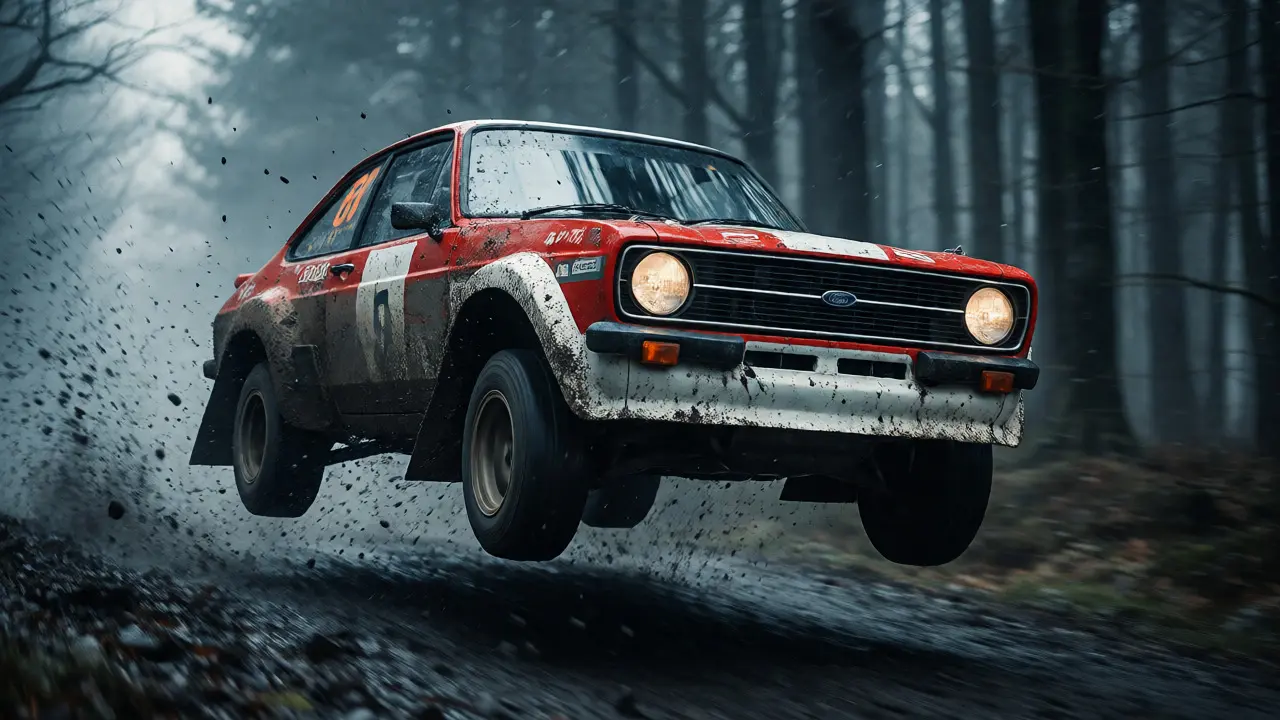
You’ve probably seen the footage. A Group B rally car screaming through a Welsh forest at 100 mph, spraying mud and gravel into the camera lens. It looks chaotic, dangerous, and incredibly fast. But behind that blur of color and noise was one of the most sophisticated sales machines the automotive industry had ever seen. In Britain, during the 1970s and 80s, motorsport wasn’t just about winning trophies; it was about selling cars. And they were terrifyingly good at it.
Think about your last car purchase. Did you watch a race? Probably not. You looked at reviews, checked fuel economy, maybe watched a TikTok review on suspension comfort. Now imagine if the only way to understand a car’s capability was to watch it survive a crash test against a tree at full speed. That was the reality for British buyers in the golden age of rallying. The logic was simple: if this car can win the RAC Rally one of the toughest endurance tests in world motorsport, it must be indestructible on the M1 motorway. This article breaks down exactly how manufacturers turned stage times into showroom footfall.
The Homologation Trap: Why Racing Cars Had to Be Road Legal
To understand the funnel, you first need to understand the rulebook. In the 1970s and early 80s, the FIA the governing body of international motorsport required manufacturers to build a certain number of road-going versions of their race cars to qualify for competition. This process is called homologation. For the famous Group 4 a racing category requiring limited production modifications regulations, you might have needed to build just 500 road cars. Later, under Group B, the requirement dropped to as few as 200 units for some categories, though manufacturers often built more to satisfy demand.
This created a bizarre market dynamic. These weren’t just "sports editions" with a spoiler and red stitching. They were genuine race cars with license plates. When Ford an American multinational automaker with a massive UK presence launched the Escort RS1800, they weren’t trying to sell you a commuter car. They were selling you a ticket to the club. If you bought one, you could technically drive it to work on Monday and race it on Saturday. The car itself became the marketing material. Every time an Escort RS1800 flew over a crest on TV, thousands of British drivers thought, "I want that."
The funnel started here. The manufacturer didn’t spend millions on glossy magazine ads showing a family smiling next to a clean car. They spent that money on entry fees, mechanics, and tires. The race results were the ad. The visibility was organic because people loved watching the sport. It was authentic. You couldn’t fake a victory against Audi Sport Quattro.
The Dealer Network: Selling Performance Without Test Drives
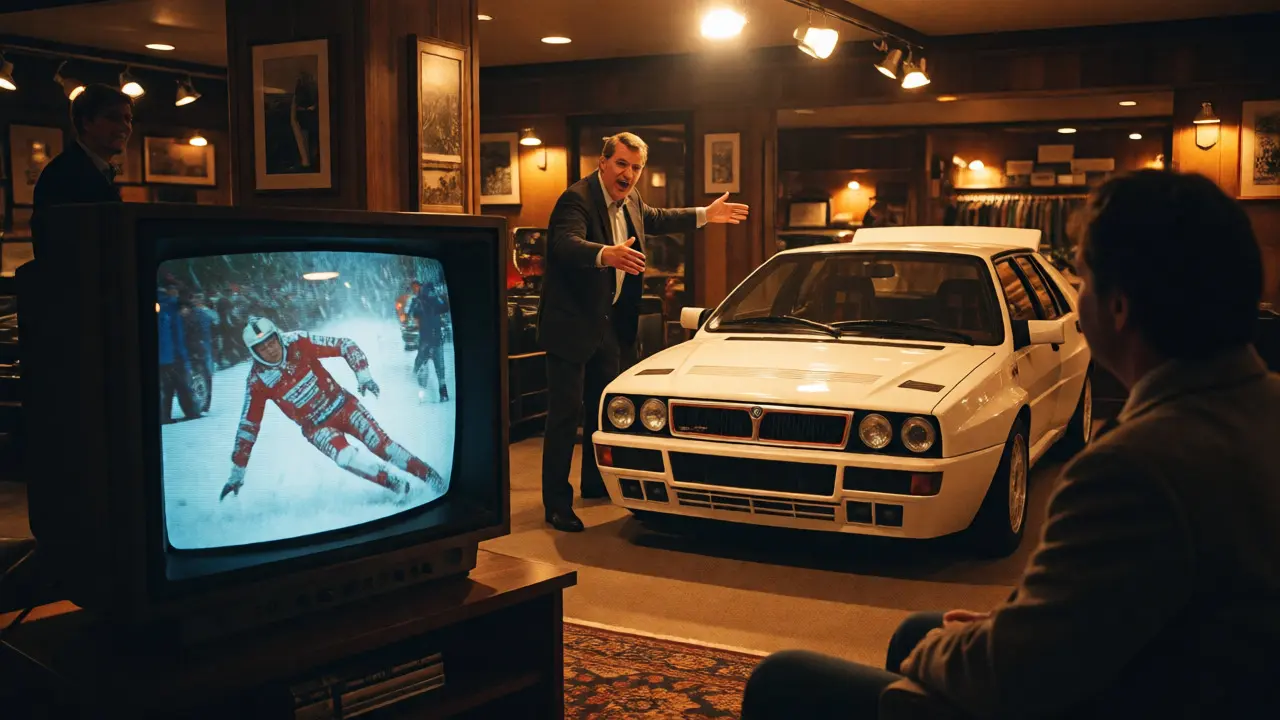
Here’s where it gets tricky for the average buyer. How do you sell a car that’s too fast for public roads to someone who has never driven above 60 mph? British dealerships faced a unique challenge. You couldn’t really take a Lancia Delta Integrale or an Opel Manta 400 for a gentle spin around the block without risking a lawsuit or a blown engine. The cars were loud, stiff, and uncomfortable.
So, the sales pitch shifted from "comfort" to "capability." Dealers relied heavily on the halo effect. If the team won the World Rally Championship, the showroom traffic spiked. Salesmen used race footage as a substitute for test drives. They would show customers videos of Hannu Mikkola or Stig Blomqvist sliding sideways through snow, then point to the identical-looking car on the floor. The message was implicit: "This technology works when it matters most."
For many British buyers, owning these cars was less about driving them daily and more about status. It was a badge of knowledge. You knew what a "turbo lag" felt like. You understood why four-wheel drive mattered. The dealership staff were often enthusiasts themselves, creating a community vibe that big-box retailers couldn’t replicate. This emotional connection kept customers loyal even when the cars broke down-which, let’s be honest, they did frequently.
Case Study: The Ford Escort RS Cosworth Phenomenon
No example illustrates this funnel better than the late-80s Escort RS Cosworth. By the time this car arrived, Group B was dead due to safety concerns, but the appetite for rally-bred heroes hadn’t died. Ford leveraged the legacy of the previous Escorts to launch a new model that looked aggressive and performed aggressively.
The marketing campaign was brilliant. Ford didn’t just release the car; they released the story. They highlighted the collaboration with Cosworth Engineering, a legendary tuning house. They emphasized the "whale tail" rear wing, which wasn’t just for show-it generated real downforce. When the car debuted, waiting lists stretched for months. People paid premiums over the list price just to get their hands on one.
| Model | Racing Era | Key Achievement | Showroom Impact |
|---|---|---|---|
| Ford Escort Mk2 | Mid-1970s | Multiple RAC Rally Wins | Became the default choice for privateers; boosted standard Escort sales by leveraging brand prestige. |
| Austin Metro 6R4 | Mid-1980s | Group B Competitor | Poor reliability hurt sales, proving that racing success doesn't guarantee commercial success if the product fails. |
| Ford Escort RS Cosworth | Early 1990s | WRC Debut Wins | Created a collector's market instantly; resale values remained high for decades. |
The data tells a clear story. When the car won, the brand equity soared. Even people who bought the base-model Ford Escort felt they were buying a piece of that racing DNA. This is the power of the top-of-funnel strategy. You don’t need every customer to buy the $50,000 race replica. You just need them to trust the brand enough to buy the $15,000 hatchback.
The Collapse of the Funnel: Why It Doesn’t Work Like That Anymore
If this worked so well, why don’t we see it today? The answer lies in two things: regulation and consumer behavior. First, modern homologation rules are stricter and more expensive. Building 200 special edition cars is no longer cheap. Second, consumers changed. We stopped trusting raw performance as a proxy for quality. We started caring about reliability scores, infotainment systems, and warranty packages.
Also, the media landscape fragmented. In the 1980s, everyone watched the same three TV channels. If the BBC showed the Scottish Rally, half the country saw it. Today, your interest in motorsport is niche. You have to seek it out on YouTube or streaming services. Manufacturers realized that spending millions on a World Rally Championship program might not reach the broad audience they needed to sell mass-market SUVs.
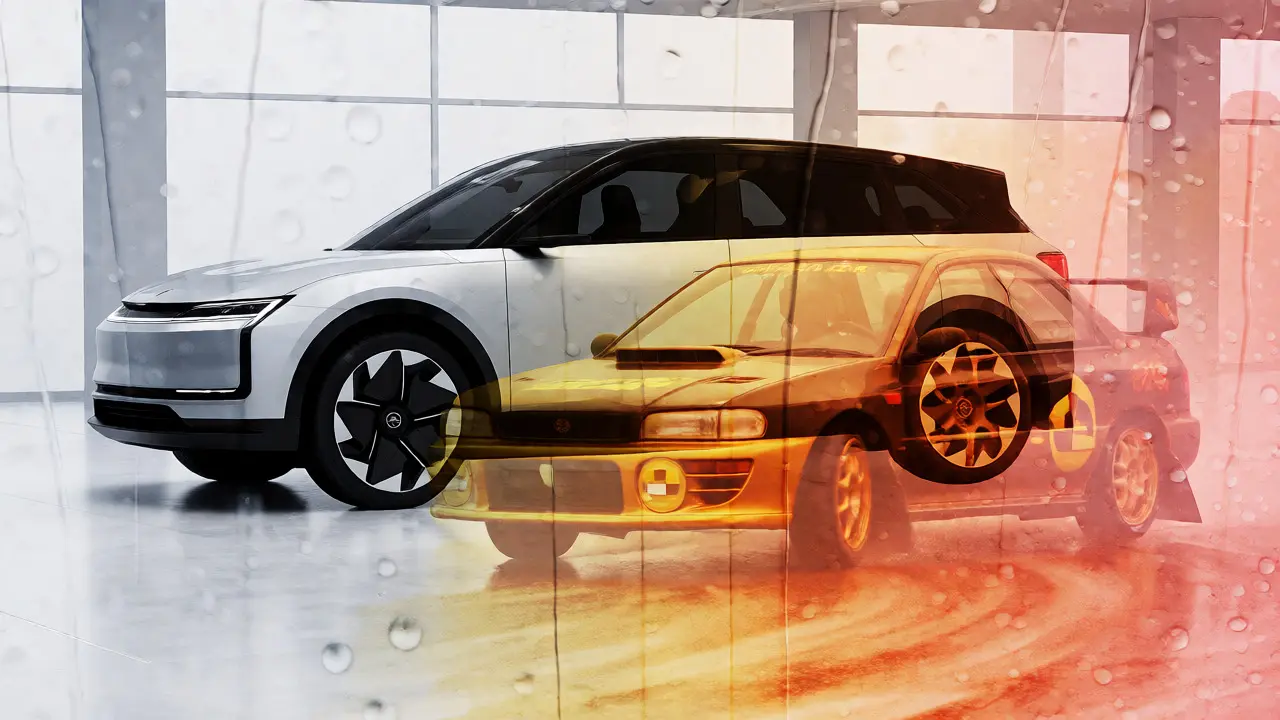
However, the ghost of this era still haunts British car culture. Look at the resurgence of classic rally cars. People pay six figures for a well-preserved Subaru Impreza WRX STi or a Mitsubishi Lancer Evolution not because they need all-wheel drive, but because those cars represent a time when the link between track and street was unbreakable.
Lessons for Modern Marketers
What can today’s automotive brands learn from the British rally boom? First, authenticity wins. Consumers can smell manufactured hype. When Toyota Gazoo Racing enters a series, they aren’t just slapping a logo on a car; they’re engineering the production vehicle based on race data. That transparency builds trust.
Second, create a community, not just a customer base. The rally fans of the 80s were evangelists. They argued about tire compounds and driver lines in pubs. Brands that foster this kind of passionate engagement-like BMW M division does today-see higher retention rates.
Finally, don’t overpromise. The Austin Metro 6R4 failed commercially despite its racing pedigree because it was unreliable and poorly supported. Racing glory means nothing if the owner spends more time in the workshop than on the road. The funnel only works if the bottom stage delivers.
Frequently Asked Questions
Why did manufacturers limit production numbers for rally cars?
Manufacturers limited production primarily to meet FIA homologation requirements, which mandated a minimum number of road-going units to allow the car to compete in championships. Additionally, low production numbers helped maintain exclusivity and higher profit margins per unit, turning the cars into desirable collector's items rather than mass-market commodities.
Did winning rallies actually increase sales of standard models?
Yes, significantly. The "halo effect" meant that success in high-profile events like the World Rally Championship elevated the entire brand image. Customers perceived the standard, non-racing models as being more reliable, advanced, and prestigious simply because they shared the brand name with the winning race cars. This trickle-down influence was a key driver of volume sales for brands like Ford and Audi.
What happened to the Group B rally cars after the category was banned?
After Group B was banned in 1986 due to fatal accidents involving drivers and spectators, many of the remaining cars were sold off privately or converted for use in other racing series. Some became museum pieces, while others were modified for hill climbs or circuit racing. Their scarcity and dramatic history have made them highly valuable assets in the classic car market today.
How did British dealerships handle the lack of test drives for extreme models?
Dealerships relied heavily on visual marketing, race footage, and the reputation of the brand rather than traditional test drives. They positioned these cars as enthusiast vehicles where the purchase decision was based on technical specifications and heritage. Many buyers were already experienced drivers who trusted the engineering pedigree over the need for a casual test drive.
Is the rally-to-showroom model still relevant today?
While less dominant than in the 1980s, elements remain. Brands like Hyundai N and Toyota GR use motorsport involvement to validate their performance credentials. However, the direct link is weaker due to the rise of electric vehicles and autonomous tech, where racing is less representative of daily driving conditions compared to the internal combustion era.