Ford Cortina Generations: From Mk1 to Mk5 Evolution
 Nov, 9 2026
You probably know the name Ford Cortina is a series of compact executive cars produced by Ford Europe between 1962 and 1982. But do you realize that this unassuming sedan spent more years at the top of the UK sales charts than almost any other vehicle in history? It wasn’t just a car; it was a cultural phenomenon. If you grew up in Britain during the 70s or early 80s, your neighbor, your dad, and likely half the street drove one. So, what actually changed across its five distinct generations? Why did the design shift from boxy utility to aerodynamic curves? And how did a budget family hauler become a rally legend?
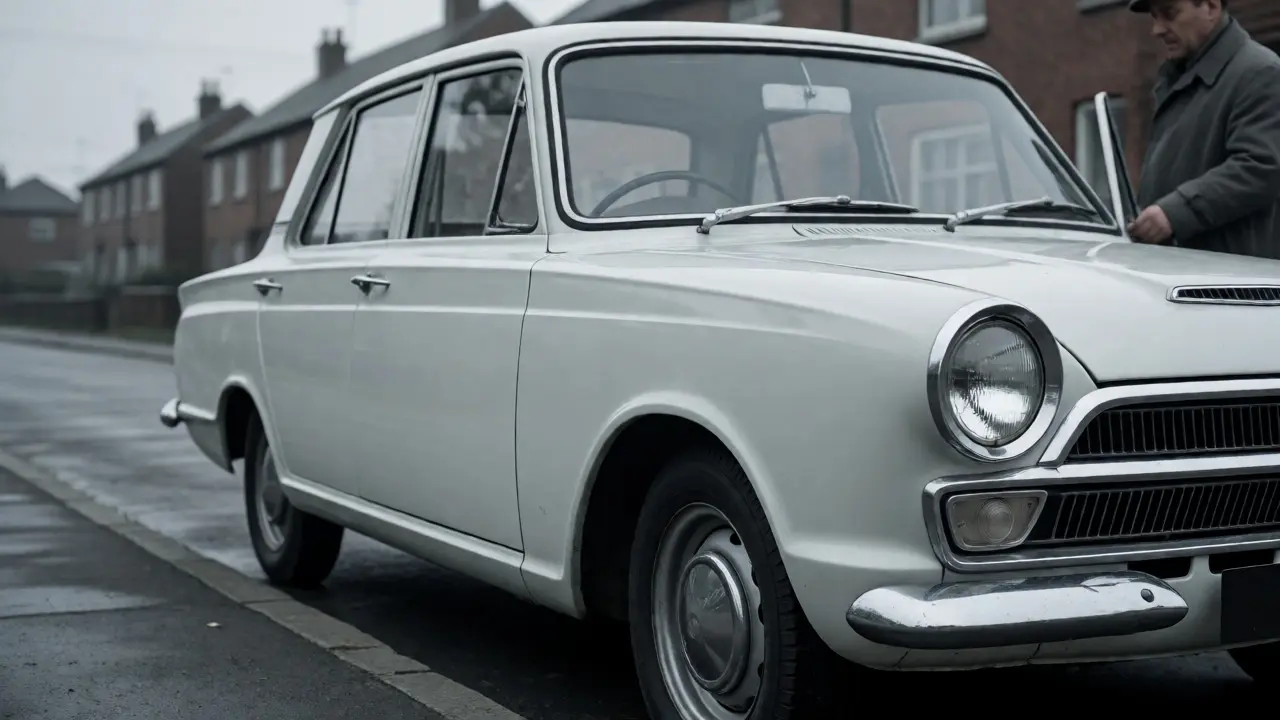
The Birth of a Legend: The Mk1 (1962-1966)
When Ford launched the Cortina Mk1 in 1962, they weren’t trying to reinvent the wheel. They were trying to beat the Morris Minor and the Austin A40. The goal was simple: build a cheap, reliable, four-door saloon that looked modern but cost less to run. The result was a car with a pre-ford Kent engine, which later became famous for being swapped into everything from kit cars to hot rods.
The Mk1 was strictly utilitarian. It had no luxury frills. You got steel wheels, basic vinyl seats, and a heater that worked if you turned it on ten minutes before driving. But it was light-around 800 kg-and nimble. This lightweight construction caught the eye of racing teams. The Lotus Cortina, a high-performance variant built by Lotus, turned the humble family car into a track monster. With a twin-cam engine and fiberglass body panels, it dominated touring car races. For the average buyer, though, the Mk1 was about getting from A to B without breaking down. It sold over 350,000 units in the UK alone, setting the stage for future dominance.
Refinement and Rivals: The Mk2 (1966-1970)
If the Mk1 was a tool, the Cortina Mk2 was an attempt to make that tool comfortable. Launched in 1966, it kept the same mechanical bones but wrapped them in a larger, smoother shell. The styling was softer, moving away from the sharp edges of the early 60s toward the curvier trends of the late 60s.
This generation introduced significant safety features, like padded dashboards and improved crumple zones. Ford realized that while racers wanted speed, families wanted safety. The interior got better materials, and the ride quality improved thanks to revised suspension geometry. However, competition heated up. The Vauxhall Viva and the BMC Farina models were eating into Cortina’s market share. To counter this, Ford leaned harder into motorsport. The RS2000 debuted here, offering a fuel-injected engine that gave enthusiasts a genuine performance option straight from the factory. Sales remained strong, proving that refinement didn’t kill the brand’s appeal.
The Golden Era: The Mk3 (1970-1976)
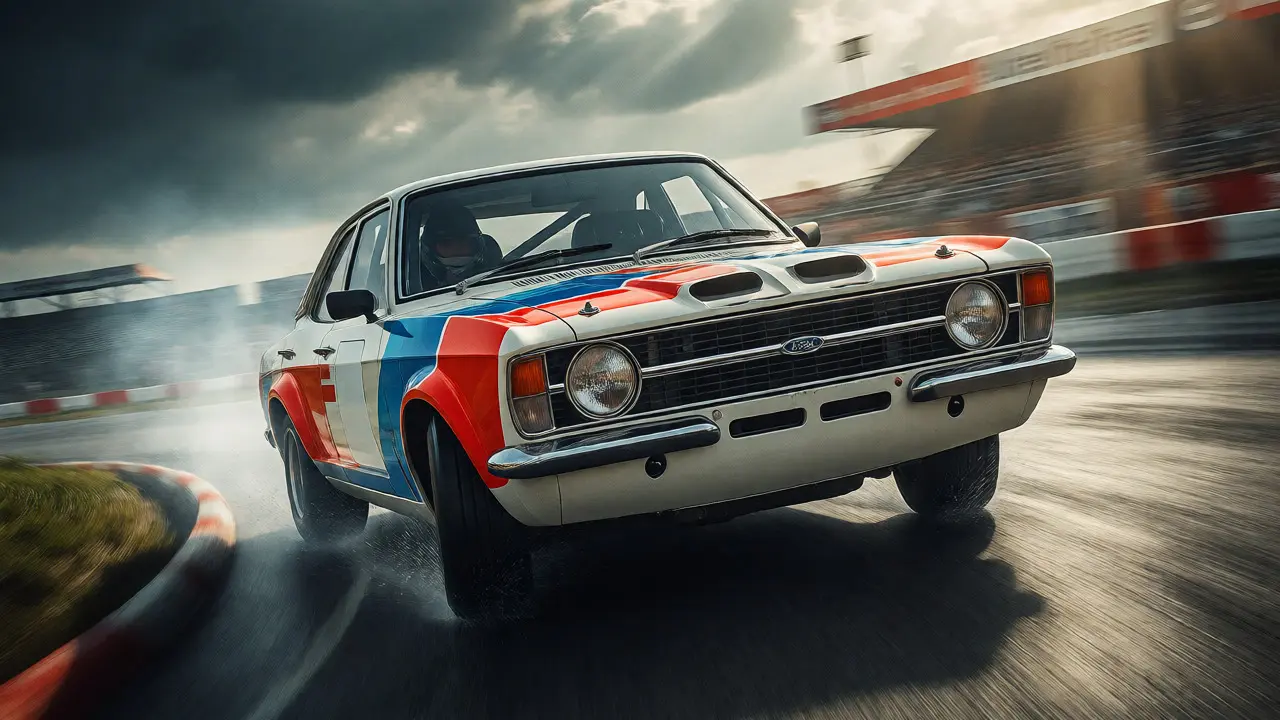
The Cortina Mk3 is where things get interesting. This is the car most people picture when they hear "Cortina." It was bigger, wider, and significantly more powerful. But it also brought controversy. Remember the oil crisis of 1973? Gas prices skyrocketed, and suddenly, big engines weren’t cool. Yet, the Mk3 thrived because it offered variety.
| Feature | Cortina Mk3 (1970-1976) | Cortina Mk4 (1976-1979) |
|---|---|---|
| Body Style | Sedan, Estate, Coupe | Hatchback, Sedan, Estate |
| Engine Range | 1.3L to 3.0L V6 | 1.3L to 2.3L Pinto |
| Design Focus | Rear-wheel drive, traditional saloon | Aerodynamics, practical hatchback |
| Notable Variant | Twin Cam RS2600 | XR2 Hot Hatch |
The Mk3 introduced the Pinto engine, a unit that would power Fords globally for decades. While not perfect, it was robust and tunable. The introduction of the GHIA trim level also signaled that Ford wanted to compete with German brands like BMW and Audi in the premium segment. For the first time, you could buy a Cortina with wood veneer, velour seats, and electric windows. It wasn’t just a cheap car anymore; it was a viable alternative to imported luxury sedans.
The Hatchback Revolution: The Mk4 (1976-1979)
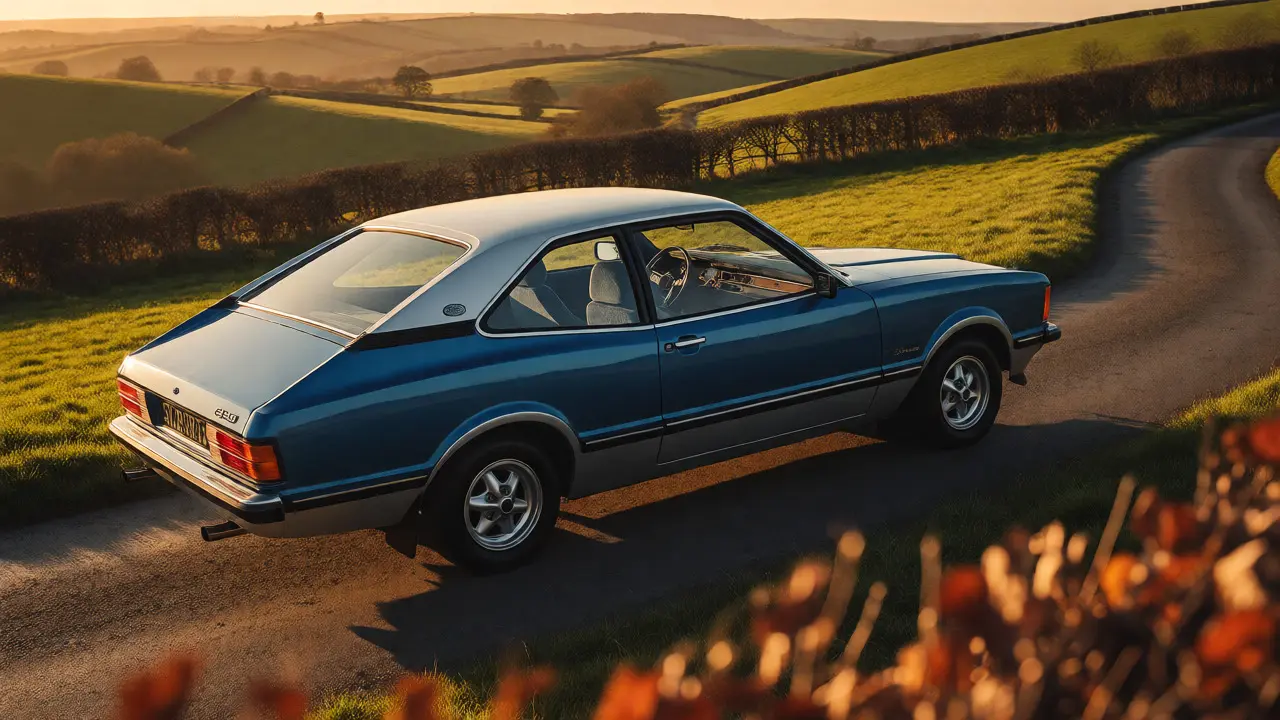
By the mid-70s, European tastes were shifting. People loved hatchbacks. They were practical, easy to park, and stylish. The Cortina Mk4 answered this demand with a radical redesign. Gone was the long boot lid of the saloons. In came a liftback rear end that made loading groceries infinitely easier.
This generation marked the peak of the Cortina’s popularity. It became the best-selling car in Britain for several consecutive years. Why? Because it did everything well. It was cheap to insure, easy to repair, and surprisingly quick in the right spec. The XR2 model, equipped with a 2.0-liter Pinto engine, became a cult classic among young drivers. It was affordable fun. You didn’t need a Porsche to feel fast; you just needed a XR2 and a twisty back road. The Mk4 proved that mass-market appeal and enthusiast credibility could coexist.
The Final Bow: The Mk5 (1979-1982)
The Cortina Mk5 was a facelift of the Mk4 rather than a complete overhaul. Ford knew the platform was aging, but they squeezed every last drop of value out of it. The front end received a new grille and headlights, giving it a sharper look. Inside, the dashboard was redesigned to be more user-friendly, addressing complaints about poor visibility of gauges in earlier models.
However, the automotive landscape was changing rapidly. Japanese imports like the Toyota Corolla and Honda Civic were gaining reputation for superior reliability. European rivals like the Volkswagen Golf were becoming more sophisticated. The Cortina’s rear-wheel-drive layout, once a selling point for handling, was starting to feel outdated compared to the emerging trend of front-wheel-drive efficiency. Despite this, the Mk5 sold incredibly well. Britons are loyal creatures, and the Cortina name carried weight. When production ended in 1982, it was replaced by the Ford Sierra, which shifted the focus entirely to aerodynamics and front-wheel-drive dynamics.
Why the Cortina Dominated the UK Market
It wasn’t magic that kept the Cortina at number one for so long. It was a combination of strategic decisions that other manufacturers failed to replicate.
- Parts Availability: Every mechanic in the country knew how to fix a Cortina. Parts were everywhere and cheap.
- Dealer Network: Ford had more dealerships than any other brand. Service was always nearby.
- Motorsport Credibility: Winning rallies translated directly into showroom sales. People wanted a piece of the action.
- Price Point: It undercut competitors while offering similar space and comfort.
Consider the social aspect. In the 1970s, owning a Cortina Ghia was a status symbol for the middle class. It said you had made it, but you weren’t flashy. Owning an RS version said you liked driving. This dual identity allowed Ford to capture two very different demographics with one badge.
Legacy and Collectibility Today
Today, the Cortina is a collector’s item, but values vary wildly depending on the generation. A clean Mk1 is rare and expensive because few survived rust. The Mk2 is often overlooked, sitting in the shadow of its flashier siblings. The Mk3 Twin Cam is highly sought after by purists who appreciate the raw mechanical feel.
But it’s the Mk4 and Mk5 that have seen the biggest surge in interest recently. The "hot hatch" revival has made the XR2 and the later Escort derivatives popular again. Restoration projects are common because the chassis is straightforward. If you’re thinking of buying one, check for rust in the sills and floor pans. That’s the Achilles heel of every British Ford from this era. Also, verify the engine code. Matching numbers matter to collectors, but for daily driving, a rebuilt Pinto engine is perfectly fine.
The Cortina’s story teaches us something important about product evolution. You don’t always need to revolutionize your product to stay relevant. Sometimes, you just need to listen to what your customers want next. From a bare-bones transport to a refined family cruiser, the Cortina adapted without losing its soul. It remains a testament to what happens when engineering pragmatism meets marketing genius.
What was the fastest Ford Cortina ever made?
The fastest production Cortina was generally considered to be the Mk3 RS2600 or the limited edition RS2000 variants. These featured tuned versions of the V6 or inline-four engines, producing upwards of 150 horsepower, which was substantial for the time. Racing versions like the Group B Escort Cosworth derived from the Cortina lineage were even faster, but those were race-only vehicles.
Why did Ford stop making the Cortina?
Ford stopped producing the Cortina in 1982 primarily due to changing consumer preferences and regulatory pressures. The market was shifting towards front-wheel-drive cars, which offered more interior space and better fuel efficiency. Additionally, stricter emissions regulations made the older rear-wheel-drive architecture difficult to update cost-effectively. The Ford Sierra replaced it, adopting a more aerodynamic shape and front-wheel-drive configuration.
Is a Ford Cortina good for daily driving today?
It can be, but with caveats. Rust is the biggest enemy, so ensure the chassis is sound. Parts are still available but can be pricey for specific trim pieces. Driving a Cortina today means dealing with drum brakes (on base models), lack of power steering, and minimal safety features. It’s best suited for weekend drives or short commutes rather than high-speed highway travel.
Which Cortina generation is the most reliable?
Many owners find the Mk4 and Mk5 to be the most reliable due to their simplified mechanical layouts and widespread parts availability. The Pinto engine used in these models is durable if maintained properly. Earlier models like the Mk1 and Mk2 require more frequent attention to carburetion and electrical systems, which were less advanced.
How much does a restored Ford Cortina cost?
Prices vary significantly based on condition and model. A decent running Mk1 might start around £10,000, while a fully restored Mk3 Twin Cam could exceed £25,000. Mk4 XR2 models typically range from £8,000 to £15,000 depending on mileage and originality. Restoration costs can easily double the purchase price, so buying a good example upfront is usually cheaper.