Ford Cortina and the Birth of UK Fleet Culture
 Oct, 12 2026
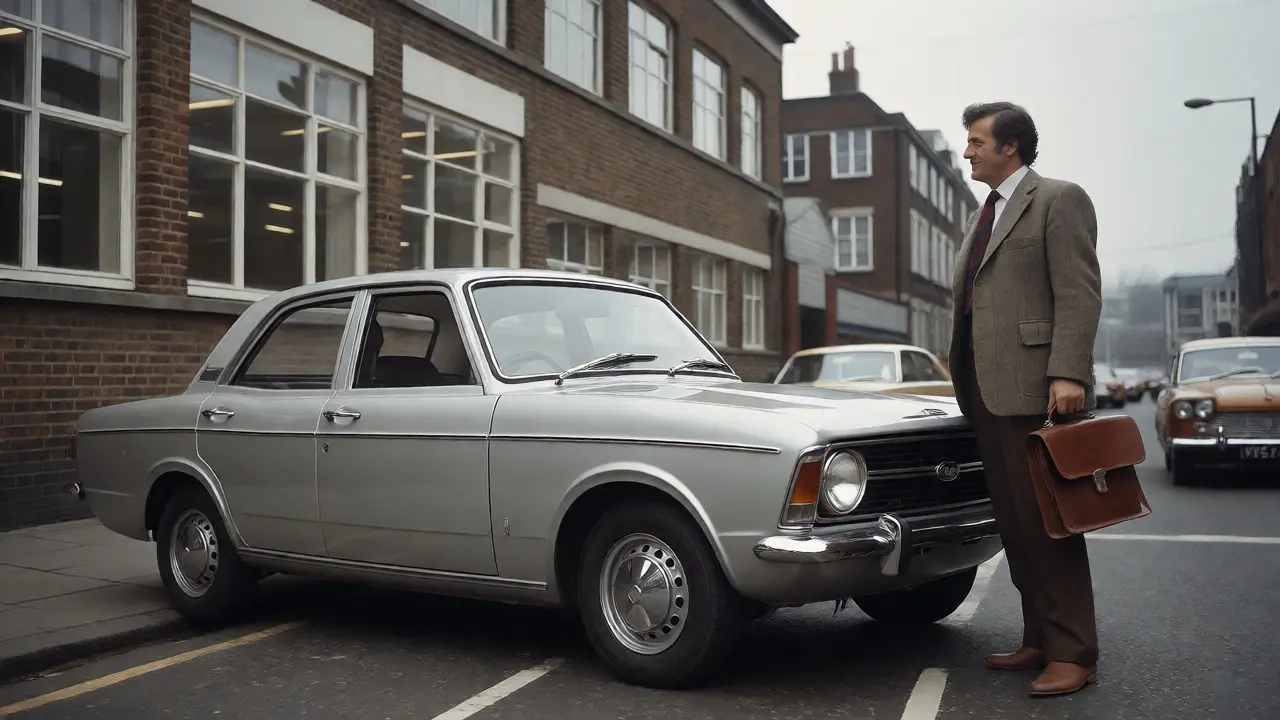
You might think the Ford Cortina is just a classic muscle car or a rally legend. But for millions of British workers in the 1970s and 80s, it was something far more powerful: a financial lifeline. The Cortina didn't just move people; it moved money. It reshaped how companies bought cars and how the government taxed them. If you've ever wondered why your salary sacrifice scheme looks the way it does today, you need to look back at this unassuming saloon.
The Rise of the Company Car as Currency
In post-war Britain, a company car wasn't a perk. It was a necessity for sales reps, managers, and executives who needed to cover miles to keep the business running. But by the late 1960s, the dynamic shifted. The Ford Cortina, specifically the Mk2 launched in 1966, became the default choice for fleets. Why? Because it was cheap to buy, easy to fix, and looked professional enough for client meetings. This accessibility changed the game. Suddenly, having a company car wasn't just about doing your job; it became a status symbol that employees actively negotiated for during hiring.
Fleet managers realized they could negotiate massive discounts with manufacturers like Ford because they were buying hundreds of units at once. This created a feedback loop. More cars on the road meant more visibility for the brand, which drove private sales too. But it also meant the government sat up and took notice. They saw a loophole: if a company pays for your fuel and insurance, are you really paying tax on the full value of that benefit?
Tax Policy Meets Reality
This is where things get messy. Before specific rules were tightened, many drivers treated company cars as freebies. You got the car, the petrol, and the maintenance, all paid for by the employer. The taxman called this "Benefit-in-Kind" (BIK). In the early days, BIK calculations were loose. Some clever accountants argued that if you used the car mostly for work, the taxable benefit should be near zero. Others claimed the opposite. The inconsistency was a headache for HM Revenue & Customs (HMRC).
The introduction of stricter Benefit-in-Kind rules in the 1970s was a direct response to the boom in affordable family cars like the Cortina. The government wanted to ensure that high earners couldn't hide their income behind a steering wheel. They introduced formulas based on the list price of the car and the percentage of personal use. For the first time, choosing a smaller engine size or a lower trim level had a direct impact on your take-home pay. The Cortina, with its wide range of engine options from 1.3L to 2.3L V6, became the perfect test case for these new tax codes.

Why the Cortina Dominated Fleets
You might ask, "Why not the Vauxhall Victor or the Morris Marina?" The answer lies in economics and reliability. While competitors offered similar specs, Ford’s supply chain was robust. Parts were everywhere. Mechanics knew how to fix them blindfolded. For a fleet manager in Birmingham or Manchester, downtime meant lost revenue. A Cortina could be repaired quickly and cheaply, keeping the driver on the road. This operational efficiency made it the king of the motorway.
Moreover, the Cortina appealed to the middle-class aspiration. Driving a Cortina Ghia signaled that you had arrived. It wasn't a Jaguar-too expensive for most mid-level managers-but it wasn't a basic hatchback either. It struck the perfect balance between utility and prestige. This psychological factor drove demand, forcing other manufacturers to rethink their pricing strategies to compete with Ford's dominance in the corporate sector.
The Ripple Effect on Modern Leasing
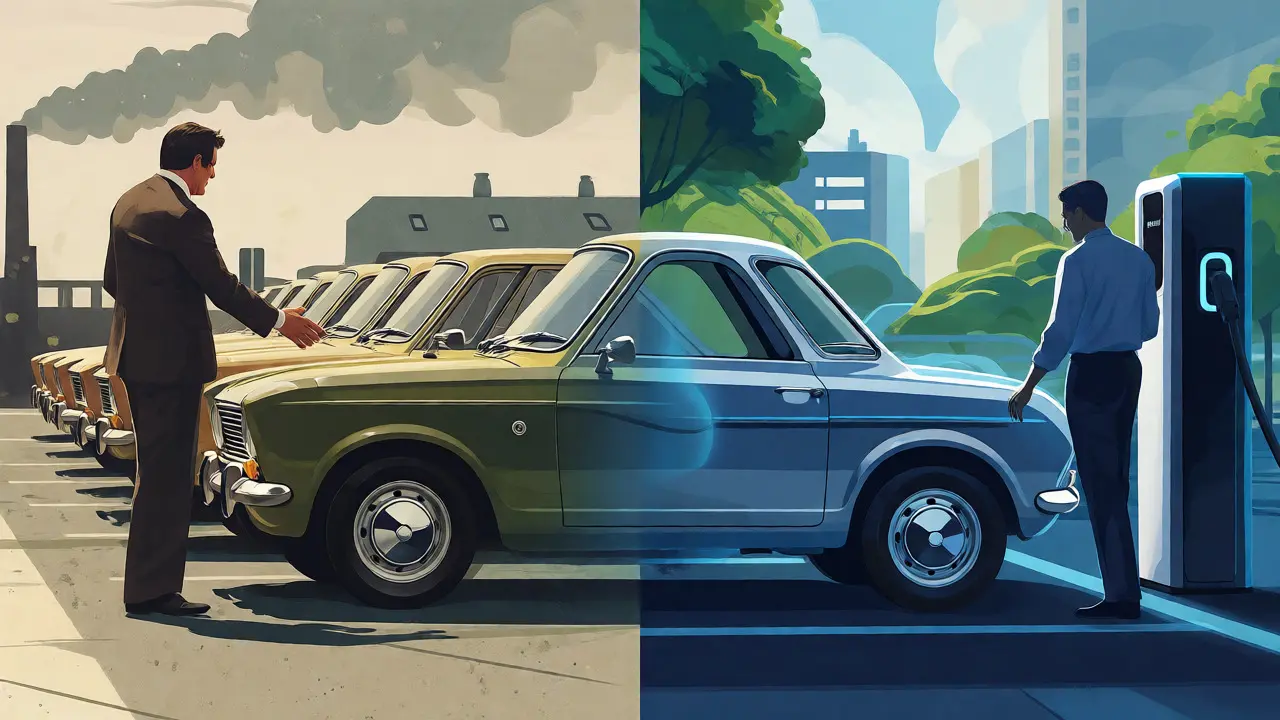
Fast forward to today, and the ghost of the Cortina still haunts every lease agreement. The structure of modern company car leasing mirrors the fleet deals of the 1970s. Companies still bulk-buy vehicles to secure discounts. Employees still weigh the tax implications of higher CO2 emissions against the comfort of a larger vehicle. The core tension remains: how much personal freedom can a company provide without triggering excessive tax liabilities?
When you look at current EV incentives, you see the same logic. Governments offer tax breaks to encourage adoption, hoping to shift consumer behavior. Back then, they tried to discourage luxury spending by taxing it heavily. Today, they try to encourage green choices by subsidizing them. The mechanism changes, but the interplay between corporate finance, employee desire, and state regulation remains unchanged.
Lessons for Today's Drivers
If you're currently negotiating a company car deal, remember the lessons of the Cortina era. First, understand the tax code. Don't assume a cheaper monthly payment means a better deal if the BIK rate is high. Second, consider total cost of ownership. Just as fleet managers prioritized repairability, you should look at service costs and depreciation. Third, recognize the cultural weight of your choice. Your car says something about your role and your values. In the 1970s, driving a Cortina said you were practical and ambitious. Today, driving an electric SUV might say you're tech-savvy and environmentally conscious.
| Feature | 1970s Cortina Era | Modern EV Era |
|---|---|---|
| Primary Driver | Reliability and low purchase price | Tax efficiency and range anxiety |
| Tax Focus | List price and engine size | CO2 emissions and electric range |
| Maintenance | Frequent DIY fixes, cheap parts | Specialist software updates, battery health |
| Status Symbol | Ghia trim indicated success | Tesla Model 3 or Polestar indicates awareness |
Frequently Asked Questions
Did the Ford Cortina actually change UK tax laws?
Not directly on its own, but its massive popularity highlighted flaws in existing Benefit-in-Kind regulations. The sheer volume of Cortinas in company fleets forced HMRC to refine how they calculated taxable benefits, moving toward more standardized formulas based on list price and usage.
Why was the Cortina so popular with fleet managers?
It offered an unbeatable combination of low upfront cost, widespread availability of spare parts, and a simple mechanical design that any local garage could repair. This minimized downtime and kept operational costs predictable for businesses.
What is Benefit-in-Kind (BIK) in simple terms?
BIK is a tax charged on non-cash benefits provided by an employer, such as a company car. If your boss gives you a car for personal use, the government considers this extra income, and you pay income tax on its estimated value.
How did the Cortina compare to rivals like the Vauxhall Victor?
While the Victor was competitive, the Cortina often won on resale value and dealer network strength. Ford's aggressive marketing and consistent model updates kept the Cortina fresh in consumers' minds longer than some competitors.
Does this history matter for modern car buyers?
Yes. Understanding how tax policies evolved helps you predict future changes. For example, knowing that governments tweak BIK rates to influence market trends can help you decide whether to buy now or wait for potential EV incentive shifts.