Export Markets for British Premium Cars: North America, Middle East & China
 Aug, 17 2026
Think about the last time you saw a Rolls-Royce or a Bentley on the road. Did it look different in Dubai than it did in Chicago? The answer is yes, and that difference drives billions of dollars in global trade. For British premium manufacturers, the map of where they sell is not just a list of countries; it is a complex web of cultural preferences, tax laws, and economic shifts that define their survival. In 2026, the landscape has shifted significantly, with new competitors entering the fray and traditional strongholds facing changing dynamics.
The core challenge for brands like Jaguar Land Rover, Aston Martin, and McLaren is no longer just building better cars. It is understanding which specific pockets of the world are hungry for British engineering versus those that have moved on to German or Chinese rivals. This article breaks down the three biggest export destinations-North America, the Middle East, and China-and explains why each market behaves the way it does today.
Key Takeaways
- North America remains the most stable high-volume market, driven by strong dollar purchasing power and a deep cultural affinity for V8 engines.
- The Middle East offers the highest margin per unit due to low import duties and extreme heat tolerance requirements, making it crucial for brand prestige.
- China is the most volatile market, shifting rapidly from volume growth to quality-driven niches as local EV giants rise.
- Logistics and after-sales service networks are now more important than the initial sale in retaining customers in these regions.
- Tariff structures in 2026 have stabilized, but currency fluctuations continue to impact profit margins significantly.
North America: The Anchor of Stability
If you are selling a Range Rover or a Defender, North America is your safest bet. The United States and Canada together account for nearly 40% of total British premium car exports. Why? It comes down to consistency. Unlike other regions where economic booms and busts can happen overnight, the North American consumer base for luxury vehicles has remained resilient through inflation cycles.
There is a specific nuance here that many overlook. American buyers do not just want status; they want utility wrapped in luxury. This is why the Land Rover Defender has seen a resurgence. It fits into the lifestyle of suburban professionals who need a vehicle that can handle snow in Minnesota and look sharp in Beverly Hills. The shift toward larger SUVs in the US has played directly into the hands of British manufacturers, who dominate the full-size luxury SUV segment.
However, competition is heating up. German brands like Mercedes-Benz and BMW have aggressively targeted this demographic with their EQS and iX models. To counter this, British brands are leaning heavily into heritage marketing. They aren't just selling a car; they are selling a story of British craftsmanship that resonates with the older, wealthier demographic in states like Florida and California. The average transaction price for a British premium vehicle in the US has risen by 12% over the last two years, outpacing the general luxury market growth.
The Middle East: Heat, Wealth, and Prestige
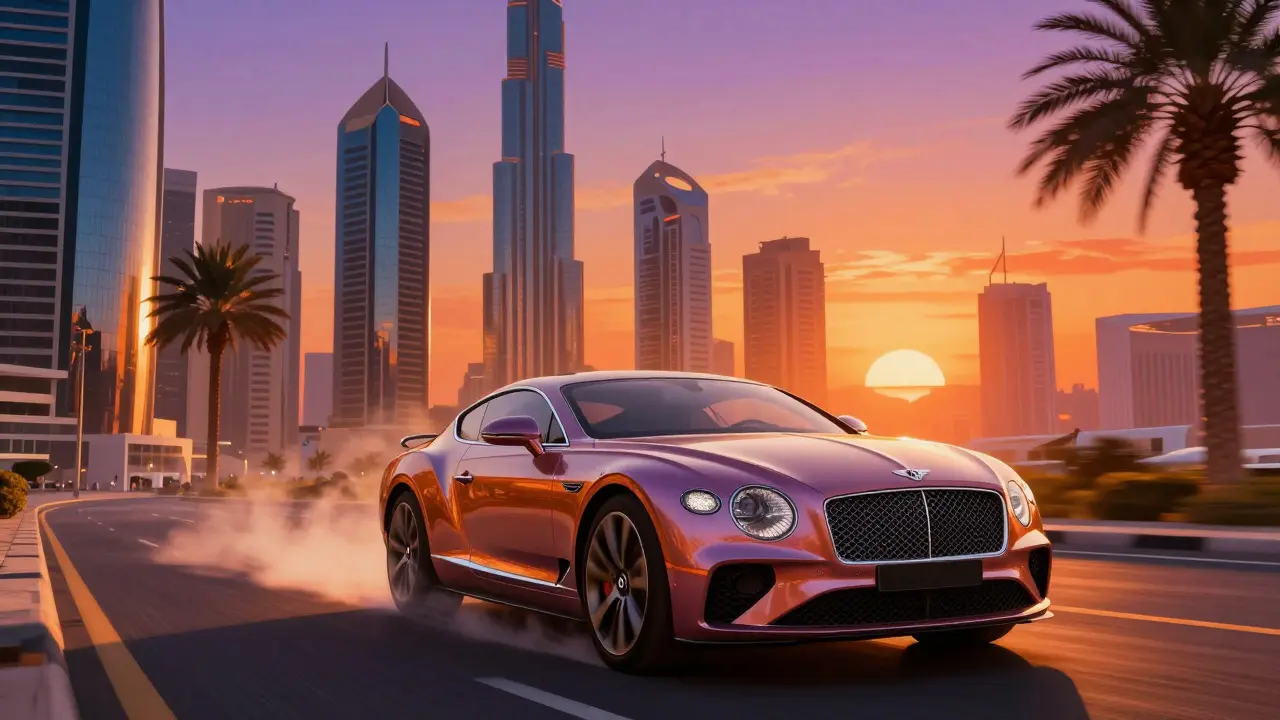
When we talk about the Middle East, we are primarily looking at the Gulf Cooperation Council (GCC) nations, specifically the UAE, Saudi Arabia, and Qatar. This region is unique because it operates on a different set of rules than Europe or Asia. Import duties are minimal, often zero for certain categories, which means the final price for the customer is much closer to the factory price plus shipping. This makes the region incredibly attractive for high-margin sales.
But there is a technical hurdle: the climate. A Bentley Continental GT that performs perfectly in London might struggle in Riyadh during July. The air conditioning systems, cooling radiators, and paint finishes must be reinforced to withstand temperatures that regularly exceed 45°C. Manufacturers now ship specific "Middle East Spec" versions of their cars, which include enhanced cooling packages and UV-resistant interiors. If you ignore this, your warranty claims will skyrocket, and your reputation will suffer.
Culturally, the Middle Eastern buyer values exclusivity. Limited edition models sell faster here than almost anywhere else. A special edition Aston Martin DB12 can sell out its entire allocation within weeks. The relationship between the dealer and the customer is personal, often involving direct communication with the manufacturer's PR team. It is less of a transaction and more of a partnership. This requires a different kind of sales force-one that understands hospitality and long-term relationship building rather than just hitting monthly quotas.
China: The Volatile Giant
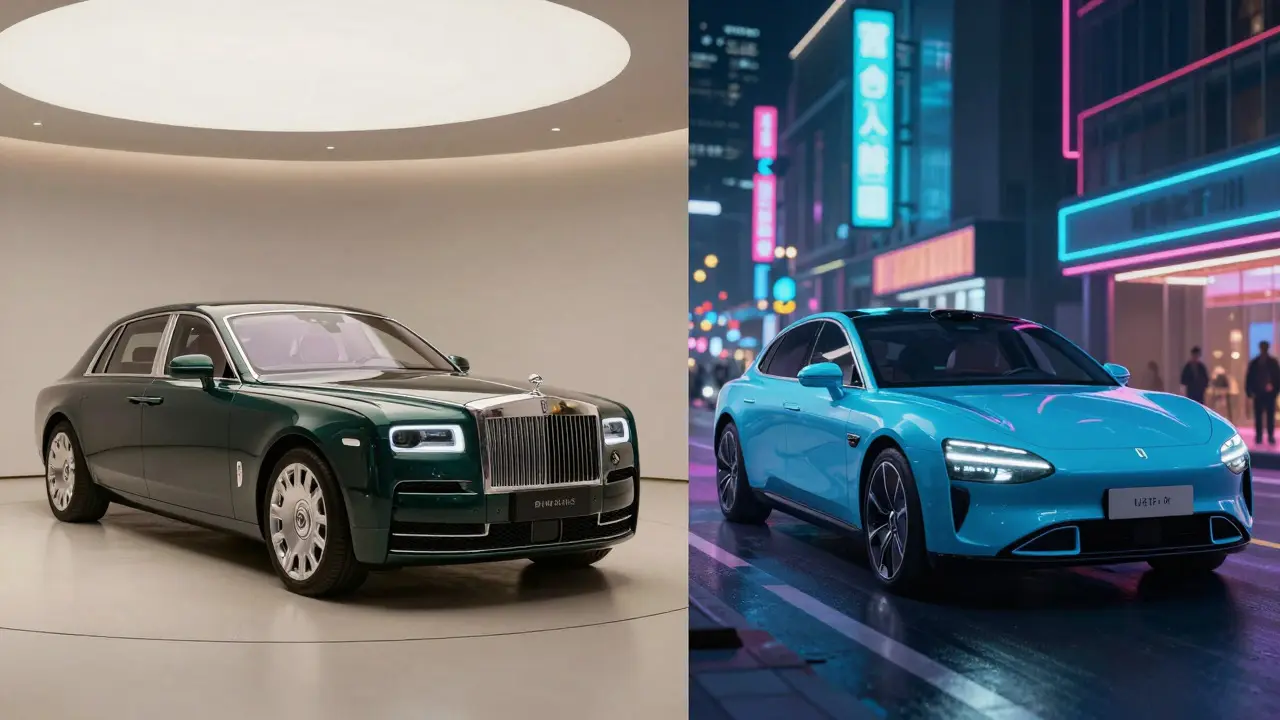
China used to be the growth engine for all Western luxury brands. You could count on double-digit annual increases. But in 2026, the picture is more complicated. The rise of domestic electric vehicle (EV) makers like BYD, NIO, and XPeng has changed the game. These local brands offer technology-forward features, sleek designs, and competitive pricing that erode the traditional advantage of European heritage brands.
For British premium cars, China is no longer a volume play; it is a niche play. The focus has shifted to the ultra-premium segment where brand history still matters more than tech specs. Models like the Rolls-Royce Ghost and high-end Bentley Flying Spur variants still perform well among the top 1% of earners. However, the mid-tier segments, where Jaguar once thrived, have been largely ceded to local competitors.
Another critical factor in China is the digital ecosystem. Customers expect seamless integration with local apps like WeChat for everything from booking service appointments to viewing real-time stock availability. If your digital presence feels clunky or foreign, you lose credibility. British brands have had to invest heavily in localizing their digital infrastructure to compete with the agile tech stacks of Chinese startups.
Comparing the Three Major Export Hubs
To understand the strategic differences, let’s look at the hard data. Each market demands a different approach to product configuration, pricing, and marketing.
| Feature | North America | Middle East (GCC) | China |
|---|---|---|---|
| Primary Driver | Lifestyle & Utility | Prestige & Exclusivity | Tech & Status |
| Average Margin | Medium-High | Very High | Low-Medium |
| Top Selling Segment | Full-Size SUV | Grand Tourer / Ultra-Luxury | Executive Sedan / Ultra-Luxury |
| Key Challenge | German Competition | Climate Durability | Local EV Brands |
| Import Duty Impact | Moderate (USMCA benefits) | Minimal/Zero | High (Tariffs + VAT) |
Logistics and After-Sales: The Hidden Battleground
Selling the car is only half the battle. Keeping the customer happy is where profits are actually made. In North America, the dealer network is mature and standardized. Parts availability is generally good, though lead times for rare components can stretch to four weeks. In the Middle East, the network is smaller but highly specialized. Dealers often act as concierge services, offering valet pickup and drop-off as standard. This level of service is expected, not optional.
In China, the logistics chain is the most fragile. Shipping parts from the UK or Germany can take six to eight weeks, which is unacceptable for a customer used to instant gratification. To solve this, major British manufacturers have established regional hubs in Singapore and Dubai to store common spare parts. This reduces delivery times to under ten days. However, for bespoke customization options, the wait time remains significant, which is a growing pain point for Chinese consumers accustomed to fast turnaround times.
Future Outlook: Where is the Growth?
Looking ahead to late 2026 and beyond, the trend lines suggest a consolidation. North America will remain steady. The Middle East will continue to grow, albeit slowly, as the population ages and wealth transfers to the next generation who may prefer different styles. China will see continued pressure from local brands, forcing British manufacturers to either go higher-end or exit the mid-market entirely.
New opportunities are emerging in Southeast Asia and India, but these markets require massive capital investment in infrastructure. For now, the big three-North America, Middle East, and China-remain the pillars of the British premium export strategy. Success depends on treating each as a distinct entity with its own rules, rather than applying a one-size-fits-all global template.
Which country buys the most British premium cars?
The United States is typically the largest single-country market for British premium vehicles, followed closely by the United Kingdom itself. However, when looking at export volumes specifically (excluding domestic UK sales), the US and the UAE often compete for the top spot depending on the model year and specific brand performance.
Why are British cars popular in the Middle East?
British cars are popular in the Middle East due to low import taxes, high disposable income, and a cultural appreciation for heritage and exclusivity. Additionally, the robust build quality and advanced climate control systems make them suitable for extreme heat conditions.
Is the Chinese market declining for British brands?
Not necessarily declining, but transforming. Volume growth has slowed as local EV brands capture the mid-market. British brands are maintaining their share in the ultra-luxury segment but losing ground in the entry-level luxury space. It is a shift from broad appeal to niche dominance.
What is the main difference between North American and Middle Eastern specs?
The primary difference lies in climate adaptation. Middle Eastern specs feature enhanced air conditioning, stronger cooling systems, and UV-resistant materials. North American specs focus more on safety features compliant with US regulations and utility features like towing capacity and all-wheel drive configurations suited for varied terrain.
How do tariffs affect the price of British cars in China?
Tariffs and Value Added Tax (VAT) in China add a significant layer to the final price, often increasing the cost by 20-30% compared to the factory price. This makes British cars more expensive relative to local competitors, pushing them firmly into the premium or ultra-premium category for Chinese consumers.