Electrification Lessons from Britain: Lightweight Efficiency and Packaging Know-How
 Oct, 3 2026
Think about the last time you drove an electric car. Did it feel heavy? Probably. The average EV weighs significantly more than its combustion-engine counterpart, often by hundreds of pounds. This mass creates a vicious cycle: heavier cars need bigger batteries to go the same distance, which makes them even heavier. But there is a different way. For decades, British automotive engineers have been masters of doing more with less. From the Lotus Elise to modern Formula 1 innovations, the UK has cultivated a specific kind of lightweight efficiency that is now becoming critical for global electrification.
This isn't just about nostalgia for small, nimble sports cars. It’s about hard engineering data. When you strip away the marketing fluff, the core challenge of electric vehicles is energy density and packaging. You have limited space in a chassis, and every gram you save translates directly into range or performance. British engineering firms, many of which supply major global OEMs, have spent years perfecting packaging know-how-the art of fitting complex systems into tight spaces without adding unnecessary weight. Let’s look at what other manufacturers can learn from this enduring influence.
The Philosophy of Lightness
Colin Chapman, the founder of Lotus, famously said, "Simplify, then add lightness." In the context of internal combustion engines, this meant faster acceleration and better handling. In the world of electric vehicles, it means extending range and reducing braking wear. A lighter car requires less energy to move, regardless of the powertrain. But here is where the British approach differs from the mainstream. While many large automakers try to brute-force their way through weight issues by simply installing larger battery packs, British specialists focus on structural optimization.
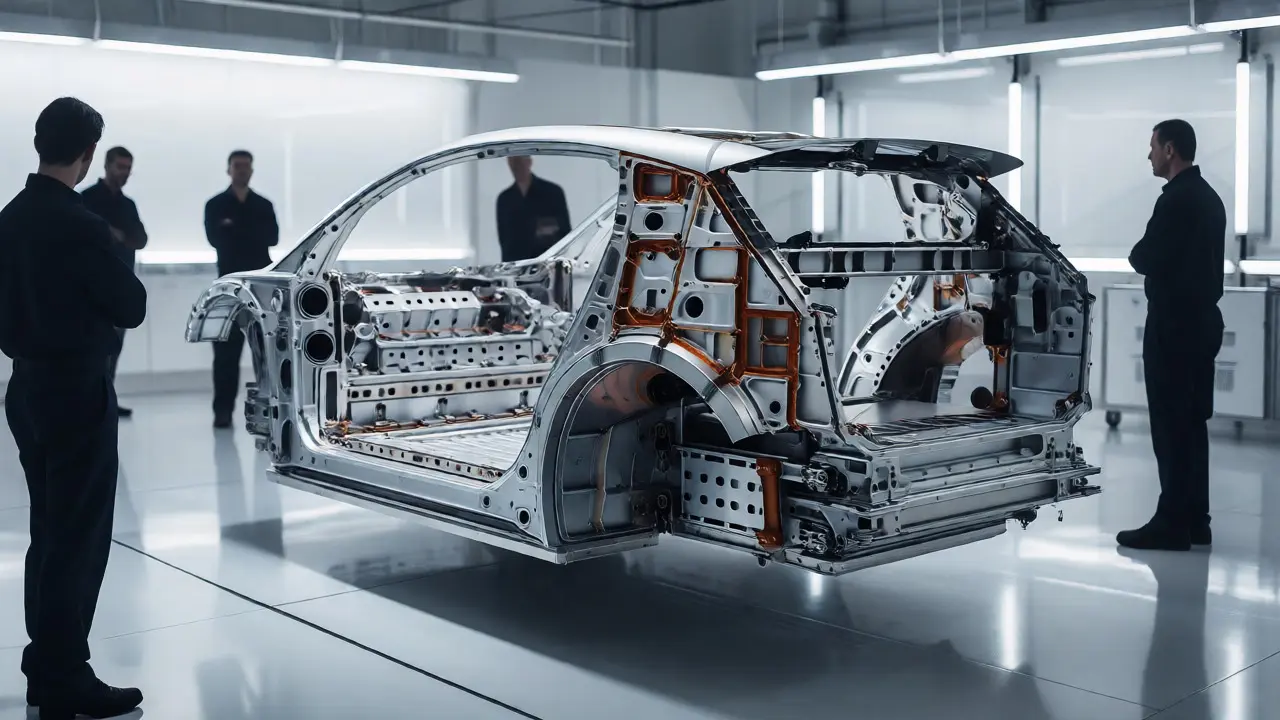
Consider the use of aluminum extrusions. Companies like McLaren Automotive didn't just adopt carbon fiber; they pioneered the MonoCell architecture, integrating the passenger cell and crash structures into a single, rigid unit. This reduces part count and eliminates redundant joining methods that add mass. For an EV manufacturer, adopting this mindset means looking at the vehicle not as a collection of parts bolted together, but as a unified structure. Every bracket, every fastener, and every millimeter of steel must justify its existence.
| Vehicle Mass Reduction | Estimated Range Gain | Energy Consumption Drop |
|---|---|---|
| 5% | 3-4% | 4-5% |
| 10% | 6-8% | 7-9% |
| 15% | 9-12% | 10-13% |
These numbers aren't theoretical. They come from real-world testing conducted by engineering consultancies based in the Midlands and South East England. The takeaway is clear: if you can cut 10% of your vehicle's mass through smarter design, you might not need a bigger battery. That saves money, reduces raw material sourcing pressures, and improves driving dynamics.
Packaging: The Hidden Art Form
If lightweighting is the science, packaging is the art. And Britain punches above its weight here. Why? Because British manufacturers historically had smaller factories and tighter budgets than their German or Japanese rivals. They couldn't afford massive production lines that could tolerate loose tolerances. They had to be precise.
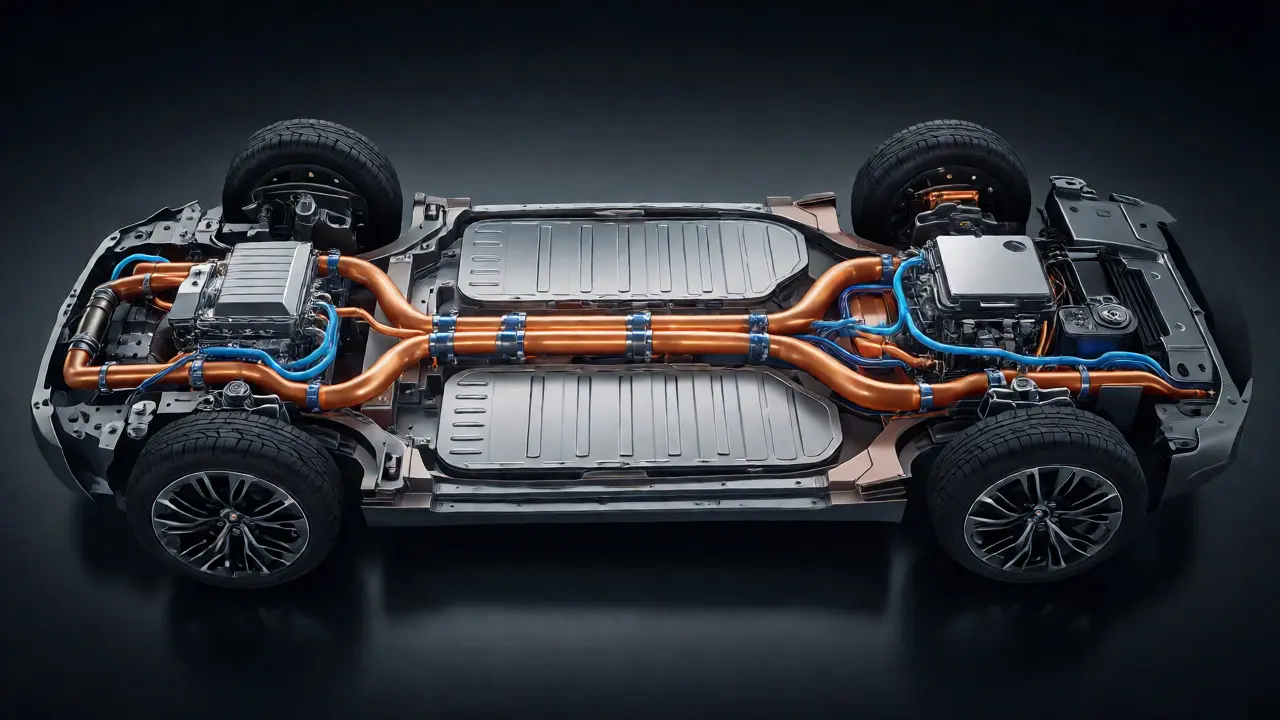
In an EV, packaging refers to how you fit the battery pack, motors, inverters, and cooling systems into the existing footprint of a car. Poor packaging leads to wasted volume, compromised cabin space, and inefficient thermal management. British firms have excelled at thermal integration. Instead of treating the battery cooling system as a separate add-on, they integrate it with the motor and cabin HVAC loops. This reduces the number of pumps, hoses, and heat exchangers required. Fewer components mean less weight, fewer potential leak points, and simpler assembly.
A prime example is the work done by firms like Ricardo plc. Their expertise in hybrid and electric powertrain packaging has influenced everything from supercars to commercial vans. They understand that a compact, integrated powertrain allows designers to push the wheels further out to the corners. This shortens the front overhang, improving agility and making the car look-and drive-more responsive. It’s a subtle shift, but one that defines the character of a vehicle.
Materials Innovation Beyond Carbon
When people hear "lightweight," they think carbon fiber. But carbon is expensive and slow to produce. British engineering knows-how extends far beyond exotic composites. There is a deep expertise in advanced high-strength steels and multi-material joining techniques.
Using thinner gauge steel in non-critical areas, reinforced with aluminum or magnesium brackets, offers a cost-effective path to weight reduction. This is crucial for mass-market EVs where every dollar counts. British suppliers have developed adhesive bonding processes that are stronger than traditional welding in certain applications, allowing for mixed-material assemblies that would otherwise corrode or fail under stress. This knowledge transfer is vital. As global automakers race to scale up EV production, they need solutions that are both light and manufacturable at high volumes. The UK’s legacy in low-volume, high-performance manufacturing provides a blueprint for efficiency that scales down, not just up.

Supply Chain Resilience and Local Expertise
There is also a business lesson here. The UK automotive sector is heavily export-oriented. Over 70% of cars built in Britain are shipped abroad. This forces companies to meet diverse regulatory standards and quality expectations. It breeds a culture of adaptability. When a crisis hits-like the semiconductor shortage or post-Brexit trade frictions-British firms have shown remarkable resilience by leveraging niche expertise rather than relying solely on volume.
For an EV startup or an established OEM looking to innovate, partnering with these specialized UK engineering houses can accelerate development cycles. These firms don't just sell parts; they sell intellectual property and process knowledge. They can help redesign a subframe to shave off 15 kilograms, or repackage a battery module to increase volumetric efficiency by 10%. This level of granular optimization is often overlooked in the rush to launch new models, but it pays dividends in long-term competitiveness.
Applying the Lessons Today
So, how do you apply these principles? Start by auditing your current vehicle architecture. Look for redundancy. Are you using steel where aluminum would suffice? Is your cooling system overly complex? Could you integrate functions to reduce part count?
- Audit Mass: Identify the heaviest components. Can they be hollowed out or made from alternative materials?
- Review Packaging: Is there dead space around the battery pack? Can wiring harnesses be simplified?
- Integrate Systems: Combine thermal management loops where possible to reduce component count.
- Leverage Niche Suppliers: Engage with specialist engineering firms early in the design phase, not just for sourcing.
The goal isn't to make every car a Lotus. It’s to recognize that efficiency is a competitive advantage. In a market saturated with similar-looking SUVs, the car that drives farther on the same charge, or handles better because it’s lighter, will stand out. Britain’s contribution to this field isn't just historical trivia; it’s a practical toolkit for solving the physical constraints of electrification.
Why is lightweighting more important for EVs than ICE cars?
EVs rely on stored energy (batteries) rather than fuel tanks. Batteries are extremely heavy relative to the energy they store. Therefore, any extra weight in the vehicle body directly reduces the available range. Reducing mass has a compounding effect on efficiency that is more pronounced in EVs than in internal combustion engine vehicles, where refueling takes minutes and adds temporary weight.
What is 'packaging' in automotive engineering?
Packaging refers to the spatial arrangement of all components within a vehicle. It involves optimizing the placement of engines, batteries, suspension, and interior elements to maximize usable space, ensure structural integrity, and facilitate manufacturing. Good packaging minimizes wasted volume and simplifies assembly.
How does British engineering influence global EV design?
Many global automakers contract British engineering firms for R&D and prototyping. These firms specialize in advanced materials, simulation, and rapid prototyping. Their expertise in lightweight structures and efficient powertrain integration is licensed or consulted on for vehicles sold worldwide, influencing designs from luxury sedans to family hatchbacks.
Is carbon fiber always the best choice for lightweighting?
No. While carbon fiber is strong and light, it is expensive and difficult to recycle. For mass-market EVs, advanced high-strength steels, aluminum alloys, and multi-material hybrids often provide a better balance of cost, weight, and sustainability. British engineering emphasizes selecting the right material for the specific function, not just the lightest option.
Can lightweighting improve charging speed?
Indirectly, yes. A lighter car requires less total energy to travel a given distance. If you reduce the energy needed per mile, you effectively extend the range achievable from a fixed-size battery. Additionally, optimized packaging can improve thermal management, allowing batteries to maintain optimal temperatures during fast charging, which can sustain higher charge rates for longer periods.