Edwardian Era Car Buyers in Britain: Who Bought Early Automobiles and Why
 May, 8 2026
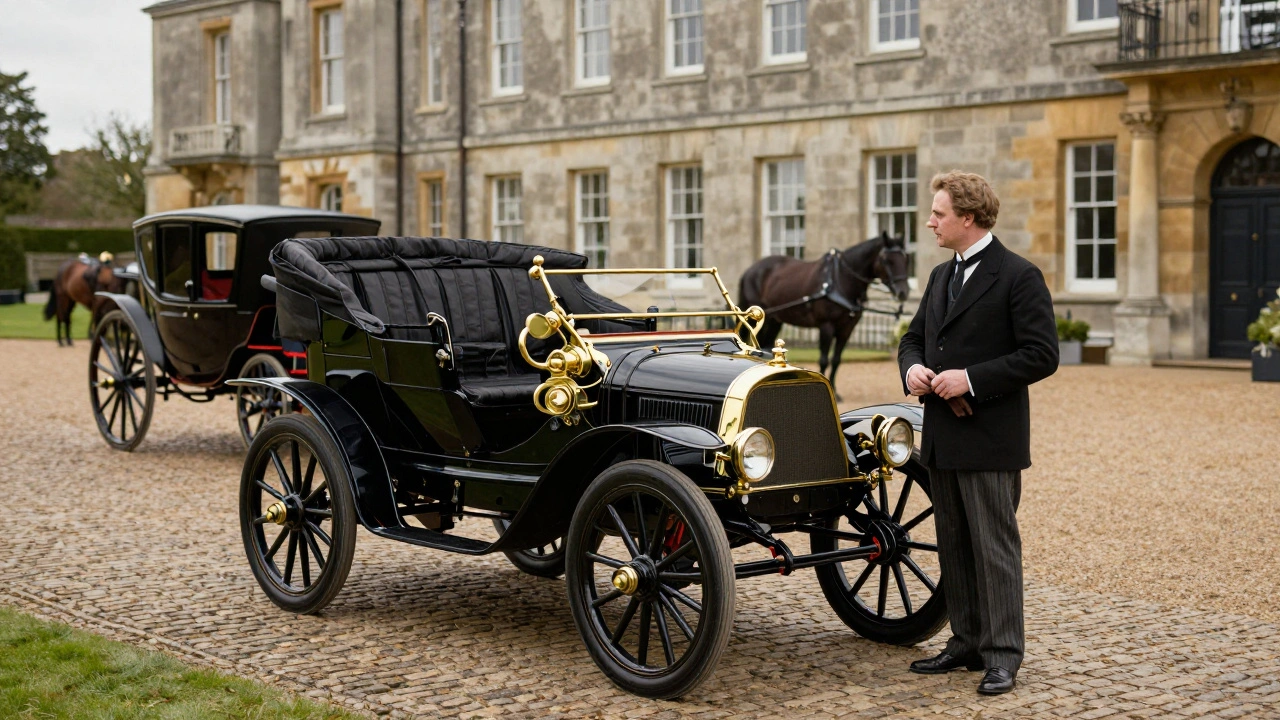
Imagine stepping out of a horse-drawn carriage into the back seat of a Royal Motor. The smell is not hay and leather, but oil, rubber, and ozone. It is 1905, and you are one of the very few people in Britain who can afford to own a motorcar. For most, the automobile is a noisy, dangerous curiosity. For you, it is a symbol of modernity, power, and immense wealth. This was the reality of the Edwardian Era, a period where the transition from steam to internal combustion changed society forever.
When we look at who bought these early vehicles, we aren't just looking at a list of names. We are looking at the architects of modern British life. These were not casual buyers. They were pioneers, often forced to act as their own mechanics, chauffeurs, and road engineers. Understanding why they bought these machines reveals more about class structure, industrial innovation, and social ambition than any textbook could tell you.
The Social Elite: Status Over Utility
The first wave of car buyers in Britain came almost exclusively from the aristocracy and the newly wealthy industrialists. If you had land, titles, or factories, you bought a car. But why? It wasn't because trains were inconvenient-they were actually quite good. It was because owning a motorcar was the ultimate flex. In a society obsessed with hierarchy, the automobile created a new tier of prestige.
Consider the Duke of Connaught or Lord Montagu of Beaulieu. These men didn't buy cars for commuting; they bought them for display. A Daimler or a Rolls-Royce Silver Ghost (introduced later in the era) was a rolling statement that you were ahead of your time. The cost was prohibitive for anyone without inherited wealth. A basic model could cost £400 to £600, while luxury bespoke models exceeded £1,000. To put that in perspective, an average worker earned less than £200 a year. Buying a car meant spending five years' salary on a single machine.
This exclusivity served a social function. It separated the "old money" aristocrats from the "new money" merchants, and then allowed the smartest merchants to climb up by adopting the technology faster. The car became a tool for social mobility, albeit a very expensive one. You weren't just buying transportation; you were buying entry into a club that included royalty, politicians, and the heads of industry.
The Industrial Tycoons: Practical Ambition
While the aristocrats viewed cars as toys, the industrial tycoons saw them as tools of efficiency. Men like Sir William Beardmore or the founders of Vickers understood that speed equated to profit. In the pre-war economy, the ability to move quickly between factories, offices, and government meetings provided a competitive edge.
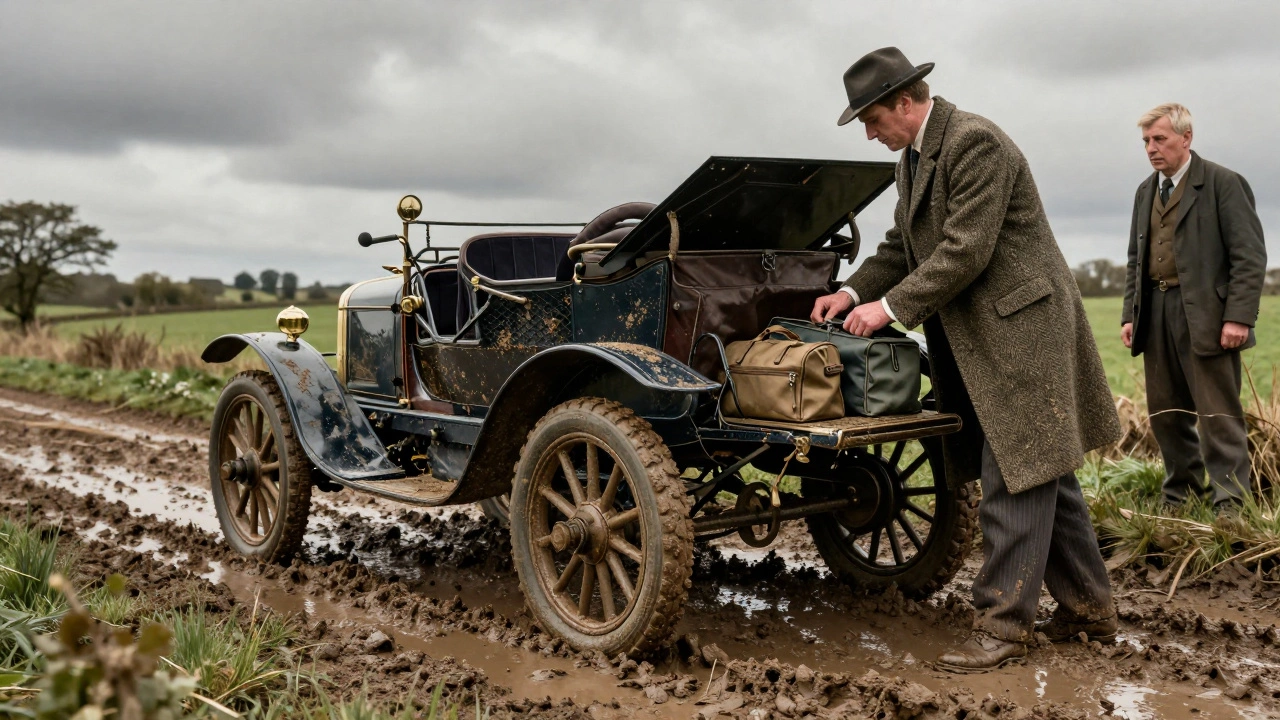
These buyers were pragmatic. They didn't care about the aesthetic elegance of a French Panhard; they cared about reliability and parts availability. This drove the growth of domestic manufacturers like Daimler and Clément-Talbot. The tycoons needed vehicles that could withstand the brutal conditions of British roads, which were little more than mud tracks outside of London.
There was also a nationalistic element. As Germany began to dominate the automotive market with brands like Mercedes and Opel, British industrialists felt pressure to support homegrown engineering. Buying a British car became a patriotic duty for many businessmen. This sentiment helped sustain the fledgling UK auto industry during its infancy, despite the fact that German engines were often superior in performance.
The Doctors and Professionals: The First Suburbanites
If you weren't a duke or a factory owner, could you still buy a car? Yes, but you had to be highly specialized. Doctors, particularly those practicing in rural areas, were among the earliest non-aristocratic adopters. Before the car, a doctor’s practice was limited to walking distance or the reach of a horse and cart. A motorcar expanded their radius dramatically.
A country GP could now visit three times as many patients in a day. This increase in productivity justified the high cost of ownership. Brands like Humber offered smaller, cheaper models that appealed to this demographic. These doctors were often the first people in their villages to own a car, making them local celebrities. Their vehicles were utilitarian-often open-topped so they could carry medical bags and equipment easily-but they represented independence.
Similarly, lawyers and accountants in London began using cars to navigate the growing sprawl of the city. The Tube was expanding, but it didn't go everywhere. For professionals who needed to meet clients across different districts, the car offered flexibility. However, parking was a nightmare. There were no designated spots, so owners often left their cars on public streets, leading to conflicts with pedestrians and other traffic.
The Role of Women: Breaking Barriers
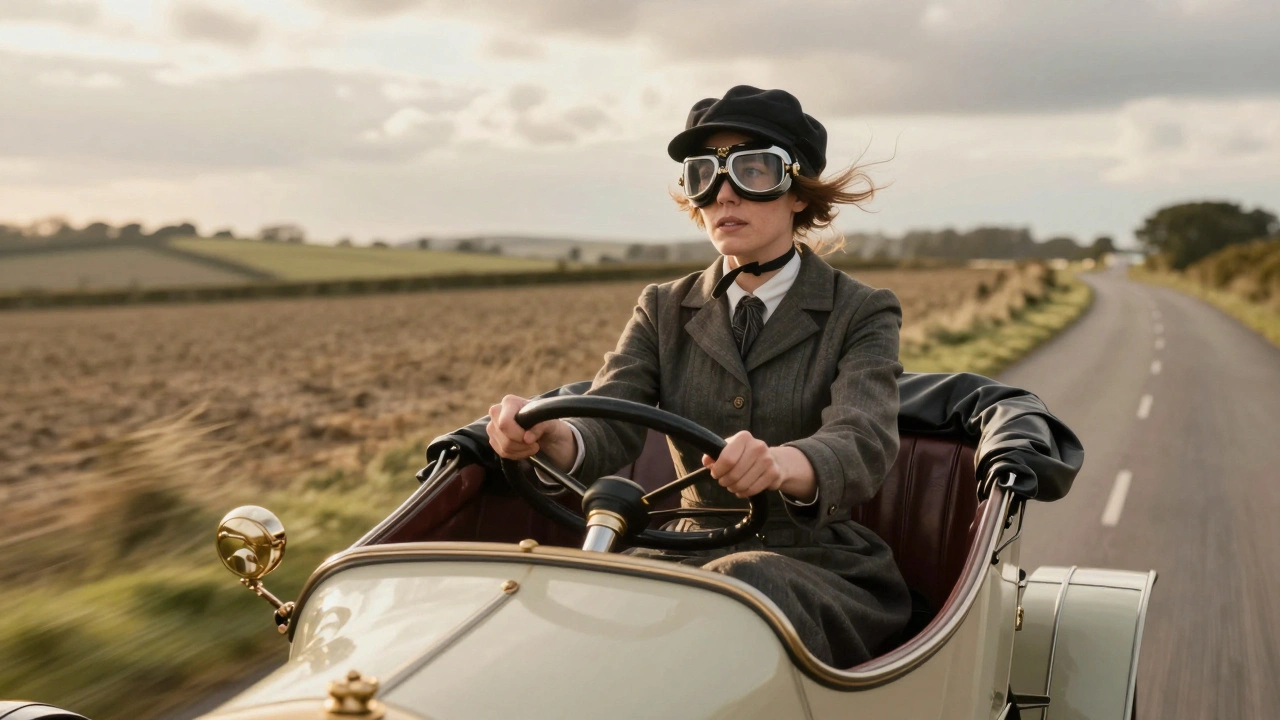
We cannot talk about Edwardian car buyers without mentioning women. While men dominated the purchasing decisions, women were increasingly driving them. In fact, some of the most famous early motorists were women. Lady Mary Hay Drummond, for instance, drove a Daimler and set records for long-distance travel.
For women, the car was a liberating force. It offered privacy and mobility that horses did not. A woman could drive herself without needing a male chaperone, challenging Victorian norms of female dependence. However, society pushed back. There were laws and social pressures designed to restrict women's access to driving licenses. The "Ladies’ Driving Association" was formed partly to advocate for women’s rights to drive and to provide training in a male-dominated field.
Women buyers were often influenced by safety and ease of use. Manufacturers began designing cars with easier controls, recognizing that women might prefer lighter steering and simpler gearboxes. This shift subtly influenced the design of future vehicles, moving away from the brute-force mechanics of early prototypes toward more user-friendly interfaces.
The Economic Reality: Cost and Maintenance
Buying the car was only the beginning. The ongoing costs were staggering. Fuel was expensive, and petrol stations were virtually non-existent. Owners often bought fuel in cans from chemists or hardware stores. Oil changes required manual labor, and tires were fragile. Punctures were common, and repairs could take hours.
Maintenance was a personal responsibility. Most owners employed a chauffeur-mechanic, a hybrid role that required both driving skill and engineering knowledge. These employees were highly paid because their expertise was rare. If you couldn't afford a chauffeur, you had to learn to fix your own car. Many early buyers took evening classes in mechanics, turning their hobby into a technical education.
The infrastructure was also lacking. Roads were poorly maintained, and bridges were often too narrow for cars. Local councils resisted the spread of automobiles, fearing damage to property and danger to pedestrians. This led to frequent clashes between motorists and local authorities. Buyers had to be advocates for their own lifestyle, lobbying for better roads and clearer regulations.
Why They Bought: Beyond Transportation
So, why did these people buy cars when trains were cheaper and faster? The answer lies in identity. The automobile was not just a mode of transport; it was a declaration of values. It signaled that you embraced progress, risk, and modernity. In a conservative society, choosing to drive was a radical act.
Furthermore, the car offered a sense of adventure. Long-distance touring was a popular pastime among the wealthy. Driving from London to Edinburgh was a feat of endurance that brought status and bragging rights. The journey itself was the product. The discomfort, the noise, and the unpredictability were part of the appeal. It was a test of character and resilience.
Finally, there was the allure of novelty. Humans are drawn to new technology. The sight of a steam engine chugging down the street or a gasoline car roaring past was mesmerizing. Early buyers were enthusiasts, collectors, and innovators. They wanted to be part of something historic. They knew they were witnessing the birth of a new age, and they wanted to hold the steering wheel.
| Buyer Profile | Primary Motivation | Typical Brands | Key Constraints |
|---|---|---|---|
| Aristocracy | Status & Prestige | Daimler, Rolls-Royce | High maintenance costs |
| Industrialists | Efficiency & Patriotism | Humber, Vauxhall | Need for reliability |
| Professionals | Expanded Practice Radius | Clement-Talbot, Sunbeam | Parking & Road Conditions |
| Early Women Drivers | Independence & Freedom | Various (Lighter Models) | Social Stigma & Legal Barriers |
The Legacy of Edwardian Motoring
The habits and attitudes formed during this era shaped the future of British motoring. The emphasis on durability over speed, the reliance on skilled mechanics, and the integration of cars into professional life all became standard practices. The social divide between car owners and non-owners persisted well into the 20th century, influencing housing patterns and urban planning.
Moreover, the regulatory frameworks established in response to early car ownership laid the groundwork for modern traffic laws. The Red Flag Act, which initially required a man to walk ahead of a motor vehicle waving a red flag, was repealed in 1896, but the cautionary approach remained. Speed limits, licensing requirements, and insurance mandates all originated from the need to manage this new, powerful technology.
Today, when we view vintage Edwardian cars in museums, we see beautiful artifacts. But behind each one is a story of human ambition, economic disparity, and technological courage. These buyers were not just consumers; they were pioneers who paved the way for the mobile world we live in today.
Who were the first car buyers in Britain?
The first car buyers in Britain were primarily members of the aristocracy and wealthy industrialists. Figures like the Duke of Connaught and Lord Montagu purchased cars such as Daimlers and Royal Motors as symbols of status and modernity. Later, professionals like doctors and lawyers joined them, driven by practical needs for wider travel ranges.
Why did people buy cars instead of using trains?
People bought cars for reasons beyond simple transportation. For the elite, it was about status and exclusivity. For professionals, it was about efficiency and expanding their service area. Additionally, the car offered a sense of adventure and independence that train travel could not provide. It was a statement of embracing modern technology and progress.
How much did an Edwardian car cost?
A basic Edwardian car could cost between £400 and £600, while luxury models exceeded £1,000. Given that an average worker earned less than £200 per year, these vehicles were accessible only to the extremely wealthy. The cost included not just the purchase price but also significant expenses for fuel, maintenance, and employing a chauffeur-mechanic.
Did women buy cars in the Edwardian Era?
Yes, women were significant buyers and drivers during this period. While societal norms restricted their roles, the car offered women unprecedented freedom and privacy. Notable figures like Lady Mary Hay Drummond drove extensively. Women often sought lighter, easier-to-handle models, influencing manufacturers to design more user-friendly vehicles.
What challenges did early car owners face?
Early car owners faced numerous challenges, including poor road conditions, lack of fuel stations, and frequent mechanical breakdowns. They had to source fuel from chemists, perform their own maintenance if they couldn't afford a mechanic, and deal with hostile local authorities who opposed motor traffic. Parking was also a major issue due to the absence of designated spaces.