Edwardian Car Pricing in Britain: Affordability, Luxury, and the Middle Market
 Aug, 17 2026
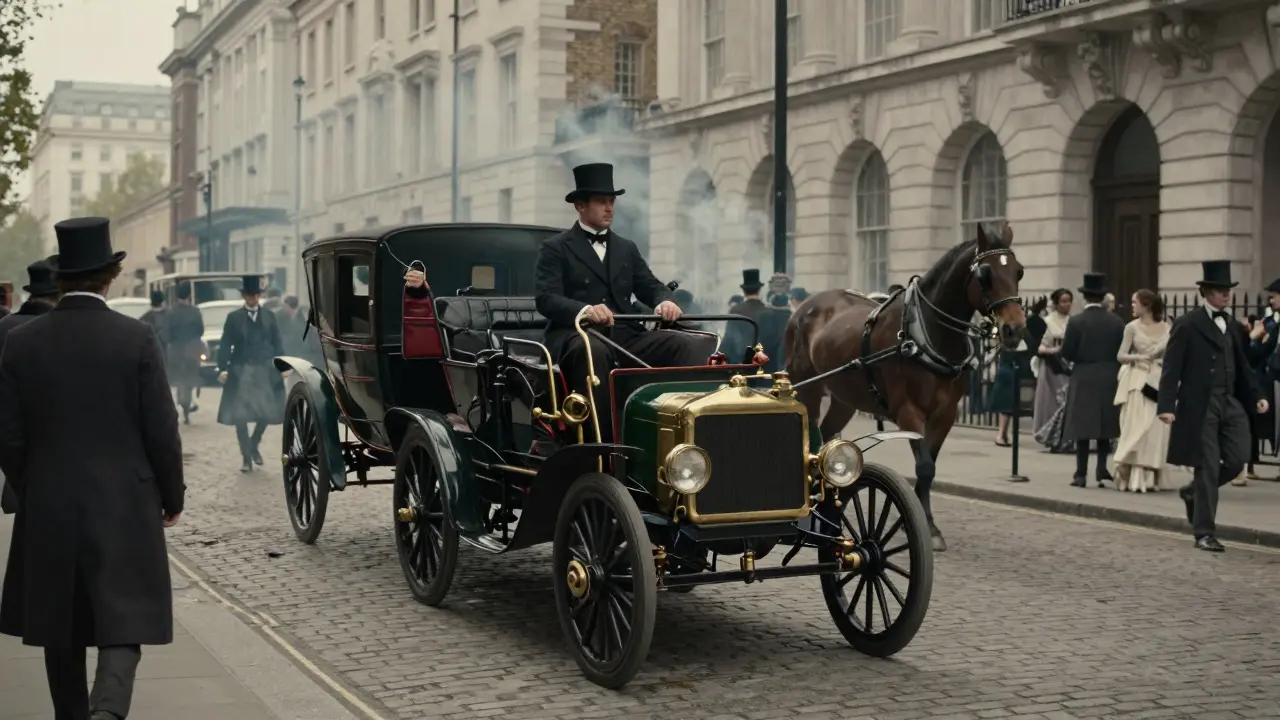
Imagine standing on a London street corner in 1905. The air smells of coal smoke and horse manure, but there is a new sound cutting through the noise: the rhythmic thump of an internal combustion engine. For most people, that sound meant danger or novelty. But for a growing slice of the British population, it meant freedom. The Edwardian era (1901-1910) was not just about elegant hats and polite society; it was the decade when the automobile stopped being a toy for the ultra-rich and started becoming a tool for the ambitious middle class.
The story of Edwardian cars is a period of rapid industrialization where vehicle prices dropped dramatically, shifting ownership from aristocratic circles to professional households. This wasn't an overnight change. It was a complex interplay of manufacturing efficiency, component standardization, and aggressive marketing by British firms like Daimler, Rolls-Royce, and the emerging mass-market players. To understand how we got here, we have to look at what a car actually cost in pounds sterling and who could afford it.
The Price Tag: What Did Cars Cost in 1901 vs. 1910?
Let’s start with the numbers, because they tell the real story. In 1901, a basic single-cylinder car might set you back around £150 to £200. That sounds cheap today, but consider the average annual wage for a skilled tradesman in early 20th-century Britain: roughly £150 to £200 per year. Buying a car meant spending your entire yearly income on a machine that broke down frequently and required a dedicated mechanic.
By 1910, the landscape had shifted. While luxury models still commanded high prices, entry-level vehicles were dropping into the £100-£150 range. More importantly, the *perceived* value changed. A car was no longer just a status symbol; it was a utility. If you were a solicitor, a doctor, or a shopkeeper, owning a car saved time and expanded your business reach. The affordability curve wasn’t linear-it accelerated due to economies of scale.
| Year | Average Entry-Level Car Price (£) | Luxury Model Price (£) | Avg. Skilled Worker Annual Wage (£) | Ratio: Car Price / Annual Wage |
|---|---|---|---|---|
| 1901 | £180 | £600+ | £175 | 1.03x |
| 1905 | £140 | £450 | £185 | 0.76x |
| 1910 | £110 | £350 | £200 | 0.55x |
Notice the ratio in the last column. By 1910, an entry-level car cost less than half a skilled worker’s annual salary. That is a massive psychological barrier removed. It signaled that motoring was entering the realm of the possible for anyone with savings and ambition.
The Rise of the Middle Market: Who Were the New Buyers?
Before 1900, if you owned a car, you were likely a duke, a baron, or a very wealthy industrialist. The "middle market" didn’t really exist. But during the Edwardian years, a new demographic emerged: the professional middle class. We are talking about accountants, junior partners in law firms, mid-level civil servants, and successful retail owners.
These buyers had different needs than the aristocracy. They didn’t care as much about hand-stitched leather interiors or gold-plated bumpers. They cared about reliability, fuel economy, and resale value. This shift forced manufacturers to rethink their production lines. Companies like Humber and Alvis began targeting this segment specifically, offering simpler, more robust designs that were easier to maintain.
The "middle market" also influenced after-sales service. Previously, if your car broke, you hired a private mechanic. Now, dealerships started offering standardized parts and warranty-like support. This ecosystem of support made the purchase feel safer for first-time buyers who were terrified of being stranded on a muddy country lane.
Luxury vs. Utility: The Diverging Paths
While the middle market grew, the luxury segment didn’t disappear-it evolved. Brands like Rolls-Royce doubled down on exclusivity. Their strategy was simple: make the car so expensive and so well-made that it became a permanent fixture of high society. A Rolls-Royce Silver Ghost, introduced around 1906, wasn’t just a car; it was a statement of permanence. It promised that you would never be embarrassed by your vehicle breaking down.
This created a clear bifurcation in the market:
- The Utility Class: Affordable, functional, often black-painted, focused on getting from A to B without drama. These were the workhorses of the new middle class.
- The Prestige Class: Expensive, ornate, often custom-colored, focused on comfort and social signaling. These were the toys of the elite.
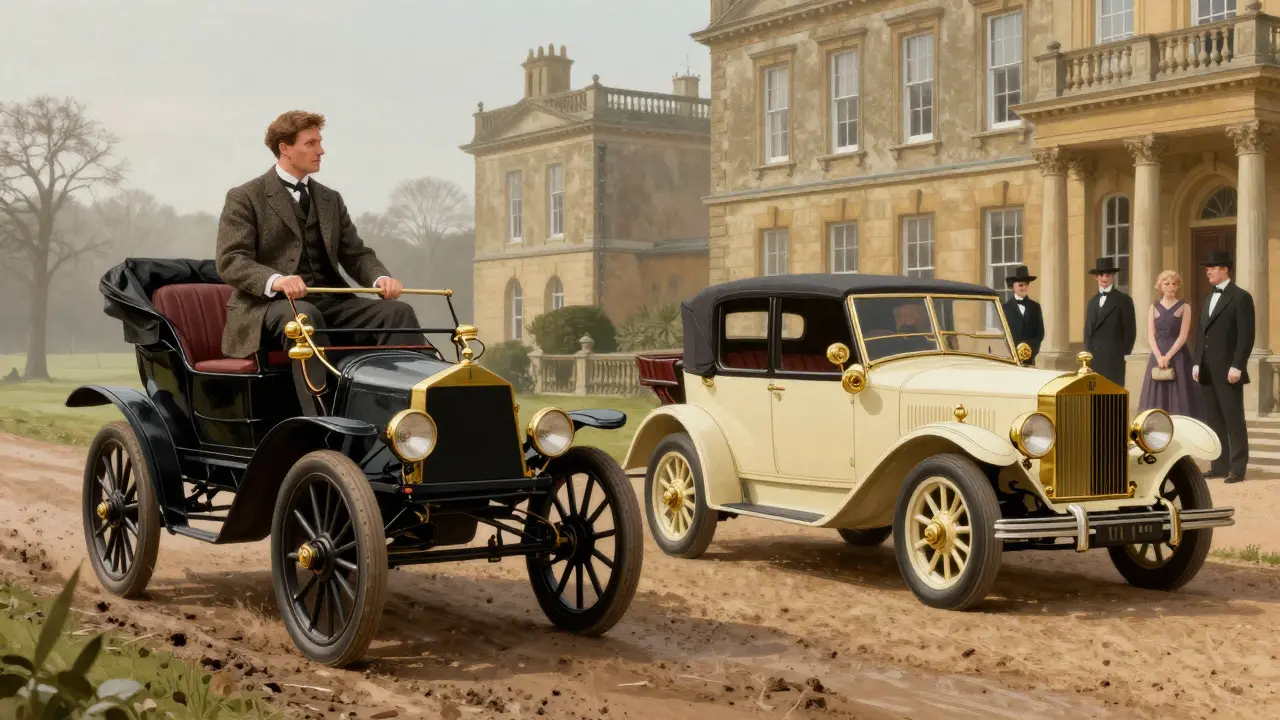
Interestingly, these two paths rarely crossed. A middle-class buyer wouldn’t dream of buying a Rolls-Royce, and an aristocrat wouldn’t be seen driving a basic Humber unless they were trying to blend in (which was rare). This separation helped define British social mobility in the early 20th century. Your car told everyone exactly where you stood in the hierarchy.
Why Did Prices Drop? The Technical Drivers
You might wonder why prices fell so quickly. Was it just competition? Not entirely. Several technical and industrial factors drove the cost down.
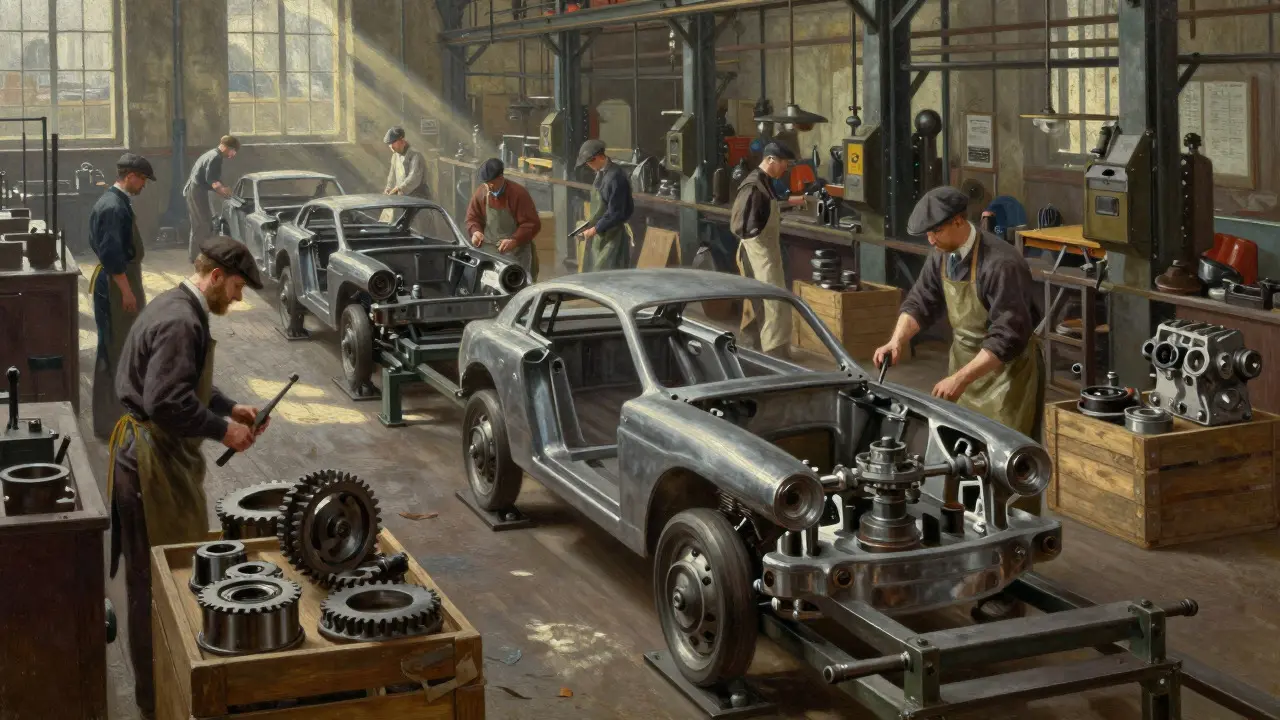
- Standardization of Parts: In the early days, every car was built from scratch using unique components. By the late Edwardian period, manufacturers started using standardized bolts, gears, and chassis components. This reduced manufacturing time and allowed for bulk purchasing of raw materials.
- Assembly Line Techniques: While Henry Ford is famous for the assembly line, British manufacturers were adopting similar principles. Breaking down the build process into smaller, repeatable tasks increased output and lowered labor costs per unit.
- Component Sourcing: Instead of building everything in-house, companies began sourcing engines and transmissions from specialized suppliers. This allowed them to focus on their core competencies while benefiting from the supplier’s economies of scale.
These changes meant that a car could be produced faster and cheaper. The result was a virtuous cycle: lower prices attracted more buyers, which increased volume, which further lowered costs. It was the beginning of the mass market model that would dominate the 20th century.
The Social Impact: Motoring as a Status Symbol
Money isn’t the only factor. The social dynamics of Edwardian Britain played a huge role in car adoption. Driving a car was seen as modern, progressive, and slightly rebellious. It challenged the traditional order where horses were the primary mode of transport for the gentry.
For women, the car represented a new form of independence. While many still relied on drivers, the ability to drive oneself opened up new possibilities for travel and social engagement. This cultural shift added urgency to the desire to own a vehicle, even if it meant stretching the budget.
However, there were pitfalls. The roads were poor, the traffic laws were non-existent, and the insurance industry was barely scratching the surface. Many middle-class buyers learned the hard way that owning a car was just the beginning. Maintenance, fuel, and unexpected repairs could eat up a significant portion of their monthly income. This reality check kept the market balanced, preventing a speculative bubble in vehicle prices.
Lessons for Modern Automotive Markets
It’s easy to look at the Edwardian era and see it as a distant historical footnote. But the dynamics we see then are strikingly similar to those in the electric vehicle (EV) market today. Just as internal combustion engines became affordable and reliable in the early 1900s, EVs are currently undergoing a price reduction phase driven by battery technology improvements and supply chain maturation.
The "middle market" concept remains relevant. Today, as in 1910, there is a divide between luxury EVs (like Tesla Model S or Rivian R1S) and practical, affordable options (like the Hyundai Ioniq 5 or upcoming mass-market EVs). The challenge for manufacturers remains the same: how do you make the advanced technology accessible without sacrificing quality or brand prestige?
The Edwardian experience teaches us that price drops alone aren’t enough. You need a supporting ecosystem-reliable parts, good roads, consumer confidence-for the middle market to truly take off. As we move deeper into the 2020s, watching how the EV middle market develops offers a fascinating parallel to the motor car revolution of a century ago.
What was the average price of a car in 1905?
In 1905, the average price for an entry-level car in Britain was approximately £140. Luxury models, such as those from Rolls-Royce or Daimler, could cost upwards of £450. This represented a significant drop from 1901 prices, making cars more accessible to the upper-middle class.
Who could afford a car during the Edwardian era?
Initially, only the wealthy aristocracy and industrialists could afford cars. By 1910, skilled professionals such as lawyers, doctors, and shopkeepers could afford entry-level models. The key factor was that car prices dropped below 50% of an annual skilled wage, making them a feasible long-term investment for the middle class.
How did car prices compare to wages in 1910?
By 1910, an entry-level car cost around £110, while the average annual wage for a skilled worker was about £200. This meant a car cost roughly 55% of a year's earnings, a significant improvement from 1901 when it cost over 100% of annual wages.
Which brands targeted the middle market in Edwardian Britain?
Brands like Humber and Alvis focused on the middle market by offering reliable, simpler designs. In contrast, Rolls-Royce and Daimler catered to the luxury segment with high-end features and premium pricing. This division allowed manufacturers to target specific customer bases effectively.
Why did car prices decrease during the Edwardian period?
Prices decreased due to standardization of parts, improved manufacturing techniques like assembly lines, and bulk sourcing of components. These efficiencies reduced production costs, allowing manufacturers to lower prices while maintaining profit margins as sales volumes increased.