Early British Motor Law and Culture: How Aristocrats Shaped UK Road Tests
 Apr, 25 2026
Key Takeaways
- The Red Flag Act of 1865 severely limited early speed to 4 mph in towns.
- Wealthy "automobilists" used their political ties to dismantle restrictive laws.
- Early road tests were less about safety and more about proving reliability for the elite.
- The transition from horse-drawn to motor transport created a deep cultural rift in British society.
The Era of the Red Flag and Rural Rage
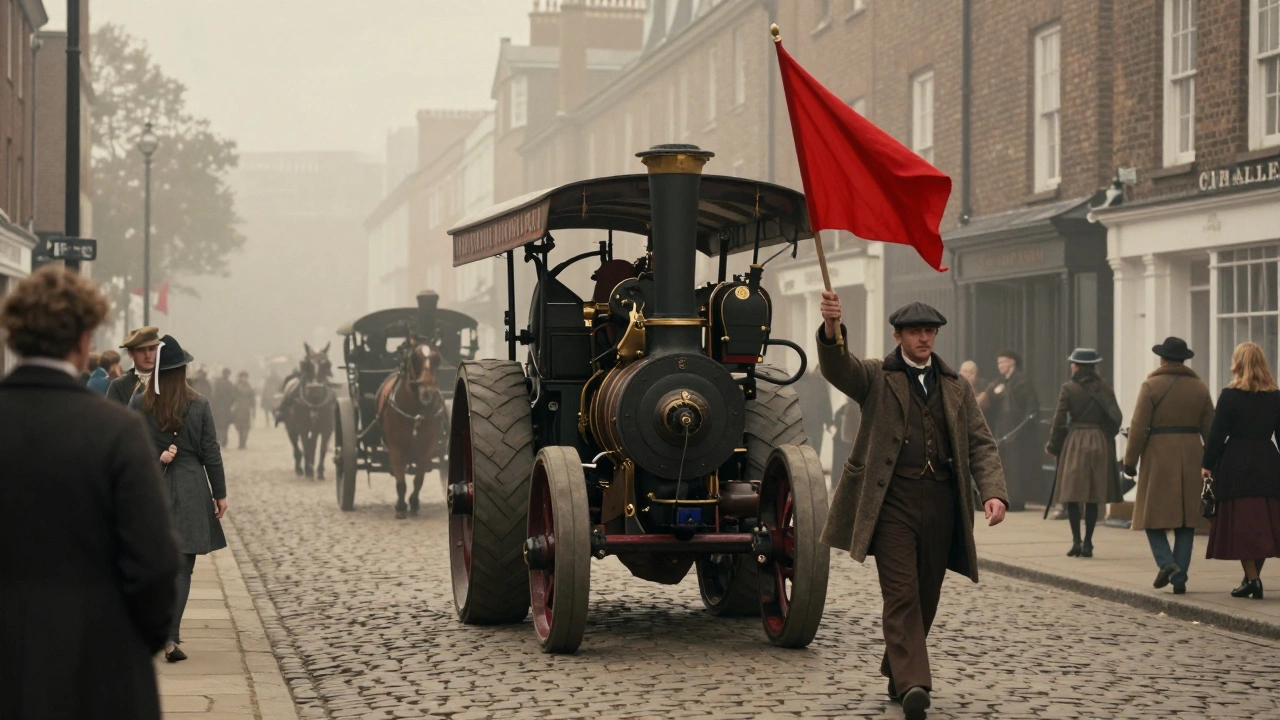
Before the internal combustion engine took over, the UK had a very different relationship with speed. The Red Flag Act is officially known as the Locomotive Act 1865, a law that required any self-propelled vehicle to be preceded by a person on foot waving a red flag. While it was originally aimed at steam-powered traction engines, it became the primary obstacle for the first petrol cars. Imagine the frustration: you have a machine capable of 20 mph, but the law forces you to move at a walking pace.
This law wasn't just about safety. It was a protective measure for the horse-drawn carriage industry. The landed gentry and the urban poor both feared the "devil machines" that frightened horses and kicked up dust. For the first few years, driving was essentially a crime unless you had the political connections to ignore the local constable. This created a culture of defiance among the first owners, who viewed the act of speeding as a rebellion against a stagnant society.
The Aristocratic Influence on Early Regulation
Who actually owned these machines? In the 1890s, a car cost as much as a small house. This meant the Aristocracy is the hereditary nobility and upper class of Great Britain who held significant political power during the Victorian and Edwardian eras were the only ones who could afford to play with this new technology. Because these drivers were often members of Parliament or close friends with the people who wrote the laws, they didn't just follow the rules-they reshaped them.
The shift from the restrictive Red Flag Act to the more liberal Locomotives on Highways Act 1896 didn't happen by accident. It was the result of intense lobbying by wealthy enthusiasts. They argued that the car was a tool for progress and a symbol of British engineering. By 1896, the speed limit was raised to 14 mph, and the red flag was finally abolished. This wasn't a victory for the common man; it was a victory for the elite who wanted to drive their toys without being hindered by peasants on foot.
The Birth of the UK Road Test
Early road testing wasn't the clinical, standardized process we see today with crash test dummies. In the late 19th and early 20th centuries, a "road test" was more like an endurance trial. The goal was to prove that a vehicle could survive a journey from London to Edinburgh without exploding or breaking a crankshaft. These tests were often sponsored by the Royal Automobile Club, which is an exclusive club founded in 1897 to provide advocacy and support for the early motoring community in Britain.
These trials were social events. Aristocratic drivers would compete to see whose car was the most "stout." They tested attributes like hill-climbing ability and fuel efficiency, but the metrics were anecdotal. If a car could make it up a specific hill in the Cotswolds without the driver having to get out and push, it was deemed a success. This culture of "gentlemanly competition" influenced how cars were designed; manufacturers prioritized reliability and power over the comfort and accessibility needed for a mass market.
| Era/Act | Speed Limit | Key Requirement | Primary Driver Class |
|---|---|---|---|
| Red Flag Act (1865) | 4 mph (Towns) | Person walking with red flag | Industrialists |
| Locomotives Act (1896) | 14 mph | Registered vehicle/license | Aristocrats/Wealthy |
| Motor Car Act (1903) | 20 mph | Driver's registration | Upper Middle Class |
Class Conflict and the 'Road Rage' of 1900
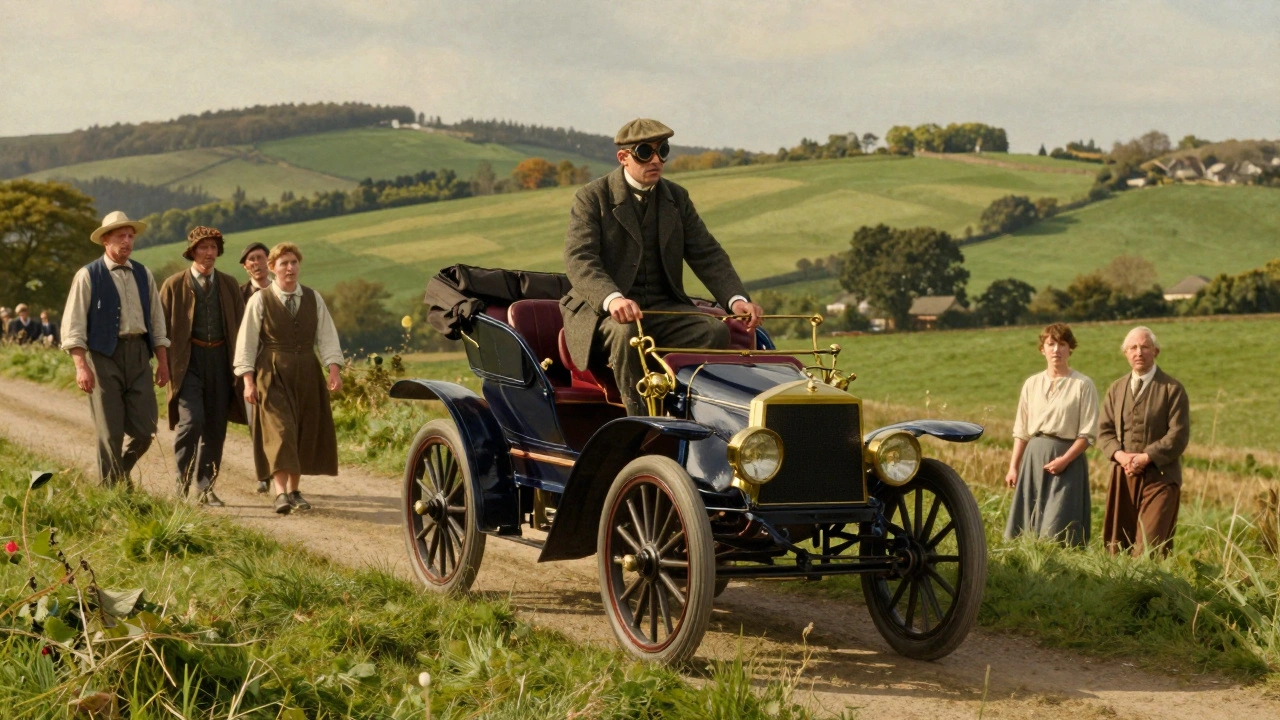
The arrival of the car didn't just change how people moved; it changed how they felt about their neighbors. The countryside was traditionally a shared space for walkers and livestock. When an aristocrat in a Panhard and Levassor or a Daimler blasted through a village at 15 mph, it was seen as an act of aggression. The noise, the smoke, and the sheer arrogance of the drivers led to a wave of rural hostility.
There are documented cases from the early 1900s where villagers would deliberately place nails or glass on the roads to puncture the tires of these expensive machines. The aristocratic drivers responded not with empathy, but by pushing for laws that gave them more rights to the road. They viewed the road as a public utility for the "productive" members of society, while the villagers saw it as a commons. This friction solidified the car's image as a symbol of wealth and exclusion for decades.
Technical Standards and the Influence of the RAC
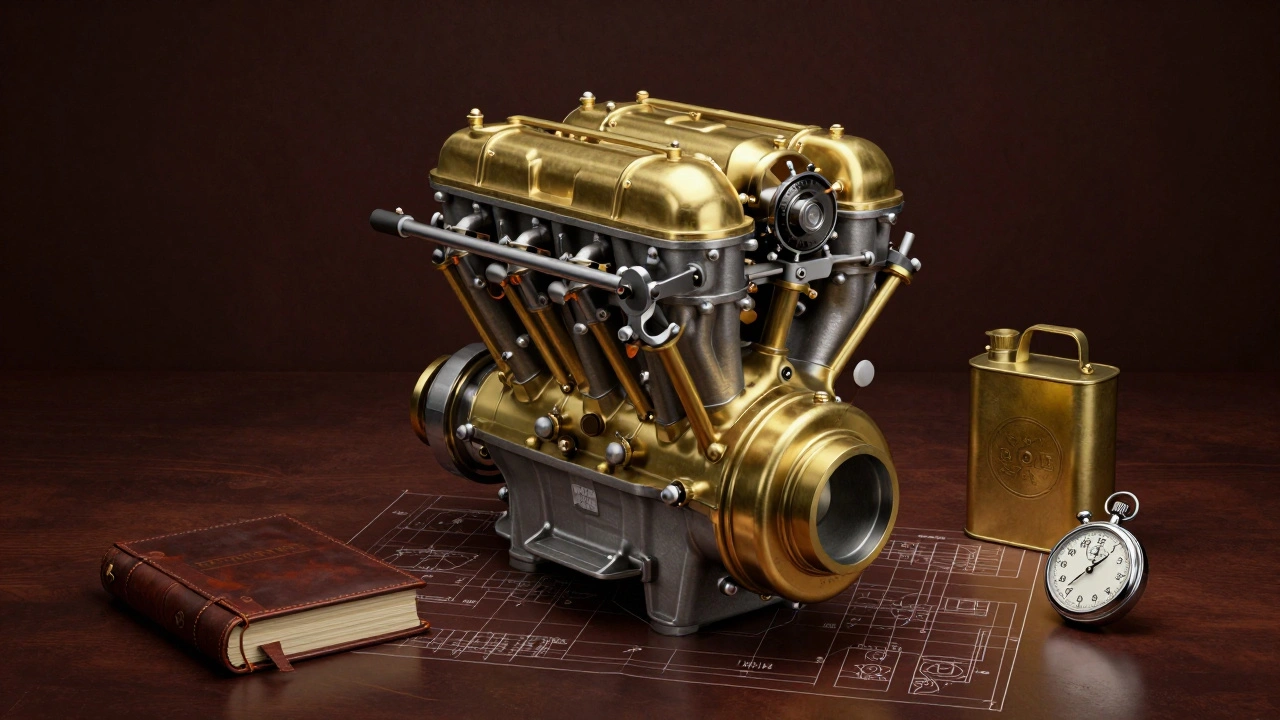
As the hobby turned into an industry, the need for actual standards grew. The Royal Automobile Club began implementing more rigorous checks. They focused on the Internal Combustion Engine, ensuring that timing and lubrication were handled correctly to prevent engine failure during long hauls. These early technical standards were essentially the ancestors of modern roadworthiness tests.
The focus was heavily on the mechanical side-whether the brakes worked (which was a generous term for the primitive drums of the time) and whether the steering was responsive. Interestingly, safety for the pedestrian was almost entirely ignored. The road tests were designed to ensure the car didn't break down, not to ensure the driver wouldn't hit a sheep or a child. This bias in testing reflects the mindset of the era: the machine was the priority, and the environment was simply a backdrop.
The Legacy of the Gentleman Driver
The influence of the early aristocratic drivers can still be felt in British motoring culture today. The obsession with the "classic car" and the prestige associated with certain brands began during this period. When we think of early 20th-century driving, we often imagine a man in a tweed cap and goggles, cruising through the countryside. That image was a carefully constructed identity of the "gentleman motorist," a persona that combined technological mastery with social superiority.
The legal framework they helped build-moving from absolute restriction to a system of licenses and registered vehicles-laid the groundwork for the modern Driver and Vehicle Licensing Agency (DVLA). By the time the first mass-produced cars hit the market, the elite had already cleared the path, removing the "red flags" and ensuring that the road was a place where speed and status could coexist.
What exactly was the Red Flag Act?
The Red Flag Act, or the Locomotive Act 1865, was a UK law that required self-propelled vehicles to be preceded by a person on foot waving a red flag. This was intended to warn pedestrians and horse-drawn carriages of the vehicle's approach, effectively limiting speeds to a walking pace (about 4 mph in urban areas).
Why did aristocrats want to change the road laws?
The wealthy elite were the only people who could afford the first automobiles. They viewed the restrictive laws as an annoyance and a barrier to the enjoyment of their expensive new toys. Using their political influence in Parliament, they lobbied to increase speed limits and remove the requirement for a flag-bearer to make driving more practical and exciting.
How were the first road tests conducted?
Early road tests were essentially endurance trials rather than safety inspections. Drivers would attempt long-distance journeys, such as from London to Scotland, to prove the car's reliability. The Royal Automobile Club often oversaw these events, focusing on mechanical durability, hill-climbing, and fuel capacity.
Who was the Royal Automobile Club (RAC)?
Founded in 1897, the RAC began as an exclusive club for the wealthy few who owned cars. It served as a lobbying group to change laws in favor of motorists and eventually became a provider of roadside assistance and technical standards for the UK automotive community.
Did the general public support the first cars?
Generally, no. Many rural villagers saw cars as dangerous, loud, and polluting machines owned by arrogant wealthy people. This led to significant social tension and occasional acts of sabotage, such as putting debris on the roads to stop the cars.
Next Steps for the History Enthusiast
If you're fascinated by the intersection of law and luxury, you might want to look into the history of the first Grand Prix races, which took the "road test" concept to its extreme limit. Alternatively, exploring the archives of the National Motor Museum in Beaulieu can provide a first-hand look at the specific vehicles, like the early Daimlers, that challenged the Red Flag laws. For those interested in legal evolution, researching the transition from the 1903 Motor Car Act to the modern Highway Code reveals how the focus shifted from machine reliability to driver behavior.