Driver Heroes of British Marques: From Bentley Boys to Modern Endurance Stars
 Nov, 3 2026
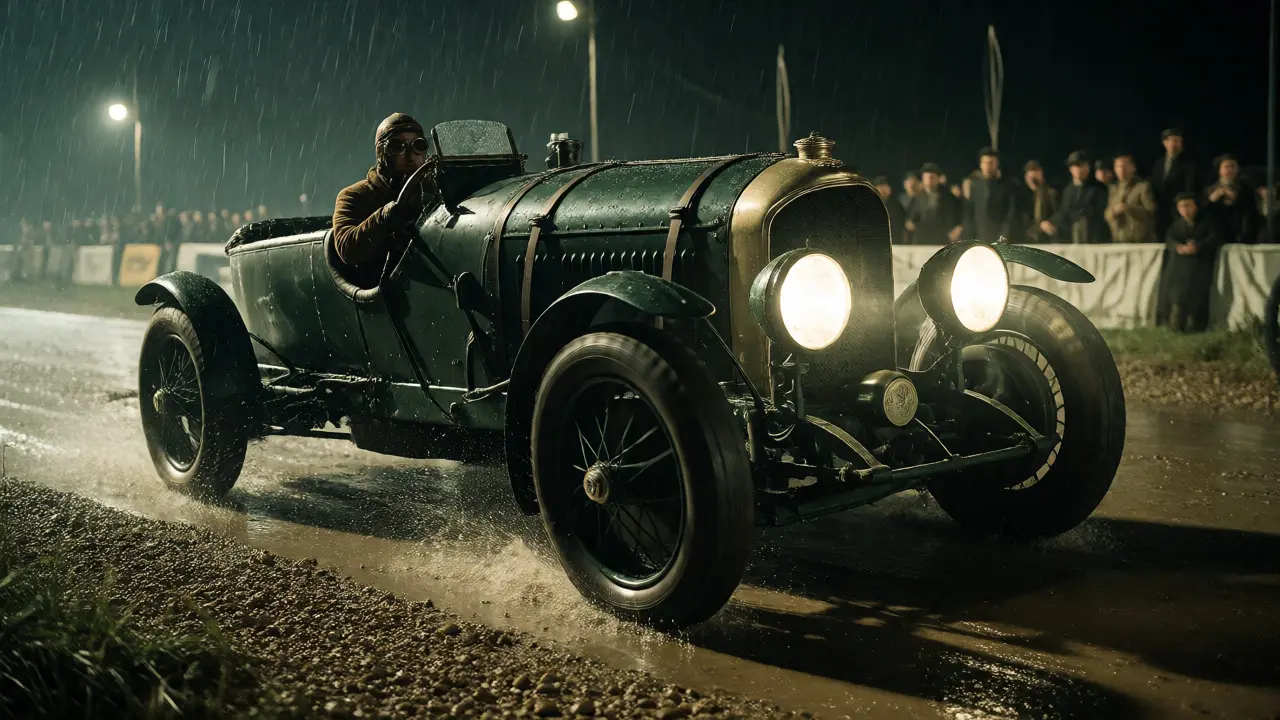
There is a specific kind of madness required to drive a four-and-a-half-ton Bentley around Le Mans in the 1920s. You aren't just steering; you're wrestling physics into submission while dodging mud, oil slicks, and your own teammates who are equally determined to win. This isn't just about speed. It's about stamina, nerve, and a willingness to look ridiculous in a tuxedo at midnight. The story of British marque success is written by these individuals-drivers who turned engineering feats into legendary status.
The Golden Age of Gentlemen Racers
Woolf Barnato is the poster child for this era. He wasn't a factory driver in the modern sense. He was an heir with deep pockets and a faster reflex than almost anyone else on the track. In 1928, he drove a Bentley Speed Six to victory at Le Mans, averaging over 75 mph-a staggering figure for the time. But Barnato’s legend grew beyond the circuit. He famously bet £100 that his Bentley could reach London before the Blue Train arrived at Calais. He made it. That stunt cemented the brand's reputation for reliability under extreme pressure.
Beside Barnato stood others like John Duff, who won the inaugural 1923 Le Mans race in a Bentley 3 Litre. Duff was a Canadian-born mechanic and driver, proving that skill mattered more than pedigree. Then there was Henry Segrave, who set land speed records in a Sunbeam, pushing the boundaries of what mechanical engineering could achieve. These men weren't just driving cars; they were validating the concept of the high-performance grand tourer. They showed that a car could be luxurious enough for a weekend in Monte Carlo yet tough enough to survive twenty-four hours of hell at Le Mans.
Their approach was raw. No telemetry, no pit crews swarming the car every hour. Drivers changed their own tires, fixed minor mechanical issues with whatever tools were in the trunk, and slept in shifts inside the cockpit if necessary. The connection between man and machine was visceral. If the engine overheated, you felt it through the steering wheel. If the brakes faded, you knew because your hands started shaking from the effort of squeezing the pedal. This era defined the soul of British sports cars: elegant, powerful, and utterly dependent on the driver's competence.
The Aston Martin Resurgence and Post-War Grit
After World War II, the landscape changed. The gentleman amateurs faded, replaced by professional teams and tighter regulations. Aston Martin entered the fray with a different philosophy. While Bentleys were heavy and luxurious, Astons aimed for agility and efficiency. The DB series became iconic, but it was the racing variants that built the brand's credibility.
Stirling Moss, arguably Britain's greatest ever racing driver, had a complex relationship with Aston Martin. He drove for them in the 1950s, including at Le Mans. Moss was known for his incredible car control and ability to extract performance from machinery that wasn't always the fastest. His partnership with Dennis Jenkinson, a journalist and co-driver, highlighted the importance of teamwork in endurance racing. Moss didn't just drive; he communicated, strategized, and adapted. He proved that British drivers could compete against the might of Ferrari and Mercedes-Benz on equal footing.
Another key figure was Roy Salvadori. A former motorcycle champion, Salvadori brought a fearless aggression to his driving style. He won Le Mans in 1959 alongside Carroll Shelby, driving an Aston Martin DBR1. This victory was significant because it broke Ferrari's dominance. It showed that British engineering, combined with daring driving, could topple the established order. Salvadori’s career spanned decades, transitioning from motorcycles to Formula One and then to endurance racing, showcasing the versatility required of British drivers during this transitional period.
Jaguar’s Legacy and the XJ13 Myth
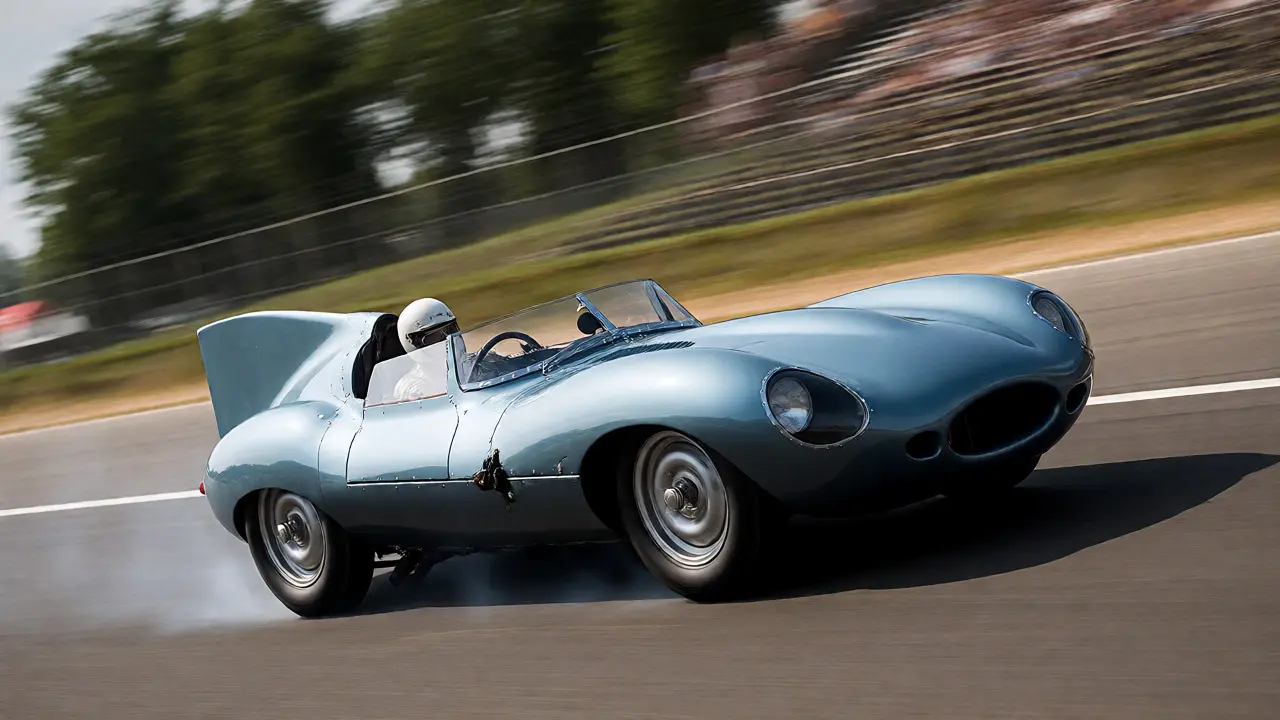
No discussion of British motorsport is complete without Jaguar. Under Sir William Lyons, Jaguar produced cars that were beautiful and fast. The C-Type and D-Type dominated Le Mans in the early 1950s. Peter Whitehead and Peter Walker won the 1951 race in a C-Type, marking Jaguar's first major international victory. Walker, a seasoned pre-war driver, brought experience and calmness to the chaotic environment of post-war racing.
Ninian Sanderson, a Scottish driver, also played a crucial role. He helped develop the D-Type, working closely with engineers to refine its aerodynamics and handling. Sanderson’s input ensured that the car was not just fast in a straight line but stable at high speeds. The D-Type’s distinctive fin wasn't just aesthetic; it was a functional aid for stability, developed through rigorous testing by drivers like Sanderson and Mike Hawthorn.
Hawthorn, who later became Formula One World Champion, drove for Jaguar and demonstrated exceptional consistency. His ability to manage tire wear and fuel consumption was ahead of its time. He understood that winning endurance races wasn't about setting the fastest lap but maintaining a competitive pace without breaking the car. This mindset influenced generations of British drivers who followed.
The Modern Era: GT Racing and Global Success
As we move into the late 20th and early 21st centuries, the nature of British motorsport heroes evolved. The focus shifted from individual glory to team dynamics and technological sophistication. Brands like McLaren, Lotus, and later, Aston Martin again, competed in various categories, from Formula One to GT racing.
In the world of GT endurance racing, drivers like Darren Turner and Tom Ferrier became household names among enthusiasts. Turner, associated with Aston Martin Racing, has been a cornerstone of their factory efforts since the early 2000s. His longevity is remarkable. Driving the Vantage GT3 and GT4 models, Turner has secured numerous class victories and podium finishes. His technique emphasizes smooth inputs and precise braking points, allowing him to preserve equipment over long stints.
Tom Ferrier, another veteran, transitioned from touring cars to endurance racing, bringing a wealth of experience to the cockpit. His ability to adapt to different car characteristics-from front-wheel-drive hatchbacks to rear-engine supercars-highlights the diverse skill set required of modern professional drivers. These drivers operate in a highly regulated environment where data analysis plays a huge role. Every corner is analyzed, every gear shift optimized. Yet, the core challenge remains: executing perfectly under fatigue.
| Era | Primary Marque | Key Driver Traits | Racing Focus |
|---|---|---|---|
| 1920s-1930s | Bentley | Amateur Wealth, Brute Force Stamina | Le Mans Dominance |
| 1950s | Aston Martin, Jaguar | Technical Skill, Consistency | International Circuits |
| 2000s-Present | Aston Martin, McLaren | Data Analysis, Multi-Car Proficiency | GT3/GT4 Global Series |
Why British Drivers Excel in Endurance Events
There is a cultural element to why British drivers often thrive in endurance racing. The UK has a dense network of circuits, from Silverstone to Brands Hatch, providing ample opportunities for young talent to hone their skills. Unlike countries where racing is limited to weekends, British drivers often grow up karting in rain and wind, developing a nuanced understanding of grip levels in adverse conditions.
Moreover, the British automotive industry has historically prioritized driver engagement. Cars like the Mini Cooper, Triumph TR6, and Lotus Elise are designed to communicate directly with the driver. This feedback loop trains drivers to feel subtle changes in balance and traction. When they move up to prototype or GT cars, this sensitivity gives them an edge. They can detect a slight loss of pressure in a tire or a change in road surface texture before the telemetry alerts them.
Modern endurance stars like Ben Barker and Nick Tandy continue this tradition. Tandy, though German-born, spent much of his formative years in the British racing system and drives extensively for Porsche GT teams, often representing British-backed entries. Barker, a British native, has achieved significant success in LMP2 and GT classes, demonstrating the enduring appeal of British training methods. These drivers combine technical precision with aggressive overtaking maneuvers, a hallmark of British racing culture.
The Role of Engineering Partnerships
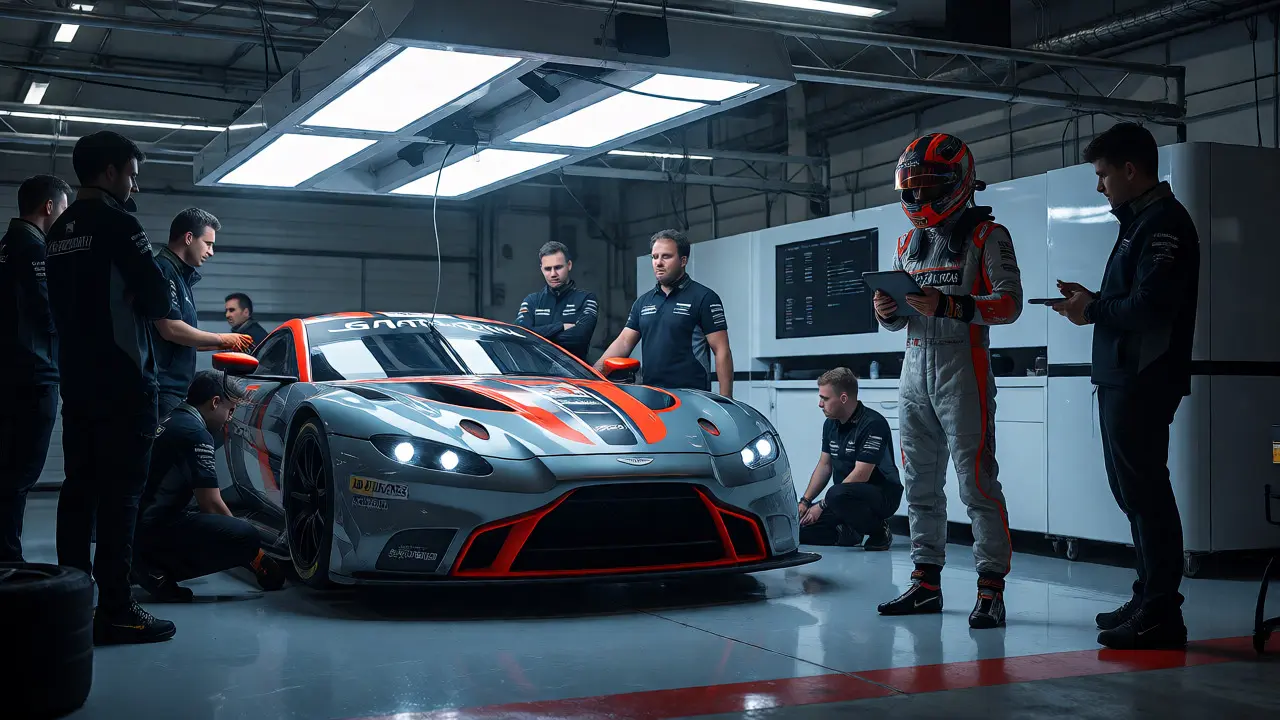
Success doesn't happen in a vacuum. The relationship between driver and engineer is critical. In the Bentley Boys era, the driver was often the test mule. Today, the collaboration is more structured. Engineers use simulation software to predict car behavior, but drivers provide the human context. They tell engineers how the car feels under braking, whether the steering is too heavy, or if the throttle response is laggy.
For brands like Aston Martin, this feedback is vital. The Vantage GT3, for instance, has undergone multiple iterations based on driver input. Teams work closely with manufacturers to tailor setups for specific tracks. At Le Mans, aerodynamic efficiency is paramount. Drivers must trust their engineers' calculations regarding drag reduction versus downforce. If the car is too slow on the straights, it loses time; if it lacks grip in corners, it crashes. Finding that balance requires mutual respect and clear communication.
This synergy extends to other British marques like McLaren. Although primarily known for Formula One, McLaren’s customer racing programs rely heavily on driver feedback to refine their GT4 and GT3 offerings. Young drivers entering the sport today benefit from advanced simulators that replicate real-world conditions, allowing them to practice thousands of laps before ever touching a physical car. This technological advantage complements the traditional emphasis on raw talent and courage.
Legacy and Future Prospects
The legacy of these driver heroes influences current marketing and brand identity. When you buy a new Bentley or Aston Martin, you're buying into a history of racing excellence. Manufacturers leverage this heritage in advertising, showcasing archival footage of Barnato or Moss alongside modern models. It creates an emotional connection with buyers who value performance and prestige.
Looking ahead, the rise of electric vehicles poses new challenges. How will future "Bentley Boys" adapt to silent, instant-torque machines? The fundamentals remain: managing energy consumption, optimizing braking zones, and maintaining focus over long distances. However, the sensory experience changes. Without engine noise, drivers must rely more on visual cues and tire feedback. British drivers, accustomed to adapting to changing conditions, are well-positioned to lead this transition.
We are already seeing hints of this shift. Hybrid powertrains in endurance racing require drivers to manage battery usage strategically. It’s a mental game as much as a physical one. The next generation of British racing stars will need to be part engineer, part athlete, and part strategist. They will carry forward the spirit of those early pioneers who dared to push metal to its limits, ensuring that the name on the doorplate continues to command respect on tracks worldwide.
Who were the original Bentley Boys?
The Bentley Boys were a group of wealthy amateur drivers and professionals who raced Bentley cars in the 1920s and early 1930s. Key members included Woolf Barnato, Bernard Rubin, and John Duff. They were known for their lavish lifestyles and their ability to win major races, particularly at Le Mans, using large, powerful, and reliable Bentley vehicles.
Did Stirling Moss win Le Mans with Aston Martin?
No, Stirling Moss did not win the overall Le Mans race with Aston Martin. He drove for Aston Martin in the 1950s and achieved several podium finishes and class wins, but his overall Le Mans victory came in 1955 with Mercedes-Benz. However, his contributions to Aston Martin's racing reputation were significant during that era.
What makes British drivers successful in endurance racing?
British drivers often excel due to a combination of factors: extensive access to varied circuits (including wet weather tracks), a strong karting foundation, and a cultural emphasis on car control and mechanical sympathy. Additionally, the UK's rich history of producing lightweight, agile sports cars trains drivers to understand vehicle dynamics intuitively.
Which Jaguar model dominated Le Mans in the 1950s?
The Jaguar D-Type dominated Le Mans in the mid-1950s, winning the race three consecutive times from 1955 to 1957. Before that, the Jaguar C-Type won in 1951 and 1953. These cars were renowned for their disc brakes and aerodynamic designs, which gave them a significant advantage over competitors.
Are there modern equivalents to the Bentley Boys?
While the term "Bentley Boys" refers specifically to the 1920s era, modern professional GT drivers like Darren Turner and Tom Ferrier embody a similar spirit of dedication and brand loyalty. However, today's drivers are full-time professionals rather than wealthy amateurs, operating within highly structured team environments with advanced technology.