Dealer and Warranty Fallout: How Quality Issues Affected British Leyland Customers
 Sep, 26 2026
Imagine buying a brand-new car in 1975. You’ve saved for years. The salesman hands you the keys to a gleaming British Leyland model, perhaps an Austin Allegro or a Morris Marina. You drive off the lot feeling proud. Three months later, your engine is smoking, your electrics are dead, and your local dealer has no parts. This wasn’t just bad luck; it was a systemic collapse that defined an era of British motoring.
The story of British Leyland (BL) isn’t just about corporate mismanagement or union strikes. It’s about the people on the other side of the counter-the customers who trusted the badge and got burned. When quality control failed, the fallout hit dealerships and warranty departments hardest. If you’re interested in how poor manufacturing ripples through a sales network, this breakdown shows exactly where things went wrong for BL owners.
The Perfect Storm: Why Quality Collapsed
To understand the customer pain, you have to look at the factory floor. In the early 1970s, British Leyland was a massive conglomerate formed by merging struggling companies like BMC and Jaguar. The goal was synergy. The reality was chaos. They tried to build everything from small economy cars to luxury Jaguars under one roof, often using outdated machinery and inconsistent labor practices.
The result? Vehicles that left the assembly line with defects that should have been caught instantly. We’re talking about body panels that didn’t align, rust-prone chassis, and electrical systems that shorted out in the rain. For the average buyer, this meant that "new" didn't mean "reliable." It meant you were becoming a beta tester for unfinished engineering.
| Component Failure | Typical Symptom | Customer Experience |
|---|---|---|
| Rust & Corrosion | Holes in sills, rotting subframes | Safety concerns, rapid depreciation |
| Electrical Systems | Fuse blowouts, starter motor failure | Stranded vehicles, expensive diagnostics |
| Engine Reliability | Head gasket failures, oil leaks | Towing costs, weeks without transport |
| Build Quality | Misaligned doors, rattling interiors | Perceived cheapness, resale value drop |
The Dealer Dilemma: A Network Under Siege
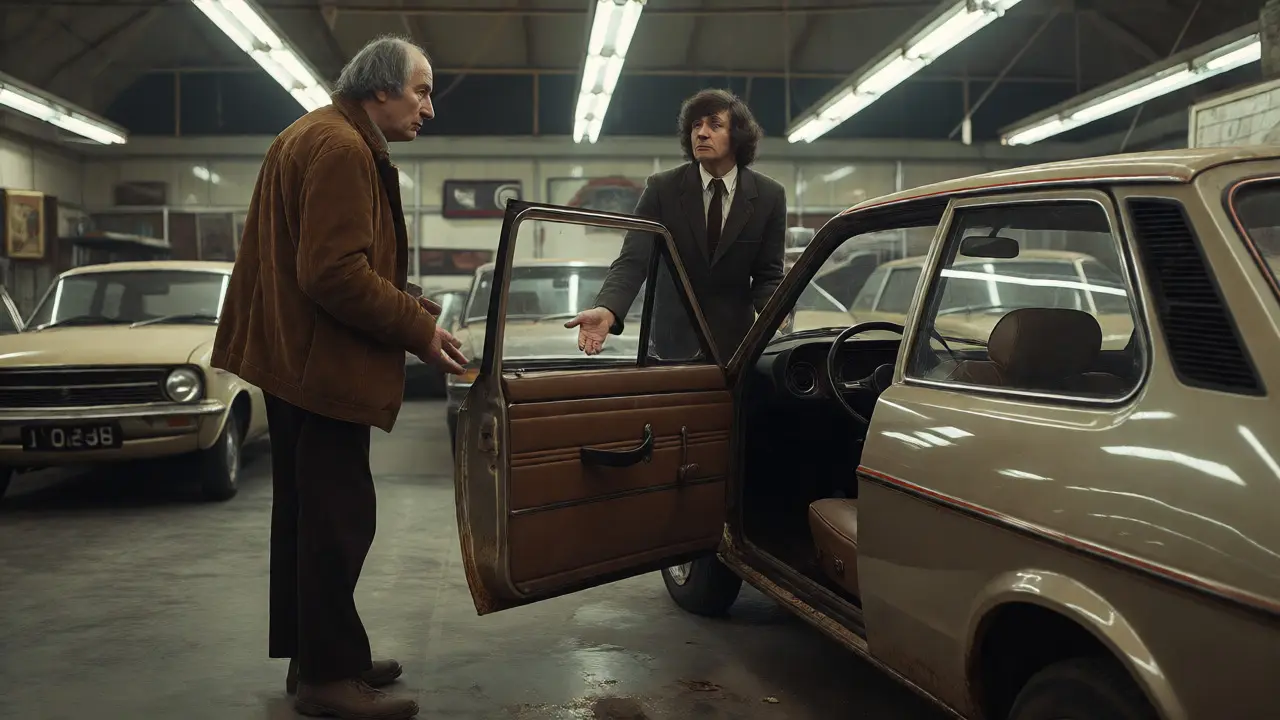
Dealers are the face of any car company. For British Leyland franchises, being the face of a crisis was brutal. Independent dealerships, many family-owned, found themselves stuck between angry customers and a manufacturer that couldn’t keep its promises.
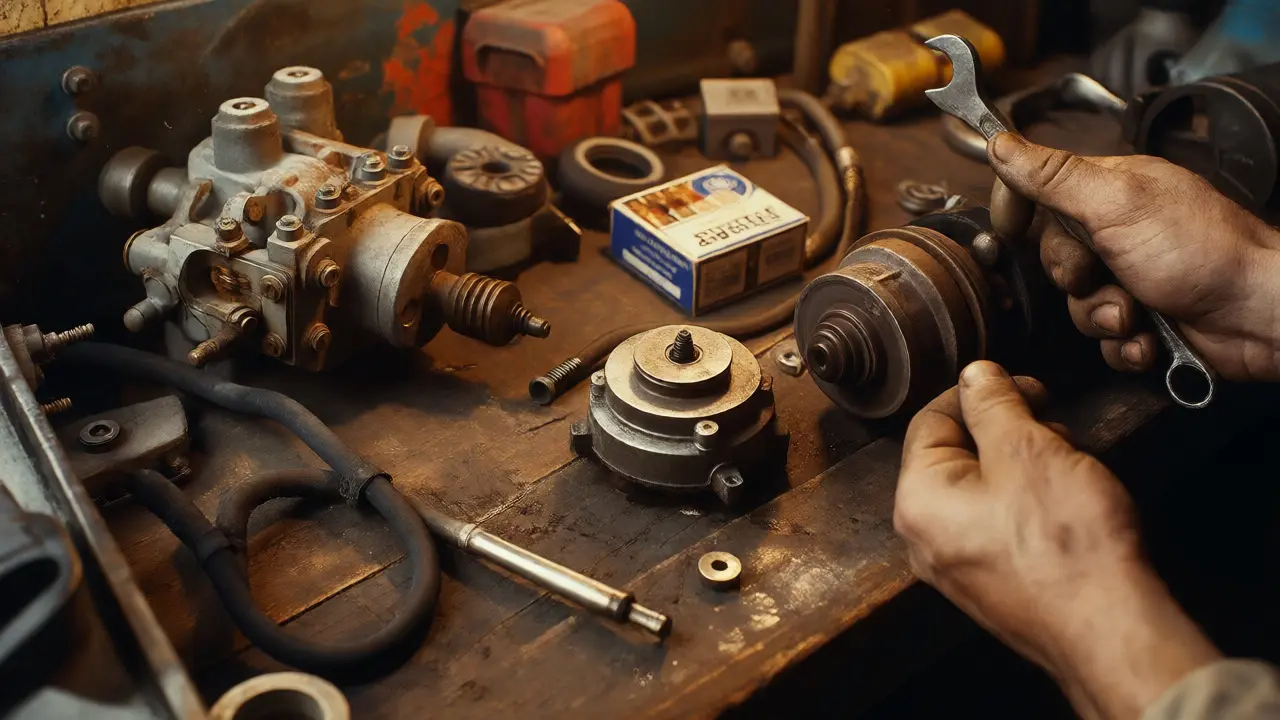
Here’s the trap they fell into: To sell cars, dealers had to stock them. But because BL quality was so poor, inventory turned over slowly. Cars sat on lots, gathering dust and developing issues before they were even sold. Worse, when a customer brought a car back for a repair, the dealer often didn’t have the part. BL’s supply chain was fragmented. A part for an Austin might be sourced from one plant, while a similar bracket for a Morris came from another, with different specs.
Dealers became apologists rather than sellers. Sales staff spent hours explaining why a new car needed three visits to fix before delivery. This eroded trust. Why buy a new BL when a used German import might actually start every morning? Dealers saw their margins shrink as they absorbed costs for courtesy cars and labor that BL refused to reimburse promptly.
Warranty Woes: The Paper Trail of Frustration
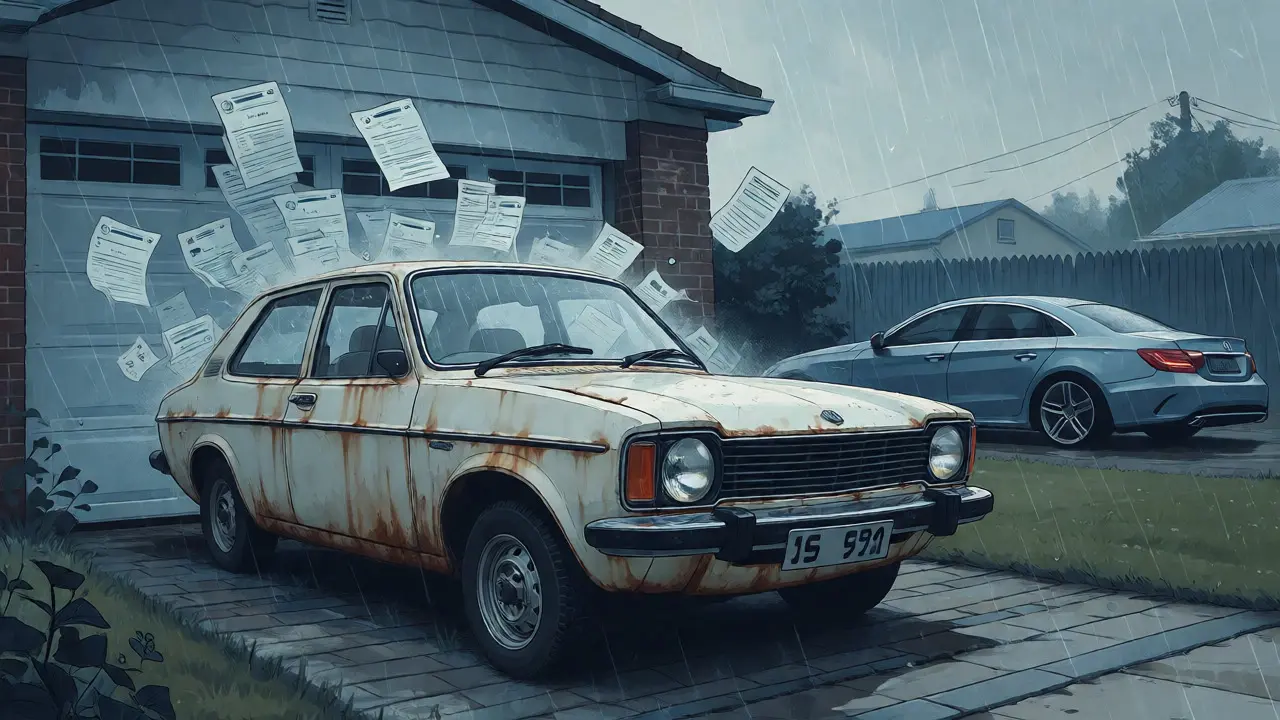
A warranty is supposed to be peace of mind. For British Leyland owners, it often became a source of stress. The process was bureaucratic and slow. Unlike modern manufacturers with centralized digital tracking, BL relied on paper forms and regional offices that communicated poorly.
Consider the typical scenario: Your Austin Allegro’s gearbox fails. You take it to the dealer. They order the part. Two weeks pass. No part. You call. They say it’s on order. Another two weeks. The part arrives, but it’s the wrong specification because the cataloging system was outdated. Meanwhile, you’re without a car during your commute season.
Customers reported that warranty claims were often denied on technicalities. Was the leak caused by a seal defect or user error? With ambiguous quality standards, dealers had little leverage to fight for the customer. The manufacturer prioritized cost-cutting over goodwill. This led to a culture of cynicism. Owners learned to expect failure and started keeping spare fuses and spark plugs in their gloveboxes-not as enthusiasts, but as survivors.
The Ripple Effect on Resale Value
Quality issues don’t just hurt the first owner; they destroy the market for everyone. As news spread about BL’s unreliability, second-hand prices plummeted. A three-year-old Ford Escort might hold its value reasonably well. A three-year-old BL product? It was often worth half as much.
This created a vicious cycle. Low resale values made new cars harder to sell, putting more pressure on dealers to offer discounts. Those discounts ate into the funds available for marketing and service improvements. Buyers looking for a bargain picked up BL cars, only to discover the hidden costs of maintenance. The "cheap" car wasn’t cheap if you had to replace the exhaust system twice a year.
Insurance companies took note too. Premiums for certain BL models rose because of high claim rates for mechanical breakdowns. Suddenly, owning a British car wasn’t just a patriotic choice; it was a financial gamble.
Lessons from the Ashes: What Modern Brands Learned
You might think this is ancient history, but the British Leyland collapse is a case study taught in business schools today. It shows that marketing cannot outrun product reality. No amount of advertising can save a brand if the core product fails consistently.
Modern manufacturers learned hard lessons from BL’s mistakes:
- Standardization: Platforms like Volkswagen’s MQB allow parts sharing across brands, simplifying logistics and improving consistency.
- Dealer Support: Today’s networks use real-time inventory tracking. If a part is missing, the system alerts the regional hub immediately.
- Extended Warranties: Brands now offer comprehensive coverage to rebuild trust after periods of lower reliability scores.
When Nissan bought out some BL assets, or when BMW acquired Rover, they weren’t just buying factories. They were buying the chance to reset expectations. They knew that fixing the reputation required more than just better engines-it required a seamless customer experience from showroom to service bay.
FAQ: Understanding the British Leyland Legacy
Why did British Leyland have such poor quality control?
British Leyland struggled due to a combination of outdated manufacturing facilities, inconsistent labor relations, and a lack of unified management across its many subsidiary brands. They attempted to merge diverse companies with different engineering cultures, leading to fragmented production standards and insufficient investment in modern automation compared to Japanese competitors.
How did warranty issues affect British Leyland dealers?
Dealers faced significant financial strain because they often had to absorb the costs of repairs and provide courtesy vehicles while waiting for delayed parts. The complex bureaucracy of BL’s warranty processing meant reimbursement was slow, hurting cash flow. Additionally, dealers lost sales opportunities as they spent excessive time managing complaints rather than selling new units.
Did all British Leyland cars have reliability problems?
Not all models suffered equally. While mass-market cars like the Austin Allegro and Morris Marina were notorious for issues, higher-end models like the Jaguar XJ series maintained a strong reputation for performance and prestige, though they still faced some electrical gremlins. However, the negative perception of the parent company tainted the entire portfolio.
What happened to the British Leyland dealer network?
As the company restructured into Rover Group and eventually dissolved, many independent dealerships closed or switched franchises to more reliable brands like Ford, Vauxhall, or imported Japanese cars. The consolidation of the UK auto industry reduced the number of standalone BL franchises, integrating surviving operations into larger dealer groups.
Is there a collector market for these problematic cars?
Yes, surprisingly. Nostalgia has driven interest in classic British Leyland vehicles. Enthusiasts appreciate the character and historical significance of models like the Mini Cooper or Land Rover Defender. However, collectors must budget heavily for restoration and maintenance, acknowledging the original quality flaws as part of the ownership challenge.
Final Thoughts: Trust Is Hard to Earn, Easy to Lose
The British Leyland saga serves as a stark reminder that a car is more than metal and rubber. It’s a promise kept. When that promise breaks-when the warranty claim drags on, when the dealer shrugs, when the rust sets in-the relationship dies. For decades, British buyers associated their national industry with frustration. Rebuilding that trust took generations, mergers, and foreign ownership.
If you’re ever tempted to buy a vintage BL car, go in with eyes open. Respect the engineering quirks. Keep a good mechanic on speed dial. And remember the thousands of drivers in the 1970s who learned the hard way that a low sticker price doesn’t equal low cost of ownership. Their struggle paved the way for the rigorous quality standards we enjoy today.