David Bache and Rover Design: The P6 and Range Rover’s Lasting British Style
 Oct, 1 2026
Look at a modern Land Rover Defender or a classic Range Rover from the 1970s. Notice how they don't shout for attention with aggressive angles or flashy lights. They just sit there, solid and confident. That quiet confidence isn't an accident. It is the direct result of David Bache, the man who defined British understated elegance in automotive design during the late 20th century. While Italian designers were adding curves to everything and American designers were adding chrome, Bache stripped things down. He proved that simplicity could be more powerful than complexity.
You might wonder why his name doesn't ring as loud as Pininfarina or Giugiaro. That's because Bache wasn't trying to make art. He was solving problems. He worked for Rover Group when it was a mix of luxury cars and rugged utility vehicles. His job was to make these disparate brands look like they belonged to the same family without losing their individual souls. The result? Two icons: the Rover P6 and the original Range Rover. These aren't just cars; they are lessons in restraint.
The Philosophy of Less Is More
Bache didn't start with a sketchpad full of wild ideas. He started with a rulebook he wrote for himself. If you look closely at his work, you'll see straight lines, flat surfaces, and minimal ornamentation. This wasn't laziness. It was discipline. In the 1960s, car design was getting messy. Cars had fins, heavy bumpers, and confusing shapes. Bache looked at this clutter and said, "No." He believed that a car should look good even if you removed all the badges and trim pieces.
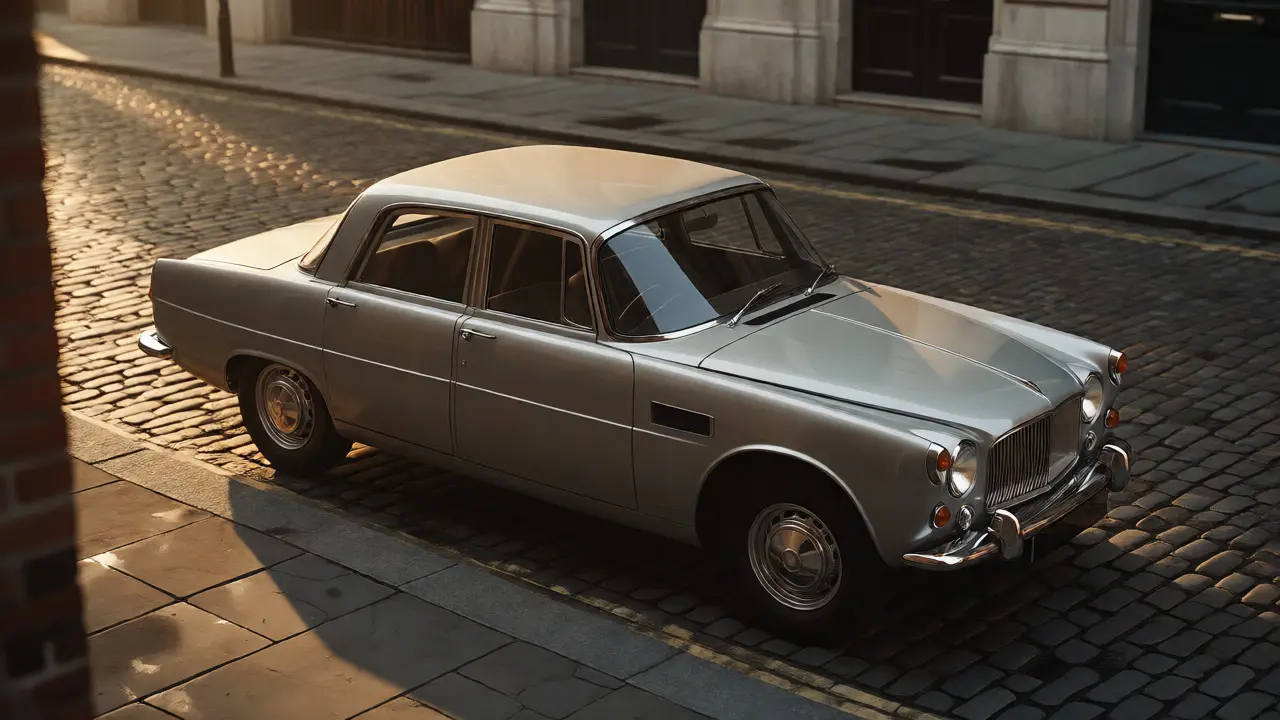
Think about the Rover P6. Launched in 1963, it won European Car of the Year in 1964. Why? Because it looked calm. While competitors were trying to look fast while standing still, the P6 looked efficient. Its greenhouse (the glass area) was large but framed by thin pillars. The body sides were flat. There were no unnecessary creases. This approach made the car look larger and more substantial than its dimensions suggested. It was a masterclass in visual weight management.
This philosophy extended beyond aesthetics. Simple shapes are easier to manufacture. Fewer parts mean fewer potential rust spots. For a company like Rover, which often struggled with quality control, Bache's designs were a practical necessity. He designed for the factory floor as much as for the showroom. This blend of beauty and pragmatism is what makes his legacy so durable today.
The Rover P6: A Sedan That Changed Everything
Before the P6, Rover was seen as a maker of conservative, slightly boring saloons. The P6 changed that perception overnight. It wasn't just a new model; it was a statement of intent. The design team, led by Bache, wanted to create a car that felt modern but not trendy. Trends fade. Modernity lasts.
Let's break down what made the P6 special from a design perspective:
- Proportion: The cabin was pushed forward, creating a short front overhang. This gave the car a balanced, athletic stance despite being a four-door sedan.
- Surface Treatment: The doors were flush with the bodywork. No protruding handles. No dripping water channels. Just clean steel.
- Lighting: Headlights were integrated smoothly into the grille area, avoiding the bulky bezels common at the time.
These details seem small now, but in 1963, they were revolutionary. The P6 showed that a British car could compete with German precision and Italian flair by doing neither. It did something uniquely British: it prioritized dignity. When you drive a P6 today, you don't feel like you're driving a museum piece. You feel like you're driving a well-tailored suit. It fits perfectly, and it never goes out of style.
Bringing Simplicity to the Off-Road
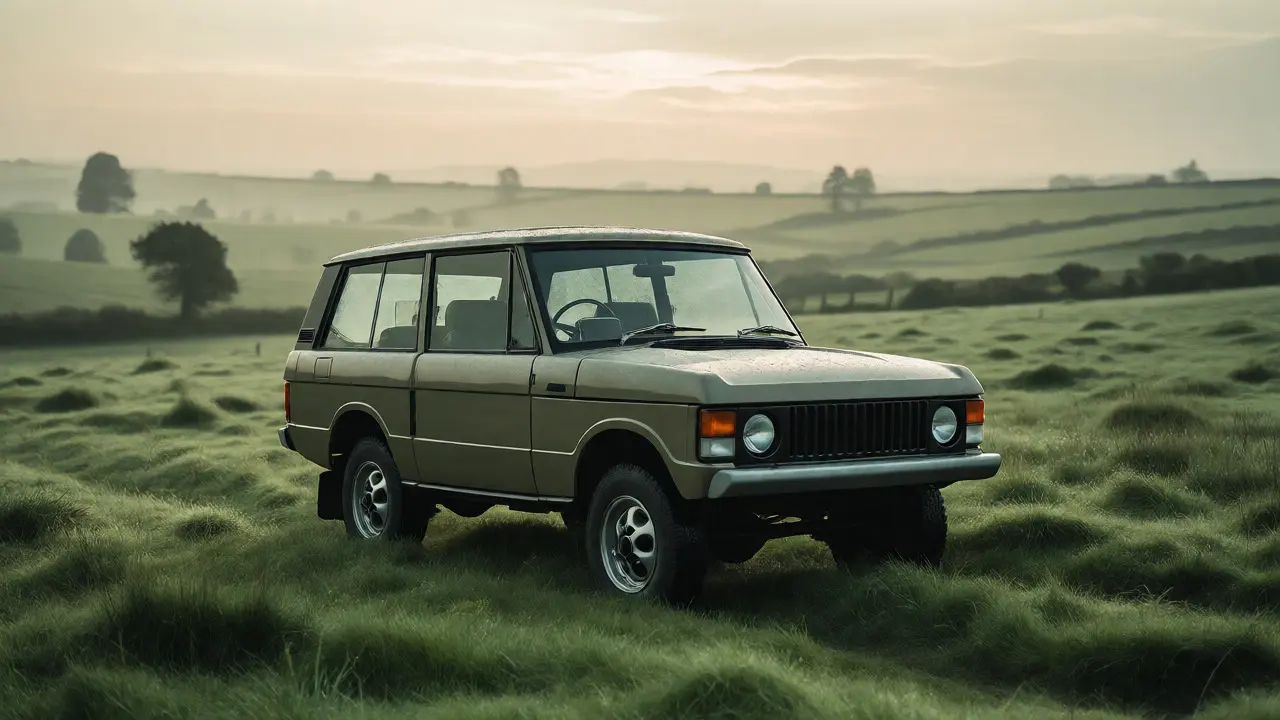
If the P6 was a lesson in urban sophistication, the Range Rover was a lesson in functional purity. Launched in 1970, it faced a different challenge. How do you make a rugged off-roader look elegant? Most 4x4s of the era looked like military trucks dressed up for Sunday service. They were boxy, rough, and utilitarian.
Bache applied the same principles of reduction to the Range Rover. He kept the boxy shape because it was necessary for interior space and off-road visibility. But he softened the edges. The roofline was slightly curved. The windows were larger. The grille was simple and horizontal. He removed the excess bulk that usually accompanied off-road vehicles. The result was a vehicle that could go to a country club dinner and then tackle a muddy field without looking out of place in either setting.
This dual-purpose appeal was genius. It opened up a new market segment: the luxury SUV. Before the Range Rover, people bought Jeeps for function and Mercedes sedans for status. The Range Rover combined them. And it did so without resorting to gimmicks. No fake vents. No plastic cladding where it wasn't needed. Just pure, honest form following function.
Comparing Design Eras: Then vs. Now
To truly appreciate Bache's impact, compare his work to what came before and after. The table below illustrates how his minimalist approach differed from contemporaries and successors.
| Feature | Pre-Bache Rover (e.g., P5) | David Bache Era (P6/RR) | Late 1980s Trend (e.g., BMW E34) |
|---|---|---|---|
| Body Lines | Curved, ornate fenders | Flat, straight planes | Aerodynamic curves, complex surfacing |
| Ornamentation | Heavy chrome trim | Minimal chrome, black accents | Integrated moldings, body-colored trim |
| Visual Weight | Heavy, grounded | Light, airy | Sporty, low-slung |
| Primary Goal | Traditional luxury | Modern efficiency | Performance image |
Notice how the Bache era sits in the middle. It rejected the heaviness of the past but avoided the excessive aerodynamics of the future. It found a sweet spot of clarity. Today, many premium brands are trying to return to this clarity. Look at recent Volvo or Genesis designs. They are using flat surfaces and simple lines. They are chasing the ghost of David Bache.
Why Restraint Matters in Modern Car Design
We live in an age of visual noise. Cars today have LED light signatures, aggressive scoops, and complicated character lines that change depending on the lighting. It can be exhausting to look at. Bache's work reminds us that the eye needs rest. A clean surface allows the brain to process the object quickly. You understand what a P6 is instantly. You know it's a sedan. You know it's expensive. You don't need a manual to decode its appearance.
This clarity translates to resale value and collector interest. Complex designs date quickly. Remember the 1990s? Those bubbly, rounded cars look dated now. But a 1970 Range Rover looks timeless. Why? Because basic geometry-rectangles, circles, straight lines-doesn't have a trend cycle. It is fundamental. Bache understood this. He designed for permanence, not for next month's magazine cover.
For students and young designers, this is the key takeaway. Don't add features to hide mistakes. Add features only if they solve a problem. If a line doesn't serve a purpose, delete it. If a curve doesn't improve airflow or comfort, flatten it. Let the material speak. Let the proportion do the talking.
Legacy Beyond the Rover Group
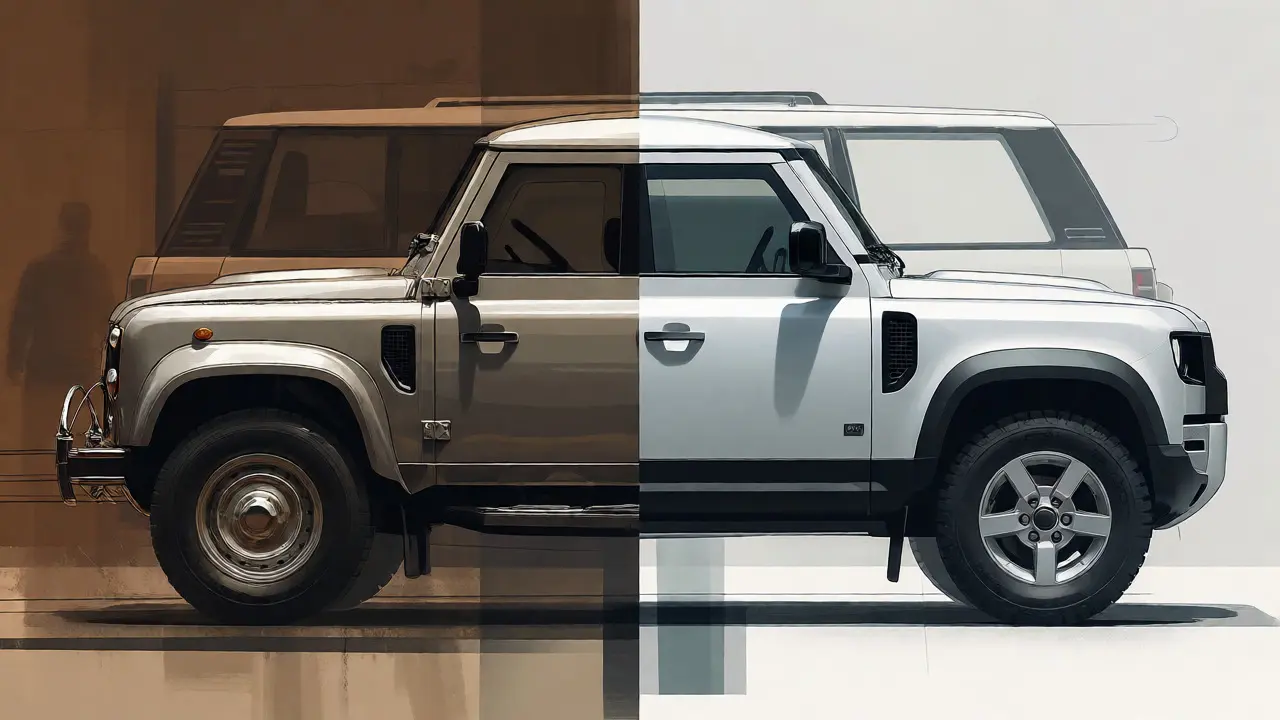
When BMW took over Rover in the 1990s, they tried to keep some of this DNA. The BMW X5, for instance, has echoes of the Range Rover's upright stance. Even today, under Tata Motors' ownership, Land Rover retains elements of Bache's philosophy. The new Range Rover Sport is sleeker, yes, but it still relies on strong, simple shoulders and a floating roof effect that traces back to those early sketches.
But the influence goes beyond one brand. The idea that a car can be both rugged and refined influenced every major SUV launch since 1970. From the Toyota Land Cruiser Prado to the Mercedes G-Class facelifts, everyone wants that "Bache balance." They want the capability of a truck with the presence of a limousine.
It's also worth noting the human element. Bache wasn't working in isolation. He collaborated with engineers who developed the hydropneumatic suspension for the P6. He worked with marketers who wanted to sell a dream of rural English life. His success came from listening to all stakeholders and finding the simplest solution that satisfied everyone. That's a soft skill we often overlook in design history.
Practical Takeaways for Enthusiasts
If you're looking to buy a classic Rover or simply appreciate design, here is what to look for:
- Check the Panel Gaps: On a well-restored P6 or Range Rover, gaps should be consistent. Bache's designs relied on tight tolerances to look sharp.
- Inspect the Glass: Large, clear glass areas are a signature. Ensure seals are intact to maintain the "clean" look.
- Evaluate the Paint: Flat surfaces show imperfections easily. A high-quality paint job is essential to honor the design intent.
- Keep Trim Original: Resist the urge to add aftermarket chrome or spoilers. Bache designed these cars to stand alone.
Owning one of these cars is a commitment to simplicity. It asks you to slow down and appreciate the details you might otherwise miss. It challenges you to find beauty in plainness. And honestly, in our chaotic world, that feels like a pretty good deal.
Who was David Bache?
David Bache was a prominent British automotive designer who served as the chief stylist for the Rover Group. He is best known for designing the Rover P6 and the original Range Rover, defining a minimalist and elegant aesthetic that emphasized functionality and understated luxury.
Why is the Rover P6 considered a design milestone?
The Rover P6 broke away from traditional British conservatism by introducing clean lines, flush door handles, and a balanced proportion. It won European Car of the Year in 1964, proving that British cars could be modern and competitive without relying on excessive ornamentation.
How did David Bache influence the Range Rover's design?
Bache applied principles of simplicity to a utilitarian vehicle. He maintained the boxy shape required for off-road performance but smoothed edges, increased window areas, and minimized trim. This created a vehicle that was equally at home in urban settings and rough terrain, establishing the luxury SUV category.
What are the key characteristics of Bache's design philosophy?
His philosophy centered on "less is more." He favored flat surfaces, straight lines, and minimal decoration. He believed that a car's form should clearly communicate its function and that simplicity leads to timelessness rather than fleeting trends.
Is David Bache's style still relevant today?
Yes, many modern luxury vehicles adopt similar minimalist cues, such as flush handles and clean surfacing. The current trend towards digital interfaces and simplified exteriors reflects Bache's belief that clarity and restraint are more appealing than visual clutter.