Data and Simulation: How Modern British Teams Leverage Technology
 Nov, 22 2026
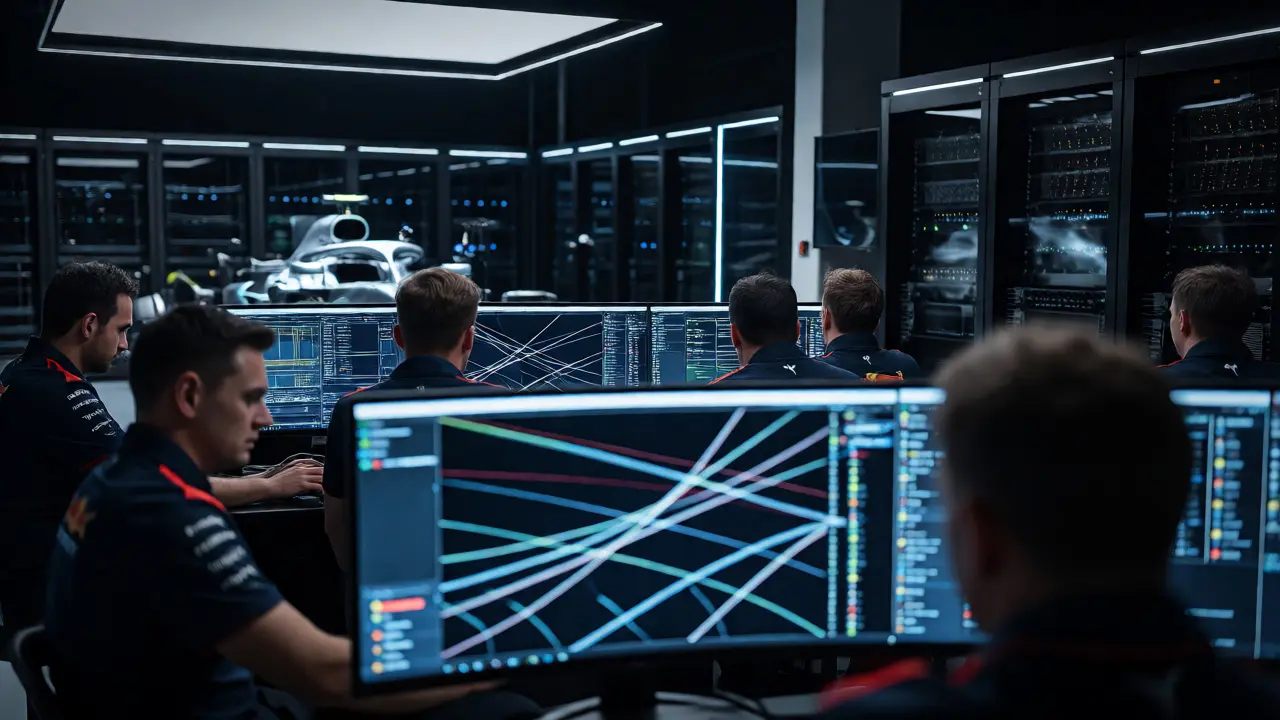
You might think the fastest lap in Formula 1 is won on the track. But for teams like McLaren, a British racing team that pioneered the use of computer-aided design in motorsport, the battle often starts months before a car even touches asphalt. It happens inside windowless buildings filled with server racks and engineers staring at screens. This is where data and simulation transform raw numbers into podium finishes.
British teams have long been the global hub for this kind of high-tech warfare. Why? Because they treat information as a physical asset, just like carbon fiber or fuel. If you want to understand how modern racing works, you need to look away from the cockpit and toward the cloud.
The Shift From Gut Feeling to Algorithmic Precision
Decades ago, a driver’s instinct was the primary tool for setting up a car. Today, it’s merely one input among millions. Williams Racing, a historic British constructor known for its early adoption of computational fluid dynamics (CFD), helped shift this paradigm by integrating wind tunnel data with digital models. The goal isn’t to ignore the driver; it’s to give them a machine that behaves exactly as predicted.
When a team runs a simulation, they aren’t just guessing what will happen. They are running thousands of virtual laps to test variables humans can’t process in real-time. Tire degradation, brake temperature spikes, aerodynamic drag changes-these are all modeled mathematically. If the model says a certain wing angle costs 0.03 seconds per lap but saves 2% tire life, the engineers know exactly when to pit.
Building the Digital Twin
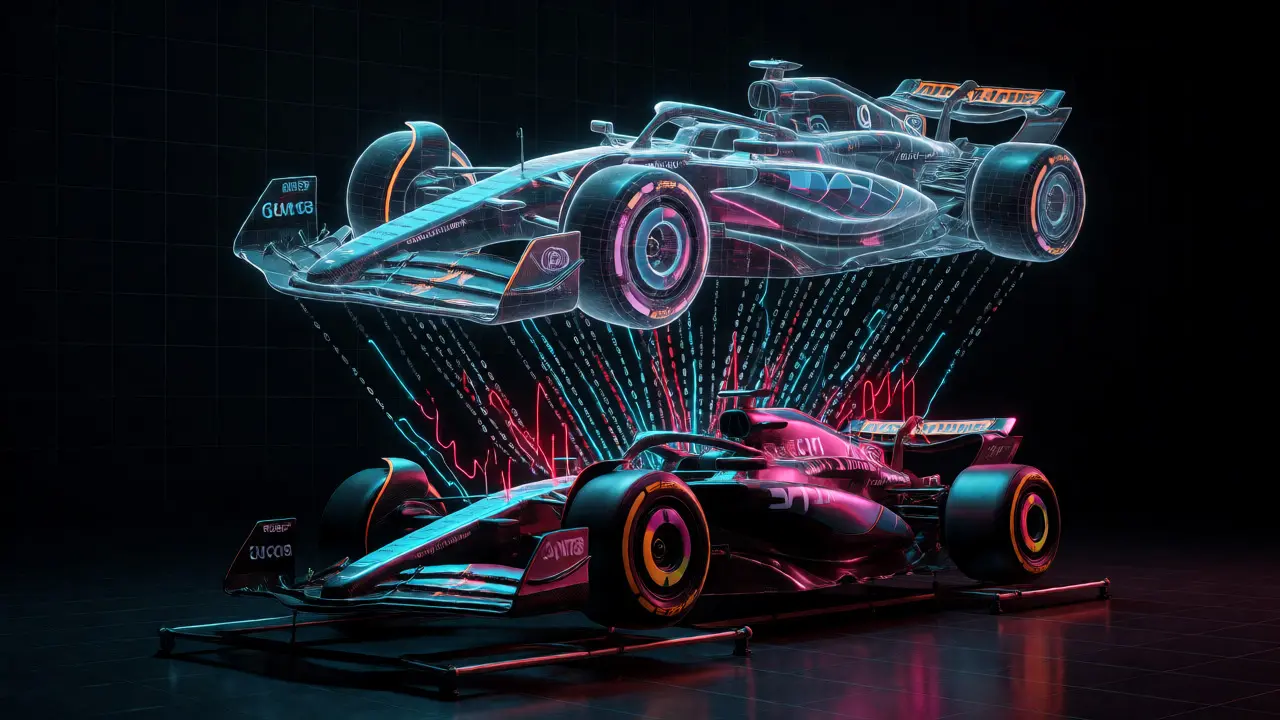
At the heart of this operation is the concept of the "digital twin." Imagine a perfect virtual copy of your race car. Every bolt, every airflow channel, every software line exists in the simulator. When the real car hits the track, sensors send data back to the factory. The digital twin updates instantly. If the real car vibrates more than the twin predicted, the engineers know there’s a mechanical issue before the driver even complains.
This feedback loop creates a continuous improvement cycle. During a race weekend, if Aston Martin Aramco Cognizant Formula One Team notices their rear tires overheating faster than the simulation predicted, they don’t just hope it improves. They adjust the suspension settings in the next session based on recalculated data. This responsiveness is why British teams remain competitive despite varying budgets.
Simulation Beyond the Track
It’s not just about speed. It’s about strategy. Race strategists use Monte Carlo simulations-algorithms that run random scenarios-to predict safety car probabilities, weather impacts, and rival pit stops. These models ingest historical data from every Grand Prix since the sport began, plus live telemetry from current sessions.
| Aspect | Traditional Approach | Data & Simulation Approach |
|---|---|---|
| Decision Making | Driver feedback and engineer intuition | Predictive algorithms and probability models |
| Testing Method | Physical wind tunnels and track tests | Computational Fluid Dynamics (CFD) and Virtual Reality rigs |
| Risk Management | Reactive fixes after failures occur | Proactive identification of failure modes via stress testing |
| Development Speed | Slow, limited by physical part production | Rapid iteration of digital concepts before manufacturing |
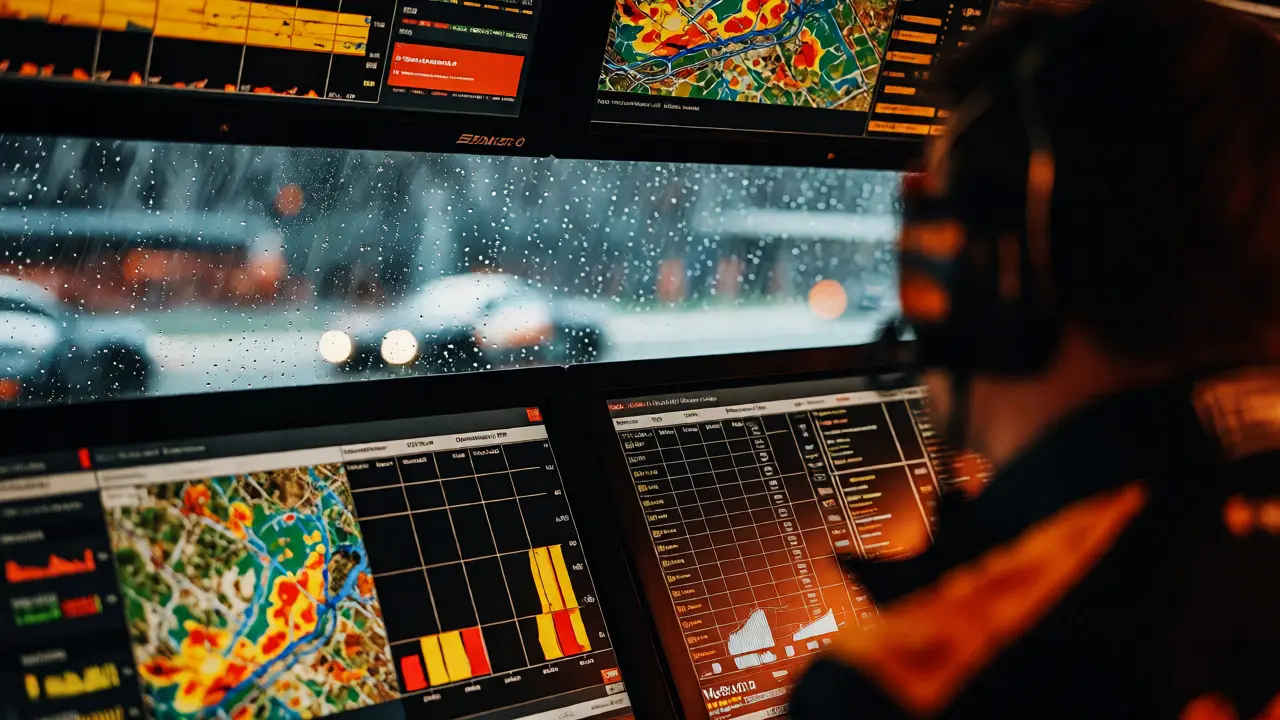
Consider a rainy race day. A traditional team might wait until the rain starts to decide whether to switch to wet tires. A data-driven team already knows that based on radar data and tire temperature thresholds, switching two laps earlier yields a net gain of five seconds over the stint. They execute this while competitors are still debating.
The Human Element in a Digital World
Does this mean drivers are obsolete? Not at all. In fact, the pressure on them increases. They must provide clean, consistent feedback that matches the data streams. If a driver says the car feels loose, but the telemetry shows understeer, the engineers trust the data first, then investigate the discrepancy. This requires a new type of driver literacy-one who understands basic vehicle dynamics and trusts the numbers.
Teams also use simulators to train drivers on specific corners or weather conditions without burning actual fuel. Red Bull Racing, an Austrian-based team with significant UK operations in Milton Keynes, famously uses advanced sim rigs to let drivers practice complex maneuvers repeatedly. This reduces cognitive load during actual races, allowing them to focus on overtaking rather than managing the car’s limits.
Challenges and Future Trends
With great power comes massive complexity. Storing petabytes of telemetry data is expensive and difficult to manage. Cybersecurity is another growing concern; if a hacker accesses a team’s simulation data, they could reverse-engineer the car’s secrets. British teams invest heavily in secure infrastructure to protect these intellectual assets.
Looking ahead, artificial intelligence will play an even bigger role. Machine learning algorithms are beginning to spot patterns in component wear that human analysts miss. We’re moving toward autonomous strategy calls, where AI recommends pit windows in real-time, leaving the final decision to a human overseer. The future of motorsport isn’t just faster cars; it’s smarter brains behind them.
Frequently Asked Questions
How much data does a modern F1 car generate?
A single Formula 1 car generates approximately 1.5 gigabytes of data per race weekend. This includes telemetry from hundreds of sensors monitoring everything from engine RPM to chassis strain. Teams transmit this data live to factories worldwide for immediate analysis.
Why do British teams dominate in motorsport technology?
The UK has a dense cluster of engineering talent, universities, and supply chains specializing in aerospace and automotive tech. Regions like "Motorsport Valley" in Oxfordshire and Northamptonshire provide easy access to specialized suppliers, fostering collaboration and rapid innovation in areas like CFD and material science.
Can simulation replace track testing entirely?
Not entirely. While simulations are incredibly accurate, they rely on assumptions about physics and material behavior. Real-world factors like track surface irregularities, wind gusts, and driver variability require physical validation. However, simulations significantly reduce the number of track days needed, saving costs and time.
What is Computational Fluid Dynamics (CFD)?
CFD is a branch of fluid mechanics that uses numerical analysis and data structures to analyze and solve problems involving fluid flows. In motorsport, it allows engineers to visualize air flow around the car virtually, optimizing aerodynamics without building physical prototypes for every minor change.
How does data influence pit stop timing?
Algorithms calculate the optimal pit window by balancing tire degradation rates against time lost in the pits. They factor in traffic, safety car probabilities, and competitor strategies. If the model predicts that pitting now loses less time than staying out with degrading tires, the team executes the stop immediately.