Coventry: The Birthplace of the UK Automotive Supply Chain
 Oct, 28 2026
You probably think of Detroit when you hear "birthplace of the auto industry." But long before Henry Ford put a Model T on an assembly line, a city in the English Midlands was already perfecting the art of making things move. We are talking about Coventry, a city that didn't just stumble into car manufacturing-it engineered the very concept of the UK automotive supply chain.
It sounds counterintuitive, doesn't it? How did a town famous for ribbons and bicycles become the hub for complex machinery? The answer lies in one specific skill set: precision craftsmanship. If you want to understand how modern logistics works, you have to look at how Coventry turned small workshops into a coordinated industrial machine. This isn't just nostalgia; it's the blueprint for how components get from a sketch to a steering wheel.
The Ribbon City’s Unexpected Pivot
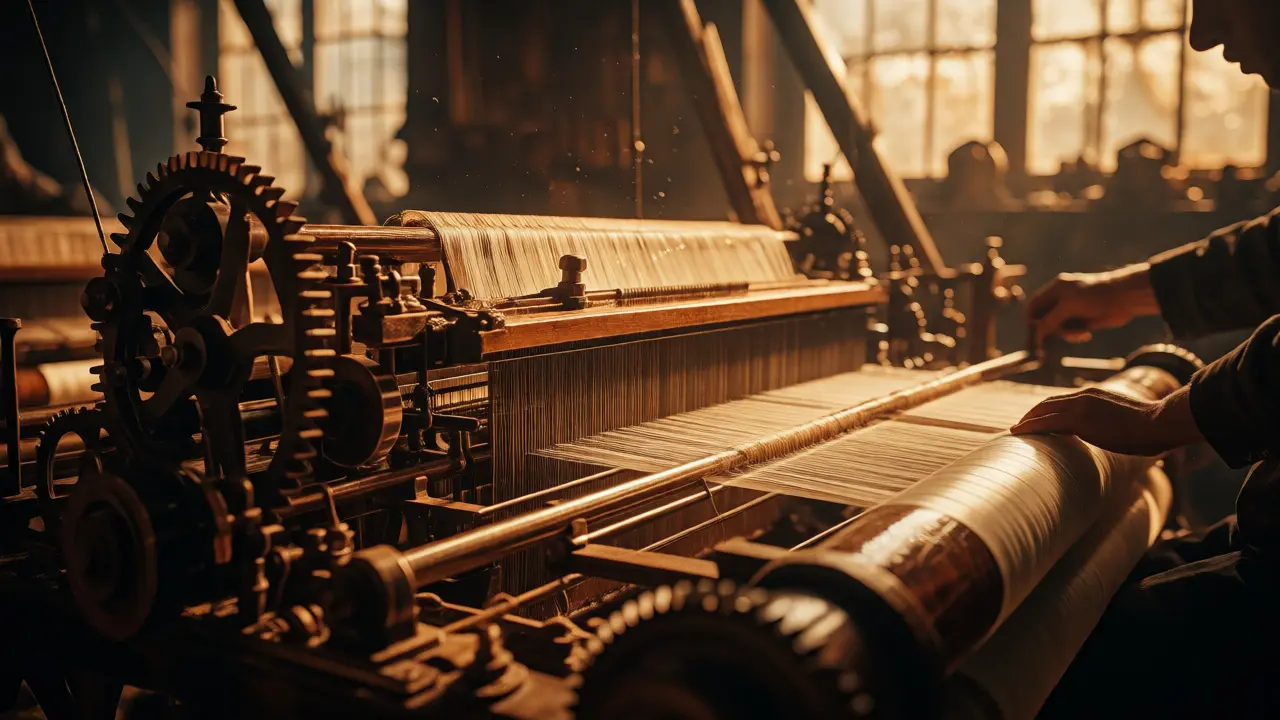
To grasp why Coventry mattered, you need to forget cars for a second. In the mid-19th century, this place was the global capital of silk ribbon weaving. It was high-tech for its time, relying on intricate Jacquard looms that required serious mechanical understanding. When French tariffs killed the ribbon trade in the 1860s, the city faced an economic cliff edge. But here is the twist: those same weavers had developed a deep intuition for gears, tension, and fine metalwork.
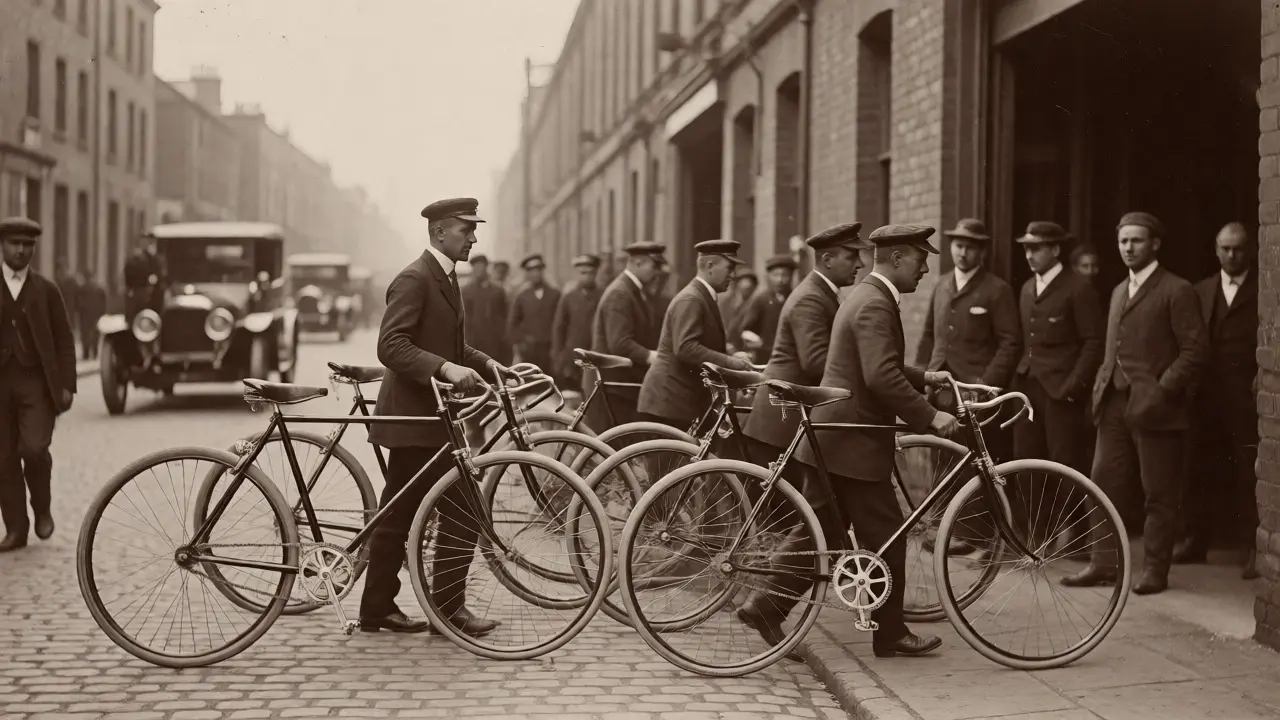
This technical DNA made the transition to another wheeled vehicle surprisingly smooth. Enter the bicycle boom of the 1880s. Companies like Rover started as sewing machine makers before pivoting to bikes. Why? Because building a safe bicycle required lightweight frames, reliable chains, and-crucially-good tires. Coventry manufacturers mastered these parts quickly. By the time the internal combustion engine arrived, the city wasn't starting from scratch. They were upgrading.
| Industry Era | Core Skill Set | Key Component Focus | Impact on Auto Industry |
|---|---|---|---|
| Silk Weaving (Pre-1860) | Mechanical Precision | Loom Gears & Threads | Established tolerance standards |
| Bicycles (1880s-1900s) | Lightweight Engineering | Chains, Bearings, Wheels | Created component suppliers |
| Early Motors (1900s-1930s) | Engine Assembly | Cylinders, Carburetors | Consolidated local supply network |
| Mass Production (1950s+) | Logistics & Scale | Standardized Parts | Defined modern JIT concepts |
From Bikes to Brakes: The Component Network
Here is where the supply chain story gets real. Before Coventry, car makers often tried to do everything themselves-casting their own engines, forging their own axles, even making their own seats. It was inefficient. Coventry changed the game by specializing. You had dozens of small firms, each mastering one tiny part of the puzzle. One shop might only make pistons. Another focused exclusively on gearboxes. A third specialized in electrical ignition systems.
This fragmentation looks messy, but it created resilience. If a piston supplier had a bad batch, the gearbox maker kept going. More importantly, it drove innovation. Because these suppliers competed fiercely with each other, they had to be better than the next guy. This led to rapid improvements in wheels components. Early rubber tires were prone to overheating and wear. Coventry’s rubber mills, leveraging their chemical expertise, developed stronger compounds faster than competitors in Germany or France.
Think about your current car. That brake caliper? Probably designed by a specialist firm, not the car brand itself. That’s the Coventry model. It separated design from manufacturing, allowing brands like Jaguar and Rover to focus on styling and performance while trusting local experts to handle the heavy lifting of engineering.
Craft Skills: The Human Element in Automation
We tend to imagine old factories as dark, smoky places filled with unskilled laborers. Coventry tells a different story. The workforce here was highly skilled. These weren’t just guys turning wrenches; they were artisans who understood metallurgy. The concept of Craft Skills wasn’t a marketing slogan-it was a hiring requirement.
Why does this matter for the supply chain? Because early cars broke down constantly. A poorly machined cylinder head could blow an engine. Coventry’s reputation rested on quality control. Inspectors weren’t just checking boxes; they were listening to engines, feeling for vibrations, and measuring tolerances by eye. This human-centric approach ensured that components arriving at assembly plants were ready to go. There was no massive inventory pile-up because trust in the local supply chain was high.
Consider the Daimler Company, which moved production to Coventry in 1896. They didn’t bring all their staff from Stuttgart. They hired locally because they knew the talent pool was unmatched. This migration of intellectual capital cemented Coventry’s status. Once the big players settled, the smaller suppliers clustered around them, creating a dense ecosystem that reduced transport costs and communication delays.

The Logistics of Proximity
Modern supply chain theory talks about "just-in-time" delivery. Coventry practiced this decades before Toyota coined the term. The geography helped. Most major manufacturers and suppliers were within a five-mile radius. A truck leaving a bearing factory in the morning could deliver parts to an assembly plant in Baginton by lunchtime. This proximity allowed for flexible scheduling. If a designer changed a bracket shape, the toolmaker next door could adjust the mold by Friday.
This tight coupling meant that information flowed as fast as goods. Engineers visited suppliers weekly. Problems were solved face-to-face, not via lengthy correspondence. Compare this to today’s global chains, where a delay in shipping a microchip from Asia can halt production worldwide. Coventry’s local network was robust precisely because it was short. Feedback loops were instant. Mistakes were corrected in hours, not weeks.
The result was a highly responsive system. During World War II, this agility proved vital. When the government demanded Spitfire engines, Coventry’s existing supply web adapted almost overnight. The same companies that made carburetors for family sedans began producing critical aviation parts. The infrastructure was already there; it just needed redirection.
Legacy Lessons for Modern Makers
So, what can we learn from Coventry’s golden age? First, specialization beats vertical integration. Trying to make every screw yourself slows you down. Second, skilled labor is an asset, not a cost. Investing in training creates a workforce that solves problems rather than just executing tasks. Third, proximity matters. Even in our digital world, physical closeness to key suppliers reduces risk and speeds up iteration.
Today, Coventry is reinventing itself again, focusing on electric vehicles and battery technology. The core principle remains: build a community of experts who share knowledge and resources. The ghost of the ribbon weaver still haunts the factory floor, reminding us that great machines start with great hands.
Why did Coventry become a hub for car manufacturing instead of London?
London lacked the specific industrial infrastructure. Coventry had a pre-existing base of precision engineering from the silk and bicycle industries. Additionally, land was cheaper, and the local workforce already possessed the necessary metalworking and mechanical skills, making the transition to motor vehicles faster and more efficient.
What role did bicycles play in the UK automotive supply chain?
Bicycles served as the technological bridge between crafts and cars. They introduced mass-produced interchangeable parts, such as ball bearings and pneumatic tires, which became standard components in early automobiles. Manufacturers like Rover used bicycle production techniques to scale up engine and chassis manufacturing.
How did craft skills influence quality control in early British cars?
Craft skills allowed for rigorous manual inspection and precise machining. Workers were trained to identify subtle defects in metal casting and assembly that automated processes might miss. This emphasis on individual accountability resulted in higher reliability for early vehicles compared to those built by unskilled labor forces.
Did Coventry invent the concept of the supply chain?
While not the sole inventor, Coventry perfected the localized, specialized supply chain model. Unlike American vertical integration, where one company owned all stages of production, Coventry relied on a network of independent specialists. This model influenced later Japanese manufacturing practices, particularly the keiretsu system.
Which major car brands originated in Coventry?
Several iconic brands called Coventry home, including Jaguar, Rover, Daimler, Alvis, and Standard. These companies leveraged the local supplier network to produce luxury and sports cars, establishing the region’s reputation for high-performance engineering.