Coachbuilding in Interwar Britain: How Style and Craft Defined Luxury Automobiles
 Aug, 27 2026
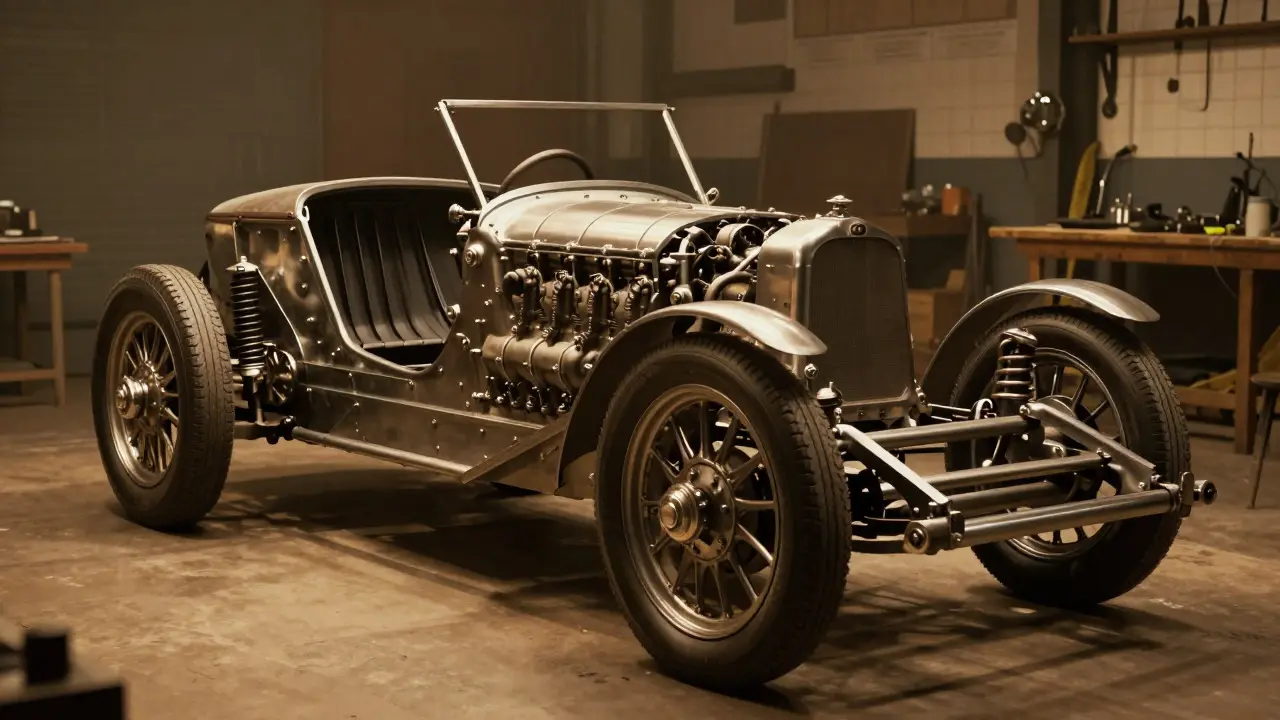
Imagine stepping out of a car in 1935. The metal isn't just stamped; it's sculpted. The wood isn't glued with industrial adhesive; it's fitted by hand using traditional joinery. This was the reality of Interwar Coachbuilding is the art and craft of designing and building custom bodies for luxury automobiles between World War I and World War II. In this era, the chassis was merely the skeleton. The soul of the vehicle came from the coachbuilder.
During the period from 1918 to 1939, Britain became the global capital of automotive elegance. While American manufacturers were moving toward mass production and standardized designs, British engineers and artisans were pushing the boundaries of individuality. A car wasn't finished until it reflected the owner's taste. This separation between the mechanical base (chassis) and the aesthetic shell (body) created a unique industry where style and craftsmanship were paramount.
The Anatomy of a Custom Car
To understand why these cars are so coveted today, you have to look at how they were made. The process started with the chassis manufacturer. Companies like Rolls-Royce, Bentley, and Lagonda produced the engine, transmission, suspension, and frame. These were incredibly robust machines, but they arrived at the customer's door as bare metal skeletons.
The customer then chose a coachbuilder. Firms such as H.J. Mulliner, Park Ward, and James & Co. took over. They didn't just paint a pre-made body. They designed one from scratch based on the client's preferences. This involved:
- Design Consultation: The client met with designers to sketch profiles. Did they want a long hood? A low roofline? Large windows?
- Model Making: Before touching steel, builders created full-scale clay or wood models. This allowed for adjustments in proportion and aerodynamics.
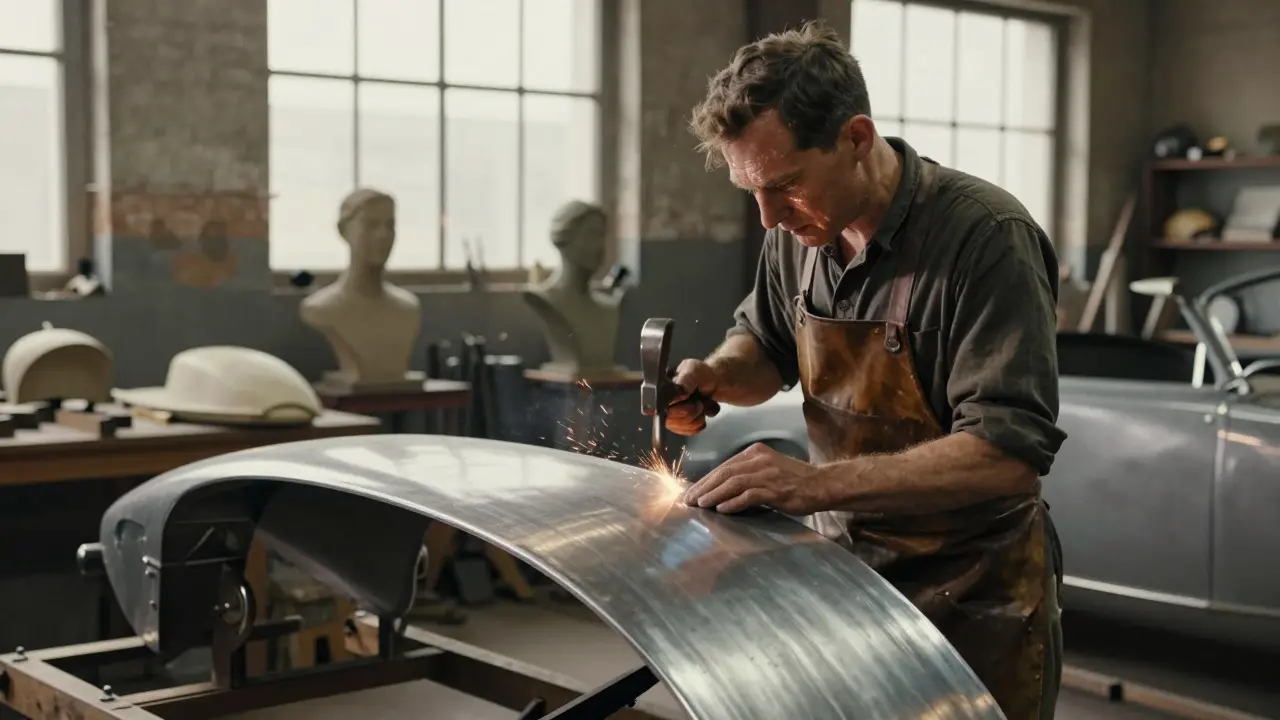
- Panel Beating: Skilled artisans hammered sheet metal into shape. Unlike modern stamping presses that use tons of force, this was done by hand with hammers and stakes. It required decades of experience to avoid ripples or uneven tension.
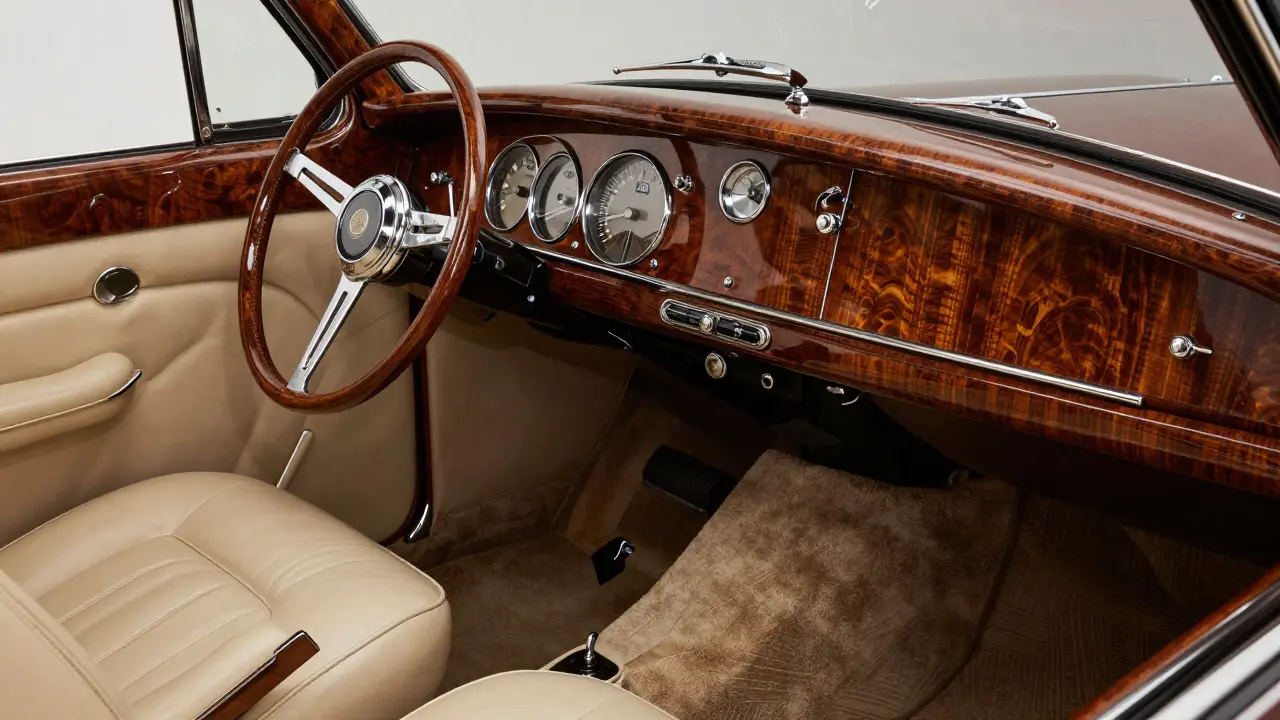
- Trimming: Once the metal was shaped, upholsterers added leather, wood veneer, and chrome fittings. Every stitch and every grain of wood was matched manually.
This level of customization meant no two cars were exactly alike. Even if two clients ordered similar models, slight variations in window size, door handles, or interior layout made each vehicle unique.
Key Players in the Industry
Several firms dominated the landscape, each with a distinct reputation. Understanding their differences helps explain the value of surviving examples today.
| Firm Name | Known For | Typical Clients | Distinctive Style |
|---|---|---|---|
| H.J. Mulliner | Sleek, aerodynamic lines | Bentley, Rolls-Royce | Long bonnets, flowing fenders, sophisticated trim |
| Park Ward | Elegance and comfort | Rolls-Royce, Daimler | Classical proportions, luxurious interiors |
| James & Co. | Innovative engineering | Aston Martin, Lagonda | Streamlined shapes, advanced materials |
| Gurney & Nutting | Robustness and practicality | Alvis, Aston Martin | Sturdy construction, functional design |
H.J. Mulliner, for instance, was famous for its ability to create bodies that looked fast even when standing still. Their work on the Bentley 8 Litre is often cited as the peak of interwar design. On the other hand, Park Ward focused heavily on the passenger experience, ensuring that the interior felt like a private club room. This distinction mattered because the target audience varied. Some buyers wanted speed and sportiness; others wanted quiet dignity and comfort.
Why Style Mattered More Than Speed
In the 1920s and 30s, owning a luxury car was less about racing and more about social status. The car was a mobile statement of wealth and taste. A standard factory body might be respectable, but a custom coachbuilt body signaled that the owner had the resources to hire top-tier artisans.
This focus on aesthetics led to innovations in design. Engineers began experimenting with aerodynamics not just for performance, but for fuel efficiency and noise reduction. Streamlined bodies, which reduced wind resistance, became popular. However, this trend clashed with traditional views of what a "proper" car should look like. Purists argued that a car should have upright radiators and distinct fenders. Modernists wanted smooth, continuous curves. The result was a fascinating blend of classical and modern elements in many interwar vehicles.
Materials also played a role. High-quality mahogany and walnut were used for dashboards and doors. Leather was sourced from tanneries known for producing soft, durable hides. Chrome plating was applied meticulously to ensure a mirror finish. These details were visible to anyone who looked closely, reinforcing the idea that quality was hidden in the small things.
The Decline and Legacy
By the late 1930s, the industry began to change. The rise of unibody construction, where the body and chassis are integrated, started to gain traction. Manufacturers realized that integrating the structure improved safety and reduced weight. Additionally, the onset of World War II disrupted supply chains and shifted demand toward military vehicles.
When peace returned, the public preferred simpler, more affordable cars. The complex, expensive process of custom coachbuilding lost its appeal to the masses. Most major coachbuilders either merged with chassis manufacturers or closed their doors. Today, fewer than 5,000 complete interwar coachbuilt cars remain in the world.
However, their legacy endures. These cars set the standard for luxury automotive design. The emphasis on hand-crafted detail, personalized options, and artistic expression can be seen in modern bespoke programs offered by brands like Rolls-Royce and Bentley. When you sit in a modern luxury car, you are experiencing the direct descendant of those interwar principles.
Collecting and Restoring These Vehicles
For collectors, finding an original interwar coachbuilt car is a rare opportunity. Prices vary widely depending on rarity, condition, and provenance. A well-documented example with matching numbers (engine and chassis numbers aligning with the body) can command six figures. Restoration is challenging because original parts are scarce. Many restorers rely on skilled panel beaters who have trained specifically in historical techniques.
If you are considering entering this niche, start by researching specific chassis models and their associated coachbuilders. Joining enthusiast clubs provides access to technical data and community support. Remember, these cars are not just machines; they are rolling pieces of art. Treat them with the respect they deserve.
What is the difference between a coachbuilt car and a standard factory car?
A coachbuilt car has a body designed and constructed separately from the chassis by a specialized firm. This allows for high levels of customization. A standard factory car has a body designed and built by the same company as the chassis, resulting in a uniform product with limited personalization options.
Which British coachbuilders were the most famous during the interwar period?
The most renowned firms include H.J. Mulliner, Park Ward, James & Co., Gurney & Nutting, and Hooper & Co. Each had a distinct style and clientele, with Mulliner and Park Ward being particularly associated with Rolls-Royce and Bentley.
Why did custom coachbuilding decline after World War II?
Post-war consumers favored affordability and simplicity. The introduction of unibody construction made separate coachbuilding less necessary for structural integrity. Additionally, the cost of hand-building bodies made them prohibitive for the average buyer, leading to a shift toward mass-produced designs.
Are interwar coachbuilt cars worth investing in?
Yes, for serious collectors. Original, well-preserved examples with documented history tend to hold or increase in value. However, restoration costs are high due to the scarcity of parts and the need for specialized labor. It is important to buy from reputable sources and verify authenticity before purchasing.
What materials were commonly used in interwar luxury car interiors?
Common materials included high-grade leather for upholstery, solid wood veneers like mahogany and walnut for dashboards and doors, and chrome for fittings. Glass was also used extensively for windows and sunroofs, though it was thicker and heavier than modern versions.