Caterham Seven Electric: Can the Lightweight Icon Survive the EV Era?
 Aug, 16 2026
There is a specific sound that no other car makes. It’s not the deep rumble of a V8 or the high-pitched scream of a turbocharger. It’s the raw, unfiltered whine of a single-cylinder engine spinning up to 9,000 RPM while the chassis flexes just enough to remind you that you’re driving a machine made of thin aluminum and determination. For decades, this has been the signature of the Caterham Seven, a lightweight British sports car designed for pure driving pleasure with minimal weight and maximum driver engagement. But as the world shifts toward silence and software, a question looms over the brand: can an icon built on mechanical simplicity survive in an era dominated by batteries and electric motors?
The answer isn't a simple yes or no. It’s a complex negotiation between heritage and survival. The Caterham Seven is currently facing a crossroads that defines its future. On one hand, it has a cult following that values exactly what it offers today: low cost, low weight, and zero electronics. On the other, regulatory pressures and changing consumer expectations are forcing a rethink. Is the electric version a betrayal of the spirit, or is it the only way to keep the lights on in Dartford?
The Physics of Lightness vs. The Weight of Batteries
To understand why the Caterham Seven resists electrification, you have to look at its core philosophy. The car is a masterclass in subtractive design. Every gram counts. The standard model weighs roughly 550 kg (1,213 lbs). This low mass allows even a modest 1.7-liter four-cylinder engine to produce thrilling acceleration. The power-to-weight ratio is the entire selling point.
Now, introduce electricity. A typical electric drivetrain adds significant weight. Even a compact motor and battery pack suitable for a small car will add at least 150-200 kg. Suddenly, your 550 kg sports car becomes a 750 kg vehicle. You’ve lost nearly 40% of its agility advantage. Does the instant torque of an electric motor compensate? Yes, but only if the battery placement is perfect. If the center of gravity rises too much, the handling characteristics change from playful to predictable. The magic of the Seven lies in its ability to feel light; adding heavy batteries threatens that fundamental identity.
Regulatory Pressure and the End of ICE
Why consider going electric at all? Because the internal combustion engine (ICE) is becoming increasingly difficult to sell in key markets. In Europe, where a large portion of Caterham’s sales occur, carbon emission regulations are tightening. While the Seven is exempt from some CO2 targets due to its niche status, the broader trend is clear. Insurance costs for older, non-hybrid vehicles are rising. City access restrictions are expanding. For younger buyers who may never own a traditional gasoline car, the idea of a silent, plug-in sports car is less alien than a noisy, fuel-guzzling classic.
However, there is a counter-argument. The Seven is often bought as a second or third car, a weekend toy. These buyers don’t care about daily commutes or city bans. They care about the experience. If the electric version compromises the driving dynamics, does it matter if it’s legal to drive everywhere? This tension is at the heart of the debate.
Existing Conversions and Prototype Attempts
Caterham hasn’t ignored the electric trend entirely. Over the years, various independent tuners and enthusiasts have attempted conversions. One notable example involves using components from Tesla or smaller EV startups to create a "Seven EV." These projects usually face two main hurdles: range and charging infrastructure. A small battery pack provides enough power for a track day but limited road miles. Charging a small, specialized car requires either proprietary cables or universal adapters that aren’t always convenient.
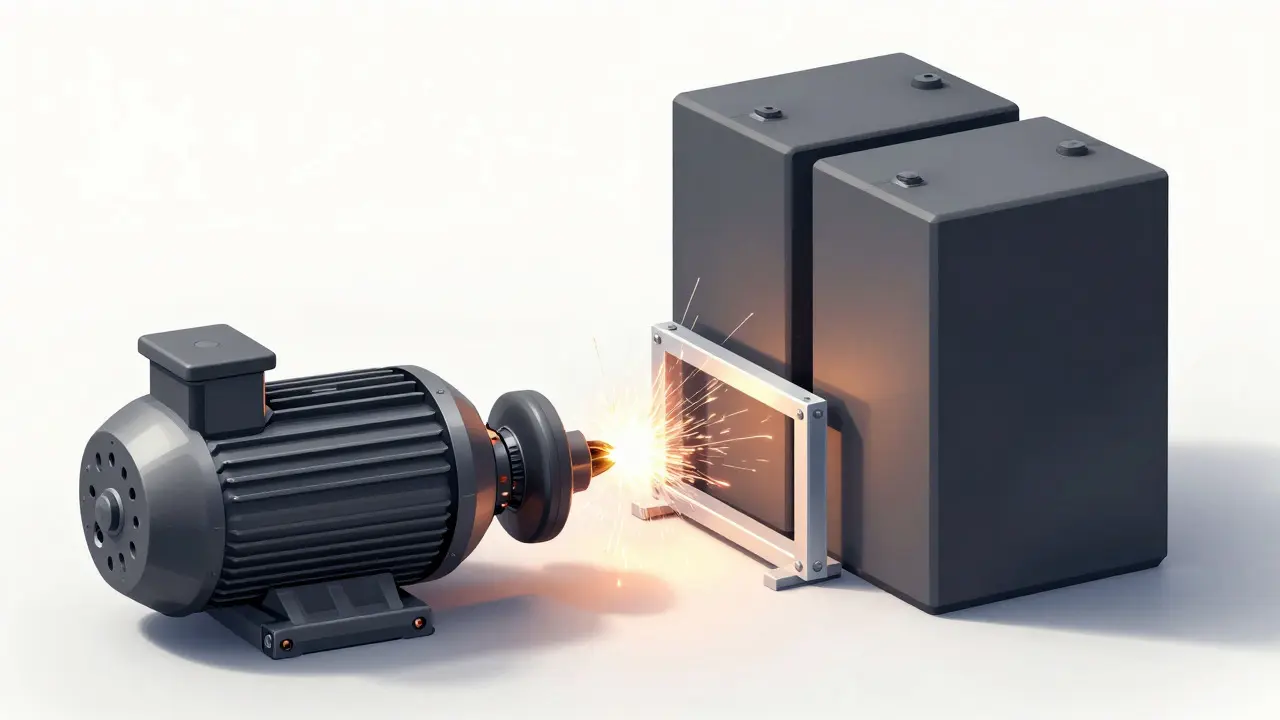
Furthermore, the integration of cooling systems is tricky. Electric motors run cooler than ICEs, but batteries need precise temperature management. Adding liquid cooling loops to a car originally designed for air-cooled simplicity increases complexity and maintenance requirements. Enthusiasts argue that this defeats the purpose of owning a simple, repairable car. If you can fix your Seven with a wrench in a garage, that’s part of the appeal. An EV requires diagnostic tools and software updates.
Market Positioning: Who Buys an Electric Caterham?
If Caterham were to launch an official electric model, who would buy it? We can break down the potential audience into three groups:
- Pure Track Drivers: These customers want maximum performance per dollar. They might prefer the current ICE model because it’s cheaper upfront and easier to maintain after a crash. However, instant torque could be appealing for quick exits from corners.
- Urban Commuters with Style: Buyers who want a fun car for short trips. They value low running costs and zero emissions. The Seven’s small size fits well in tight parking spaces.
- Heritage Enthusiasts: This group is the most skeptical. They view the Seven as a living piece of automotive history. An electric version might be seen as a compromise, a step away from the roots established by Lotus and Colin Chapman.
The challenge for Caterham is to appeal to the first two groups without alienating the third. This requires careful marketing and, more importantly, a product that respects the original design language.
Technical Challenges of Electrifying a Chassis Designed for ICE
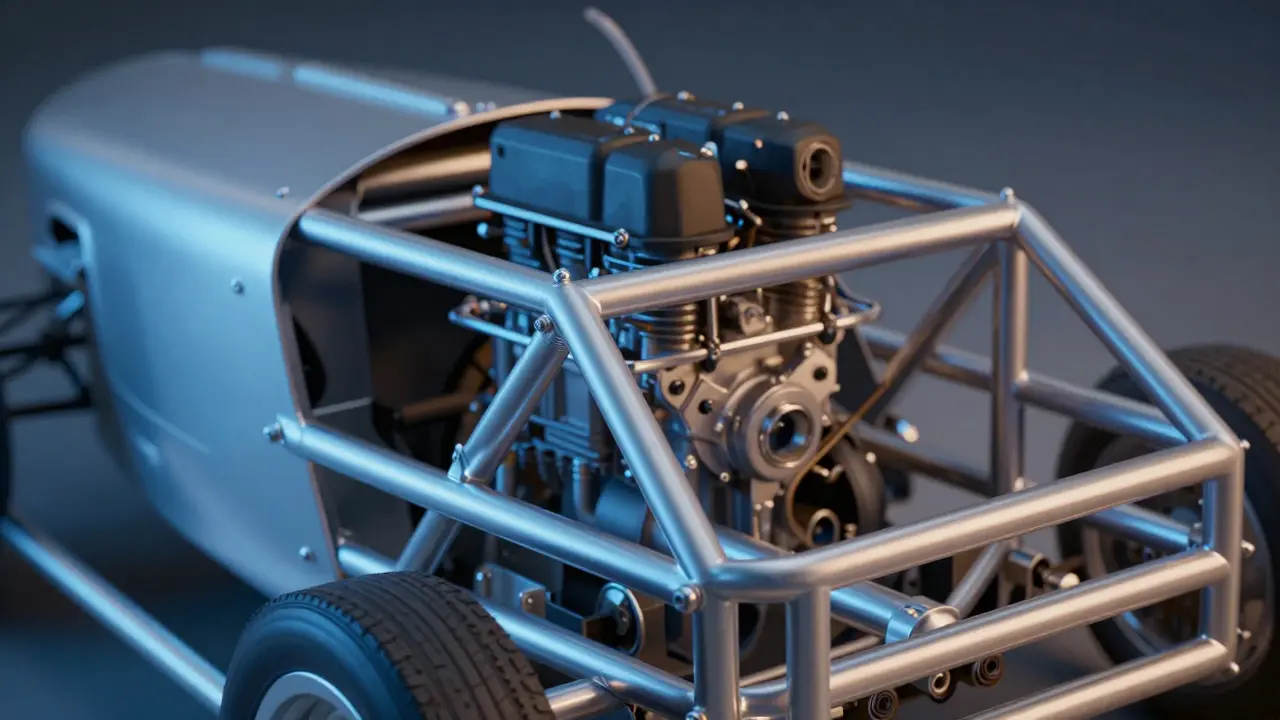
The Caterham Seven’s chassis is a space-frame structure designed to absorb impacts and provide rigidity for an engine mounted behind the driver. Moving to an electric layout changes the packaging constraints. Where do you put the battery? Under the floor? That lowers the center of gravity, which is good, but reduces ground clearance. Behind the seats? That shifts weight rearward, potentially causing understeer. In front? That’s unusual for a mid-engine car and complicates the suspension geometry.
Additionally, the electrical architecture must be robust. The Seven is known for its simplicity, but an EV introduces high-voltage systems. Safety standards for high-voltage cables and connectors are stricter than those for fuel lines. Any failure could be catastrophic. This means higher manufacturing costs and longer development cycles. For a company operating on thin margins, this is a significant risk.

Comparison: ICE vs. Potential EV Model
To visualize the trade-offs, let’s compare the current Caterham Seven 620R with a hypothetical electric variant based on available conversion data.
| Attribute | Caterham Seven 620R (ICE) | Hypothetical Seven EV |
|---|---|---|
| Weight (kg) | ~550 | ~700-750 |
| Power Source | 1.7L 4-Cylinder Petrol | Lithium-Ion Battery + Electric Motor |
| Top Speed (km/h) | ~220 | ~180-200 (limited by battery range) |
| Maintenance Complexity | Low (Mechanical focus) | High (Electrical/Diagnostic focus) |
| Running Costs | Fuel + Oil Changes | Electricity Only (Lower) |
| Driving Experience | Raw, Audible, Engaging | Silent, Instant Torque, Predictable |
The table highlights a critical divergence. The ICE model offers a visceral, sensory experience. The EV model offers efficiency and convenience. Which value proposition wins depends on the buyer’s priority. For most current owners, the sensory experience is the primary reason for purchase. For new entrants to the market, efficiency might be the deciding factor.
The Verdict: Coexistence, Not Replacement
So, can the Caterham Seven go electric? Technically, yes. Commercially, it’s risky. The most likely scenario is not a full transition to electric, but a dual-track approach. Caterham will continue to sell the ICE model for as long as regulations allow, catering to the purists. Simultaneously, they may offer an electric option for markets where ICE cars are heavily taxed or restricted. This allows them to hedge their bets. The electric model serves as a bridge to the future, while the ICE model preserves the brand’s soul.
Ultimately, the success of an electric Caterham depends on whether the added weight and complexity can be managed without losing the essence of the car. If the EV feels like a different car, it won’t sell to the core audience. If it feels like a better version of the same car, it could expand the brand’s reach. The answer lies in execution. And given the current state of EV technology, that execution is getting closer every year.
Frequently Asked Questions
Is there an official electric Caterham Seven available for sale?
As of 2026, there is no widely produced, factory-standard electric Caterham Seven sold globally. However, several independent conversion kits exist, and Caterham has hinted at exploring electric variants for specific markets. Most owners looking for an electric Seven rely on aftermarket specialists.
How much weight does an electric conversion add to a Caterham Seven?
A typical electric conversion adds between 150 kg and 200 kg to the vehicle's total weight. This includes the battery pack, electric motor, and associated wiring and cooling systems. This increase significantly alters the car's handling dynamics compared to the stock ICE model.
Does an electric Caterham Seven handle differently than the petrol version?
Yes. The added weight raises the center of gravity slightly and increases inertia. While the electric motor provides instant torque, which helps with acceleration, the car may feel less agile in rapid direction changes. Tire wear may also increase due to the higher mass.
What is the estimated range of an electric Caterham Seven?
Range varies depending on the battery capacity installed. Small packs suitable for track days may offer 50-80 km of range. Larger packs aimed at road use can extend this to 150-200 km. Efficiency is high due to the car's light aerodynamic profile, but the limited battery size remains the primary constraint.
Are electric Caterham Sevens more expensive to maintain?
Generally, yes. While there are no oil changes or spark plugs, repairs often require specialized diagnostic equipment. Battery degradation over time can lead to costly replacements. Mechanical parts still wear out, so tire and brake maintenance remains similar, but the electrical side adds complexity and expense.