Buying Classic British Sports Cars: MGB, Triumph TR, and Jaguar E-Type Guide
 Apr, 23 2026
Quick Takeaways for Future Owners
- MGB: The best entry point. Easy parts, simple mechanics, and a massive community.
- Triumph TR: More raw power and a distinct look, but requires more attention to the chassis.
- Jaguar E-Type: A masterpiece of design and speed, but comes with a steep price tag and complex maintenance.
- The Golden Rule: Prioritize a rust-free body over a shiny engine. Paint is easy; a rotten frame is a disaster.
Starting Small with the MGB
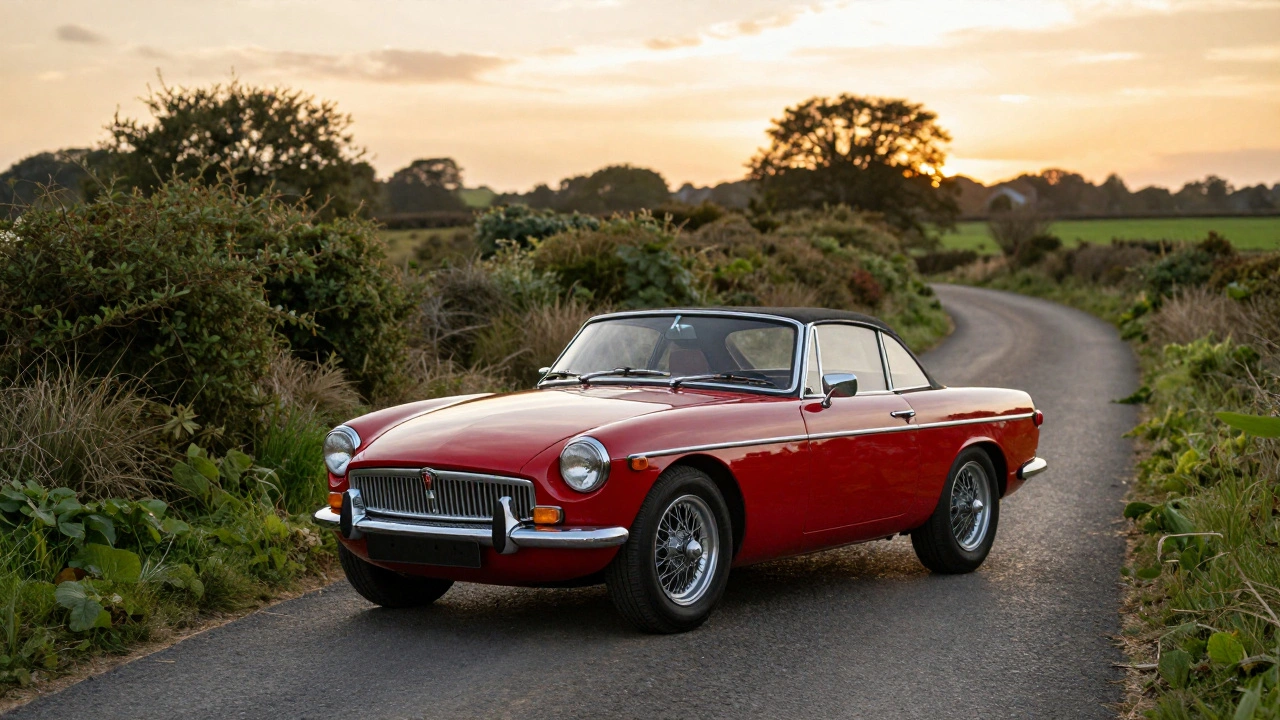
If you've never owned a vintage car, start here. The MGB is a quintessential British roadster produced by MG between 1962 and 1980. It is basically the "101 course" in classic car ownership. The car is simple. It uses a 1.8-liter B-series engine that is famously rugged and easy to tune. You can find parts for this car at almost any specialty shop in the world, meaning you won't be waiting six months for a niche gasket from a village in England.
There is a big divide in the MGB world: chrome bumpers versus rubber bumpers. The chrome versions (pre-1974) are the ones people love for their looks. The rubber bumpers were introduced to meet US safety laws and, frankly, they look like a plastic mistake. However, the rubber-bumper cars are often cheaper and sometimes in better mechanical shape because they were viewed as "daily drivers" rather than museum pieces. When you're looking at one, check the sills and the floor pans. These cars love to rust from the inside out, especially if they lived in snowy climates like Michigan or New York.
The Raw Appeal of the Triumph TR Series
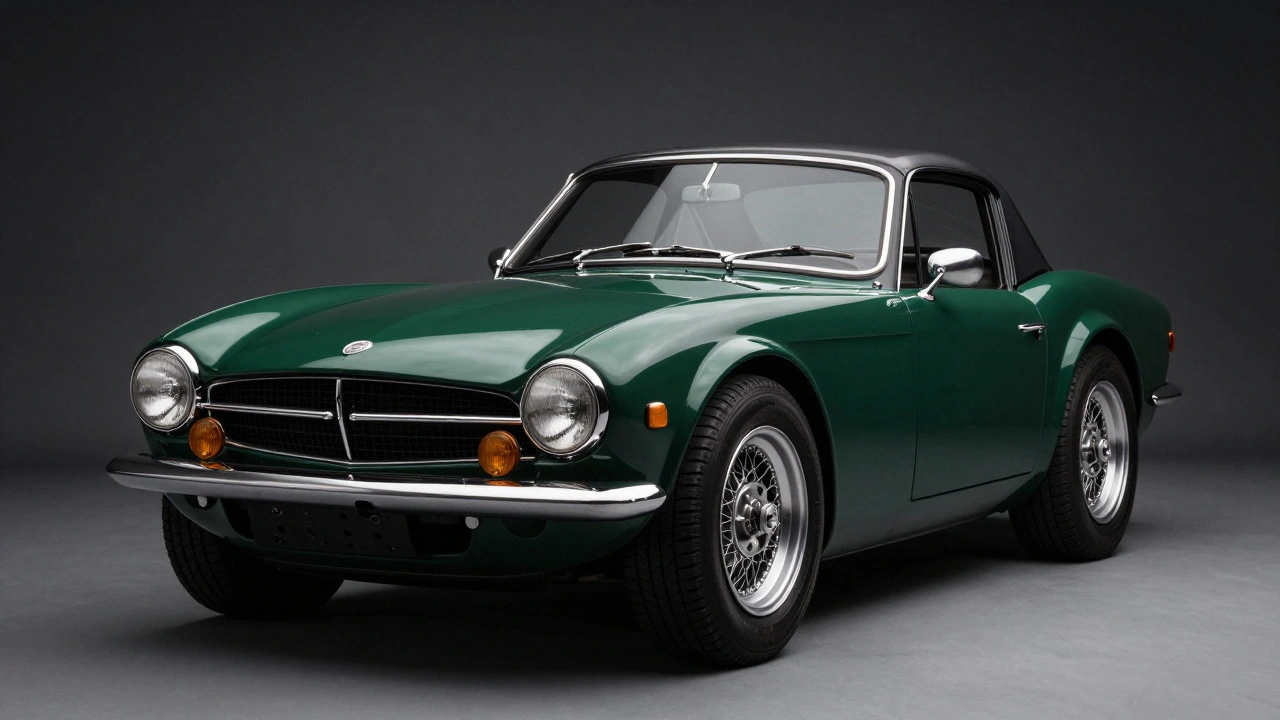
While the MGB is polite, the Triumph TR series is a bit more aggressive. Whether you're looking at a TR3, a TR4, or the later TR6, these cars offer a more visceral driving experience. The Triumph TR6, for example, features a 2.5-liter straight-six engine that provides a much punchier acceleration than the MG. It feels less like a cruiser and more like a sports car.
The trade-off for that power is a bit more complexity in the chassis. Triumph cars are known for their distinct handling, but they can be temperamental. You'll want to inspect the rear axle and the suspension mounting points. If a previous owner "improved" the car with cheap aftermarket parts, it can actually make the car harder to maintain. Look for a car with a documented service history. A TR6 that has been meticulously maintained is a joy; one that has been neglected is a money pit that will leave you stranded on the side of a country road.
The Legend: Jaguar E-Type
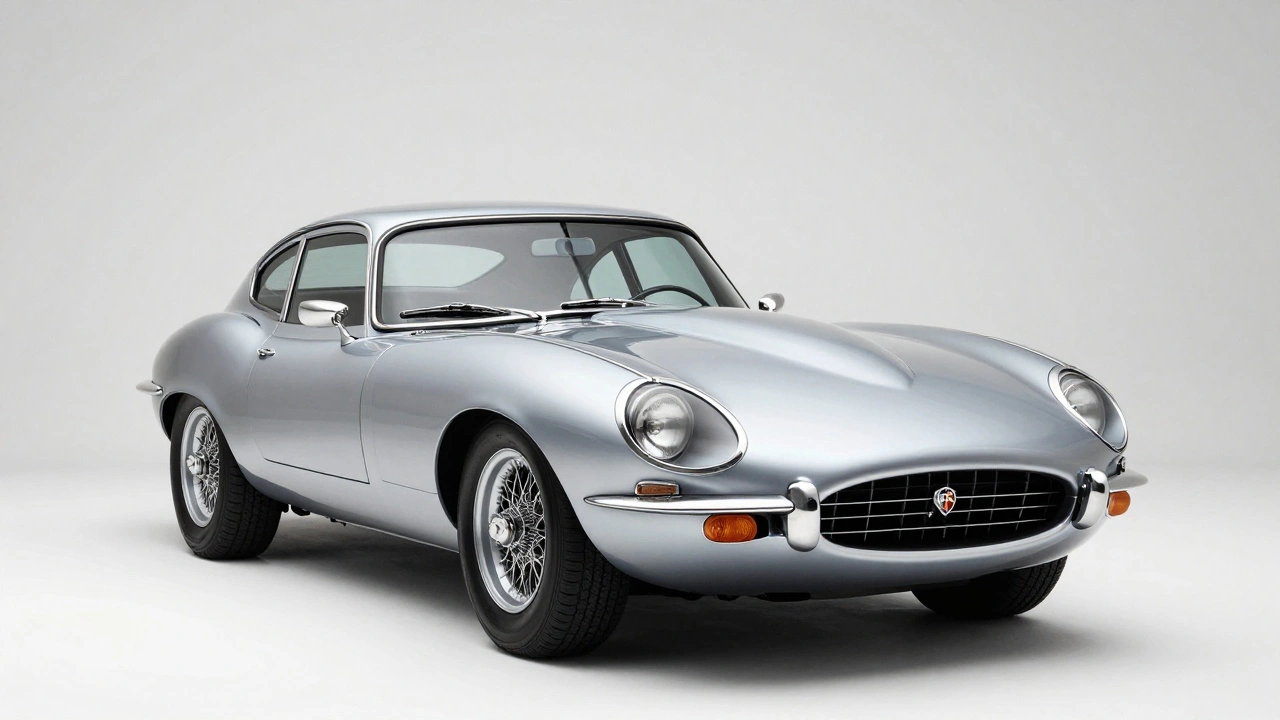
Then there is the Jaguar E-Type. Even Enzo Ferrari called it the most beautiful car ever made. It isn't just a car; it's a piece of art. The E-Type shifted the world's perception of what a sports car could be, combining a 3.8 or 4.2-liter XK engine with a sleek, aerodynamic body that looked like it was moving while standing still.
Buying an E-Type is a completely different game than buying an MG. You are moving from "hobbyist" territory into "collector" territory. The complexity jumps significantly. You have a sophisticated independent rear suspension and a gearbox that requires a skilled hand to operate smoothly. Because these cars are so valuable, many have been "restored," but not all restorations are equal. A "cheap" E-Type is the most expensive car in the world because the cost to do a proper frame-off restoration can easily exceed the market value of the car.
| Feature | MGB | Triumph TR6 | Jaguar E-Type |
|---|---|---|---|
| Skill Level | Beginner | Intermediate | Expert / Collector |
| Engine Type | 1.8L Inline-4 | 2.5L Inline-6 | 3.8L/4.2L Inline-6 |
| Maintenance | Low/DIY Friendly | Moderate | High/Specialist Required |
| Primary Risk | Body Rust | Chassis Fatigue | Over-restoration Costs |
What to Look For During the Inspection
When you go to see a car, put the engine aside for a moment. Anyone can make an engine sound good for ten minutes. You need to look at the bones. In the world of classic British sports cars, the chassis is everything. Take a flashlight and look under the car. Use a magnet or a screwdriver to poke at the areas where the fenders meet the main body. If the metal feels soft or looks like it has "bubbling" paint, that's rust. Rust is the cancer of British steel.
Check the electrical system. These cars used Lucas Electronics, famously nicknamed the "Prince of Darkness." It is common for these cars to have flickering lights or gauges that don't quite work. While annoying, a bad fuse box is a quick fix. A rotten frame is not. Also, check the upholstery. Original leather is great, but if it's been replaced with cheap vinyl, it tells you something about how the previous owner treated the car. If they cut corners on the seats, they probably cut corners on the oil changes.
The Reality of Ownership
Owning one of these cars isn't like owning a 2026 Toyota. You don't just turn the key and go. You have to learn the "moods" of the car. You'll learn how to pump the gas pedal just the right amount of times to start a cold engine. You'll realize that leaking a little bit of oil is actually a sign that the car has oil in it. This is part of the charm.
You also need to find a community. Whether it's an MG owners club or a local Jaguar group, these people are your best resource. They know which parts suppliers are reliable and which mechanics actually know how to tune a SU carburetor without guessing. The shared knowledge in these communities is what keeps these cars on the road. Without them, these machines would just be expensive sculptures in a garage.
Which of these cars is the best for a first-time buyer?
The MGB is overwhelmingly the best choice for beginners. Its mechanical simplicity means you can learn to do basic maintenance yourself, and the abundance of affordable spare parts makes it much less risky than a Triumph or a Jaguar. It provides the classic roadster experience without the overwhelming complexity of high-end collectors' cars.
Are these cars safe to drive on modern roads?
By modern standards, no. They lack airbags, ABS, and crumple zones. However, they are perfectly fine for weekend cruises and country roads. Many owners choose to upgrade the brakes to disc brakes or install modern radial tires to improve grip and stopping power, which makes a huge difference in safety and confidence.
How do I deal with the rust issues common in British cars?
The only real way to deal with rust is to remove it entirely and weld in new metal. Avoid "Bondo" or plastic filler repairs on structural areas. If you live in a wet climate, invest in a high-quality car cover and a dehumidifier for your garage. Regularly applying a rust inhibitor like Waxoyl to the undercarriage can also help prevent new corrosion from starting.
Is the Jaguar E-Type a good investment?
The E-Type generally holds its value well and can appreciate, especially for early Series 1 models. However, it's a risky investment if you buy a "project" car. The cost of restoration can easily eat into your potential profit. It is better to buy a car that is already in good condition (a "driver") than to try and flip a rusted shell.
What is the difference between a roadster and a coupe in these models?
A roadster is an open-top two-seater, which is the iconic look for MGBs and TRs. A coupe has a fixed hard roof. In the case of the E-Type, the Fixed Head Coupe (FHC) is often slightly more structuraly rigid and can be easier to find in good condition than the Open Two Seater (OTS) because it hasn't suffered from the leaks and weather damage associated with convertible tops.
Next Steps for Your Search
If you're ready to pull the trigger, start by joining a few online forums. Read about the common failures for the specific year and model you want. Once you find a car that looks promising, hire a professional pre-purchase inspector who specializes in British cars. They have the tools to check for hidden rust and engine wear that you might miss.
If you're on a budget, don't be afraid of a car that needs a bit of interior work. Seats and carpets are easy to replace. Focus your budget on the engine and the frame. If those two things are solid, everything else is just a matter of time and a little bit of elbow grease.