British Workforce Skills in a Global Context: Training Craft and Advanced Engineering
 Aug, 23 2026
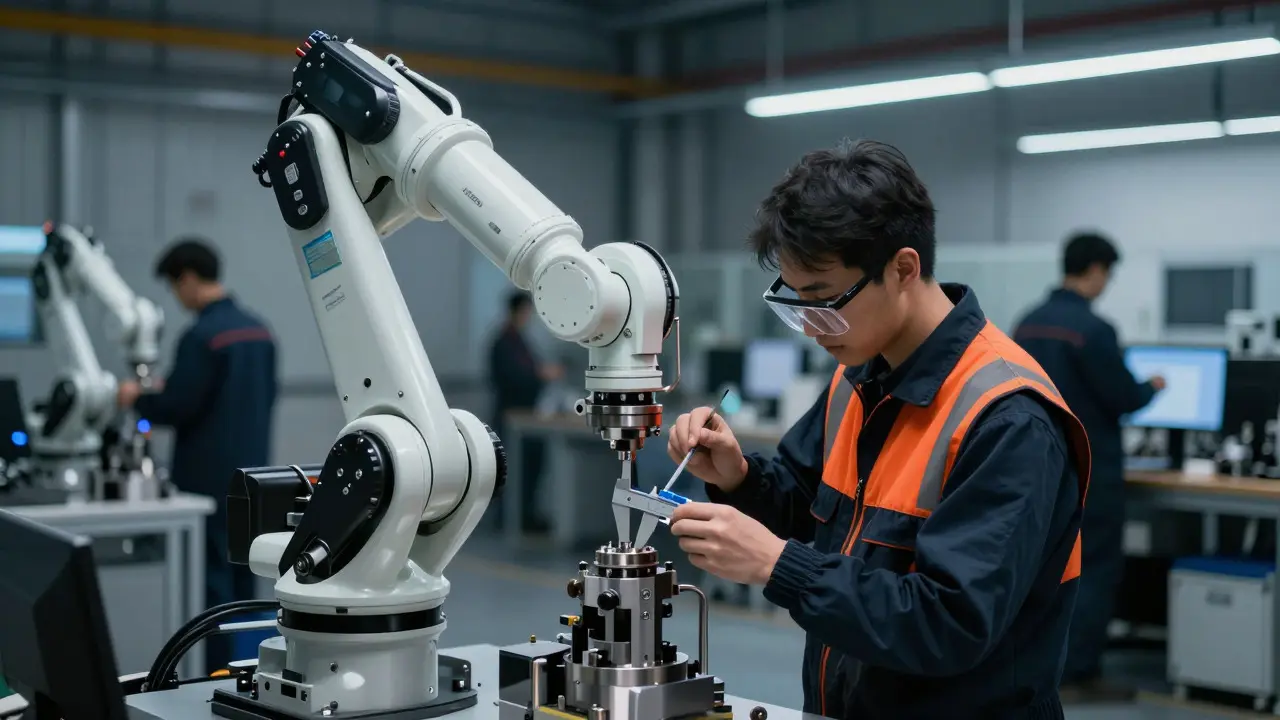
Imagine a factory floor in Manchester where a technician fixes a precision robot arm. Now picture the same role in Stuttgart or Osaka. The machine is identical. The software is the same. But the person fixing it? They were trained differently. This gap isn't just about education; it's about how Britain positions its skilled workforce against the rest of the world. In a global economy, raw talent doesn't win. Structured, high-precision skills do. When we talk about British workforce skills in a global context, we are really talking about the tension between traditional craft heritage and the urgent need for advanced engineering capabilities.
The UK has a reputation for producing brilliant engineers. Think of the aerospace sector or high-performance automotive manufacturing. However, that reputation often masks a deeper structural issue. While universities produce theoretical knowledge, the pipeline from classroom to workshop remains fragmented. For a business leader looking at global ownership strategies, this matters. You don't just buy a company; you inherit its human capital. If that capital lacks specific, standardized technical proficiency, the acquisition value drops significantly. Understanding this dynamic is crucial for anyone involved in international business operations or talent strategy.
The Heritage of Craft vs. The Demand for Tech
Britain’s industrial history is built on hands-on expertise. From shipbuilding in Glasgow to watchmaking in London, the concept of "craft" implies mastery through repetition and mentorship. This model worked beautifully when technology moved slowly. Today, however, the pace of change is relentless. A modern engineer needs to understand not just mechanics, but also data analytics, IoT connectivity, and sustainable material science. The challenge is bridging these two worlds. We have a generation of artisans who know materials intimately but struggle with digital interfaces. Conversely, we have computer scientists who can code algorithms but lack an intuitive feel for physical tolerances. The sweet spot-and the competitive advantage-lies in professionals who possess both.
This duality creates a specific type of friction in the global market. European competitors, particularly Germany and Switzerland, have long integrated vocational training into their national identity. Their apprenticeship systems are state-supported, industry-aligned, and highly respected. In contrast, the UK’s approach has been more decentralized, relying heavily on individual employers and post-secondary colleges. This results in a patchwork of skill sets. One electrician in Leeds might be excellent at industrial maintenance but unfamiliar with the smart grid standards used in neighboring France. Standardization is the missing link that prevents British skills from scaling seamlessly across borders.
Vocational Training: The Missing Link
To fix this, we need to look closely at Vocational Education and Training (VET). VET is not just a backup option for students who don’t go to university. It is the engine room of advanced manufacturing. The problem in the UK has historically been the perception that VET is second-class. This stigma keeps wages lower and recruitment harder. To compete globally, we must reframe VET as elite technical preparation. Imagine a program where a 16-year-old spends three days a week in a university lab learning physics and two days in a factory floor building prototypes. That hybrid model produces graduates who are ready to work on day one, saving companies months of onboarding time.
Consider the case of the aerospace supply chain. Companies like Rolls-Royce require technicians who can calibrate jet engines to micron-level precision. These roles cannot be filled by generalist hires. They require specialized, long-term training. When such specialists move to countries with better compensation packages or clearer career ladders, the knowledge drain is real. Retaining this talent requires more than just pay; it requires a culture that values technical progression as much as managerial advancement. Global competitors are already doing this. They offer dual-track careers where a master technician can earn as much as a middle manager, provided they maintain their technical edge.
Advanced Engineering and Digital Integration
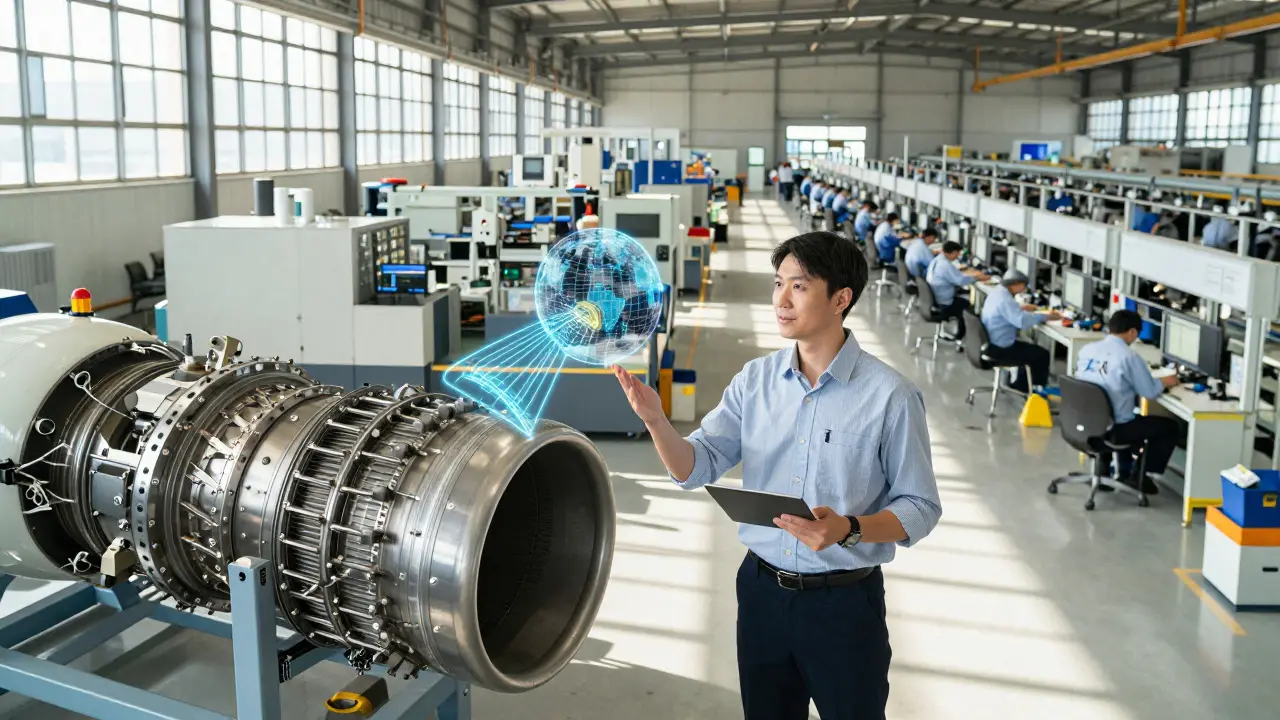
Let’s talk about Advanced Engineering. This isn't just about building things; it's about simulating them before they exist. Digital twins, predictive maintenance, and AI-driven quality control are now standard in top-tier factories. British engineers are world-class in design, but the implementation of these digital tools in the shop floor often lags behind. Why? Because the people operating the machines aren't always trained in the digital layer. An operator who understands the mechanical limits of a CNC machine but ignores the sensor data telling them a bearing is failing is a liability. Training must therefore be bifurcated: deep mechanical understanding plus robust digital literacy.
This integration affects global supply chains directly. If a UK-based manufacturer exports components to Asia, the receiving plant needs to understand the specifications embedded in the digital file. If the original team didn't train their counterparts in those digital protocols, errors happen. Quality control failures follow. In a global context, skills transfer is as important as product export. Companies that invest in cross-border training programs see higher retention rates and fewer defects. It’s a simple math: better-trained workers mean fewer recalls, which means higher profit margins.

Comparing National Models
To understand where Britain stands, we need to compare it with other major economies. The table below highlights key differences in how nations approach technical workforce development. These metrics matter because they predict how easily a country can adapt to new technologies and how stable its industrial base is over time.
| Country | Primary Model | Key Strength | Main Weakness | Global Mobility Index |
|---|---|---|---|---|
| United Kingdom | University-led + Employer Apprenticeships | Innovation & Design | Fragmented Standards | High |
| Germany | Dual System (School + Company) | Standardization & Precision | Bureaucratic Rigidity | Medium |
| Japan | Lifelong Corporate Training | Quality Control & Discipline | Cultural Insularity | Low |
| USA | Community Colleges + Corporate R&D | Scale & Adaptability | Inconsistent Quality | Very High |
Notice the "Global Mobility Index." This refers to how easily skills translate across borders. German technicians are highly portable because their certifications are recognized internationally due to strict national standards. British skills are valuable but often require re-validation or additional training when moved to different regulatory environments. This friction costs money. For a multinational corporation, hiring a local expert in each region is expensive. Hiring a mobile expert who can deploy anywhere is cheaper and faster. The UK needs to make its credentials more universally recognizable to capture this advantage.
The Role of Global Ownership Strategies
When we discuss global ownership, we aren't just talking about buying assets. We are talking about integrating teams. If a US firm acquires a British engineering firm, the cultural clash in work styles can derail the project. American firms often prioritize speed and iteration. British firms may prioritize precision and documentation. Both are valid, but they need to be harmonized. The common ground is usually found in the technical standards themselves. By establishing a shared language of engineering practice, leadership can bridge the cultural gap. This is why training isn't just an HR issue; it's a strategic M&A tool.
Furthermore, remote work has changed the dynamics. A designer in Bristol can collaborate with a machinist in Birmingham in real-time. But only if they share the same digital tools and terminology. The skill set required now includes communication protocol management. Engineers must be able to explain complex issues clearly to non-engineers, whether they are in the next room or on another continent. This soft skill is often overlooked in technical training but is critical for global success. It turns a group of individuals into a cohesive unit.
Future-Proofing the Workforce
Looking ahead, the biggest threat to British workforce skills isn't competition from abroad. It's obsolescence. Technologies like additive manufacturing (3D printing) and robotics are changing what it means to be a "maker." A worker who only knows how to weld steel is at risk. A worker who knows how to weld steel AND program the robotic arm that places the filler metal is secure. This hybrid skill set is the future. Universities and colleges must update their curricula annually, not every decade. Industry leaders should fund these updates directly, knowing that a skilled workforce reduces their operational risks.
Policy makers also play a role. Tax incentives for companies that invest in continuous upskilling would help. Currently, many small businesses hesitate to train staff because they fear the employee will leave for a competitor. If the government subsidized part of this training cost, the barrier would drop. This creates a virtuous cycle: better training leads to higher productivity, which leads to higher wages, which attracts more talent. It’s a simple economic loop that benefits everyone involved.
Practical Steps for Leaders
If you are leading a team in the UK or managing global operations, here are concrete actions you can take today. First, audit your current skill gaps. Don't guess. Use data to identify where your team struggles. Is it coding? Is it manual dexterity? Is it project management? Once you know the gap, partner with local educational institutions. Many colleges are eager to work with industry but lack direction. Give them a brief, and they will deliver tailored solutions.
Second, implement internal mobility programs. Allow engineers to rotate through different departments. Let a software developer spend a week on the factory floor. Let a machinist sit in on a design review. This cross-pollination builds empathy and technical breadth. Third, standardize your documentation. Create clear, accessible guides for every process. If a new hire in London can understand the same manual as a new hire in New York, you have achieved true global readiness. Finally, measure outcomes. Track defect rates, onboarding time, and employee satisfaction before and after training interventions. Data proves the value of investment to stakeholders.
Frequently Asked Questions
Is vocational training less prestigious than university degrees in the UK?
Historically, yes, there has been a stigma. However, this is changing rapidly. With the rise of advanced manufacturing and tech integration, high-level vocational qualifications are increasingly respected. Many top engineering firms now value specific technical certifications as much as general degrees, especially when combined with practical experience. The shift is driven by the demand for job-ready talent rather than theoretical knowledge.
How does the British model compare to the German dual system?
The German dual system integrates school and workplace training from age 15 or 16, creating a very standardized output of skilled workers. The British model is more flexible but less standardized. This allows for greater innovation and diversity in approaches but can lead to inconsistencies in skill levels across regions. For global mobility, the German model often provides easier credential recognition, while the British model offers more adaptable, creative problem-solvers.
What are the most in-demand skills for advanced engineering roles in 2026?
In 2026, the most sought-after skills include digital twin simulation, predictive maintenance analytics, and sustainable material science. Pure mechanical knowledge is no longer enough. Employers want engineers who can interpret data from IoT sensors and apply it to physical processes. Additionally, strong communication skills are critical, as engineers must collaborate with global teams using shared digital platforms. The ability to bridge the gap between hardware and software is the key differentiator.
How can companies retain skilled workers in a competitive global market?
Retention comes from offering clear career paths that value technical depth, not just management. Many skilled workers leave because they feel their expertise is undervalued compared to administrative roles. Creating dual-track career ladders where senior technicians earn comparable salaries to managers helps. Additionally, investing in continuous learning ensures employees feel their skills remain relevant. Offering opportunities for international collaboration also increases job satisfaction and loyalty.
Does remote work affect the quality of technical training?
Remote work changes the delivery method, not necessarily the quality, provided the right tools are used. Virtual reality (VR) simulations allow for hands-on practice without physical presence. Collaborative digital whiteboards enable real-time problem-solving. The challenge is maintaining the informal knowledge transfer that happens in physical workshops. To mitigate this, companies should combine remote digital training with periodic in-person workshops. This hybrid approach ensures both efficiency and depth of understanding.