British Startups and Specialists: The Next Wave of Low Volume Innovators
 Aug, 17 2026
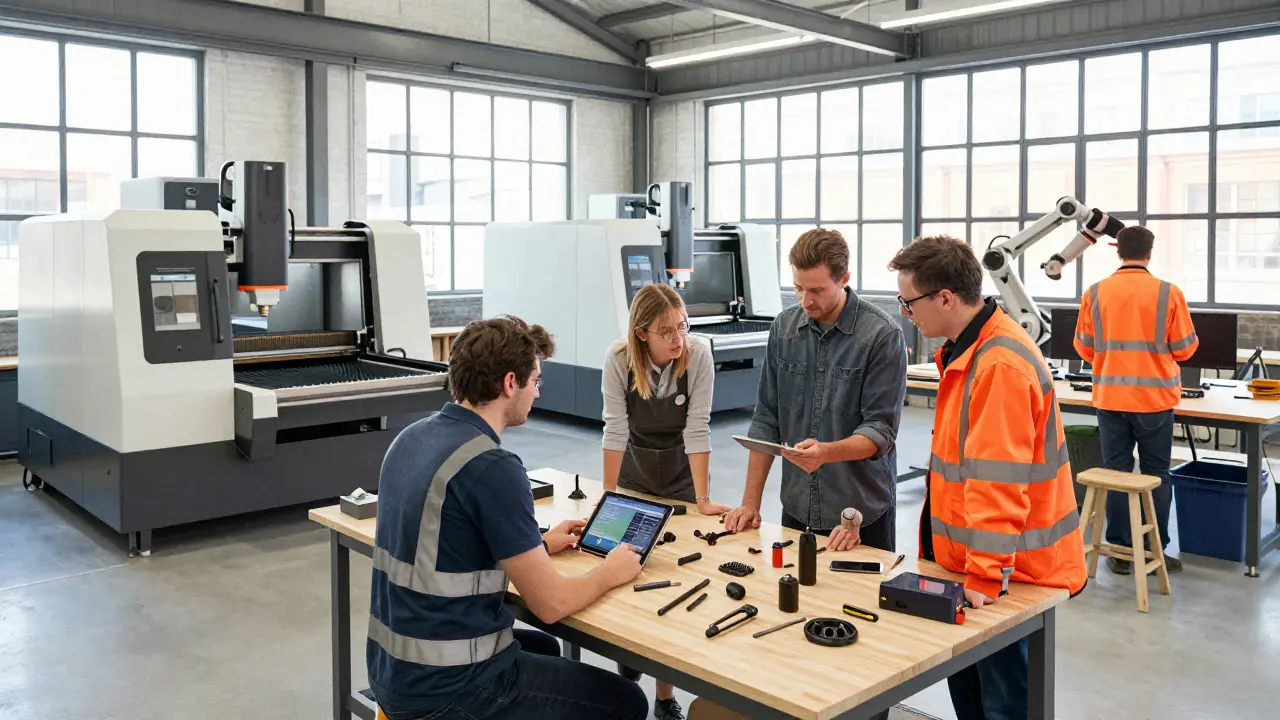
There is a quiet revolution happening in the British industrial landscape. It isn’t about mass production lines churning out thousands of units a day. Instead, it’s about small batches, high precision, and deep expertise. We are seeing a surge of British startups that specialize in making things others have given up on. These are the low volume innovators, and they are reshaping how we think about manufacturing in the UK.
The Shift from Mass to Niche
For decades, the global economic model favored scale. If you couldn’t make millions of identical items cheaply, you didn’t stand a chance. But that logic is breaking down. Consumers today want specific features, sustainable materials, and products tailored to their needs. Large manufacturers find it too expensive to retool their factories for runs of just 50 or 100 units. This gap has created a perfect environment for agile specialists.
In cities like Bristol, Sheffield, and London, new workshops are popping up. They don’t compete on price; they compete on capability. A startup in Manchester might produce custom electric bike frames using recycled aluminum, while a firm in Cambridge develops micro-sensors for medical devices. These businesses thrive because they solve problems that big players ignore. The key attribute here is flexibility. Where a giant factory takes six months to change its output, these specialists can pivot in a week.
Why Low Volume Matters More Than Ever
You might wonder why anyone would pay more for a product made in small numbers. The answer lies in quality and customization. When a manufacturer produces only 200 units of a particular drone component, every single piece gets individual attention. There is no room for error, so there is no waste. This approach aligns perfectly with the growing demand for circular economy principles. Products last longer because they are built better, not just faster.
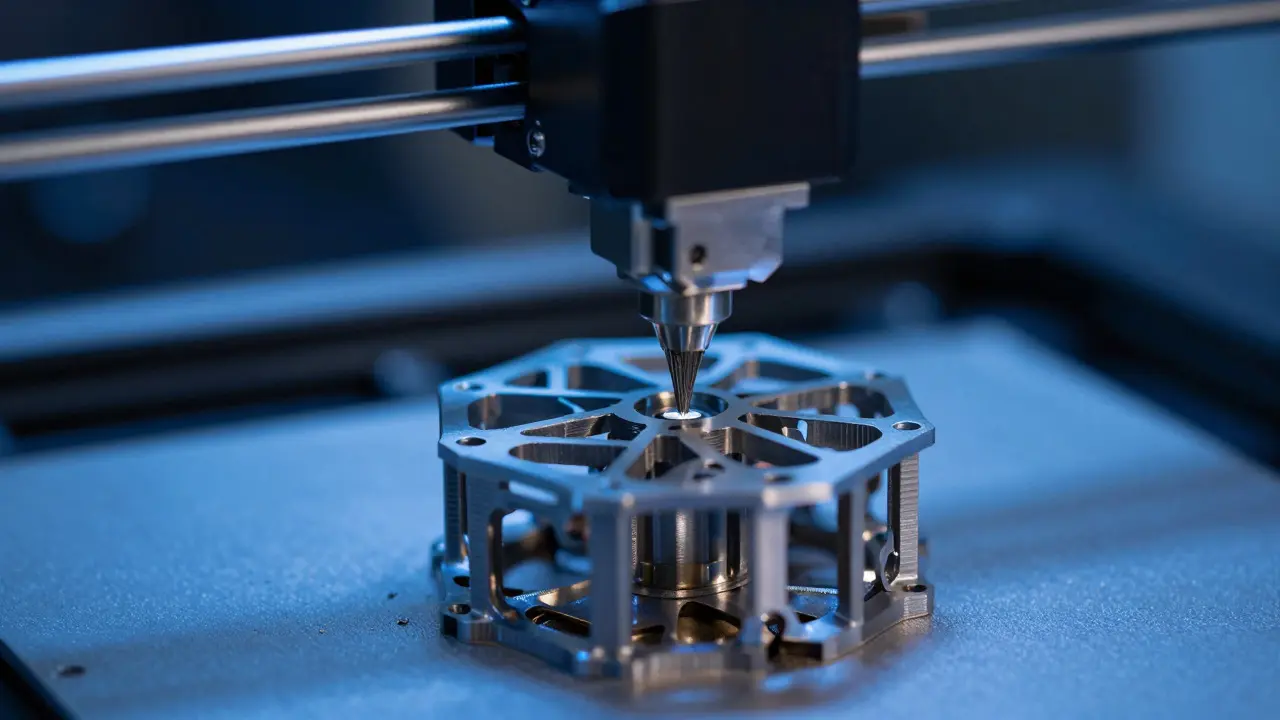
Consider the aerospace sector. Major aircraft manufacturers still rely on traditional supply chains. However, emerging companies are using additive manufacturing, commonly known as 3D printing, to create complex parts that were previously impossible to machine. These parts are lighter, stronger, and made on-demand. This technology allows for rapid prototyping, which means a design can go from concept to physical object in days rather than months. For engineers, this speed is invaluable.
Key Technologies Driving the Change
Several technologies are enabling this shift. First, there is additive manufacturing. Unlike subtractive methods where you cut away material, additive processes build objects layer by layer. This reduces material waste by up to 90% in some cases. Second, computer-aided design (CAD) software has become more accessible. Small teams can now simulate stress loads and thermal performance without needing a supercomputer. Third, digital twins allow manufacturers to test virtual versions of their products before building a single physical unit. These tools lower the barrier to entry significantly.
Let’s look at a concrete example. A startup in Glasgow recently developed a series of robotic arms designed specifically for handling delicate electronic components. Traditional robotic arms are heavy and require massive calibration time. This new design uses lightweight carbon fiber and modular joints. Because they produce them in low volumes, each arm can be configured to the exact specifications of the client. This level of customization was unthinkable ten years ago due to the cost of tooling.
The Role of Government and Funding
Support for these innovators isn’t just coming from private investors. The UK government has recognized the value of advanced manufacturing. Programs through Innovate UK provide grants for research and development projects that push technical boundaries. These funds help cover the costs of testing and certification, which are often prohibitive for small firms. Additionally, regional growth deals have invested in infrastructure, such as shared fabrication labs. These facilities allow multiple startups to access expensive machinery like CNC machines or electron microscopes without buying them themselves.
This ecosystem creates a network effect. When one company succeeds, it attracts talent and suppliers to the area. Engineers who left large corporations for better work-life balance or creative freedom are finding opportunities in these specialist firms. The result is a brain gain for local communities. Knowledge flows between competitors and collaborators alike, accelerating innovation across the board.
Challenges and Pitfalls
It’s not all smooth sailing. Operating at low volume comes with significant challenges. Unit costs remain higher than mass-produced alternatives. To stay viable, these companies must charge a premium, which limits their market size. They also face cash flow issues. Selling a batch of 100 units doesn’t generate the same steady revenue stream as selling 10,000. Many startups fail not because their product is bad, but because they run out of money waiting for payments.
Supply chain fragility is another risk. Relying on a single supplier for a critical component can halt production if that supplier faces delays. Diversifying suppliers adds complexity and cost. Furthermore, scaling up is tricky. What works for producing 50 units a month may break down when you try to produce 500. Process discipline becomes critical. Companies need robust quality control systems that don’t rely solely on human inspection. Automation plays a key role here, even in small settings.

Comparing Production Models
To understand the value proposition, let’s compare the traditional mass production model with the low-volume specialist model. The differences are stark in terms of speed, cost structure, and customer focus.
| Attribute | Mass Production | Low Volume Specialization |
|---|---|---|
| Minimum Order Quantity | 10,000+ units | 10-100 units |
| Customization Level | Low (standardized) | High (tailored) |
| Time to Market | 6-18 months | 4-12 weeks |
| Unit Cost | Very Low | Moderate to High |
| Waste Generation | High (scrap/rework) | Low (precise fit) |
| Flexibility | Poor (retooling required) | High (rapid pivots) |
Success Stories from the UK
Take the case of a firm in Leeds that manufactures precision gears for wind turbines. Instead of competing with global giants, they focused on replacing worn-out parts for older installations. By offering rapid turnaround times and local support, they captured a loyal customer base. Their success hinged on understanding a specific pain point: downtime for wind farms is extremely expensive. Every hour a turbine is offline costs thousands in lost energy. By providing reliable, fast-replacement parts, they became an indispensable partner.
Another example is a London-based biotech startup creating lab-on-a-chip devices. These tiny devices perform blood tests using microliters of sample. The production process requires extreme precision, which is difficult to achieve in high-volume plastic injection molding. By using micro-machining techniques, the startup ensures consistent quality. They sell directly to hospitals and research labs, bypassing traditional distributors. This direct-to-consumer model improves margins and builds strong relationships with end-users.
What This Means for the Future
The rise of British low-volume innovators signals a broader trend toward distributed manufacturing. We are moving away from centralized hubs of production toward localized networks of specialists. This shift offers resilience against global supply chain disruptions. If a factory in Asia shuts down, a UK-based specialist can often step in to fill the gap. This geographic diversity is becoming a strategic advantage for many industries.
For entrepreneurs, the lesson is clear: find your niche. Don’t try to beat the giants on price. Beat them on speed, quality, and service. For customers, it means access to better products. You get items that are designed for your specific use case, not just for the average consumer. The future of manufacturing isn’t just about making more stuff. It’s about making the right stuff, exactly when and where it’s needed. And in Britain, a new generation of makers is leading the way.
What defines a low volume innovator?
A low volume innovator is a business that produces goods in small batches, typically fewer than 100 units per run, focusing on high precision, customization, and rapid iteration rather than mass scale efficiency.
Why are British startups excelling in this space?
The UK has a strong history of engineering excellence, access to world-class universities, and government funding programs like Innovate UK that support advanced manufacturing research and development.
Is low volume production always more expensive?
Yes, unit costs are generally higher due to lower economies of scale. However, the total cost of ownership may be lower for customers if the product requires less maintenance, lasts longer, or fits their application perfectly without modification.
How does additive manufacturing help these startups?
Additive manufacturing, or 3D printing, allows for complex geometries and minimal material waste. It eliminates the need for expensive molds and tooling, making it economically viable to produce unique or customized parts in small quantities.
What are the main risks for these businesses?
The primary risks include cash flow management due to irregular sales cycles, reliance on limited supplier networks, and the difficulty of scaling operations without sacrificing the quality and flexibility that define their brand.