British Sports Car Soundtracks: Inline Six, V12, and Four-Cylinder Notes Explained
 Oct, 9 2026
There is a specific moment when you turn the key in an old Jaguar E-Type or a Triumph Spitfire. It isn’t just about power; it’s about the voice. The sound of a British sports car is part of its soul, woven into the metal and rubber just as tightly as the suspension geometry. But why does one engine hum while another screams? Why does a small-bore four-cylinder feel so different from a silky inline-six?
You’ve probably heard terms like "balance factor" or "firing order," but let’s cut through the engineering jargon. We’re going to look at how three distinct engine layouts-the inline-four, the inline-six, and the V12-create their unique acoustic signatures. This isn’t just about what sounds nice; it’s about physics, history, and the mechanical choices that defined an era of motoring.
The Raw Energy of the Inline-Four
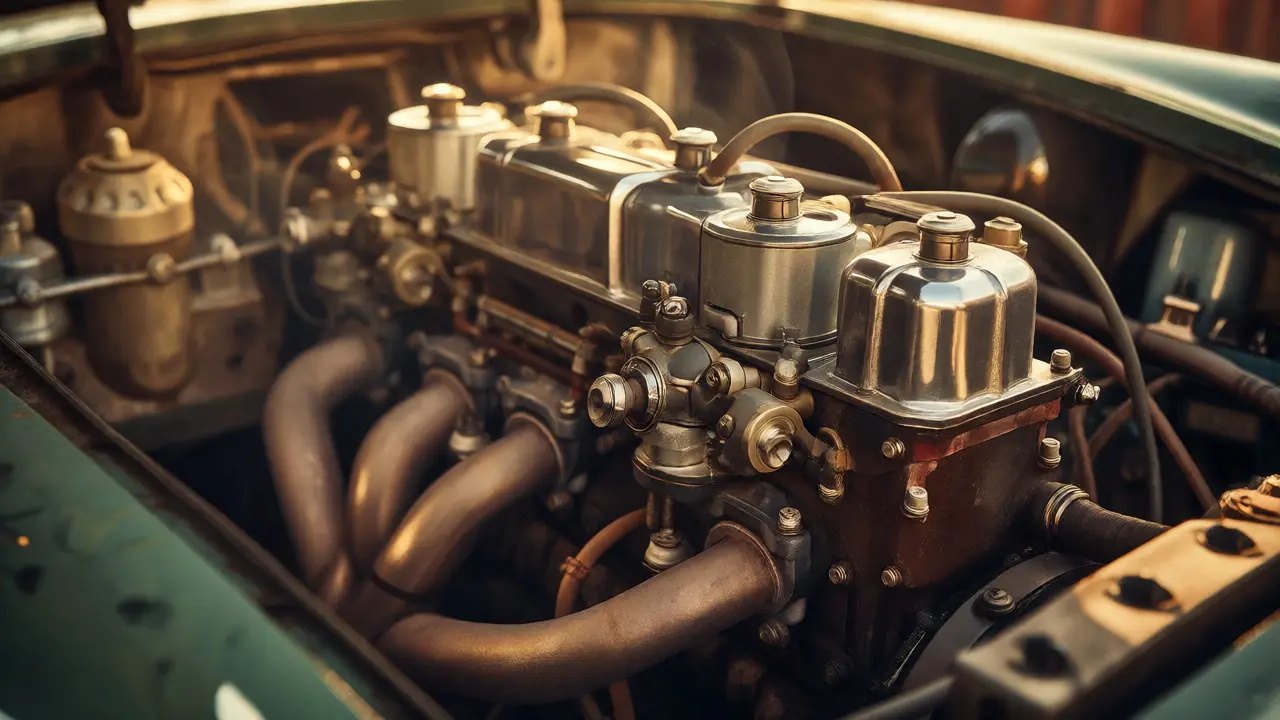
Start with the little guys. Think of the Singer Le Mans or the early MG Midgets. These cars used inline-four engines because they were cheap, light, and simple. But simplicity comes at a cost: vibration.
An inline-four has two pistons moving up while the other two move down. When they change direction, they create massive inertial forces. This causes the engine to shake side-to-side, which translates directly into the chassis and your seat. Acoustically, this creates a rougher, more staccato beat. You hear individual explosions rather than a continuous wave.
Why does it sound choppy? Because the firing intervals are uneven in many older designs, or simply because the secondary vibrations modulate the exhaust pulse. If you listen to a stock Cooper S, you get that distinctive "rat-a-tat" idle. It’s aggressive. It feels urgent. For small-displacement cars trying to compete with larger rivals, this noise was a feature, not a bug. It told you the engine was working hard. However, if you want smoothness, you need more cylinders.
The Golden Ratio of the Inline-Six
Now we enter the sweet spot for British motoring. From the Aston Martin DB5 to the Rover SD1, the inline-six (or straight-six) became the gold standard for GT cars. Why? Math.
In a six-cylinder engine, the primary and secondary inertial forces cancel each other out perfectly. The result is an engine that spins smoothly without needing heavy counterweights or balance shafts. This mechanical harmony allows the exhaust pulses to overlap slightly, creating a deeper, more resonant tone. Instead of distinct pops, you get a continuous baritone rumble.
| Engine Type | Primary Sound Character | Vibration Level | Famous Example |
|---|---|---|---|
| Inline-Four | Staccato, High-Pitched, Choppy | High (Secondary Imbalance) | Lotus Elan |
| Inline-Six | Deep, Smooth, Baritone Rumble | Negligible (Perfect Balance) | Jaguar XK |
| V12 | Complex, Screaming, Harmonic | Low (Inherently Balanced) | Aston Martin DB11 |
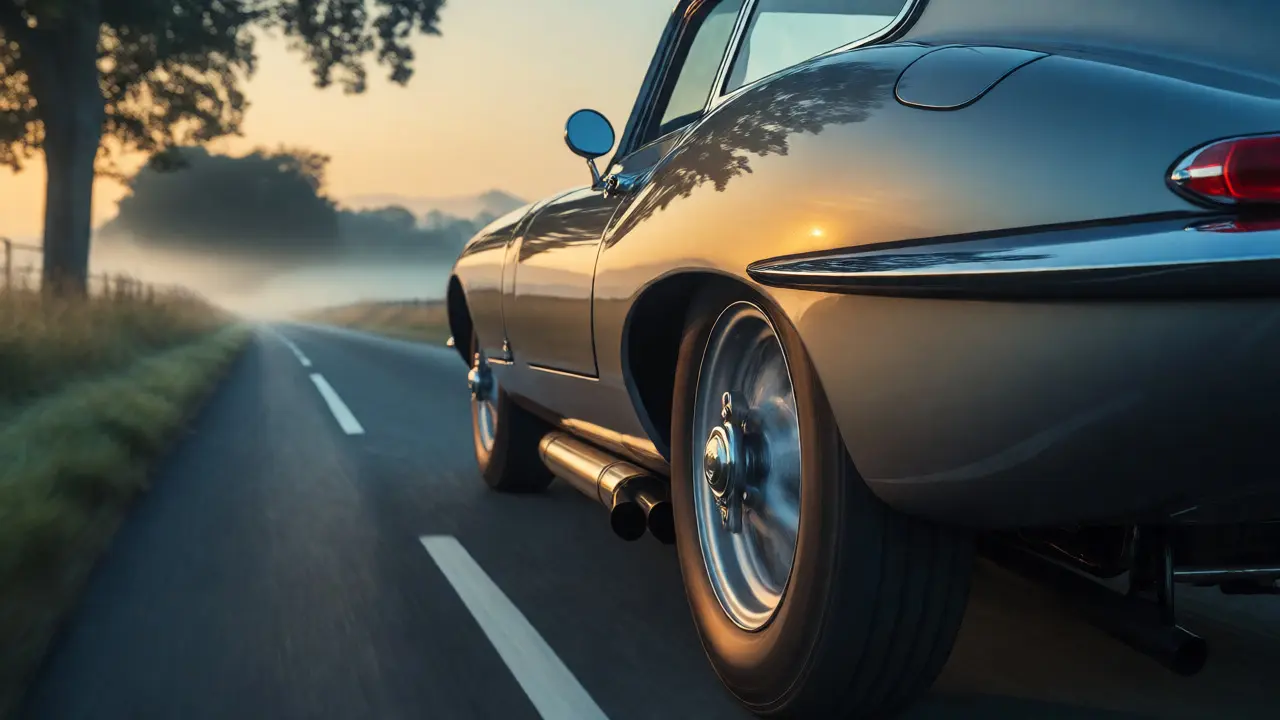
Listen to a Jaguar XK engine. That low-frequency growl isn’t just marketing. It’s the natural resonance of six cylinders firing in perfect sequence. The exhaust manifold design on these cars often emphasizes lower frequencies, giving them that "throaty" quality enthusiasts love. It sounds expensive because it is mechanically refined. You don’t hear the machinery fighting itself; you hear it singing.
The Symphonic Complexity of the V12
If the inline-six is a cello, the V12 is a full orchestra. Historically, Britain didn’t mass-produce V12s until later eras, mostly borrowing technology or building bespoke units for flagship models like the Lamborghini Countach (which used a Chrysler-derived V12) or Aston Martin’s modern turbocharged units. But the principle remains the same.
A V12 is essentially two inline-sixes joined at the crankshaft. Because each bank is inherently balanced, the entire engine runs incredibly smoothly even at high RPMs. This allows the engine to rev higher before hitting mechanical limits. Higher revs mean higher pitch frequencies. The sound shifts from a rumble to a scream.
But there’s more. A V12 fires twelve times per revolution compared to six for a straight-six. This doubles the frequency of the exhaust pulses. When you tune these pulses correctly, they can create constructive interference, amplifying certain notes. This is why V12s sound so complex. They have multiple harmonic layers. You might hear a deep bass note from the fundamental firing frequency, overlaid with a shrill whistle from the intake air rushing through the throttle bodies.
Consider the difference between a naturally aspirated V12 and a turbocharged one. Older British V12s were rare, but modern interpretations by companies like Aston Martin use twin turbos. Turbos dampen some high-frequency noise but add a distinct whine. Yet, the underlying character remains rich and layered, unlike the simpler tone of smaller engines.
Exhaust Systems and the "British Note"
Engine layout sets the stage, but the exhaust system writes the script. British manufacturers historically favored less restrictive exhaust systems than their American counterparts. In the US, emissions regulations forced mufflers that killed sound. In Europe, and particularly in the UK, performance-oriented cars kept pipes open longer.
Look at the Healey Sprite versus a contemporary American economy car. The Sprite had a short, direct exhaust path. This preserved the sharp crackle of deceleration. Unburnt fuel entering the hot exhaust manifold would ignite, creating those famous "pops" and "bangs." While sometimes annoying, these noises signaled responsiveness.
Conversely, luxury brands like Bentley or Rolls-Royce (though Rolls is technically Anglo-German now) aimed for silence. They used large resonators and baffled chambers to absorb sound waves. The goal was isolation. You wanted to hear the clock tick, not the pistons slap. This dichotomy-sporty noise vs. luxurious quiet-defined brand identity.
Modern Trends and Electronic Enhancement
Fast forward to 2026. Most new cars are quieter due to stricter global noise regulations. So how do you keep the spirit alive? Enter active exhaust valves and electronic sound enhancement.
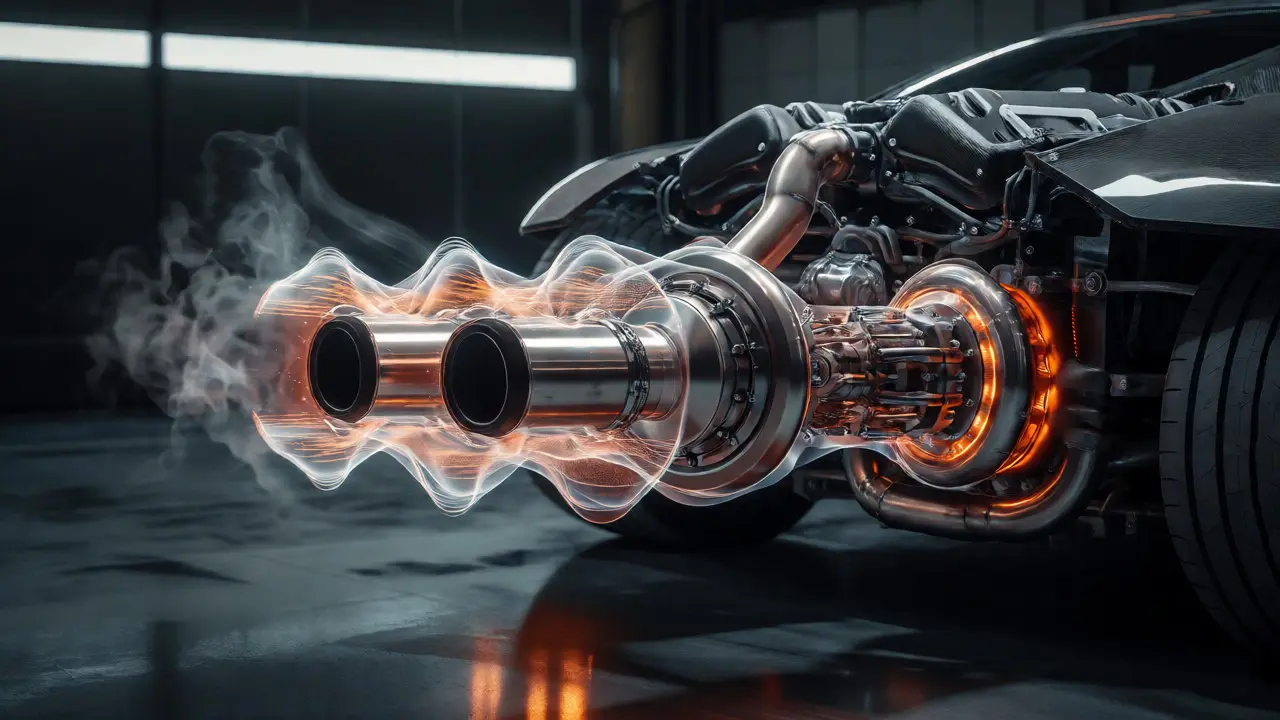
Many modern British sports cars, such as the current generation McLaren Artura or updated Jaguar F-Type, use bypass valves in the exhaust. At low speeds, the valves close, routing gases through mufflers for civility. When you floor the accelerator, valves open, dumping exhaust directly out the tips. This restores the raw volume and aggression of the past.
Some manufacturers even pipe synthetic sound into the cabin via speakers. Is this cheating? Purists say yes. Pragmatists say it preserves the emotional connection. Either way, the goal is the same: to make you feel the engine’s effort. Whether it’s a real inline-six popping on overrun or a digital simulation of a V8 roar, the soundtrack remains critical to the driving experience.
Why You Should Care About Engine Notes
Understanding these differences helps you choose a car that fits your personality. Do you like the tactile feedback of a rough inline-four? Go for a vintage Alfa Romeo or a Mini Cooper. Do you prefer effortless cruising? An inline-six Jaguar or BMW (historically linked to British engineering via Rover) will serve you well. Are you chasing auditory drama? A V12 or V8 is your ticket.
The sound of a car isn’t just background noise. It’s information. It tells you when to shift, how much load the engine is under, and whether the machine is happy. Losing that connection means losing part of what makes driving fun. As electrification takes over, we’ll likely see more artificial soundscapes. But for now, the internal combustion engine still offers a genuine, mechanical symphony that no algorithm can fully replicate.
Why do inline-six engines sound smoother than inline-fours?
Inline-six engines are inherently balanced mechanically. The primary and secondary forces cancel each other out, resulting in minimal vibration. This allows the exhaust pulses to merge into a smooth, continuous tone rather than distinct, choppy bursts found in inline-fours.
What causes the "pop" sound on deceleration in British sports cars?
This is usually caused by unburnt fuel igniting in the hot exhaust system during closed-throttle conditions. Less restrictive exhaust systems common in British sports cars allow these pressure waves to escape audibly, creating pops and bangs.
Are V12 engines louder than inline-six engines?
Not necessarily louder in terms of decibels, but more complex in frequency. V12s produce higher-pitched sounds due to higher RPM capabilities and more frequent firing events, creating a richer harmonic spectrum compared to the deeper baritone of an inline-six.
How did exhaust design influence the sound of classic British cars?
Classic British cars often featured shorter, less baffled exhaust systems to maximize performance. This allowed more of the engine's natural acoustic signature to reach the listener, preserving the aggressive character of the engine compared to heavily muffled American equivalents.
Do modern cars fake their engine sounds?
Many modern cars use Active Sound Design (ASD), which uses microphones and speakers to enhance or simulate engine noise inside the cabin. Additionally, active exhaust valves physically alter the exhaust flow to change the sound based on driving mode.