British Sports Car Maintenance: Practical Tips for Keeping Classics on the Road
 May, 18 2026
There is a specific sound that only comes from a V8 engine in a classic British sports car. It’s not just noise; it’s a conversation between metal, fuel, and history. But if you ignore the maintenance schedule, that conversation turns into a shout-and eventually, silence. Keeping these machines running isn’t about following a modern owner's manual. It’s about understanding the unique quirks of engineering from the 1960s and 70s.
You don't need to be a master mechanic to keep your heritage vehicle alive. You do need to be proactive. The difference between a barn find and a weekend cruiser often comes down to three things: moisture management, fuel system hygiene, and electrical integrity. Let’s look at how to handle these without losing your mind or your wallet.
The Rust War: Moisture Management
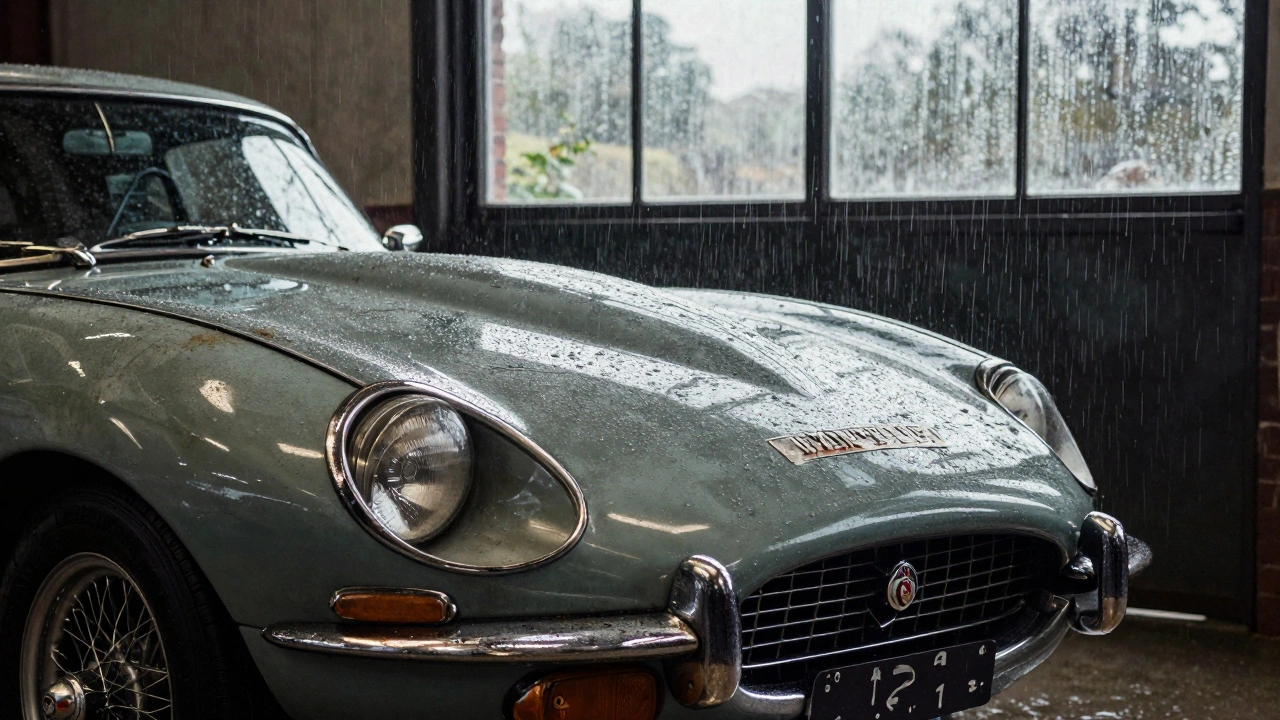
Rust is the single biggest threat to any classic car, especially those made in Britain where rain seems to be a permanent state of being. Unlike modern unibody cars with galvanized steel, many classics use mild steel that corrodes quickly once the paint chips.
Your first line of defense is keeping the interior dry. A damp floor mat is an invitation for rot. If you live in a humid climate, throw a few bags of silica gel or even cat litter (in a breathable bag) under the seats. Check the door drains every month. Clogged drains turn doors into water traps, leading to spongy carpets and structural decay.
For the exterior, wash the car regularly, but more importantly, wax it. Wax acts as a barrier against salt and acid rain. Don’t skip the wheel arches. That’s where road debris hits hardest. If you spot surface rust, sand it down to bare metal immediately. Apply a primer like epoxy-based self-etching primer, then topcoat. Ignoring a small spot today means cutting out a quarter panel next year.
- Check door drains: Ensure they are clear of leaves and dirt monthly.
- Wax frequently: Use a paste wax rather than synthetic sealants for better protection on older paints.
- Inspect seams: Look for cracks in body filler around joints.
Fuel System Hygiene: Carburetors vs. Injection
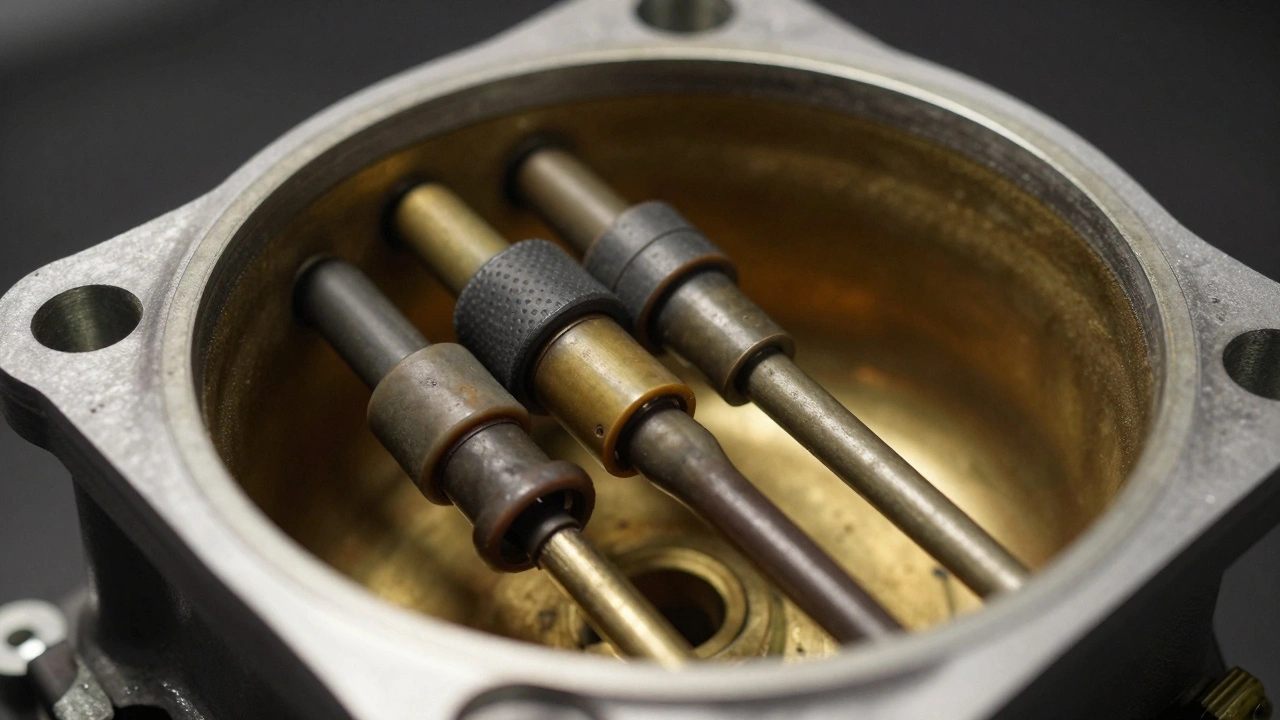
If your car has carburetors, likely Holley or Solex units, ethanol in modern gasoline is your enemy. Ethanol attracts water and dissolves varnish inside old rubber seals. This leads to sticking floats and clogged jets.
To combat this, add a fuel stabilizer like Sta-Bil every time you fill up. Even if you drive the car weekly, stabilizer helps neutralize the effects of ethanol. When storing the car for winter, drain the float bowls. Leaving fuel sitting over months guarantees gummed-up passages.
If you have electronic fuel injection (EFI), which is rare but exists on late-model classics like some Jaguars or Ferraris, the issue shifts to injectors. Old injectors can leak internally when cold. Keep an eye on fuel pressure regulators. A failing regulator can cause rich running conditions, fouling plugs and ruining converters.
| Component | Common Issue | Maintenance Action |
|---|---|---|
| Carburetor Floats | Sinking or sticking due to ethanol absorption | Replace floats with modern polyethylene ones annually |
| Fuel Lines | Cracking and leaking | Replace non-return lines every 3-5 years |
| Air Filter | Dirt ingestion causing lean mixture | Clean oil filters; replace paper filters yearly |
Electrical Gremlins: Wiring and Grounds
British wiring looms are famous for being fragile. The insulation becomes brittle over time, and connections oxidize. A common symptom is intermittent lights or erratic gauge behavior. Before blaming the alternator, check your grounds.
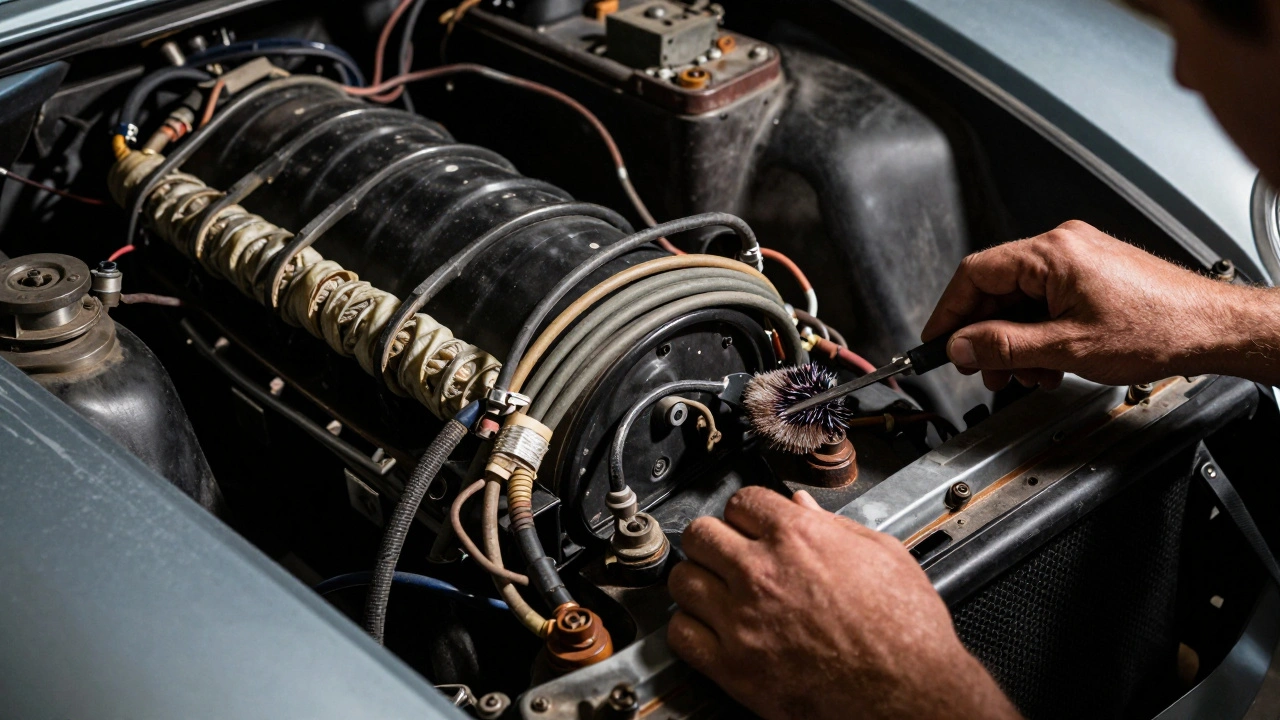
Ground points are usually located near the battery negative terminal and along the chassis rails. Clean these contacts with a wire brush until you see shiny metal. Apply dielectric grease to prevent future oxidation. Poor grounding causes voltage drops that confuse ignition systems, leading to hard starts and rough idles.
If your wiring is original and cracked, consider upgrading to a modern harness kit. Companies offer plug-and-play solutions that retain the classic look but use Teflon-insulated wires resistant to heat and oil. It’s a significant investment, but it saves hours of chasing ghosts in the dark.
Brake Systems: Fluid and Pads
Brake fluid absorbs moisture over time, lowering its boiling point. In a classic car with drum brakes or older disc setups, this can lead to brake fade during hard stops. Flush your brake fluid every two years. Use DOT 4 fluid for better heat resistance compared to standard DOT 3.
Inspect calipers and wheel cylinders for leaks. Seized caliper slides are common in cars that sit too long. Lubricate slide pins with high-temperature grease during pad changes. For drum brakes, adjust the star wheels regularly to ensure even wear. Uneven wear creates pull-to-one-side issues and reduces stopping power.
Tires and Suspension: Safety First
Never mount tires older than ten years, regardless of tread depth. Rubber degrades internally, increasing the risk of blowouts at speed. For classic aesthetics, look for bias-ply tires from brands like Firestone or BFGoodrich that meet modern safety standards while looking period-correct.
Suspension components wear out slowly. Bushings crack, ball joints loosen, and shocks lose their damping ability. Listen for clunks over bumps. Feel for wandering steering. Address these issues before they become dangerous. Upgrading to polyurethane bushings can restore factory alignment settings and improve handling without sacrificing ride comfort.
Storage Strategies: Winterizing Your Classic
If you park your car indoors, raise it on jack stands. This takes weight off the suspension and prevents flat spots on tires. Remove the battery and store it on a trickle charger. Lead-acid batteries self-discharge quickly in cold temperatures.
Before storage, change the oil. Combustion byproducts left in the oil can form acids that corrode internal engine parts over months. Run the engine briefly after the change to circulate fresh oil, then spray fogging oil into each intake port to coat cylinder walls.
How often should I drive my classic British sports car?
Aim to drive it at least once a week for 20 minutes. This keeps fluids circulating, charges the battery, and prevents seals from drying out. Short trips are better than no trips.
Can I use modern gasoline in my vintage carbureted engine?
Yes, but you must treat it. Modern gas contains ethanol which damages old rubber parts. Always add a fuel stabilizer and consider replacing natural rubber hoses with ethanol-resistant ones.
What is the best way to prevent rust in hidden areas?
Apply cavity wax or lanolin-based products to rocker panels, door frames, and underbody seams. These penetrate tight spaces and displace moisture, providing long-term corrosion protection.
Should I upgrade my braking system?
If you drive on highways, yes. Upgrade to larger diameter discs and multi-piston calipers if possible. At minimum, install braided steel brake lines for firmer pedal feel and reduced expansion under pressure.
How do I know if my wiring needs replacement?
Look for brittle insulation that cracks when bent. Check for green corrosion on connectors. If you experience random electrical failures, especially in wet weather, a new harness is likely needed.