British Sports Car Heritage: How Design and Engineering Shaped Global Performance
 Aug, 16 2026
Most people think of American muscle or German precision when they hear "performance car." But if you look at the DNA of modern high-speed driving, it’s almost entirely British. From the lightweight aluminum chassis of a Lotus to the raw power of a Jaguar, these brands didn’t just build cars; they built the rules for how cars should behave at speed.
The story isn’t about luxury or comfort. It’s about physics, weight reduction, and a stubborn refusal to compromise on driver engagement. This is how a handful of small workshops in Coventry, Hethel, and Woking changed the global automotive landscape forever.
The Lightweight Revolution: Why Less Is More
In the mid-20th century, the biggest enemy of performance wasn’t lack of horsepower-it was weight. Enter Colin Chapman, the founder of Lotus. His philosophy was radical: "Simplicity and lightness." While competitors were adding more steel and bigger engines, Chapman stripped everything down.
The Lotus 7 is the perfect example. Built with a simple tube frame and fiberglass body, it weighed less than 1,000 pounds. It wasn’t fast in a straight line compared to a Ferrari, but it could corner like nothing else on the road. This approach proved that handling beats raw power. If you can steer better, you can carry more speed through corners. This lesson became the foundation for all subsequent British sports cars.
- Weight Reduction: Using aluminum and composite materials instead of heavy steel.
- Driver Focus: Placing the driver low and central for optimal balance.
- Aerodynamics: Adding subtle curves to reduce drag without compromising style.
Jaguar: The Art of Elegance and Power
If Lotus was the brain, Jaguar was the heart. Founded in 1922 as Swallow Sidecar Co., Jaguar evolved into a symbol of British elegance. Their design language was distinct: long hoods, short rear decks, and flowing lines that looked fast even when standing still.
The Jaguar E-Type, launched in 1961, remains one of the most iconic cars ever made. Enzo Ferrari reportedly called it "the most beautiful car ever made." Underneath that stunning exterior lay a sophisticated independent suspension system and a powerful inline-six engine. The E-Type didn’t just compete with Italian supercars; it outperformed them in reliability and value, making high performance accessible to a broader audience.
Jaguar’s contribution to engineering was also significant. They pioneered the use of independent front suspension in production sports cars, which allowed for much better tire contact and stability during hard braking and acceleration. This technology trickled down to other manufacturers, raising the standard for what a "sports car" could feel like.
McLaren: Precision Meets Innovation
While Lotus and Jaguar focused on road-going icons, McLaren brought Formula 1 technology directly to the street. Founded by Bruce McLaren, a racing driver who died in a testing accident in 1970, the company has always been obsessed with data and aerodynamics.
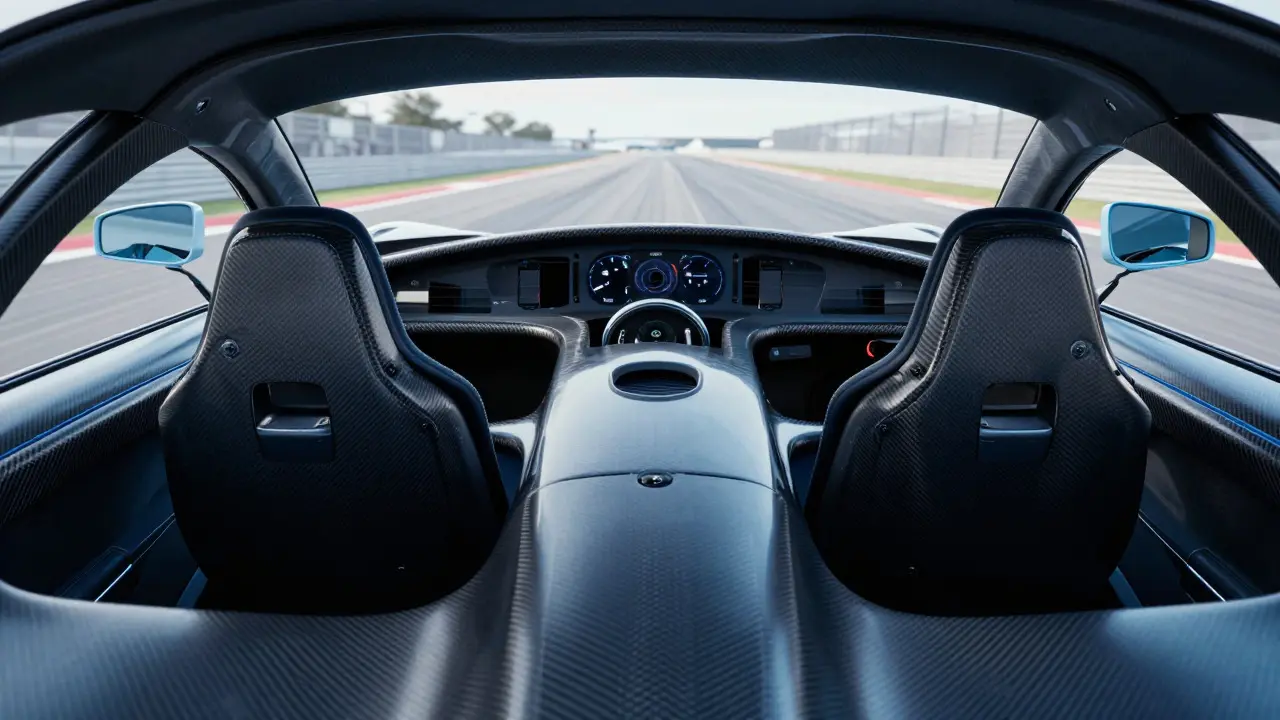
The McLaren F1, released in 1992, is often cited as the ultimate hypercar of its era. It featured a carbon fiber monocoque chassis, which was incredibly rare for a production car at the time. This material offered exceptional stiffness at very low weight, allowing the car to handle extreme speeds with pinpoint accuracy.
What made the F1 special wasn’t just its top speed (over 240 mph), but its driver-centric cockpit. The driver sat in the center, flanked by two passengers, giving an unobstructed view of the road ahead. This layout, borrowed from race cars, improved visibility and reduced blind spots, proving that safety and performance could coexist.

Engineering Excellence: The Technical Backbone
British sports cars are defined not just by their looks, but by their engineering choices. Three key technologies stand out as critical to their legacy:
- Independent Suspension: Unlike rigid axles, independent suspension allows each wheel to move separately over bumps. This keeps tires flat on the road, maximizing grip. Jaguar and Lotus were early adopters of this tech in sports cars.
- Mid-Engine Layouts: Placing the engine behind the driver balances the car’s weight evenly between the front and rear wheels. This reduces understeer (when the front wheels lose grip) and makes the car more predictable at high speeds. Lotus popularized this in road cars with models like the Elan.
- Aluminum and Carbon Fiber Chassis: Moving away from steel allowed engineers to create lighter, stiffer structures. This weight savings meant smaller engines could achieve similar performance, leading to better fuel efficiency and lower emissions-concerns that are increasingly relevant today.
Global Impact: How Britain Changed the World
The influence of British sports car heritage extends far beyond the UK. When Japanese manufacturers like Nissan and Toyota developed their own performance divisions in the 1980s and 90s, they studied British designs extensively. The Nissan Skyline GT-R, for instance, adopted many handling principles seen in Lotus and Jaguar models.
Even American manufacturers took cues from the Brits. Ford’s focus on driver engagement in the Mustang and later the Focus RS reflects the same philosophy of balancing power with controllability. The global trend toward electric vehicles also mirrors British engineering priorities: weight management and instant torque delivery.
| Model | Year | Key Innovation | Top Speed (mph) |
|---|---|---|---|
| Lotus 7 | 1952 | Extreme lightweight construction | ~100 |
| Jaguar E-Type | 1961 | Independent suspension & aesthetics | 150 |
| McLaren F1 | 1992 | Carbon fiber monocoque | 240+ |
Modern Relevance: The Legacy Continues
Today, British sports car heritage lives on in new forms. Brands like Aston Martin and Bentley continue to blend traditional craftsmanship with modern technology. However, the purest expression of this heritage is seen in limited-run hypercars and track-focused machines.
The shift to electric powertrains hasn’t killed the spirit of British sports cars; it has amplified it. Electric motors provide instant torque, which complements the lightweight chassis designs pioneered decades ago. Companies like Rimac and Pininfarina, while not strictly British, collaborate heavily with British engineering firms to develop next-generation performance platforms.
For enthusiasts, owning a piece of this history isn’t just about status. It’s about connecting with a lineage of innovation that prioritizes the driving experience above all else. Whether you’re driving a vintage E-Type or a modern hybrid supercar, the core principle remains the same: make every second on the road count.
Frequently Asked Questions
Why are British sports cars known for being lightweight?
British manufacturers, particularly Lotus, pioneered the use of aluminum and composite materials to reduce weight. This approach improves handling, acceleration, and braking efficiency, allowing smaller engines to perform like larger ones.
What is the most famous British sports car of all time?
The Jaguar E-Type is widely considered the most famous due to its stunning design and historical significance. However, the Lotus 7 and McLaren F1 are also highly revered for their engineering innovations and impact on the industry.
How did British engineering influence Japanese car manufacturers?
Japanese companies studied British handling dynamics and suspension systems in the late 20th century. This led to the development of high-performance models like the Nissan Skyline GT-R, which emphasized balance and driver control similar to British sports cars.
Are British sports cars reliable?
Historically, some models had mixed reliability records, but modern British sports cars have significantly improved in this area. Advances in manufacturing and quality control have made contemporary models more dependable than their vintage counterparts.
What role does carbon fiber play in modern British cars?
Carbon fiber is used for its high strength-to-weight ratio. It allows manufacturers to create stiff, lightweight chassis that improve handling and reduce overall vehicle mass, which is crucial for both performance and fuel efficiency.