British Luxury Car Personalization: Bespoke Craftsmanship and One-Offs
 Sep, 20 2026
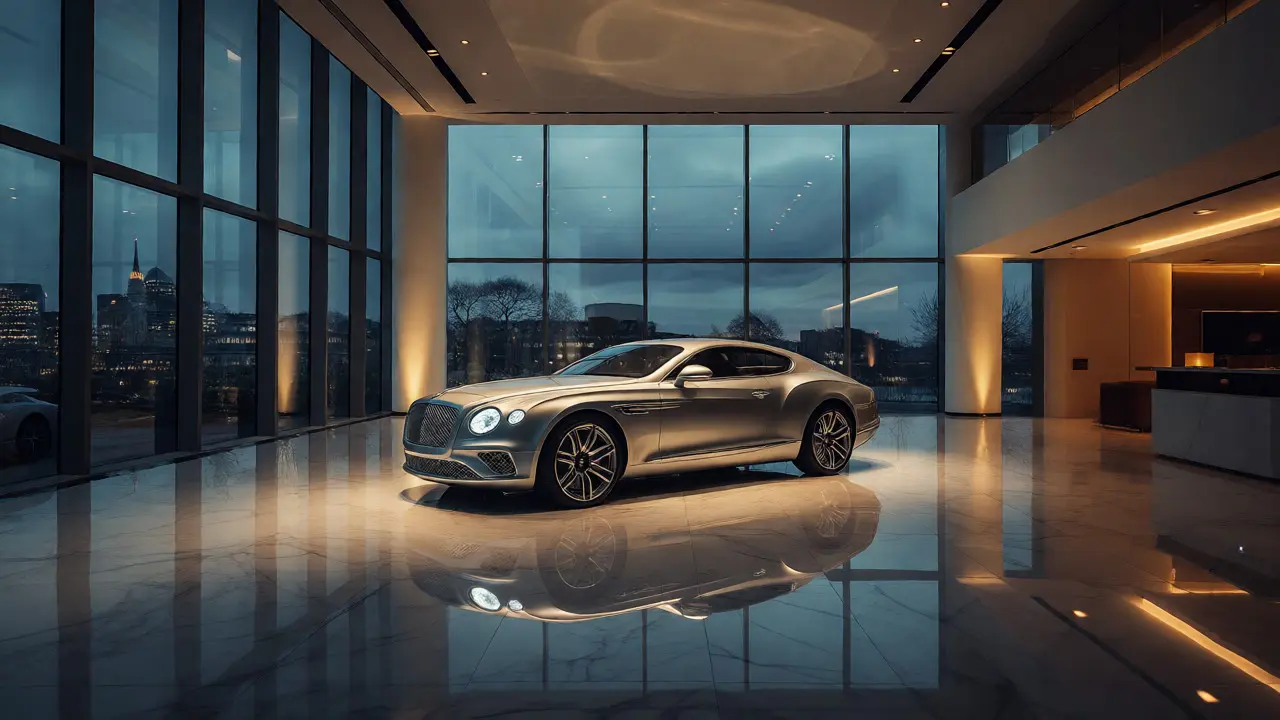
Imagine walking into a showroom in London or Crewe and realizing that the car sitting on the floor isn't just a vehicle-it's a mirror of your soul. That’s the power of personalization in British luxury cars. It’s not about adding a sunroof or choosing a metallic paint job. It’s about commissioning a rolling piece of art where every stitch, veneer, and switch tells a story unique to you.
For decades, brands like Rolls-Royce, Bentley, Aston Martin, and McLaren have pushed the boundaries of what a car can be. But recently, the trend has shifted from simple customization to true bespoke creation. We’re talking about one-offs-vehicles built once, never repeated, often costing millions. If you’ve ever wondered how these masterpieces come to life, or why a client might spend an extra £500,000 just for a specific shade of blue, you’re in the right place.
The Difference Between Customization and Bespoke
Let’s clear up a common misconception. Many people use "customization" and "bespoke" interchangeably, but in the world of high-end automotive, they are worlds apart.
Customization is picking options from a menu. You choose leather color A, B, or C. You select wheel design X, Y, or Z. The base structure remains identical to thousands of other cars.
Bespoke, however, is rewriting the menu entirely. It involves hand-stitched interiors using materials sourced specifically for you, custom woodwork cut from trees planted by your ancestors, or exterior paints mixed to match your favorite flower. It requires direct collaboration with designers and artisans over months or even years.
| Feature | Standard Customization | Bespoke / Coachbuilt |
|---|---|---|
| Lead Time | 3-6 months | 12-24+ months |
| Design Input | Select from catalog | Co-created with designers |
| Materials | Pre-approved suppliers | Sourced globally (e.g., rare woods) |
| Uniqueness | Shared with many owners | One-of-a-kind (OOO) |
| Cost Premium | +5-15% of base price | +50-200% of base price |
The Artisans Behind the Scenes
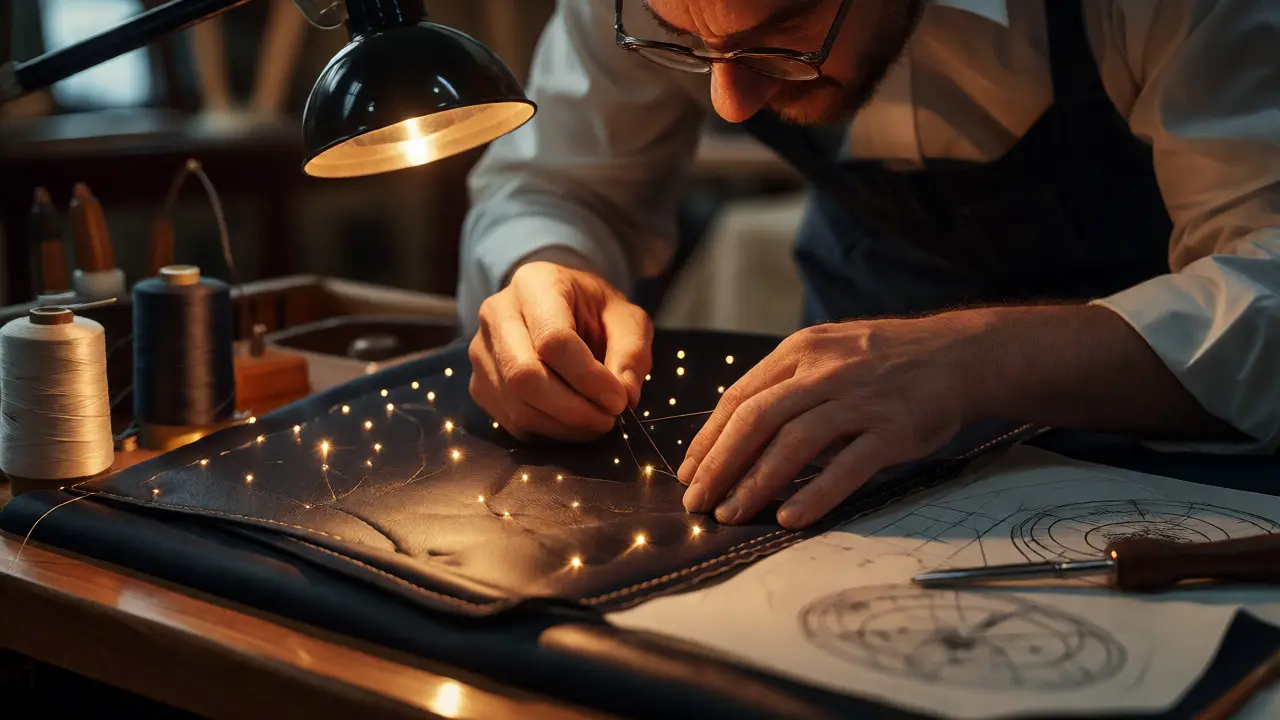
Who actually builds these cars? It’s not robots-at least, not when it comes to the parts that matter most. At Rolls-Royce’s Home of Rolls-Royce in Goodwood, West Sussex, artisans spend up to 450 hours crafting the interior of a single Phantom. They don’t just sew seats; they create starlight headliners featuring fiber-optic lights arranged to match the night sky on a specific date and location chosen by the owner.
Similarly, Bentley’s Mulliner division employs craftsmen who specialize in intricate embroidery. Imagine having your family crest stitched into the headrests using gold thread, or a map of your hometown embroidered into the door panels. This level of detail requires human eyes and hands, as machines still struggle with the irregularities of natural materials like hide and wood.
Aston Martin, based in Gaydon, takes a different approach with its Q department. Here, the focus is often on performance-oriented personalization. Clients might request carbon fiber bodywork painted in a color derived from a vintage watch dial, or engine bay covers engraved with coordinates of their favorite race track. The goal is to blend heritage with modern engineering precision.
Case Studies: Iconic One-Offs
To understand the scale of creativity involved, look at recent examples from these marquees.
- Rolls-Royce Boat Tail: Launched in 2021, this was one of the most expensive new cars ever sold, reportedly costing over $28 million. Only three were made. Each featured a rear deck inspired by classic yachts, complete with parasols and champagne coolers. The clients worked closely with designers for four years to ensure every detail reflected their lifestyles.
- Bentley Bacalar: Inspired by the R-Type Continental, this drop-top speedster was limited to 12 units. Buyers could specify everything from the color of the steering wheel stitching to the type of wood used for the dashboard. Some owners chose materials from their own estates, such as oak from a tree felled during a storm.
- McLaren MSO (McLaren Special Operations): Known for hypercars, McLaren’s bespoke arm creates one-offs like the Elva M1A, which featured a paint scheme matching a client’s private jet. The process included wind tunnel testing to ensure aerodynamic efficiency wasn’t compromised by custom aero kits.
These aren’t just cars; they’re investments in exclusivity. When a model is produced in such low numbers, resale value often holds strong-or even appreciates-if the provenance is well-documented.
The Process: From Sketch to Street
How does a bespoke car get built? It starts long before the metal is cut.
- Consultation: You meet with a dedicated account manager and designer. Bring inspiration-photos, fabrics, colors, memories. This phase can last several weeks.
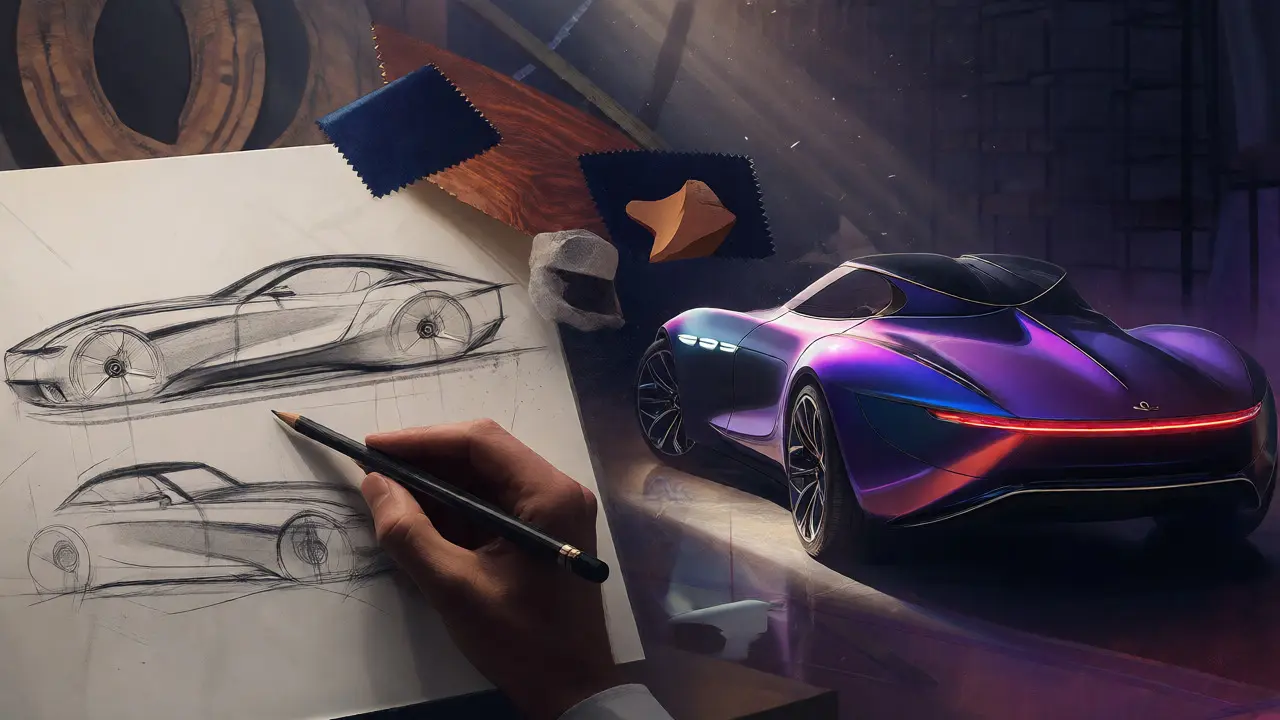
- Concept Development: Designers create digital renderings and physical clay models. You review them, tweak details, and approve the direction.
- Material Sourcing: For bespoke projects, materials may need to be hunted down. This could involve selecting hides from cattle raised in specific regions of Europe to ensure consistent grain and texture.
- Prototype Build: A mock-up is assembled to check fit and finish. Adjustments are made here, not on the final car.
- Final Assembly: The car is built by hand. Paint layers are applied and polished manually. Interior components are fitted with care.
- Delivery: Often done at the factory or a special event. You receive a book documenting the build process, including photos of your car being made.
This journey requires patience. Rushing a bespoke project compromises quality. Remember, you’re paying for time, skill, and rarity.
Why Choose British Brands for Personalization?
While German and Italian manufacturers offer excellent customization, British brands have a cultural advantage. Their heritage is rooted in coachbuilding-the practice of building custom bodies on chassis from the early 20th century. Companies like Park Ward and H.J. Mulliner were legendary for creating unique designs for royalty and tycoons.
This history informs today’s approach. British makers view each car as a legacy item. They emphasize storytelling through design. For instance, Rolls-Royce’s "Starlight Headliner" isn’t just a feature; it’s a nod to celestial navigation, appealing to those who value tradition and romance.
Moreover, British brands often provide more flexibility in modifying mechanical aspects without voiding warranties, thanks to their close relationship with specialized workshops. This allows enthusiasts to tailor driving dynamics to their preferences, whether that means softer suspension for comfort or stiffer settings for track days.
Practical Tips for Commissioning Your Own
If you’re considering a bespoke order, keep these points in mind:
- Start Early: Lead times are long. Begin planning at least two years before you want the car delivered.
- Be Specific but Flexible: Know what matters most to you. Is it the color? The material? The sound? Prioritize so designers can focus their efforts.
- Visit the Factory: Seeing the workshop firsthand helps set expectations. You’ll see the raw materials and meet the people who will touch your car daily.
- Document Everything: Keep records of all decisions. These add value to the car’s history file.
- Consider Resale: While uniqueness is desirable, extremely eccentric choices might limit future buyers. Balance personal taste with broader appeal if resale is important.
Frequently Asked Questions
What is the typical cost premium for a fully bespoke British luxury car?
The cost premium varies widely depending on the brand and complexity. For standard bespoke options, expect to pay 10-30% above the base price. For true one-offs or coachbuilt models like the Rolls-Royce Boat Tail or Bentley Bacalar, premiums can exceed 100-200%, reaching into the multi-million dollar range. Factors include rare materials, extensive labor hours, and exclusive design features.
How long does it take to build a bespoke Rolls-Royce or Bentley?
Standard customized vehicles typically take 3-6 months. However, fully bespoke commissions require significantly more time due to the design consultation, material sourcing, and hand-crafting processes. Expect 12-24 months for complex one-offs. Coachbuilt projects, involving unique bodywork, can take up to three years from initial sketch to delivery.
Can I use my own materials in a bespoke car?
Yes, many British luxury manufacturers allow clients to supply their own materials, provided they meet strict quality and safety standards. Examples include wood from a family estate, fabric from a specific textile mill, or even gemstones for interior accents. The manufacturer will test these materials for durability, fire resistance, and compatibility with vehicle systems before approval.
Do bespoke modifications affect the warranty?
Generally, no. Modifications performed directly by the manufacturer’s bespoke division (like Rolls-Royce Coachbuild or Bentley Mulliner) are covered under the standard factory warranty. However, third-party modifications after delivery might void certain warranty claims. Always confirm warranty terms with the dealer before making changes outside the official bespoke program.
Which British brand offers the most extensive personalization options?
Rolls-Royce is widely regarded as offering the most extensive personalization capabilities, particularly through its Coachbuild program. Their ability to alter structural elements, create unique lighting features, and source exotic materials sets a high bar. Bentley Mulliner follows closely, especially for sportier models, while Aston Martin’s Q department excels in performance-focused customizations.