British Leyland's Decline: How It Ended UK Volume Car Making
 Aug, 17 2026
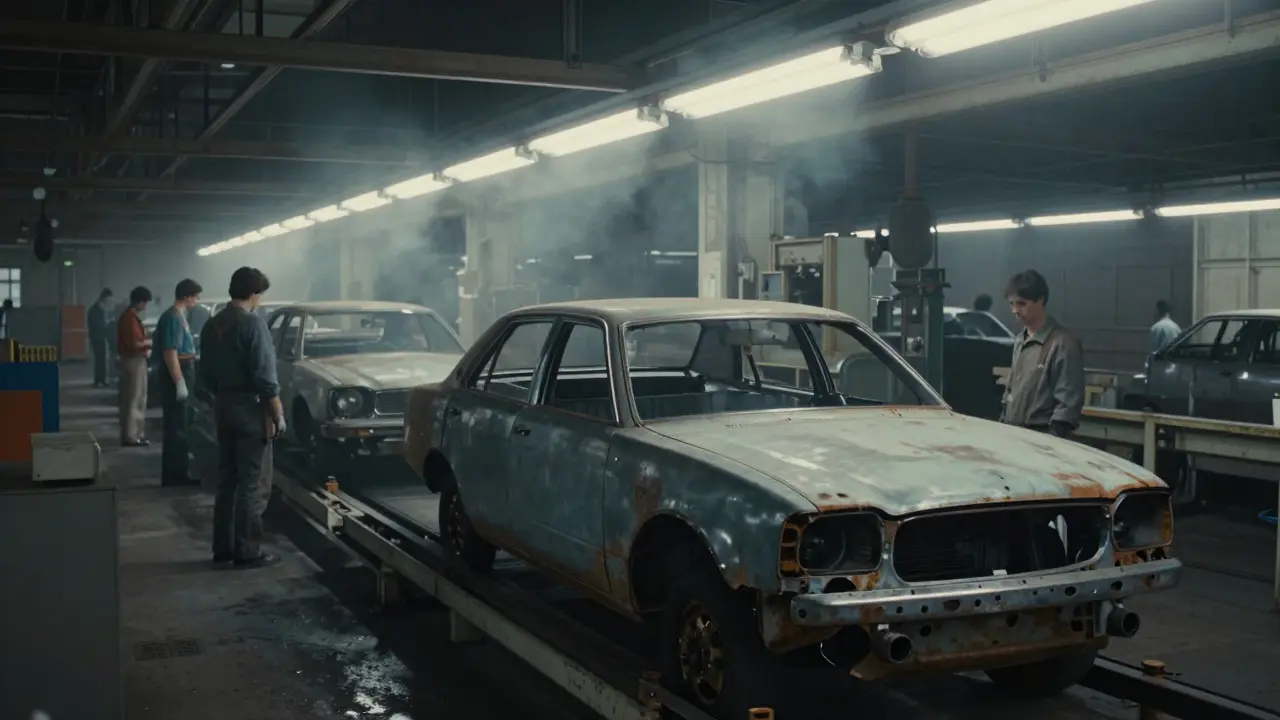
Imagine walking into a factory floor in the late 1970s. The air is thick with smoke, the machines are clanking loudly, and the workers look tired. This was the reality for British Leyland, the state-owned giant that tried to build every type of car the British public wanted. For decades, it seemed like the backbone of the nation’s automotive industry. But by the early 1980s, that backbone was breaking. The story of how one company failed to deliver reliable, affordable cars isn't just a sad tale; it fundamentally changed who could buy a new car in the UK and where those cars came from.
The Weight of Legacy: Why British Leyland Was Different
To understand the collapse, you have to look at what made British Leyland unique. It wasn't just a car company; it was a patchwork quilt of older brands stitched together after nationalization in 1975. The government merged Austin-Morris, Triumph, Rover, and Jaguar under one roof to stop them from fighting each other for market share. The idea was simple: if they worked together, they could compete with Ford and Vauxhall.
But there was a massive problem. The workforce had deep-rooted traditions that clashed with modern efficiency. Unlike competitors who were starting to adopt lean manufacturing principles, British Leyland factories were often held back by rigid union agreements. Workers had significant power over production schedules, which meant that if a line stopped, it stayed stopped until the issue was resolved on their terms. This created a culture where quality control was secondary to keeping the peace. As a result, the cars rolling off the line were often riddled with small defects that eroded customer trust.
The Quality Crisis: When Reliability Became a Luxury
In the 1970s, buying a British Leyland car felt like a gamble. Models like the Triumph Dolomite and the Austin Allegro were popular because they were cheap, but they were also notorious for rusting quickly and having electrical gremlins. If your car broke down, the wait time for parts could be weeks. This wasn't just an annoyance; it was a financial hit for families relying on their vehicles for work.
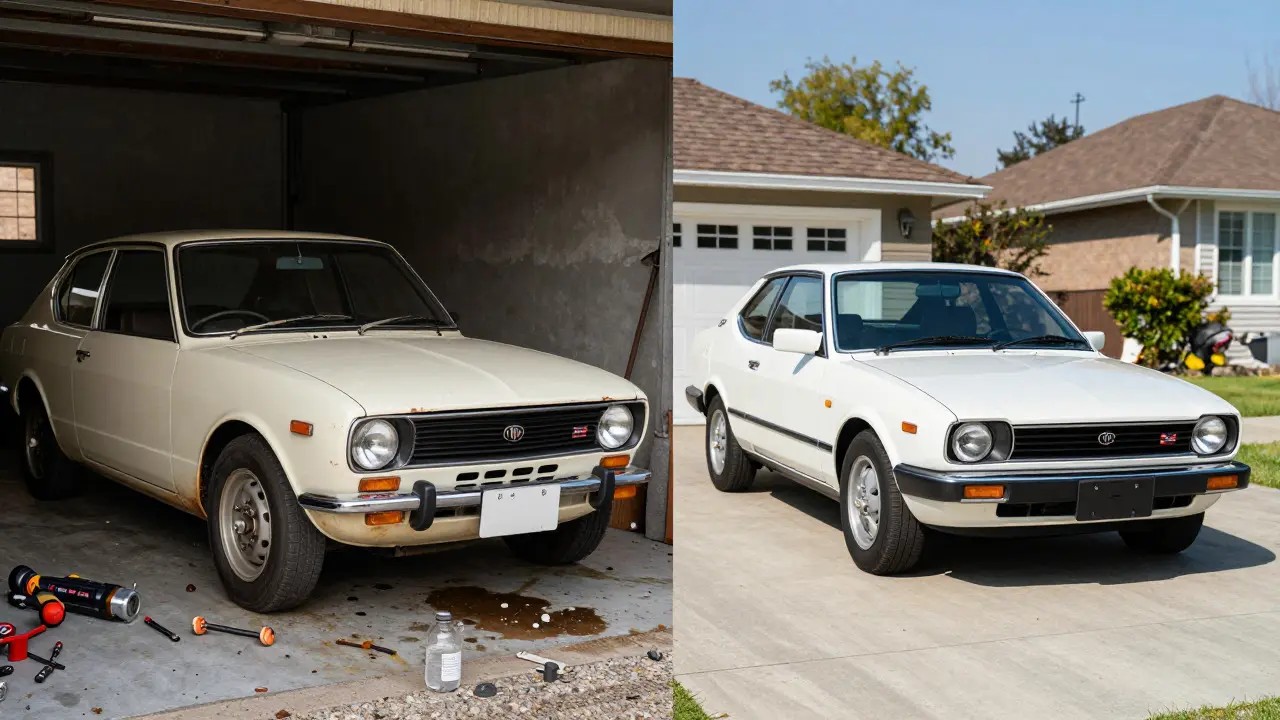
Compare this to the Japanese imports starting to arrive in the UK during the same period. A Toyota Corolla or a Honda Civic might cost more upfront, but they rarely needed repairs. The contrast was stark. British drivers began to see reliability as a feature worth paying for, not a bonus. This shift in consumer psychology was fatal for BL. They couldn't match the price of the Japanese cars without sacrificing even more quality, and they couldn't match the quality without raising prices above what the average worker could afford.
The Cost of Nationalization: Bureaucracy vs. Agility
Being owned by the state sounded like it should provide stability, but in practice, it slowed everything down. Decisions that took days at private firms took months at British Leyland. Every major change required approval from government ministers who understood politics better than engineering. Meanwhile, private rivals like Ford Motor Company were free to make quick decisions about product updates and marketing strategies.
This bureaucratic lag meant that when the market shifted toward smaller, fuel-efficient cars due to the oil crises of the 1970s, British Leyland was slow to react. They kept pushing larger, less efficient models because changing the production lines was politically difficult and expensive. By the time they finally introduced the Metro in 1980-a genuinely good car-it was too little, too late to save the entire brand image. The damage to their reputation had already been done.
The Rise of the Multinationals: Ford and Vauxhall Take Over
As British Leyland stumbled, its main domestic competitor, Ford, thrived. Ford didn't face the same internal conflicts because it operated with a clearer corporate structure. Their Escort and later the Fiesta became the default choices for millions of Britons. Vauxhall, backed by General Motors, also improved its game with the Cavalier.
The dynamic changed completely. Instead of three strong players competing, you had two foreign-backed giants (Ford and GM/Vauxhall) dominating the volume market, while the "national champion" (BL) faded into obscurity. For the average buyer, this meant that the choice between a "British" car and a "foreign" car became blurred. The identity of the car mattered less than whether it started reliably and held its value. This marked the end of the era where British engineering pride alone could sell a car.
The Human Impact: Job Losses and Regional Devastation
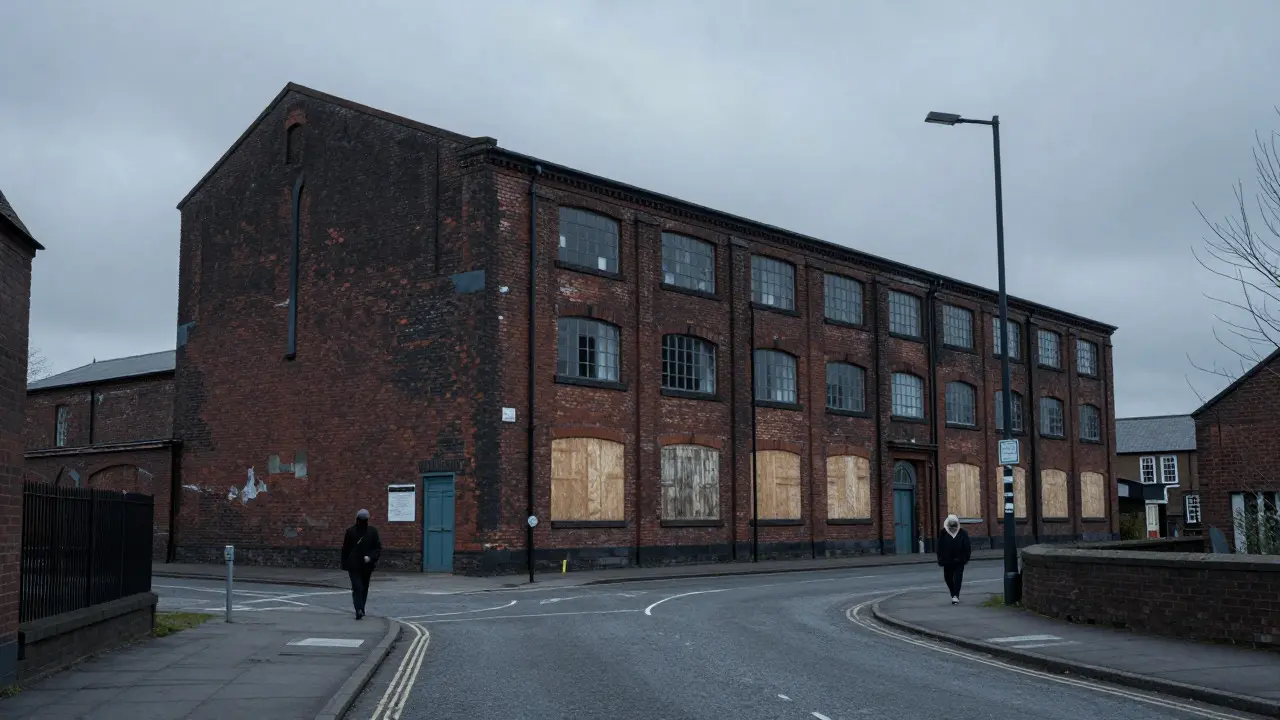
The decline of British Leyland wasn't just a business failure; it was a social crisis. Factories in Coventry, Longbridge, and Solihull employed thousands of skilled workers. When orders dried up, layoffs followed. Entire communities built around these plants saw their local economies shrink. Pubs closed, schools lost students, and housing values dropped.
The government tried to intervene with subsidies and bailouts, pouring billions of pounds into a sinking ship. Taxpayers funded the survival of companies that weren't profitable. This created resentment among the public, who saw their money going to inefficient operations while other industries struggled. The political fallout contributed to a broader shift in economic policy away from heavy state intervention in industry, paving the way for the privatizations of the 1980s.
What Remained: The Fragmented Brand Landscape
By the mid-1980s, British Leyland was effectively dead. It was broken up, with Rover being sold to the government again, then eventually to BMW, and the remaining assets absorbed into other entities. The legacy was a fragmented market. You no longer had one big British manufacturer; you had a collection of smaller, struggling brands trying to find their footing.
Today, the concept of a "volume" British car is largely a thing of the past. The mass market is dominated by global platforms shared across continents. A car bought in the UK is often the same model sold in Germany or Japan, just with different badges. The distinct British character of the 1970s-imperfect, passionate, but uniquely local-has been replaced by standardized, globally optimized products. For enthusiasts, this is a loss of soul. For consumers, it means higher reliability and lower costs, but less variety in the spirit of the vehicle.
Lessons for Modern Automotive Business
The fall of British Leyland offers clear lessons for today's auto industry. First, agility beats size. In a fast-moving market, the ability to pivot quickly is more valuable than having the largest workforce. Second, quality is non-negotiable. One bad reputation can take decades to fix. Third, don't ignore the consumer's true priority. They don't care about your heritage; they care about whether their car starts in the morning.
For investors and managers watching the current EV transition, the warning is clear. If you rely on government support to prop up an inefficient core business, you risk becoming a burden rather than a leader. The market will always reward those who solve problems efficiently and punish those who cling to outdated methods out of nostalgia.
Why did British Leyland fail despite government support?
Government support provided cash but didn't fix the underlying operational issues. Rigid labor practices, poor quality control, and slow decision-making processes prevented the company from competing with agile private rivals and efficient Japanese imports. Money couldn't buy reliability if the manufacturing process was flawed.
Which car replaced the British Leyland models in the mass market?
The Ford Escort and later the Ford Fiesta became the primary replacements for many BL models in the UK volume market. Vauxhall Corsa and Cavalier also gained significant share. These cars offered better reliability and resale value, shifting consumer preference away from BL brands.
Did any British Leyland brands survive long-term?
Rover survived for several more decades but was eventually acquired by BMW and later MG Rover before collapsing in 2005. Jaguar was sold to Ford and later Tata Motors, surviving as a luxury brand rather than a volume maker. The original BL structure never recovered its former dominance.
How did the decline affect UK employment?
The decline led to significant job losses in industrial towns like Coventry and Birmingham. Thousands of direct jobs were cut, and indirect jobs in supply chains and local services also disappeared. This contributed to long-term economic challenges in these regions.
Was the rise of Japanese cars the only reason for BL's failure?
No, while Japanese competition was a major factor, internal issues were equally critical. Poor management, labor disputes, and a lack of investment in modern manufacturing techniques meant BL couldn't compete even without external pressure. It was a combination of internal weakness and external threat.