British Leyland: Managing Austin, Jaguar, and MG
 Nov, 4 2026
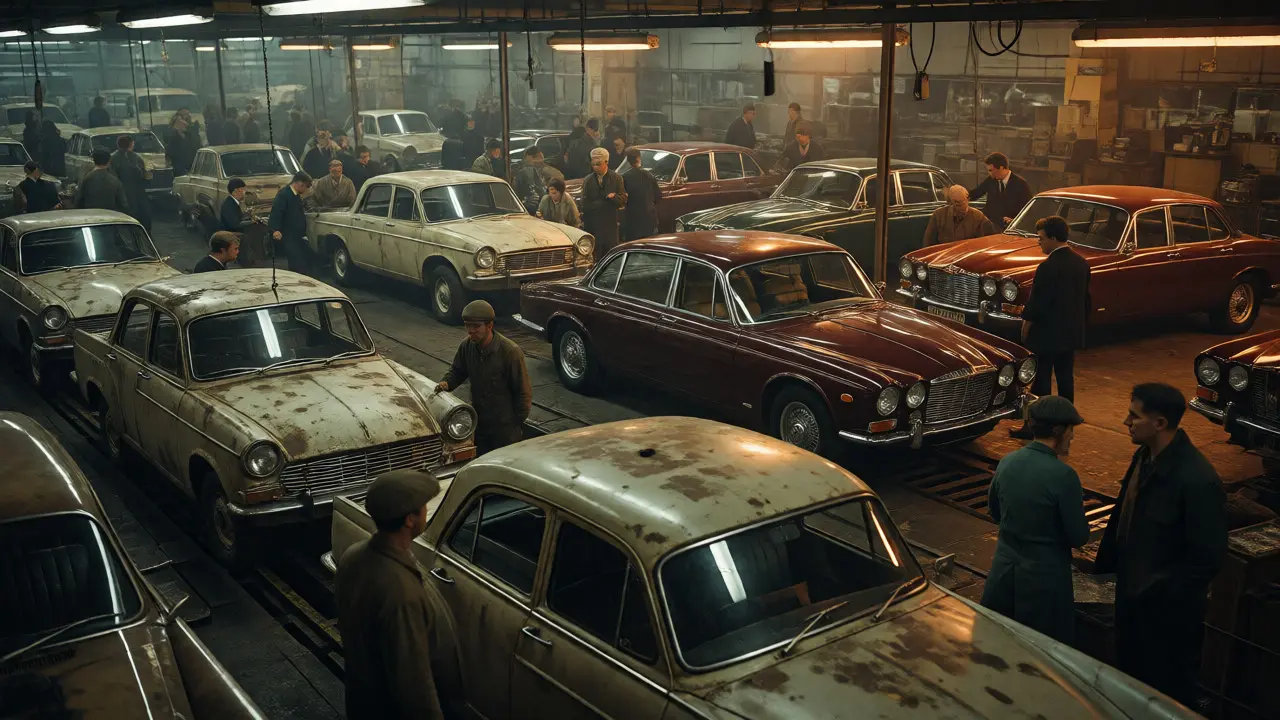
Imagine trying to run a family reunion where half the cousins hate each other, one group refuses to speak to the others, and everyone is fighting over who gets to drive the best car. That was British Leyland in the 1970s. It wasn’t just a company; it was a chaotic marriage of Austin, Morris, Jaguar, MG, Triumph, and Rover. On paper, it looked like a powerhouse. In reality, it was a management nightmare that defined an era of British automotive struggle.
The core problem wasn’t just bad cars-it was bad culture. You had the rugged, working-class ethos of Austin mixing with the aristocratic prestige of Jaguar. How do you manage brands that appeal to completely different people? This article breaks down how these competing marques collided, why the integration failed, and what lessons modern managers can learn from this industrial train wreck.
The Forced Marriage: Why These Brands Merged
To understand the chaos, you have to look at why these companies were forced together. By the late 1960s, the British car industry was crumbling. Companies were too small to compete with Ford or General Motors globally. The government stepped in, pushing for consolidation. First came the merger of Leyland Motors (which owned Standard-Triumph) and British Motor Holdings (which owned Austin and Morris) in 1968. This created British Leyland Motor Corporation (BLMC).
Then, in 1975, things got even messier. The government nationalized Jaguar and Daimler, dumping them into BLMC’s lap. Suddenly, you had luxury sports cars sitting on the same balance sheet as economy hatchbacks. The logic was financial rescue, but the execution ignored brand identity entirely. Jaguar drivers didn’t want to be associated with a leaking Austin Allegro. Austin buyers couldn’t afford a XJ12. Yet, they were all under one roof.
Cultural Clash: The Working Class vs. The Aristocracy
The biggest hurdle wasn’t engineering; it was ego. Jaguar saw itself as the Rolls-Royce of mass production. They prided themselves on hand-built finishes and heritage. Meanwhile, Austin was about volume, cost-cutting, and getting cars out the door fast. When these two cultures met inside BLMC, friction was inevitable.
Jaguar engineers felt their designs were being diluted by cheaper components shared with Austin models. Austin managers viewed Jaguar as an expensive hobby that drained resources. There was no common language. One side spoke of "prestige" and "provenance," while the other talked about "unit costs" and "production targets." This disconnect meant that cross-pollination of ideas rarely happened. Instead of sharing best practices, departments hoarded talent and technology.
Consider the XJ-S project. Jaguar wanted a sleek, high-performance convertible. But because it was part of BLMC, they faced pressure to use existing engines and parts to save money. The result? A car that struggled to find its identity during development. It wasn’t quite the pure Jaguar enthusiasts wanted, nor was it cheap enough to compete with mainstream rivals. The internal politics slowed everything down.
Engineering Compromises: Shared Parts Gone Wrong
In theory, sharing parts across brands saves money. In practice, at British Leyland, it often ruined both products. Management pushed for commonality to reduce inventory complexity. But they didn’t account for the quality expectations of different customer bases.
A prime example is the PRV engine (Peugeot-Renault-Volvo) usage or the reliance on the E6 V8. While some engines were robust, the application varied wildly. Putting a heavy, thirsty V8 into a lightweight sports car made sense for performance. Putting it into a budget sedan without proper suspension upgrades led to handling issues. Worse, when a component failed in an Austin, customers blamed the entire corporation, damaging the Jaguar brand by association.
| Attribute | Austin/Morris | Jaguar/Daimler | Impact on BLMC |
|---|---|---|---|
| Target Audience | Working class, first-time buyers | Wealthy professionals, enthusiasts | Mixed marketing messages confused dealerships. |
| Quality Expectation | Functional, durable, basic finish | Luxury materials, precise fit and finish | Jaguar owners complained about "cheap" feel; Austin owners found Jaguars unreliable. |
| Management Style | Volume-focused, bureaucratic | Craftsmanship-focused, independent-minded | Slow decision-making due to conflicting priorities. |
| Dealer Network | High volume, low margin | Low volume, high service expectation | Dealers struggled to stock and service diverse product lines. |
The Dealer Dilemma: Selling Apples and Oranges
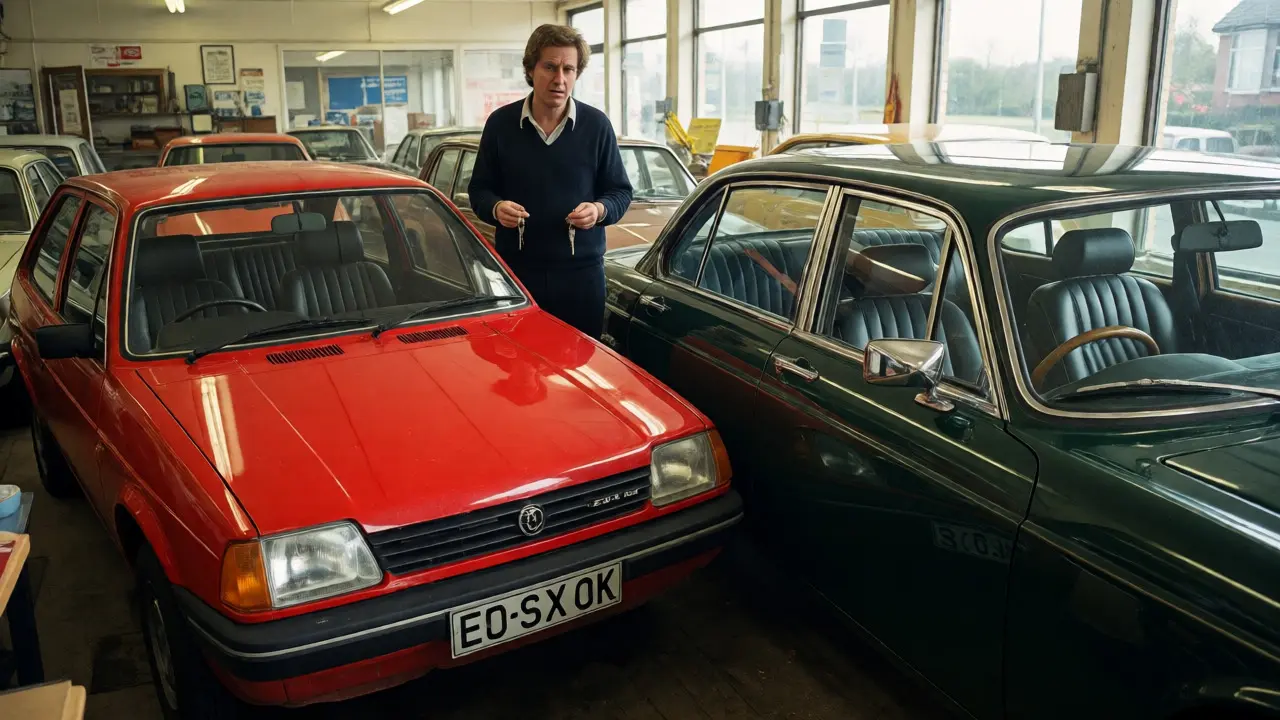
If you walked into a British Leyland dealership in 1978, you might see an Austin Metro next to a Jaguar XJ6. For the salesperson, this was a headache. The skills needed to sell a $3,000 economy car are vastly different from selling a $15,000 luxury saloon. Economy car buyers cared about price and fuel efficiency. Luxury buyers cared about status, comfort, and brand image.
Many dealers refused to carry both lines. Some dropped Jaguar to focus on volume. Others left the network entirely because they couldn’t reconcile the service standards. This fragmented the retail experience. Customers looking for a reliable daily driver might walk away feeling the showroom was too cluttered. Luxury buyers felt insulted seeing their premium purchase surrounded by utilitarian vehicles. The brand equity of Jaguar suffered not because the cars were bad, but because the environment degraded the buying experience.

Financial Drain: Subsidizing Prestige
Here’s the cold hard truth: Austin and Morris were cash cows. They generated volume and revenue. Jaguar and Land Rover were prestige projects that consumed capital. Inside British Leyland, profits from the mass-market brands were often used to fund the losses of the luxury divisions. This created resentment among Austin staff, who felt their hard work was subsidizing the aristocrats’ playground.
Conversely, Jaguar leadership feared that being tied to a struggling mass-market giant would tarnish their name forever. They constantly lobbied for independence. Every time BLMC tried to cut costs at Jaguar-like using less leather or simpler wood veneers-enthusiasts revolted. The company was trapped between needing to save money and needing to maintain exclusivity. They managed to do neither effectively.
Legacy and Lessons for Modern Managers
British Leyland eventually broke up. Jaguar regained its independence in 1984, long before Ford bought it later. The lesson here isn’t just about cars; it’s about portfolio management. You cannot force disparate brands to share DNA if their values don’t align. Successful conglomerates today, like Volkswagen Group, keep Porsche distinct from Audi, which is distinct from VW. They share platforms, yes, but they protect brand identity fiercely.
When managing competing marques, clarity is king. Define clear boundaries for target demographics, pricing tiers, and design languages. If you blur those lines, you risk cannibalization and brand dilution. British Leyland failed because it treated Jaguar and Austin as siblings rather than distant cousins. They needed separate houses, not a shared bedroom.
Why did the UK government merge these car companies?
The UK government believed that smaller British manufacturers lacked the scale to compete globally against giants like Ford and GM. Consolidation was seen as a way to pool resources, reduce duplication, and create a single strong national champion capable of exporting worldwide.
Did Jaguar lose its reputation because of British Leyland?
Yes, significantly. During the British Leyland years, Jaguar’s build quality declined due to cost-cutting pressures and labor strikes. The association with lower-quality Austin and Morris products damaged its prestige, making it difficult for Jaguar to re-establish its luxury status after gaining independence.
What was the main conflict between Austin and Jaguar management?
The main conflict was cultural and financial. Austin focused on high-volume, low-margin production, while Jaguar prioritized craftsmanship and brand prestige. Austin managers resented funding Jaguar’s losses, while Jaguar executives felt constrained by corporate bureaucracy that ignored luxury market needs.
How did shared parts affect the cars?
Shared parts were intended to save costs but often compromised vehicle character. Luxury features were sometimes removed from Jaguars to match cheaper components, leading to complaints about "cheapening" the brand. Conversely, applying complex luxury tech to economy cars increased maintenance costs for average buyers.
When did Jaguar leave British Leyland?
Jaguar was separated from British Leyland and privatized in 1984. This move allowed Jaguar to focus exclusively on its luxury niche, rebuild its reputation for quality, and return to profitability without the drag of mass-market operations.