British Interwar Car Safety: Features That Emerged Before WWII
 Nov, 26 2026
You might think the idea of British interwar car safety is an oxymoron. After all, we picture open-top roadsters with no doors, rigid steering columns that could crush a chest, and brakes that faded after two hard stops. But if you look closely at the engineering logs from 1920 to 1939, you’ll find a quiet revolution happening in workshops across Coventry, Birmingham, and London. It wasn’t about airbags or crumple zones yet, but it was about thinking differently about what happens when metal meets flesh.
The gap between the end of World War I and the start of World War II saw some critical shifts. Engineers weren’t just trying to make cars faster; they were starting to ask how to keep drivers alive when things went wrong. This period laid the groundwork for every safety feature you take for granted today. Let’s unpack what actually changed during those two decades.
The Shift From Open Cockpits to Enclosed Bodies
In the early 1920s, most British cars were essentially horse-drawn carriage bodies on top of motorized chassis. You had no roof, no doors, and often no windshield. If you crashed, you didn’t stay in the car-you flew out of it. Ejection was a major cause of death in early motoring accidents.
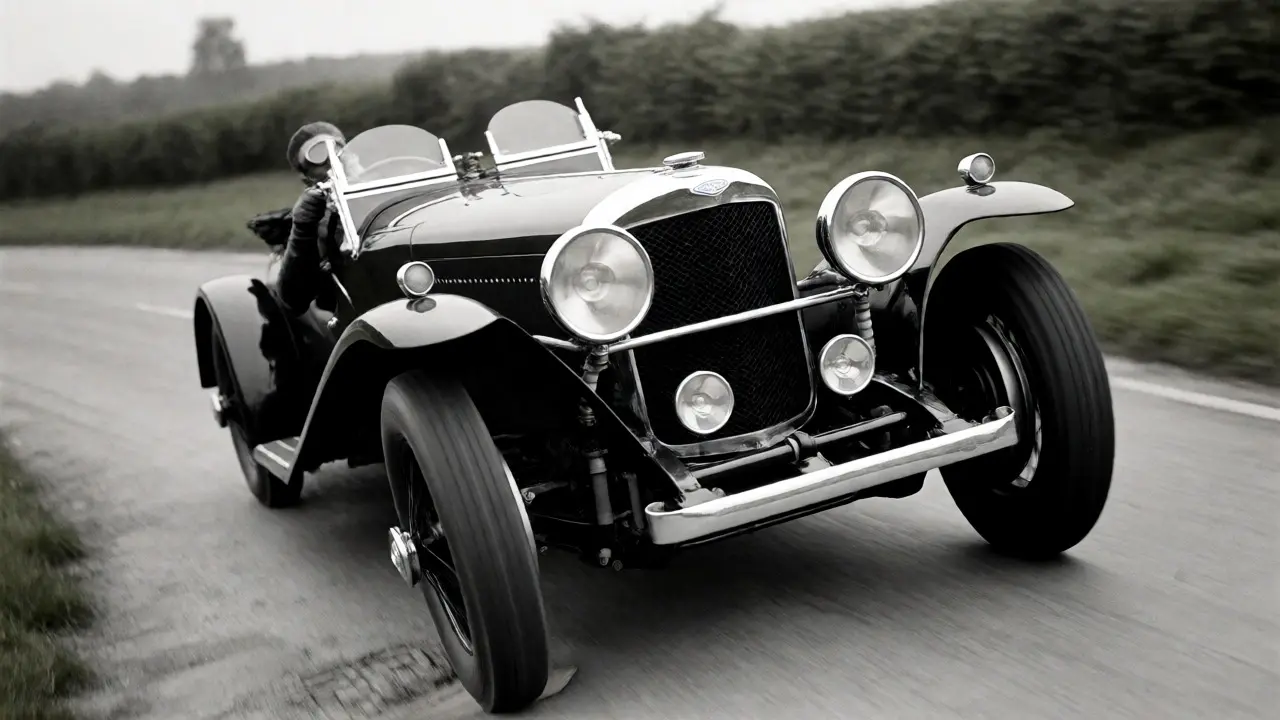
By the mid-1930s, enclosed saloon bodies became standard for mainstream brands like Austin and Morris. This wasn’t just for comfort against British rain. The structural integrity of a closed body meant the cabin acted as a protective cage. While it sounds primitive now, moving from an open tub to a steel-skinned shell significantly reduced ejection risks. Companies like Bentley and Rolls-Royce pushed this design language down into more affordable models, making enclosed cabins the norm rather than the luxury exception.
Braking Systems: The Rise of Hydraulic Independence
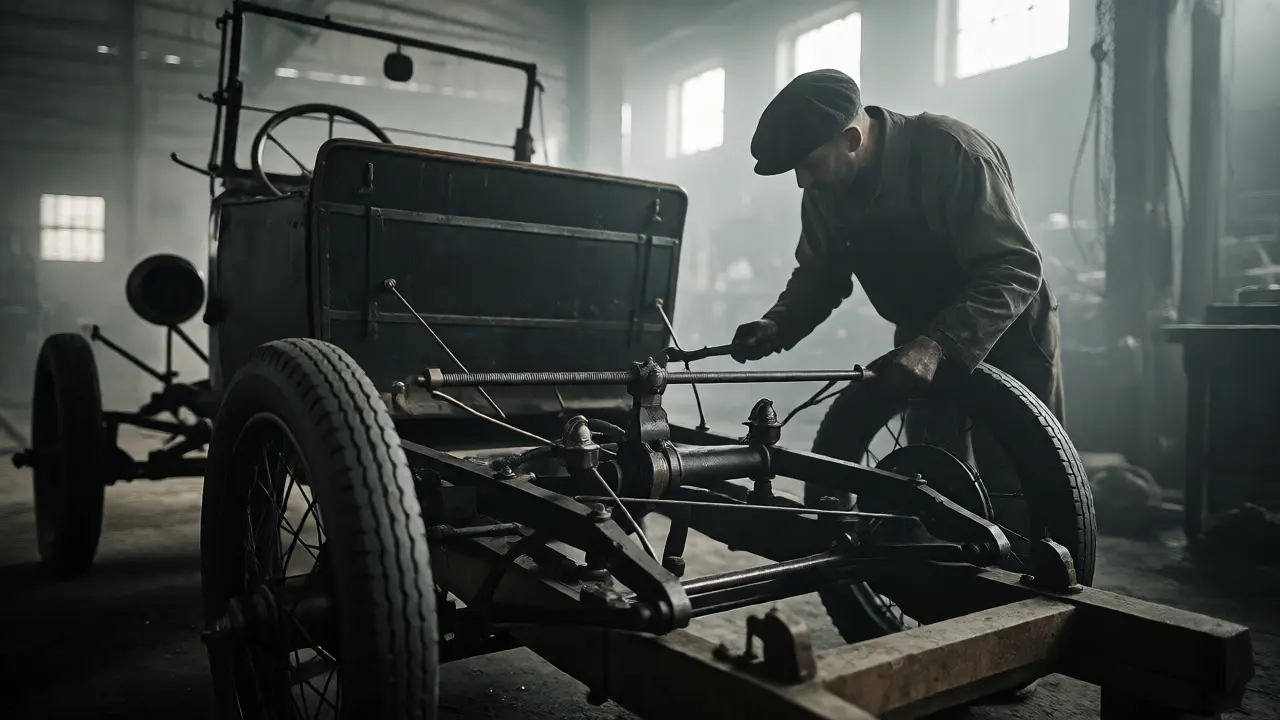
Early cars used mechanical rod-and-cable brakes. They were heavy, required constant adjustment, and applied force unevenly. If one wheel locked up, the car would spin out. Worse, if a rod bent in a minor collision, you lost braking power entirely.
The game-changer was the adoption of hydraulic drum brakes. Inspired by aircraft technology developed during WWI, British manufacturers began implementing independent front-wheel braking systems. The Austin Seven, a popular economy car launched in 1922, initially used mechanical brakes, but later variants and competitors like the Singer Le Mans adopted hydraulics. This allowed for better modulation. You could stop shorter without locking the wheels, giving drivers control in emergencies. By 1935, nearly every new British car worth buying had hydraulic brakes. This single change likely saved thousands of lives by preventing loss-of-control accidents on wet roads.
Steering Columns and Driver Positioning
Here’s a grim fact: in many pre-war cars, the steering column was a straight, rigid shaft leading directly to the driver’s chest. In a head-on collision, the engine block moved back, and the steering column punched through the dashboard and into the driver. There was no collapse mechanism.
Engineers began experimenting with offset steering and adjustable seats. The Cord L-29 (though American, it influenced British design) introduced front-wheel drive and a lower hood line, allowing for better visibility and less intrusive steering geometry. British firms took note. By the late 1930s, designs like the Jaguar SS100 featured steering columns positioned to direct impact forces away from the vital organs. It wasn’t perfect, but it was a conscious effort to move the "kill zone" away from the driver’s heart.
Tires and Suspension: Stability Over Speed
Before the 1930s, tires were narrow and biased-ply construction was crude. Blowouts were common, especially at speeds over 60 mph. A blowout usually meant a crash because the car would pull violently to one side.
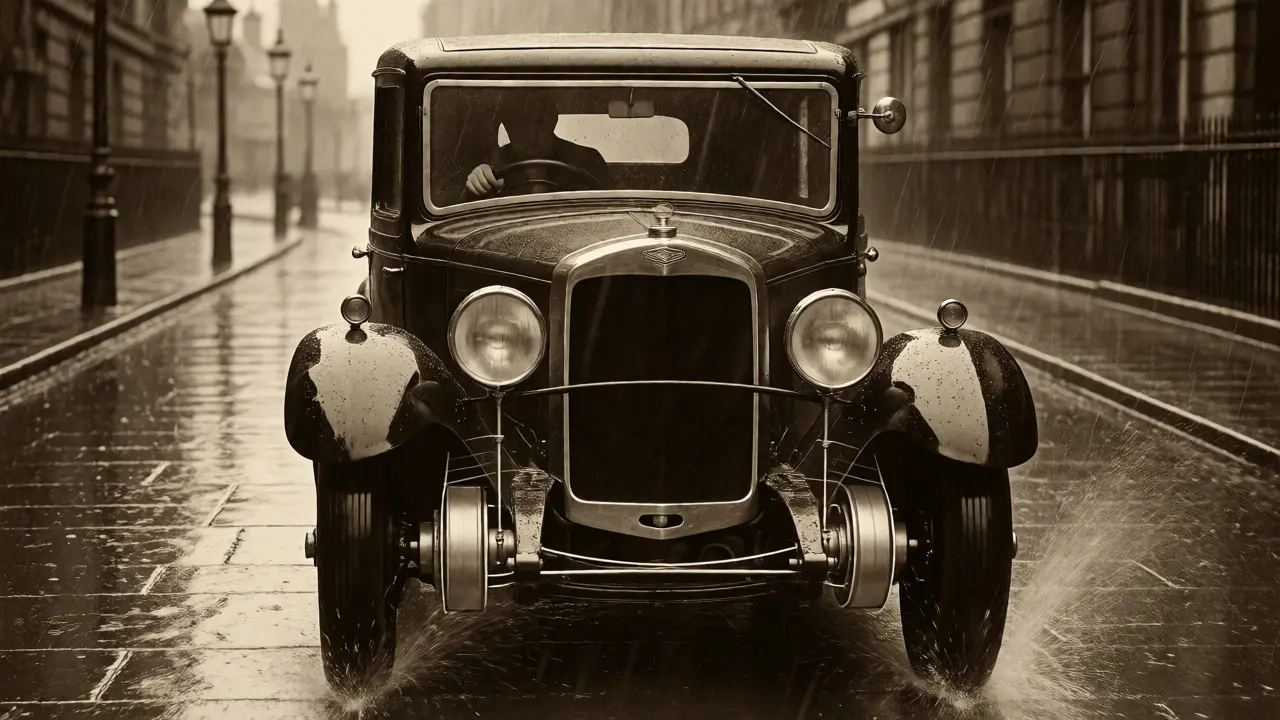
Dunlop, the British tire manufacturer headquartered in Birmingham, played a huge role here. They developed wider tread patterns and improved rubber compounds that offered better grip in wet conditions. Simultaneously, suspension systems evolved from solid axles with leaf springs to independent front suspension (IFS). The Alvis Silver Eagle and various Riley models pioneered IFS in Britain. Why does this matter for safety? Because independent wheels maintain contact with the road even when one hits a pothole. This stability prevented rollovers and loss of control, which were frequent killers on rural British roads.
The First Seat Belts: Rare But Real
Did people wear seat belts before WWII? Technically, yes. But not in the way you do today. Three-point harnesses didn’t exist. Instead, you had simple lap belts or diagonal sashes, mostly found in sports cars or racing vehicles.
Volvo is often credited with popularizing the three-point belt later, but British engineers experimented earlier. In 1934, Lancia (Italian, but relevant context) and some British custom builders installed rudimentary restraint systems. However, they were seen as restrictive and uncomfortable. Most drivers refused them. It wasn’t until the post-war era that legislation forced their adoption. Still, the concept emerged during the interwar years among high-performance enthusiasts who understood that being thrown around the cabin was deadly.
Lighting and Visibility: Seeing and Being Seen
Night driving was dangerous. Headlights were dim acetylene lamps or early electric bulbs with poor beam patterns. Glare from oncoming traffic blinded drivers, causing them to swerve off the road.
The introduction of sealed-beam headlights, standardized in the US but adopted globally, improved consistency. British cars began using dual-filament bulbs that allowed switching between low and high beams without manual adjustment. More importantly, windshields became larger and curved. The flat glass panes of the 1920s shattered easily into sharp shards. Tempered glass, which breaks into small, blunt cubes, started appearing in premium models. This reduced laceration injuries in minor collisions. Better lighting meant fewer nighttime crashes; safer glass meant fewer fatal cuts when they did happen.
| Feature | 1920s Standard | 1930s Standard | Safety Impact |
|---|---|---|---|
| Body Type | Open Tourer / Roadster | Enclosed Saloon | Reduced ejection risk; weather protection |
| Brakes | Mechanical Rod/Cable | Hydraulic Drum | Better modulation; consistent stopping power |
| Suspension | Solid Axle + Leaf Springs | Independent Front Suspension (IFS) | Improved stability; reduced rollover risk |
| Glass | Flat Plate Glass | Curved / Early Tempered | Reduced laceration injuries |
| Restraints | None | Rudimentary Lap Sashes (Sports) | Minor reduction in internal injury |
Why These Changes Mattered
It’s easy to dismiss these improvements as minor tweaks. But consider the context. Traffic density increased dramatically. Roads were still largely unlit and unpaved in rural areas. Without these incremental engineering steps, fatality rates would have skyrocketed alongside car ownership.
The shift toward enclosed bodies and hydraulic brakes created a baseline of predictability. Drivers could trust that pressing the pedal would slow the car uniformly. Passengers could trust that the roof wouldn’t fly off in a skid. This psychological confidence allowed people to drive faster, which ironically led to more severe crashes-but also drove further innovation. The interwar period didn’t solve car safety. It just stopped treating the car as a disposable machine and started treating it as a system where human error needed mitigation.
Frequently Asked Questions
Did any British cars have airbags before World War II?
No, airbags did not exist in production cars before WWII. The concept was patented in the 1950s and didn't appear in consumer vehicles until the 1970s. Interwar safety relied on structural rigidity, better brakes, and enclosed cabins.
Were seat belts mandatory in 1930s Britain?
No, there were no laws requiring seat belts. Their use was voluntary and rare, mostly limited to racing drivers or specific sports car owners who prioritized staying in the cockpit during high-speed maneuvers.
What was the biggest safety flaw in 1920s cars?
The lack of enclosed bodies and poor braking systems. Open cockpits led to high ejection rates in crashes, and mechanical brakes often failed under stress or applied unevenly, causing spins.
How did independent front suspension improve safety?
IFS kept each wheel in contact with the road independently. This prevented the entire front axle from lifting off the ground during bumps, maintaining steering control and reducing the likelihood of rollovers on uneven surfaces.
Did British manufacturers lead global safety trends?
They were key players, particularly in braking and suspension refinement. While Americans often led in mass-market volume and Germans in engineering precision, British firms like Austin and Morris made advanced features accessible to average buyers.
Next Steps for Enthusiasts
If you’re restoring a pre-war British car, remember that original specs don’t equal modern safety. Check your brake lines for corrosion-hydraulics age poorly. Inspect the steering column for play. And if you’re driving on public roads, consider retrofitting a basic lap belt. It won’t match a modern three-point harness, but it beats flying through the windshield.