British EV Platforms: Opportunities and Risks for Low Volume Performance Brands
 Apr, 15 2026
Key Takeaways for Boutique Manufacturers
- Platform Sourcing: Using third-party EV architectures reduces R&D costs but limits unique design freedom.
- Supply Chain Risk: Dependence on global battery suppliers creates vulnerability for small players.
- Weight Management: The struggle to maintain 'performance' feel while carrying 600kg of batteries.
- Regulatory Hurdles: Navigating EU and UK homologation for niche electric vehicles.
The Dilemma of the Dedicated Architecture
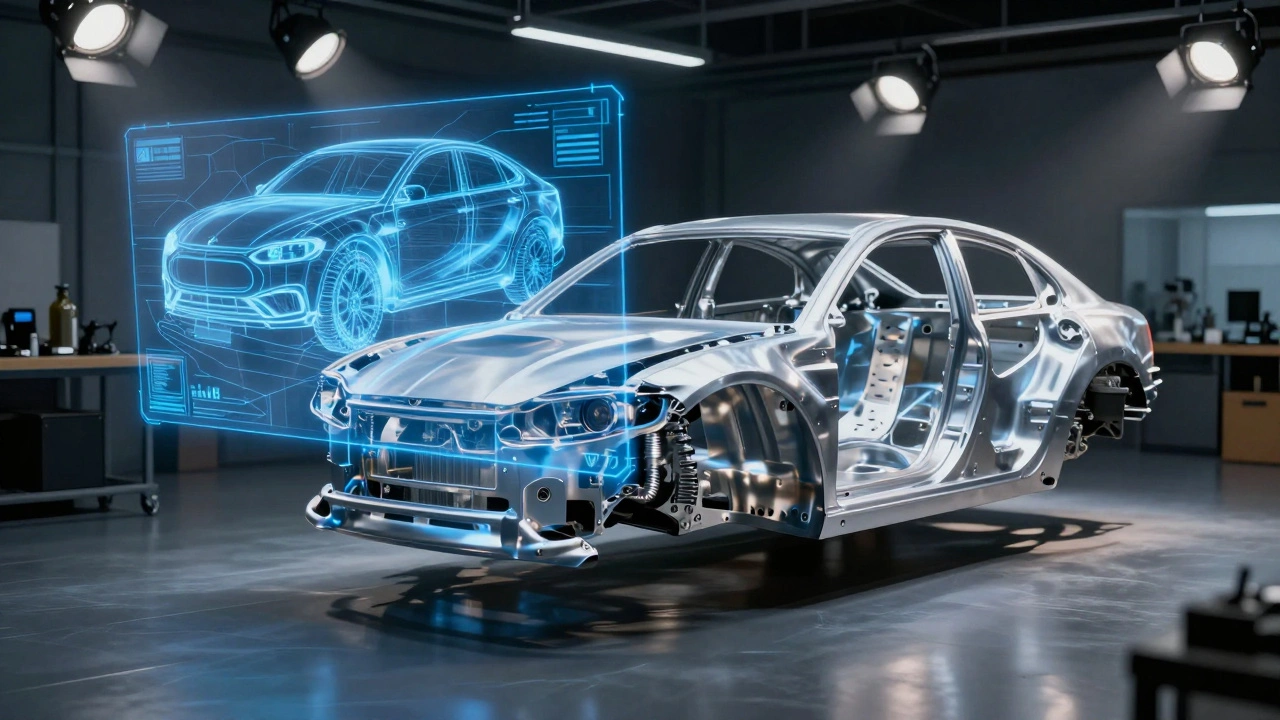
When we talk about British EV platforms is the structural foundation of an electric vehicle, encompassing the battery housing, suspension mounting points, and powertrain integration, we're really talking about the soul of the car. For a low-volume brand, the biggest temptation is to build a bespoke platform. Why? Because that's how you get a car that handles like a dream and looks like a piece of art. If you use a shared platform, you're essentially wearing someone else's suit-it might fit, but it's not tailored.
But here's the reality: developing a proprietary platform is staggeringly expensive. We're talking about massive investments in Computer-Aided Engineering (CAE) and crash testing. For a brand that only sells 500 cars a year, the cost per unit becomes astronomical. This is why many are looking at "skateboard" architectures. A skateboard platform is a self-contained chassis containing the motor, battery, and suspension, allowing the brand to simply drop a custom-designed body on top. It simplifies the process, but it creates a massive risk: if the platform provider decides to change their specs or goes out of business, the boutique brand is left with a body and no way to move it.
Sourcing vs. Bespoke: The Strategic Trade-off
Let's be honest, most small performance brands can't afford to build a battery from the cell up. They rely on Tier 1 Suppliers. The risk here is the "small fish in a big pond" syndrome. When a global crisis hits the supply of cobalt or lithium, a giant like Jaguar Land Rover gets the priority shipment. The small brand in a shed in Warwickshire gets told their delivery is delayed by six months.
| Feature | Bespoke Platform | Third-Party Platform | Modular Skateboard |
|---|---|---|---|
| Development Cost | Extremely High | Low | Medium |
| Design Flexibility | Total | Very Limited | High (Upper Body) |
| Time to Market | Slow (5-7 Years) | Fast (2-3 Years) | Medium (3-4 Years) |
| Brand Identity | Unique | Generic | Hybrid |
The Performance Paradox: Weight and Dynamics
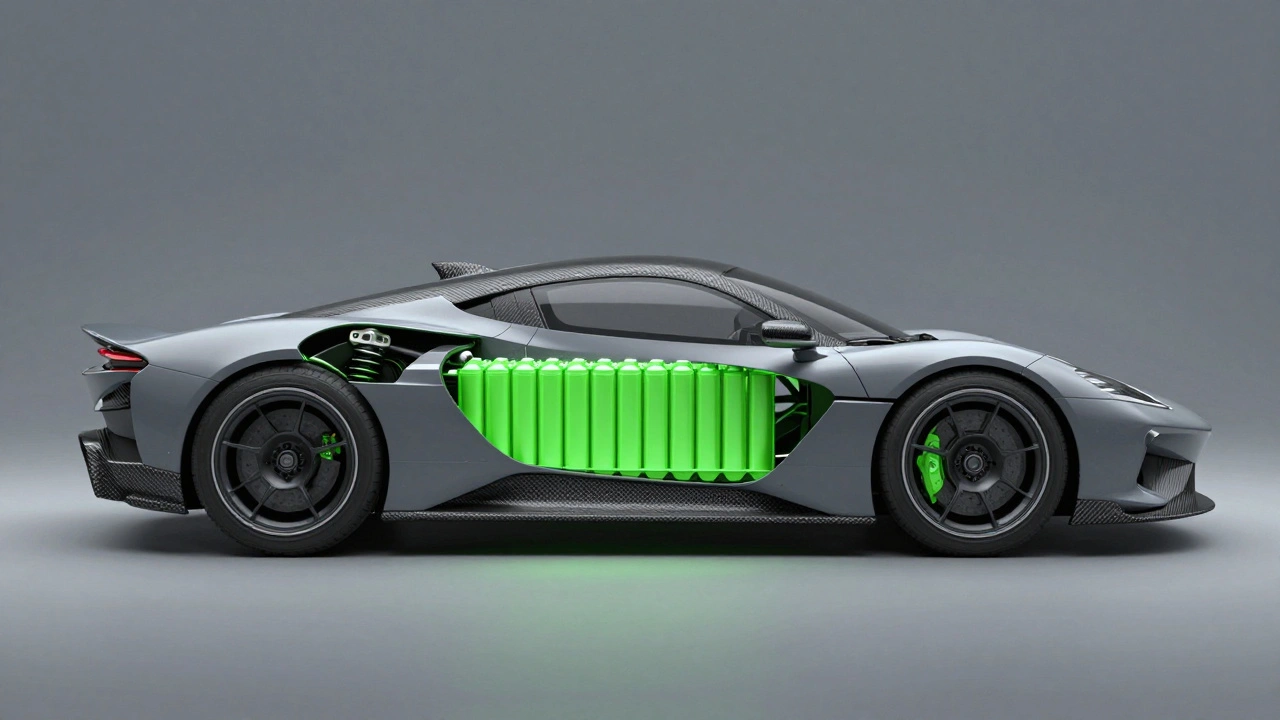
In the performance world, weight is the enemy. Traditional British sports cars relied on lightweight aluminum or carbon fiber to stay agile. But Lithium-ion batteries are heavy. A typical high-performance battery pack can easily add 500kg to a vehicle. This changes the center of gravity and the way the car turns. If a small brand uses a generic platform designed for a commuter sedan, the car will feel numb. It won't have that "telepathic" steering that buyers expect from a luxury performance brand.
To solve this, some are turning to Solid-State Batteries, which promise higher energy density and lower weight. However, this technology is still largely in the lab or in very limited production. Betting the entire company on a technology that isn't fully commercially viable yet is a gamble. The goal is to find a balance: using a proven platform for the "boring" bits (like HVAC and basic wiring) while custom-engineering the suspension geometry and motor tuning to ensure the car still feels like a driver's car.
Navigating the Regulatory Minefield
It's not just about the hardware; it's about the paperwork. Homologation-the process of getting a car certified for road use-is a nightmare for low-volume players. The UK has some called "Individual Vehicle Approval" (IVA), but as safety standards for EVs evolve, the requirements for battery containment and fire safety become more stringent.
If a brand buys a platform from a provider in Germany or China, they have to ensure that platform meets the specific crash-test requirements of the UK market. A mismatch in safety standards can lead to a car that is legal in the EU but illegal in the UK, or vice versa. This adds another layer of cost and time. Smart brands are now partnering with specialized engineering firms that focus exclusively on EV compliance, treating the regulatory hurdle as a separate project from the actual car design.
The Opportunity: Digital Twin Manufacturing
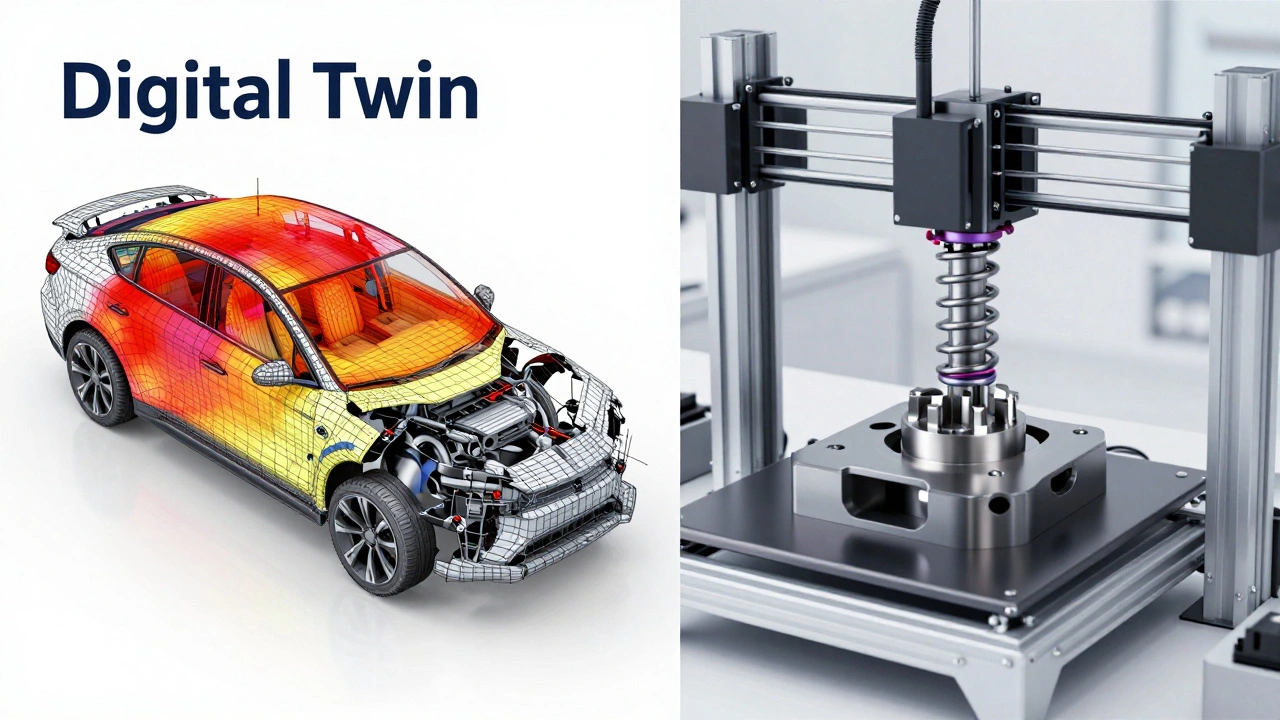
Despite the risks, there is a massive opportunity in Digital Twin technology. Small brands can now create a complete virtual replica of their car and platform. This allows them to simulate thousands of miles of wear and tear or crash scenarios without ever building a physical prototype. By integrating digital twins with Additive Manufacturing (3D printing), they can iterate on platform components in days rather than months.
This levels the playing field. A small team of twenty engineers using high-end simulation tools can now achieve a level of precision that used to require a thousand-person department. They can optimize the airflow around the battery pack for cooling or refine the weight distribution of the motors with surgical precision. This is where the "Britishness" of these brands-the attention to detail and craftsmanship-can actually outshine the mass-market giants.
Future-Proofing the Boutique Brand
The real winner won't be the brand that builds the best battery, but the one that builds the most flexible business model. The risk of "technology lock-in" is real. If you build your car around a specific battery chemistry that becomes obsolete in three years, you're in trouble. The solution is modularity. Designing platforms that allow for "drop-in" upgrades-where the battery module can be swapped for a newer version without redesigning the rest of the chassis-is the only way to survive.
We are seeing a shift toward a "hub and spoke" model. A central platform provider (the hub) provides the basic EV architecture, and various boutique brands (the spokes) add their unique value through coachbuilding, interior luxury, and specialized suspension tuning. This allows the performance brands to focus on what they do best: making cars that people actually want to drive, rather than spending all their time worrying about voltage regulators and thermal management systems.
Why is it so risky for small brands to build their own EV platform?
The primary risk is the cost of research and development. Building a platform requires massive investment in crash testing, thermal management, and software integration. For a low-volume brand, these fixed costs are spread across very few units, making each car prohibitively expensive to produce compared to brands using shared architectures.
What is a "skateboard" architecture?
A skateboard architecture is a modular EV chassis where the battery, motors, and suspension are all integrated into a flat platform. This allows manufacturers to treat the chassis as a separate component and build various body styles (sedans, sports cars, trucks) on top of the same base, significantly reducing design time and cost.
How does battery weight affect performance car handling?
Batteries are significantly heavier than internal combustion engines. This adds overall mass, which increases inertia during cornering and braking. While a low center of gravity (since batteries are usually in the floor) can help stability, the sheer weight can make a car feel less nimble and more strained during high-performance maneuvers.
What is the impact of homologation on low-volume EVs?
Homologation is the process of certifying that a vehicle meets all safety and environmental regulations. For EVs, this includes strict rules on battery safety, electrical isolation, and crashworthiness. For small brands, the cost of proving these standards through physical testing can be a major barrier to entry.
Will solid-state batteries save boutique performance brands?
Potentially. Solid-state batteries offer higher energy density and lower weight, which addresses the core performance issue of EV mass. However, the technology is not yet available at scale for small manufacturers, meaning they must wait for larger players to commercialize it first.
Next Steps for Manufacturers
If you're a small brand entering this space, don't try to out-engineer Tesla or BYD on the battery cells. Instead, focus on the "last mile" of the user experience. Use a proven, third-party skateboard platform to handle the electrical basics, then spend your R&D budget on high-end suspension tuning, lightweight carbon fiber bodywork, and an interior that feels like a luxury lounge. The goal is to decouple the commodity (the EV platform) from the luxury (the brand experience).
For those already in production, the priority should be auditing your supply chain. If you are relying on a single source for your battery modules, you are one shipping delay away from a shutdown. Diversify your suppliers and look into modular design patterns that allow you to swap out battery technology as it evolves. The brands that survive the next decade won't be the ones with the most power, but the ones with the most adaptability.