British Consolidation Lessons for Today's Car Industry Leaders
 Oct, 14 2026
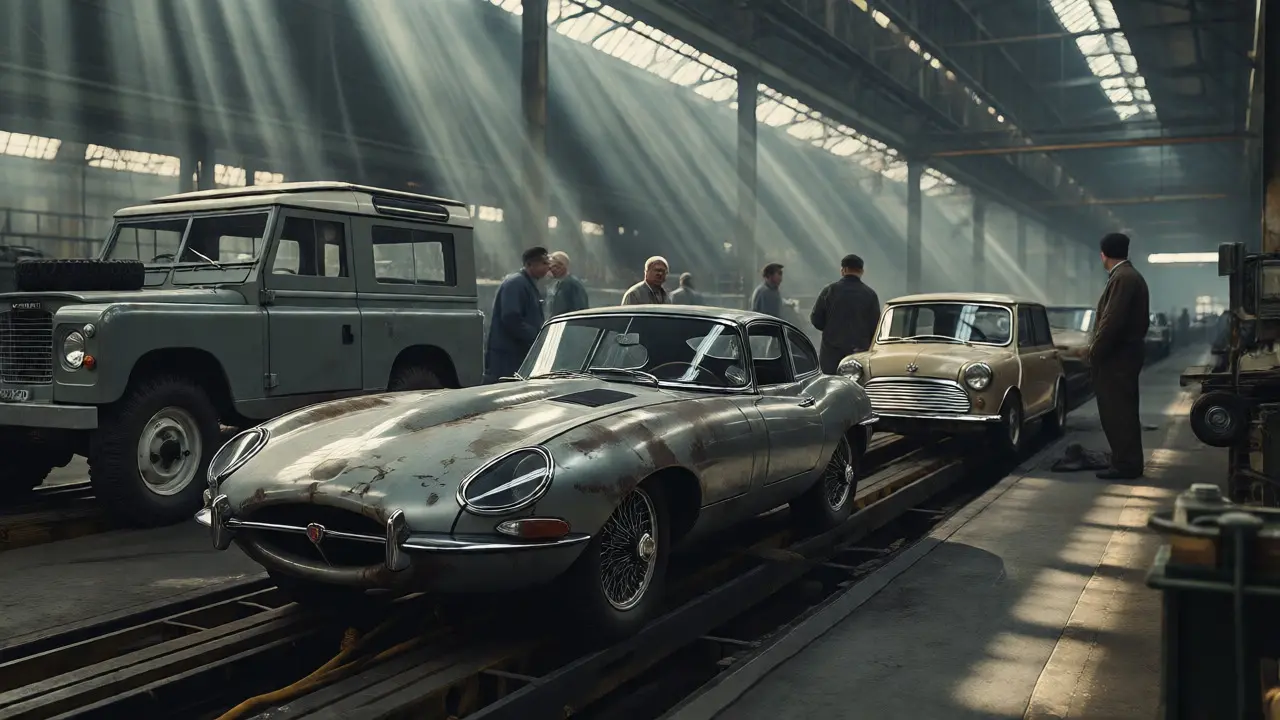
Imagine a nation that once built nearly every type of vehicle imaginable-from the rugged Land Rover to the sleek Jaguar E-Type-and then watched its domestic industry collapse into a bureaucratic nightmare. That was Britain in the late 1960s and 70s. The story of British Leyland, formed in 1968 by merging Leyland Motor Corporation with the nationalized British Motor Holdings, isn't just a dusty footnote in economic history. It’s a cautionary tale about what happens when corporate mergers prioritize size over synergy.
Today, as electric vehicles reshape the global landscape and traditional automakers scramble to survive, leaders can look back at this specific period of industry consolidation for hard-won wisdom. Why did a merger intended to create a global powerhouse result in years of labor strikes, poor quality control, and eventual bankruptcy? And more importantly, how can modern CEOs avoid repeating those mistakes while navigating their own transitions?
The Anatomy of a Flawed Merger
To understand the lessons, you have to look at the mechanics of the deal itself. In 1968, Donald Stokes, head of Leyland Motors, orchestrated the creation of British Leyland (BL). On paper, it made sense. You had Leyland, a profitable commercial vehicle manufacturer, joining forces with BMC (British Motor Corporation), which owned iconic brands like Austin, Morris, MG, and Mini. Later, Jaguar and Rover were added to the mix.
The problem wasn’t the brands; it was the culture clash. Leyland ran like a strict engineering firm focused on efficiency. BMC was known for being chaotic, union-heavy, and resistant to change. Instead of integrating these distinct operational models, BL tried to force them together under one roof without resolving the underlying tensions. This created a fragmented organization where different divisions competed for resources rather than collaborating.
Leyland P76 serves as a prime example of this dysfunction. Launched in 1973, this large family sedan was rushed to market to compete with European rivals. Due to internal disagreements between the Australian subsidiary and UK headquarters, the car suffered from severe build quality issues and rust problems almost immediately. Sales plummeted, and the model became a symbol of BL’s inability to execute a coherent product strategy across its diverse portfolio.
Culture Clash: Engineering vs. Management
One of the most critical takeaways for today’s leaders is the danger of ignoring cultural integration during a merger. British Leyland failed because it treated its acquired companies as separate fiefdoms rather than unified teams. Engineers at Jaguar didn’t want to share platforms with Austin. Designers at Rover felt marginalized by Leyland’s utilitarian approach.
In contrast, consider how successful modern consolidations handle this. When Fiat Chrysler Automobiles merged with PSA Group to form Stellantis in 2021, they retained brand autonomy but standardized backend technologies. They allowed Jeep and Peugeot to keep their distinct identities while sharing electric vehicle architectures. This "united but independent" model prevented the identity crisis that plagued British Leyland.
Modern leaders must ask themselves: Are we merging to cut costs through redundancy, or are we merging to combine complementary strengths? If the answer is the former, you risk destroying the very talent and innovation engines you bought.
The Innovation Trap: Chasing Volume Over Value
British Leyland fell into a classic trap: chasing volume production numbers to justify its massive scale. By trying to be everything to everyone-trucks, buses, economy cars, luxury sedans-they diluted their focus. Resources were spread too thin. While Japanese competitors like Toyota and Honda were perfecting lean manufacturing and reliability, BL was stuck managing legacy inefficiencies.
This lack of focus led to stagnation. The Mini, originally a brilliant piece of economical engineering, remained largely unchanged for decades because management couldn’t agree on how to update it without alienating purists or increasing costs. Meanwhile, the market moved on. Consumers began prioritizing reliability and fuel efficiency over sheer availability of parts.
| Strategy Element | British Leyland (1970s) | Tesla / BYD (2020s) |
|---|---|---|
| Product Focus | Diluted across dozens of brands with overlapping segments. | Highly focused on core platform scalability (e.g., Tesla’s Model 3/Y). |
| Supply Chain | Fragmented, inefficient, reliant on outdated labor practices. | Vertically integrated, controlling battery production and software. |
| Decision Making | Bureaucratic, slow, hindered by internal politics. | Agile, data-driven, rapid iteration cycles. |
| Customer Feedback | Ignored until sales collapsed; reactive rather than proactive. | Continuous OTA updates; direct feedback loops via apps. |

Labor Relations and Operational Rigidity
You cannot talk about British Leyland without mentioning the workforce. The company inherited a highly unionized labor force with rigid work rules that dated back to the pre-war era. Management lacked the political capital or strategic vision to negotiate meaningful reforms. Strikes became frequent, halting production lines for weeks at a time. This unpredictability terrified dealers and customers alike.
Today’s auto executives face a different but parallel challenge: the transition to electrification requires new skills. Workers trained in internal combustion engine assembly need retraining for battery pack installation and software diagnostics. If leadership fails to engage unions and workers in this transition-providing clear pathways for upskilling rather than fearing job losses-the friction seen in the 1970s could re-emerge.
Look at Volkswagen Group. Their approach to the diesel scandal and subsequent EV pivot involved significant investment in worker training programs and negotiated agreements with German labor representatives. This didn’t eliminate conflict, but it provided a framework for managing change that British Leyland never established.
Brand Dilution and Identity Crisis
British Leyland owned some of the most prestigious names in automotive history: Jaguar, Land Rover, Aston Martin (initially), Triumph, and Riley. Yet, within a decade, many of these brands lost their luster. Why? Because they were forced to share components and platforms with cheaper models without maintaining distinct brand experiences.
A Jaguar XJ6 shared too much DNA with lower-tier BL products, confusing buyers who expected exclusivity. Conversely, the premium pricing of Jaguar masked the mediocre reliability of its electrical systems. Customers felt cheated-they paid for prestige but got average service.
For modern leaders, this highlights the importance of protecting brand equity during consolidation. When General Motors revived Cadillac, they invested heavily in distinct design language and dealer experience to differentiate it from Chevrolet and Buick. They didn’t just slap a new badge on an old car; they rebuilt the perception from the ground up.
Applying These Lessons Today
So, what should a CEO sitting in Detroit, Munich, or Tokyo do with this history? Here are four actionable strategies derived from the British Leyland failure:
- Prioritize Cultural Integration Early: Don’t wait until after the merger closes to address culture clashes. Identify potential conflicts in workflow, decision-making speed, and employee expectations before signing the deal.
- Focus on Platform Synergy, Not Just Cost Cutting: Share underlying technology (batteries, software, chassis) but allow brands to differentiate through design and user experience. Avoid the "one-size-fits-all" approach that killed BL’s diversity.
- Engage Workforce in Transformation: Treat labor not as an obstacle but as a partner in the EV transition. Invest in reskilling programs and transparent communication about future roles.
- Protect Brand Integrity: Ensure that premium brands maintain distinct quality standards and customer service levels. Never let cost-saving measures erode the perceived value of your top-tier offerings.
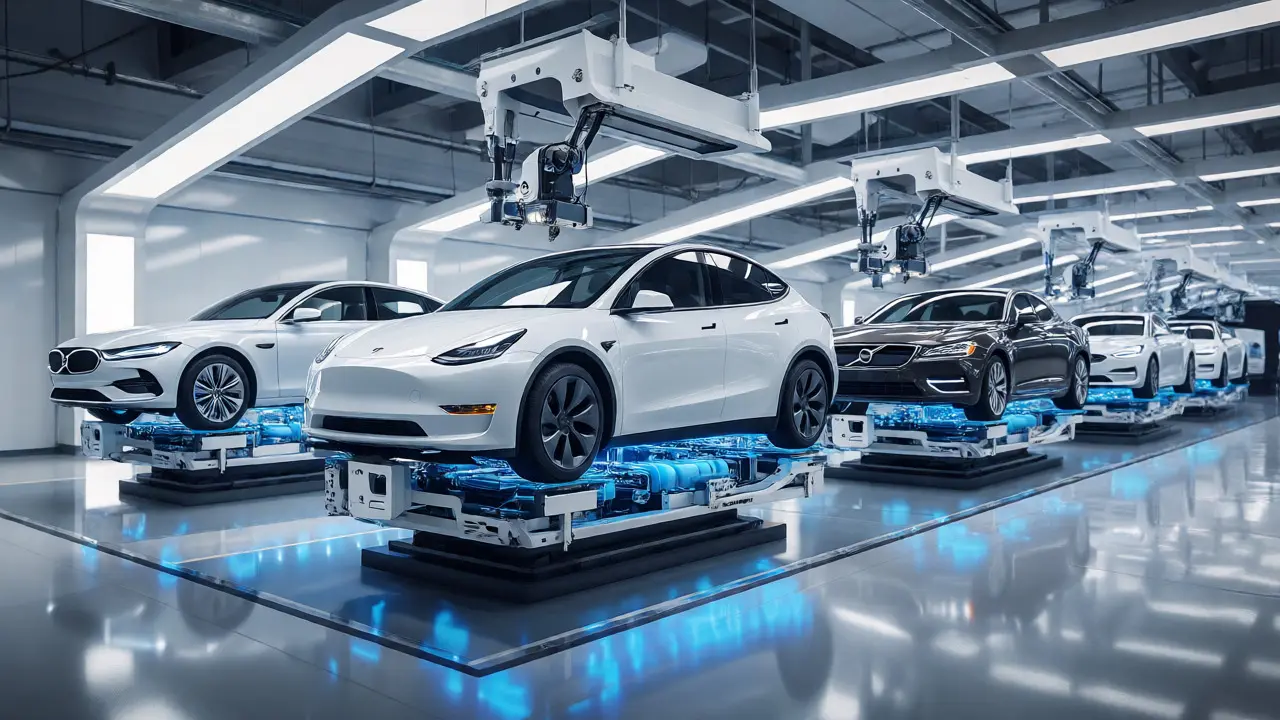
The rise of Chinese manufacturers like BYD and Geely shows that agility and vertical integration beat sheer historical prestige. Geely’s acquisition of Volvo is often cited as a success story because they gave Volvo autonomy while providing access to Chinese supply chains and capital. This mirrors what British Leyland failed to do: leverage assets without suffocating them.
Looking Forward: The Next Wave of Consolidation
We are currently witnessing another wave of consolidation. Legacy automakers are partnering with tech firms, startups are merging to pool R&D costs, and governments are pushing for regional champions to compete globally. The stakes are higher now because the technology shift is more radical than any previous era.
If today’s leaders ignore the lessons of British Leyland, they risk creating bloated entities that move slowly, confuse customers, and struggle to innovate. But if they learn from the past-focusing on cultural harmony, strategic clarity, and brand respect-they can navigate this transition successfully.
The ghost of British Leyland haunts boardrooms everywhere. It reminds us that size alone doesn’t guarantee survival. Execution, culture, and clarity do.
Why did British Leyland fail despite owning so many famous brands?
British Leyland failed primarily due to poor management integration, cultural clashes between acquired companies, and a lack of strategic focus. Instead of leveraging synergies, the company struggled with internal competition, inefficient operations, and persistent labor disputes, leading to poor product quality and financial instability.
What is the biggest lesson from British Leyland for modern car companies?
The biggest lesson is that mergers require careful cultural integration and strategic alignment. Simply combining assets does not create value; companies must actively manage differences in engineering cultures, labor relations, and brand positioning to avoid diluting their competitive advantage.
How did labor relations contribute to the decline of British Leyland?
Labor relations were a major factor in British Leyland's decline. Frequent strikes and rigid work practices halted production, increased costs, and damaged the company's reputation for reliability. Management failed to negotiate effective reforms or build trust with the workforce, exacerbating operational inefficiencies.
Can the British Leyland model serve as a warning for current EV mergers?
Yes, the British Leyland model serves as a crucial warning. Current EV mergers risk similar pitfalls if they prioritize scale over synergy, neglect cultural integration, or fail to address the unique challenges of transitioning from internal combustion to electric powertrains. Success depends on agile management and clear strategic vision.
Which modern company has successfully applied lessons from British Leyland?
Geely is often cited as applying these lessons well, particularly in its acquisition of Volvo. By allowing Volvo to retain its brand identity and management structure while providing access to resources and technology, Geely avoided the micromanagement and cultural suppression that doomed British Leyland.