British Coachbuilding Revival: Limited Series and Continuation Cars Explained
 Sep, 23 2026
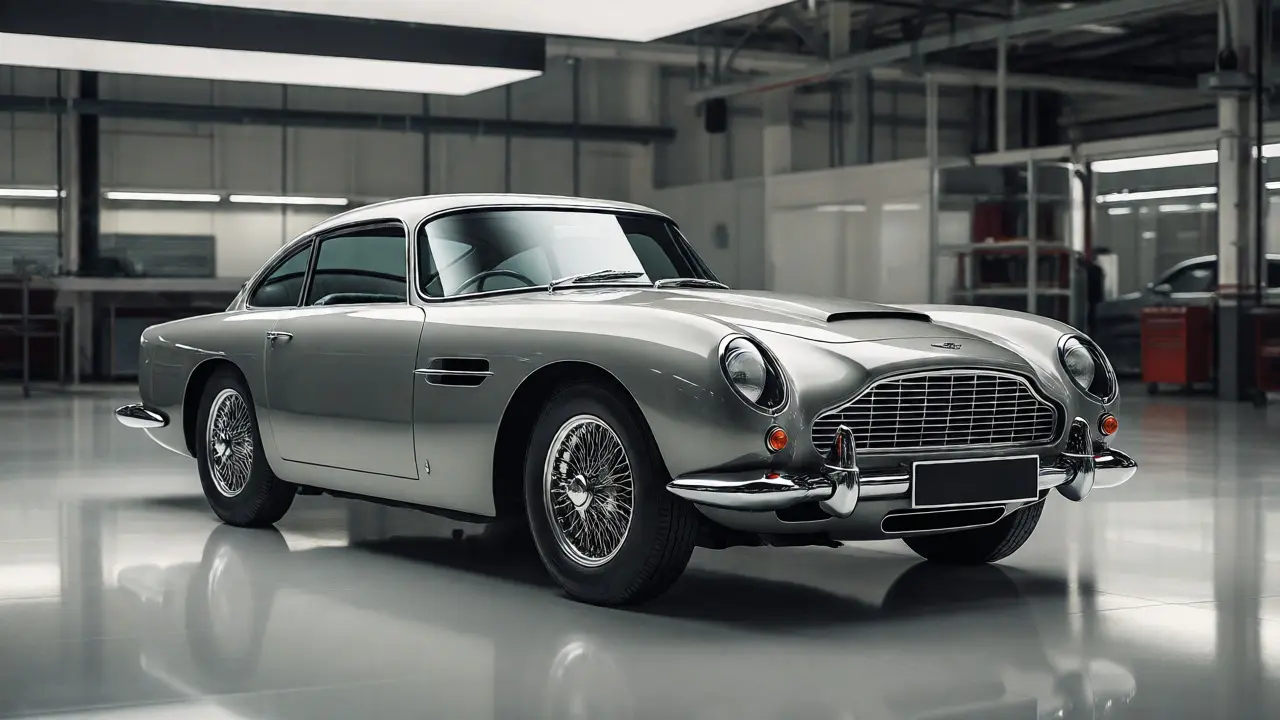
You spot a 1963 Aston Martin DB5 at a concours event. It looks perfect. The chrome gleams, the leather smells like it was cured yesterday, and the engine note is pure poetry. But here’s the twist: that car wasn’t built in 1963. It rolled off a line in Newport Pagnell or Gaydon just last year. Welcome to the world of British coachbuilding revival, where heritage isn’t just remembered-it’s manufactured.
This isn’t about replicas you can buy for $20,000 with fiberglass bodies. We’re talking about official, factory-backed productions using original blueprints, period-correct materials, and modern engineering tolerances. Why are companies like Aston Martin, Jaguar, and Bentley spending millions to build cars that technically already exist? Because collectors want authenticity they can actually drive, not museum pieces behind glass.
The Difference Between Restomod, Replica, and Continuation
Let’s clear up the confusion right now. People throw these terms around interchangeably, but they mean very different things to your wallet and your garage.
- Restomods take an existing old chassis and stuff it with new engines, brakes, and electronics. Think Singer Porsche 911s. They honor the shape but change the soul.
- Replicas are often kit cars or low-volume builds that copy the look but rarely match the engineering integrity. They’re fun, but they lack provenance.
- Continuation cars are exact recreations of specific models from a specific era, built by the original manufacturer (or its legal successor) using original tooling or digital scans. These have VINs that trace back to the original production run logic.
The key distinction lies in provenance. A continuation car carries the same lineage as the original. If you buy a Jaguar E-Type Zero, you aren’t buying a tribute; you’re buying a new entry into the E-Type registry, complete with historical documentation that acknowledges its place in the model’s timeline.
Why British Brands Are Leading the Charge
Britain has a unique relationship with automotive history. Unlike Germany or Japan, which focus heavily on future-forward innovation, British brands lean into their legacy. This cultural asset translates directly into business strategy.
Aston Martin’s DB5 Goldfinger Edition sold out instantly. Why? Because James Bond owns the cultural narrative of that car. By producing a limited run of 25 units priced over £1 million each, Aston Martin didn’t just sell cars; they sold tickets to Hollywood history. Each unit included gadgetry inspired by the films, turning a grand tourer into a piece of cinema memorabilia.
Jaguar took a different angle with the E-Type Zero. Instead of sticking strictly to internal combustion, they used the E-Type’s iconic shell to showcase electric powertrain technology. It proved that heritage design doesn’t clash with modern sustainability. It opened a door for other brands to consider electrifying classics without losing their identity.
| Brand/Model | Production Status | Key Feature | Estimated Price Range |
|---|---|---|---|
| Aston Martin DB5 Goldfinger | Completed (2020) | Film-accurate gadgets | £1M+ |
| Jaguar E-Type Zero | Limited Run | Electric conversion | ~£480k |
| Bentley Blower Continuation | Ongoing | Original 4.5L engine spec | ~£1.5M |
| McLaren Senna LM | Limited Series | Le Mans-inspired aero | ~$1M+ |
The Economics of Scarcity and Heritage
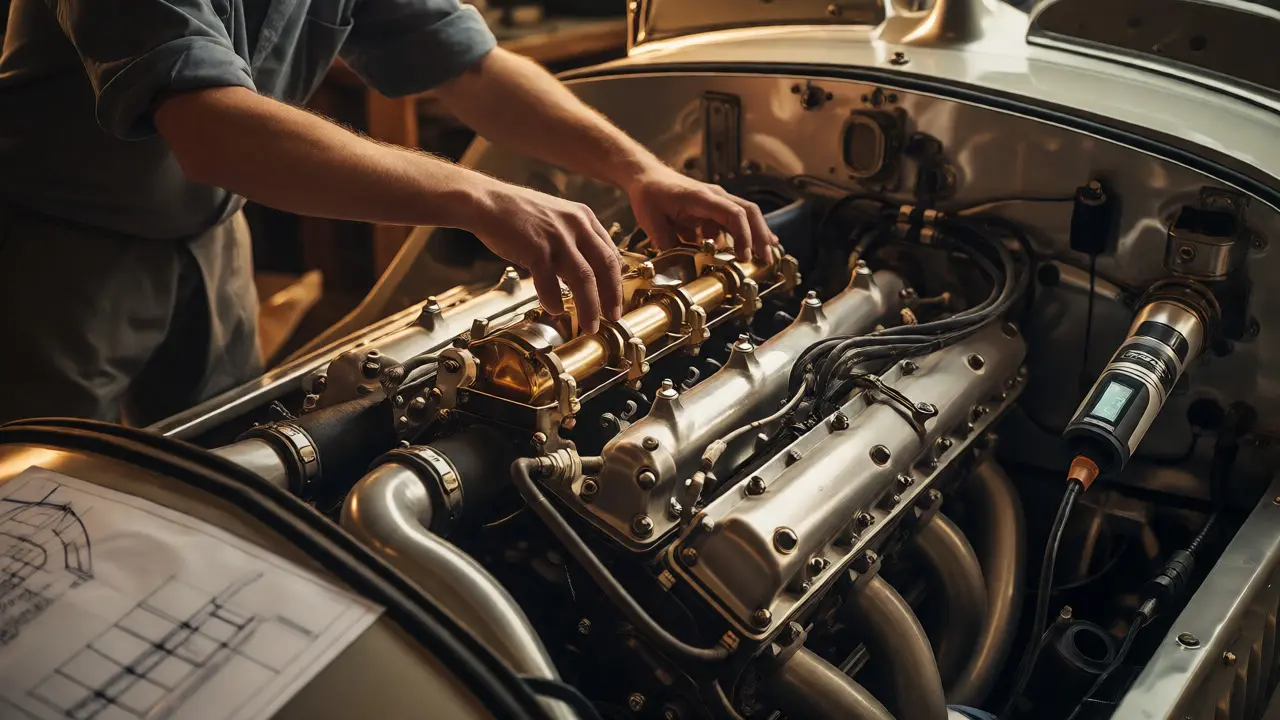
Building a continuation car is expensive. You can’t just stamp panels out of a modern press line. Often, manufacturers have to recreate tools that haven’t been used since the 1960s. For the Bentley Blower, they had to reverse-engineer parts using 3D scanning because original jigs were lost to time. This process adds hundreds of hours per vehicle.
But here’s the business case: these cars act as halo products. They draw attention to the brand’s current lineup. When someone sees a new-build Aston Martin DB5, they think about the DB12 or the Vantage. It reinforces the idea that the company still knows how to craft beauty. Plus, the margins on limited editions are substantial. Collectors pay premiums for exclusivity, knowing that supply will never exceed demand.
Consider the Bentley Blower project. Bentley Motors committed to building only 12 units, matching the original race team size from the 1920s. Each car takes approximately 10,000 man-hours to assemble. The price tag reflects this labor intensity, but buyers also get access to exclusive events and direct interaction with the engineers who built them. That experience factor is something a standard new car purchase simply cannot offer.
Engineering Challenges in Modern Reproductions
Recreating a car from 1960 isn’t as simple as following a blueprint. Materials science has changed. Steel alloys today are stronger and lighter than those available decades ago. Rubber compounds degrade differently. Even paint chemistry has evolved.
Engineers face a dilemma: do they use modern materials for reliability, or stick to period-correct specs for authenticity? Most high-end programs strike a balance. For example, the Aston Martin DB5 uses modern steel for structural safety but retains the original body panel thicknesses and shapes. Inside, you might find hidden Bluetooth connectivity or improved air conditioning, but the switches and dials remain faithful to the era.
Safety regulations pose another hurdle. Original designs weren’t built for crash tests. Continuation cars must meet current standards while looking untouched. This requires clever engineering-reinforcing chassis points invisibly or adding side-impact beams that don’t disrupt the interior aesthetics.
Who Buys These Cars?
The buyer profile for continuation cars is distinct. These aren’t typical luxury car shoppers. They are often:
- Existing collectors: Someone who owns three classic Astons wants a fourth that is guaranteed to be in pristine condition, rather than hunting for a restorable original.
- New money enthusiasts: Younger wealthy individuals who appreciate design heritage but prefer the warranty and service network of a new car.
- Investors: Those who view these limited runs as tangible assets with predictable appreciation curves.
There’s also a psychological component. Buying a 60-year-old car comes with anxiety. Will it start? Will it leak oil? Is the rust hidden under the floorboards? A continuation car eliminates that uncertainty. You get the romance of the past with the peace of mind of the present.
The Future of Coachbuilding
We’re seeing a shift from purely nostalgic reproductions to hybrid interpretations. McLaren’s Speedtail wasn’t a continuation, but it carried the spirit of the F1 with modern tech. Similarly, the Rolls-Royce Boat Tail pushed bespoke coachbuilding into ultra-exclusive territory, with prices rumored near $28 million.
Expect more brands to join this space. As EV adoption grows, we’ll likely see more electric continuations. Imagine a silent-running Jaguar XKSS or a torque-heavy Aston Martin DBS. The challenge will be maintaining emotional connection without exhaust notes. Sound designers may become as important as chassis engineers in this niche.
For now, the British approach remains dominant. Their ability to blend storytelling, craftsmanship, and exclusivity sets a global standard. If you’re thinking about entering this market, attend auction previews and talk to owners. Ask about maintenance costs and resale liquidity. These cars are investments, but they require active stewardship.
Are continuation cars considered "new" or "used" vehicles?
Legally, they are new vehicles with new VINs and warranties. However, historically, they are registered within the original model's production sequence. This dual status allows them to be insured and taxed as new cars while being judged as classics at concours events.
Do continuation cars hold their value better than originals?
Generally, yes, especially for highly limited runs like the DB5 Goldfinger. Originals vary widely based on condition and provenance. Continuations offer a known quantity: perfect condition, documented history, and immediate usability. This predictability appeals to investors, often stabilizing or increasing value post-delivery.
Can I track a continuation car like a normal sports car?
Yes. While some early continuations focused on show quality, most modern programs like the Bentley Blower and Aston Martin DB5 are engineered for driving. They feature upgraded braking systems, suspension tuning, and reliable electricals suitable for long-distance touring, provided you respect their mechanical limits.
What is the main difference between a replica and a continuation?
Provenance and authorization. A replica is built by a third party copying the look. A continuation is built by the original manufacturer (or licensed entity) using original specifications, tooling, and intellectual property rights. Continuations carry official registration and historical recognition that replicas lack.
Why are British brands so prominent in this sector?
Britain has a deep culture of automotive heritage preservation and a strong artisanal manufacturing base. Brands like Aston Martin and Bentley leverage their historical narratives as core marketing assets. Additionally, the UK regulatory environment supports low-volume specialist manufacturing, making it easier to certify small production runs compared to mass-market hubs.