British Classic Car Market Trends: Valuing Mini and E-Type Icons
 Sep, 2 2026
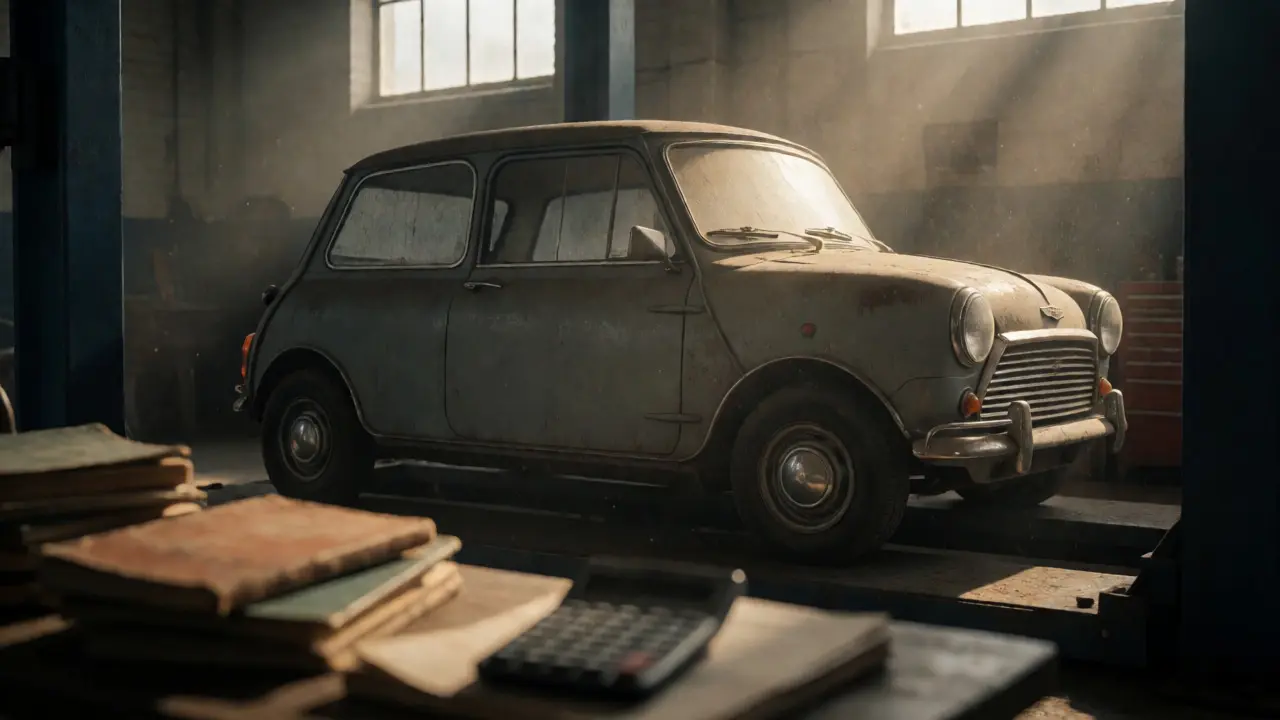
You walk into a garage in 2026, spot a dusty Mini Cooper from the late 1960s, and wonder if it’s worth more than your mortgage payment. Ten years ago, that same car might have been a weekend project costing you a few grand. Today? It’s a liquid asset. The British classic car market has shifted from hobbyist nostalgia to serious financial territory. If you’re holding onto an original Jaguar E-Type, or thinking about buying one now, understanding where values are heading is no longer optional-it’s critical for your wallet.
The Shift From Hobby to Hard Asset
Let’s be real: cars used to depreciate. That was the rule. But British classics broke the rule. Why? Scarcity and global demand. The number of surviving, unrestored examples of pre-1975 Minis and Series 1 E-Types is shrinking fast. Collectors aren’t just looking for pretty paint; they want provenance, matching numbers, and low mileage. This isn’t speculation. Data from major auction houses like Bonhams and RM Sotheby’s shows that top-tier examples have outperformed the S&P 500 over the last decade. If you’re treating these cars as toys, you’re missing the point. They are alternative investments with wheels.
Decoding the Mini Cooper Value Curve
The Mini Cooper is the perfect case study in market volatility. Not all Minis are created equal. A standard Mk I in fair condition might hover around £8,000-£12,000. But find a rare Cooper S Mk II with original documentation? You could see bids crossing £40,000 easily. What drives this gap? Originality. The market punishes restomods unless they are high-end builds like those from David Brown Automotive. For most buyers, the sweet spot remains the 1963-1967 models. Post-1968 cars saw quality dips due to BMC cost-cutting, making them cheaper but less desirable for pure collectors. If you’re hunting for value, look for early Clubman Estates. They offer utility and rarity without the six-figure price tag of a Cooper S.
Jaguar E-Type: The Beauty Tax
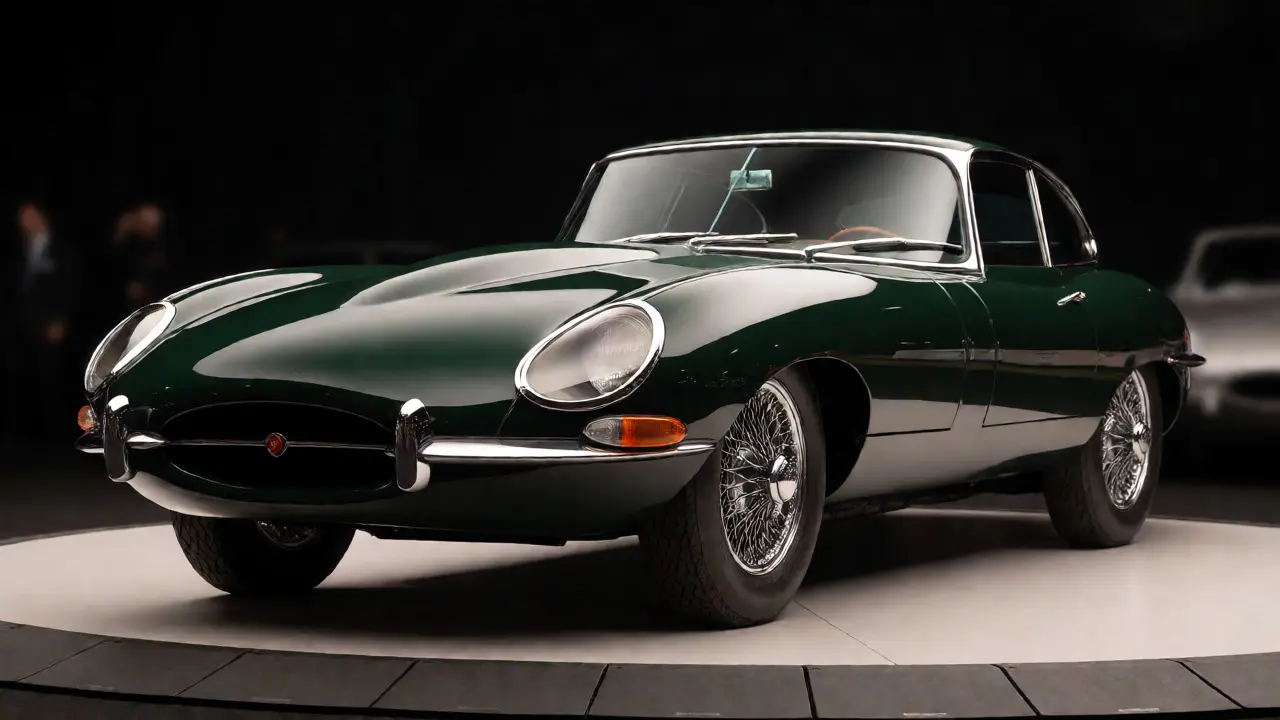
If the Mini is a blue-chip stock, the Jaguar E-Type is luxury gold. Enzo Ferrari called it the most beautiful car ever made, and the market agrees. However, owning one comes with a "beauty tax." Maintenance costs for a Series 1 E-Type can run £3,000-£5,000 annually even if you don’t drive it much. Values here are tiered strictly by series. A Series 1 Fixed Head Coupe (FHC) in concours condition commands £120,000+. A Series 3 V12, often seen as the "driver’s" choice, trades between £40,000 and £60,000. The trend in 2026 shows a widening gap. Purists are paying premiums for long-nose, closed-headlight Series 1s, while Series 2s sit in an awkward middle ground-too expensive for entry-level, not rare enough for top-tier investors.
| Model | Condition Tier | Est. Value (GBP) | Trend Direction |
|---|---|---|---|
| Mini Cooper S Mk I | Concours | £45,000 - £55,000 | Stable/Up |
| Mini Cooper S Mk I | Driver Quality | £18,000 - £25,000 | Up |
| Jaguar E-Type S1 FHC | Concours | £110,000 - £140,000 | Strong Up |
| Jaguar E-Type S3 V12 | Good Condition | £45,000 - £55,000 | Flat |
| Triumph TR6 | Original | £25,000 - £35,000 | Up |
Why Restoration Costs Are Eating Profits
Here’s the trap many new buyers fall into: buying a cheap project car. In 2026, labor rates for specialist mechanics in the UK average £80-£120 per hour. A full frame-off restoration on an E-Type can take 1,500 hours. Do the math. That’s £120,000+ in labor alone before parts. Often, the finished car is worth less than the sum of its parts. Unless you’re doing the work yourself, "project" cars are rarely bargains. They are money pits. The market rewards completed, documented cars. If you can’t fix a SU carburetor in your sleep, buy a car that’s already sorted. The premium for a ready-to-drive vehicle is worth every penny compared to the risk of endless mechanical surprises.
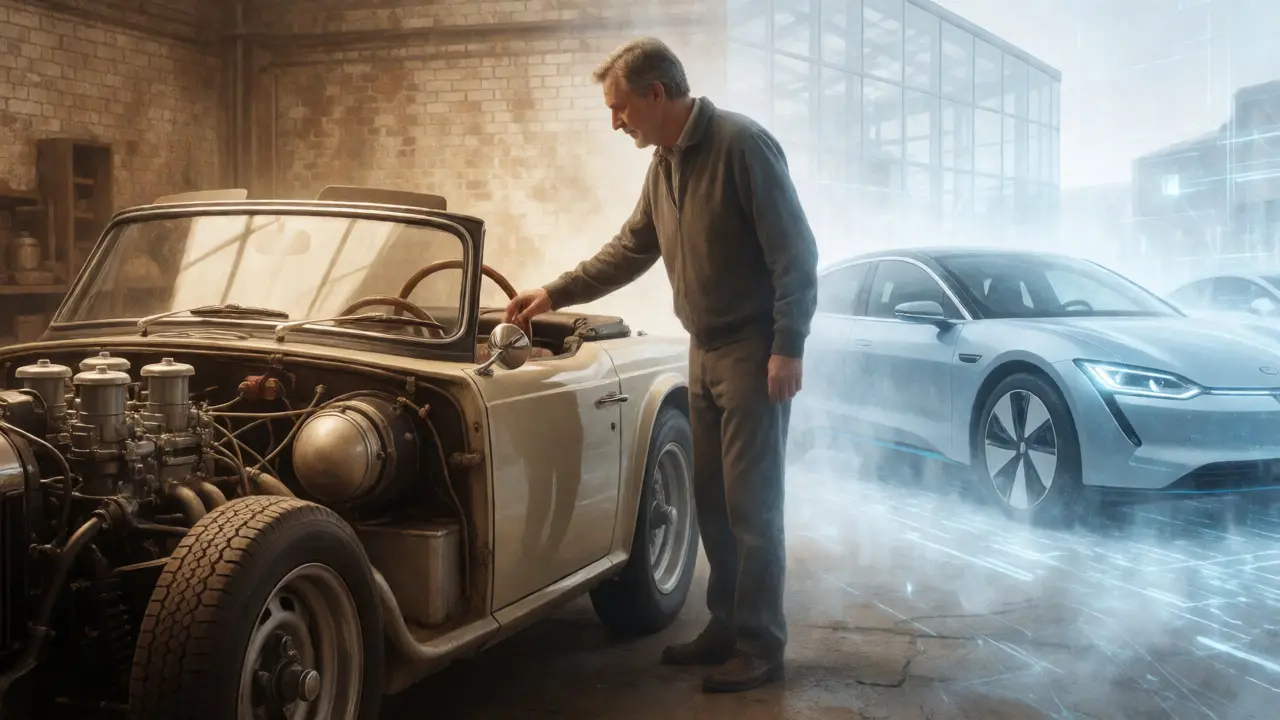
The Impact of Electrification on Combustion Icons
As EVs dominate new car sales, internal combustion engines are becoming exotic. This scarcity drives up the desirability of analog driving experiences. The tactile feedback of a manual gearbox, the smell of unburnt fuel, the sound of a straight-six-these are features you can’t replicate digitally. Younger collectors, aged 35-50, are entering the market not just for nostalgia, but for authenticity. They prefer original interiors over leather-wrapped modern retrofits. This demographic shift favors cars with minimal modifications. Keep your radio original. Keep your steering wheel original. Modifications that looked cool in 1995 are now devaluing assets in 2026.
Strategic Buying Tips for 2026
Ready to buy? Here’s how to navigate the current landscape without getting burned:
- Check the HPI and History File: Never buy without a complete history file. Missing service books can knock 15% off the value instantly.
- Avoid Rust Hotspots: On Minis, check the rear subframe mounts and floor pans. On E-Types, inspect the sills and boot floor. Structural rust kills deals faster than engine trouble.
- Verify Matching Numbers: Engine and gearbox codes must match the build sheet. Non-matching cars trade at a steep discount, often 20-30% below equivalent matching-numbers examples.
- Buy the Best Example You Can Afford: A mediocre example of a rare car is a bad investment. A good example of a common car is better. Prioritize condition over model rarity.
Future Outlook: Will the Bubble Burst?
Classic car markets are cyclical. We’ve seen corrections before, particularly during economic downturns. However, the fundamental supply of these cars is finite. You can’t manufacture more 1965 Minis. As inflation persists, tangible assets remain attractive. While speculative hype may cool, genuine icons like the E-Type and Cooper S will likely hold their value better than mid-tier classics. Diversify your portfolio. Don’t put all your cash into one car. And remember, the joy of driving should come first. If you hate maintaining a British classic, no amount of profit will make up for the frustration.
Is it better to buy a restored or original classic car?
For investment purposes, a well-preserved original car usually holds value better than a fully restored one, provided the original is in good mechanical order. Restorations are subjective; a poor restoration can ruin value, whereas original patina is increasingly prized by purists.
How does mileage affect Mini and E-Type values?
Low mileage is highly desirable, especially under 50,000 miles for E-Types and 30,000 miles for Minis. However, extremely low mileage (under 10,000) can sometimes raise suspicion of odometer tampering. Always verify mileage through historical records and MOT certificates.
Are aftermarket modifications bad for resale value?
Yes, generally. Non-original wheels, modern stereos, and performance exhausts typically reduce resale value by 10-20%. Serious collectors prefer factory-spec components. If you modify, keep all original parts to restore the car later.
What is the cheapest entry point into the British classic market?
The Austin Healey Sprite "Frogeye" or the Triumph Spitfire Mk IV offer relatively accessible entry points, often starting under £15,000 for decent driver-quality examples. They share similar maintenance challenges to larger cars but with lower purchase prices.
How do insurance costs compare for these classics?
Classic car insurance is significantly cheaper than standard policies, often costing £200-£500 annually. However, insurers require agreed-value coverage and strict storage conditions (garaged). Driving restrictions (e.g., limited annual mileage) are common terms.