British Cars in the 1950s: The Golden Age of Luxury and Performance
 Nov, 21 2026
You’d think that after six years of rationing, blackouts, and driving on scraps, a country would be too exhausted to care about style. But Britain did the opposite. In the 1950s, while America was building massive land yachts with tailfins, British manufacturers were crafting something entirely different. They built British cars that felt like tailored suits on wheels-precise, elegant, and surprisingly fast. This wasn’t just about transportation; it was a statement of national identity during a time when the Empire was shrinking but cultural influence was expanding.
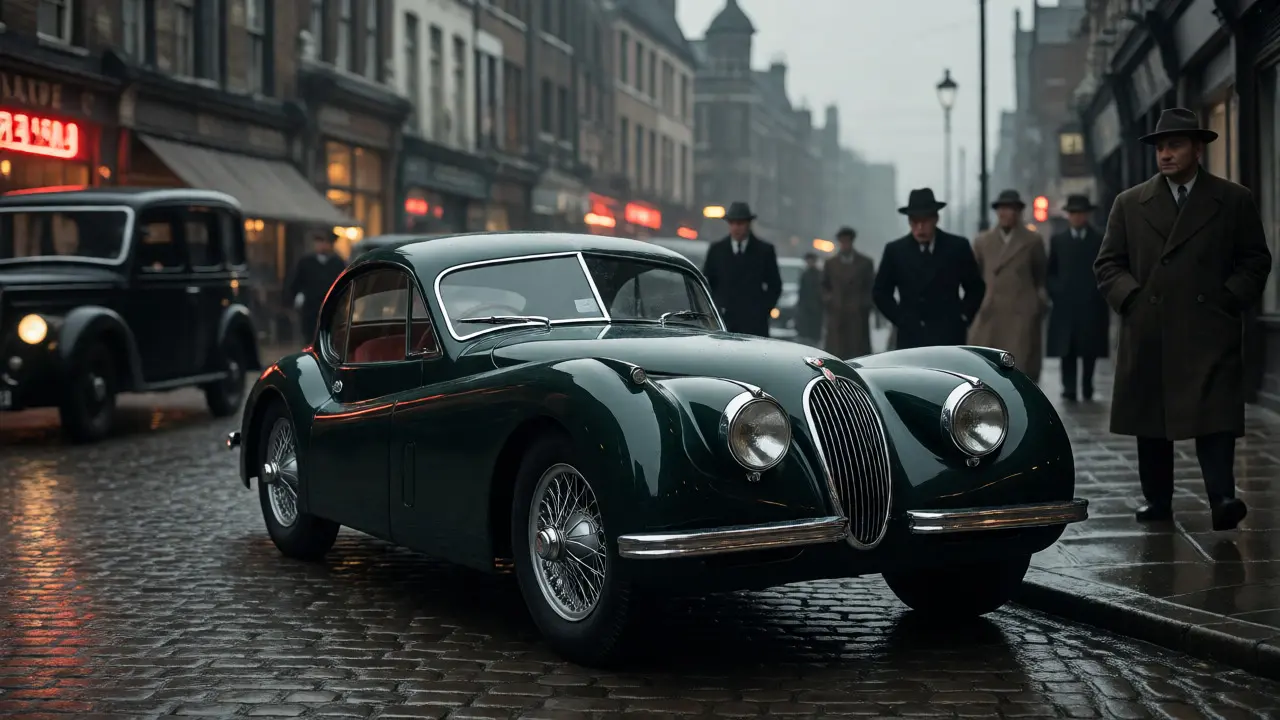
If you’ve ever seen a photo of a Jaguar XK120 parked outside a Hollywood studio in 1953, you know what I mean. It didn’t look like a tank. It looked like art. And for a brief, shining moment, the world agreed. From the winding roads of Monaco to the highways of California, British marques became symbols of refined taste. But how did a war-torn island become the global arbiter of automotive cool? It came down to three things: engineering ingenuity born from necessity, a design philosophy that valued beauty over bulk, and a marketing strategy that sold dreams, not just metal.
The Postwar Context: Why Britain Pivoted to Exports
Here’s the cold hard fact: Britain needed cash. Badly. After World War II, the country was bankrupt, heavily indebted to the United States, and desperate for foreign currency. The government implemented strict export targets for manufacturers. If you wanted steel or aluminum allocations, you had to ship your cars abroad. This forced companies like Bentley, Rolls-Royce, and Aston Martin to look beyond their domestic market, which was small and still recovering.
This economic pressure created an unexpected innovation hub. Manufacturers couldn’t afford to waste material, so they focused on efficiency and weight reduction. While American cars grew heavier with chrome and fins, British engineers kept things light. A lighter car handles better, accelerates faster, and uses less fuel. These practical constraints turned into performance advantages that caught the eye of international buyers who cared about driving dynamics, not just curb appeal.
Engineering Ingenuity: The Heart of British Performance
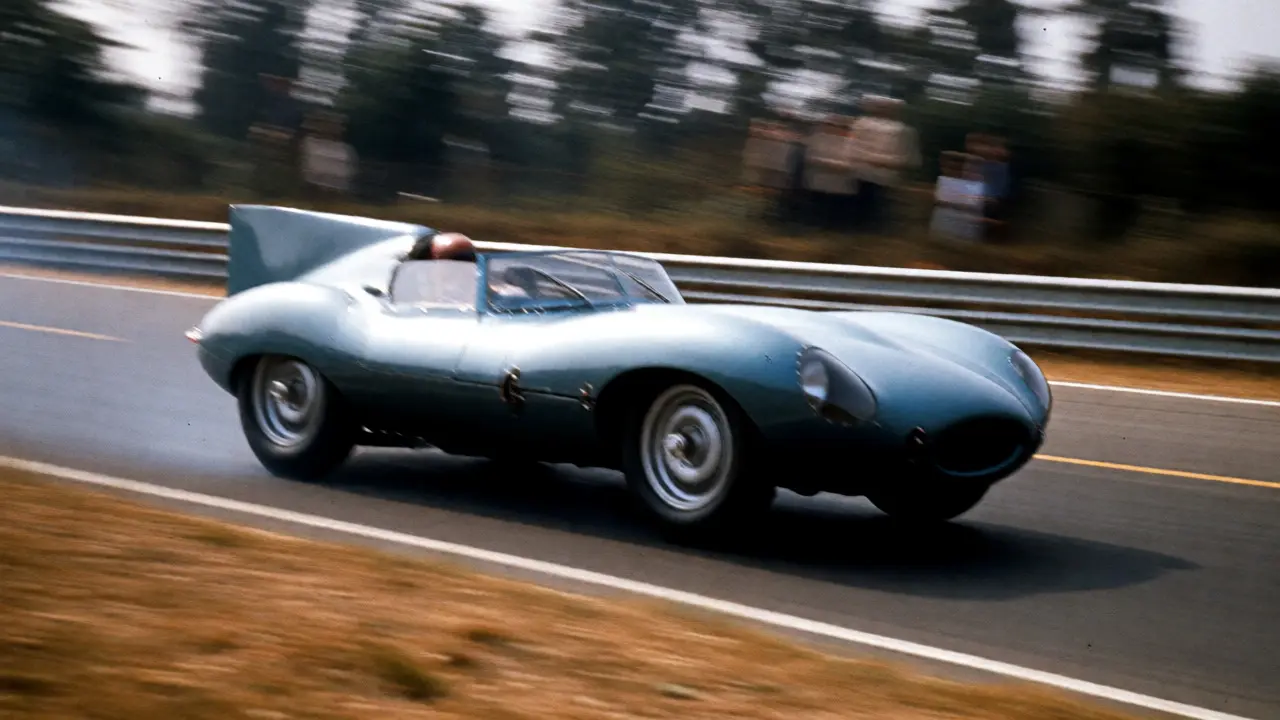
The secret sauce of 1950s British motoring wasn’t horsepower numbers on a dyno sheet-it was the power-to-weight ratio. Take the Jaguar C-Type and its successor, the D-Type. These weren’t just road cars; they were race cars wearing clothes. The D-Type, introduced in 1954, featured a monocoque chassis, a technology borrowed from aircraft manufacturing. This construction method made the car incredibly rigid yet lightweight.
Compare this to the typical American sedan of the era. You had a heavy body-on-frame construction, a big V8 engine (often underutilized), and soft suspension designed to soak up potholes rather than corner sharply. British cars, by contrast, used independent front suspension and coil springs all around. This setup allowed for precise steering feedback. When you drove a Triumph TR2 or an Austin-Healey 100, you felt connected to the road. That tactile experience became a key selling point in markets where enthusiasts actually enjoyed driving.
| Model | Engine Size | Top Speed (MPH) | Weight (lbs) | Primary Market Appeal |
|---|---|---|---|---|
| Jaguar XK120 | 3.4L Inline-6 | 120+ | ~3,000 | Speed & Glamour |
| Aston Martin DB2/4 | 2.6L Inline-6 | 105 | ~2,700 | Elegance & Touring |
| Triumph TR2 | 2.0L Inline-4 | 90 | ~2,000 | Affordable Fun |
| Austin-Healey 100 | 2.6L Inline-4 | 100 | ~2,100 | Practical Performance |
Design Philosophy: Less Is More
American designers in the 1950s believed more was better. More chrome, more glass, more length. British designers took the opposite approach. Influenced by the Bauhaus movement and the austerity of wartime utility, they embraced minimalism. Look at the Aston Martin DB2. Its lines are clean, uninterrupted, and flowing. There are no unnecessary flourishes. The grille is subtle, the headlights integrated, and the proportions balanced.
This aesthetic resonated deeply with European buyers and increasingly with wealthy Americans who wanted to stand out from the crowd of Cadillacs and Lincolns. Owning a British car signaled that you appreciated craftsmanship and understatement. It was the automotive equivalent of wearing a Savile Row suit instead of a loud Hawaiian shirt. Designers like Malcolm Sayer at Jaguar worked closely with aerodynamicists, ensuring that every curve served a functional purpose. The result was cars that looked fast even when standing still.
Cultural Impact: From Le Mans to Hollywood
Reputation isn’t built in boardrooms; it’s built on racetracks and movie screens. The 1950s saw British cars dominate motorsport. Jaguar won the 24 Hours of Le Mans five times between 1951 and 1957. These victories weren’t just trophies; they were proof of reliability and speed. Newsreels showing Jaguars lapping the circuit faster than anything else circulated globally, creating an aura of invincibility.
Hollywood amplified this image. Stars like Clark Gable, Tyrone Power, and later Steve McQueen were photographed with British sports cars. The 1953 film "Roman Holiday" featured a Vespa, sure, but other films showcased Jaguars and Astons as props for sophisticated characters. In "The African Queen," Humphrey Bogart might have been rough-and-ready, but the car he drove off-screen often spoke volumes about his character’s hidden depth. For the average consumer, seeing their idol behind the wheel of a MG MGA made the brand aspirational. It transformed these vehicles from mere machines into lifestyle accessories.
The Challenge of Quality Control
It wasn’t all sunshine and silk ties. The rapid expansion of exports put immense strain on British factories. Labor shortages, outdated machinery, and inconsistent quality control led to issues that frustrated owners. Electrical gremlins were notorious. Lucas electrics, in particular, became a running joke among enthusiasts because of their unreliability. A perfectly beautiful car could leave you stranded on the side of the road due to a faulty wire or switch.
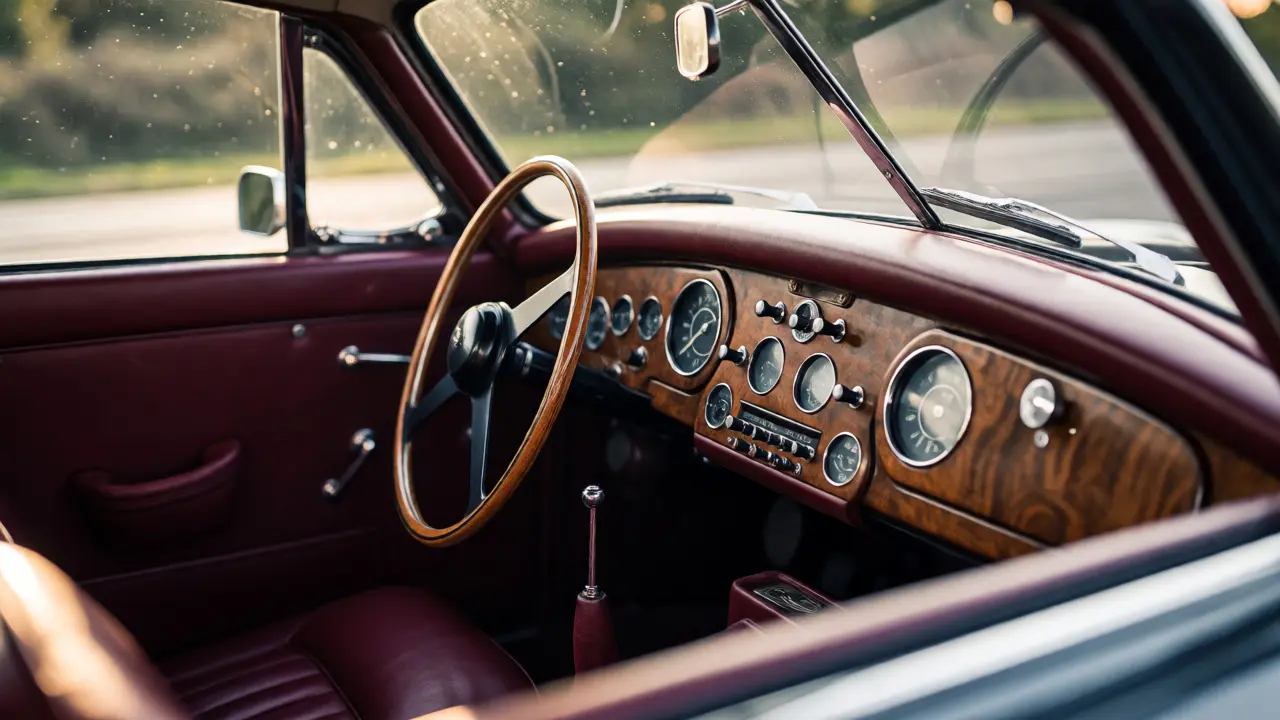
Mechanically, however, the engines were robust. The Jaguar XK engine, for instance, proved durable enough to last decades with proper maintenance. The issue wasn’t usually catastrophic failure but rather annoying minor faults. Owners learned to become amateur mechanics. This hands-on requirement filtered the buyer pool slightly, attracting those who loved tinkering or could afford dedicated service. Despite these quirks, the charm outweighed the frustrations for many. The emotional connection to the car-the sound of the exhaust, the feel of the leather seats-created loyalty that transcended logical ownership costs.
Legacy: How the 1950s Shaped Modern Luxury
The reputation established in the 1950s didn’t vanish when the decade ended. It laid the groundwork for modern luxury branding. Today, when we talk about "heritage" in automotive marketing, we’re referencing the stories forged in that postwar boom. Brands like Bentley and Rolls-Royce leveraged their pre-war prestige combined with 1950s exclusivity to maintain their ultra-luxury status. Meanwhile, sports car brands used their racing pedigree to justify premium pricing in competitive segments.
Even today, if you buy a new British sports car, you’re buying into a narrative started seventy years ago. You’re buying the idea that engineering elegance beats brute force. That tradition matters. That there’s a difference between getting from A to B and enjoying the journey. The 1950s proved that a small nation could punch above its weight by focusing on niche excellence rather than mass production volume. It’s a lesson that still resonates in industries far beyond automotive.
Why were British cars considered more luxurious than American cars in the 1950s?
British cars focused on hand-crafted interiors using high-quality leather, wood veneers, and polished metals, whereas American cars prioritized size and synthetic materials. The British approach emphasized driver engagement and bespoke detailing, appealing to buyers who valued craftsmanship over sheer space.
What was the most popular British car in the US during the 1950s?
The Jaguar XK120 was arguably the most iconic, but the Triumph TR2 and Austin-Healey 100 were also hugely popular due to their lower price points and accessible performance. The MG TD also had a strong following among enthusiasts looking for an entry-level classic.
Did British cars suffer from poor reliability in the 1950s?
While mechanical components like engines and gearboxes were generally robust, electrical systems and assembly quality varied significantly. Issues with wiring, switches, and rust were common complaints, requiring owners to perform regular maintenance and tolerate some imperfections.
How did postwar rationing affect British car manufacturing?
Rationing limited access to steel, aluminum, and rubber, forcing manufacturers to innovate with lighter materials and efficient designs. This constraint inadvertently improved handling and fuel efficiency, giving British cars a performance edge over heavier competitors.
Which British car brand dominated Le Mans in the 1950s?
Jaguar dominated the 24 Hours of Le Mans during this period, winning the race in 1951, 1953, 1955, 1956, and 1957. Their success with the C-Type and D-Type models cemented their reputation for speed and endurance.