British Car Making Skill: From Hand Tools to High Tech
 Aug, 25 2026
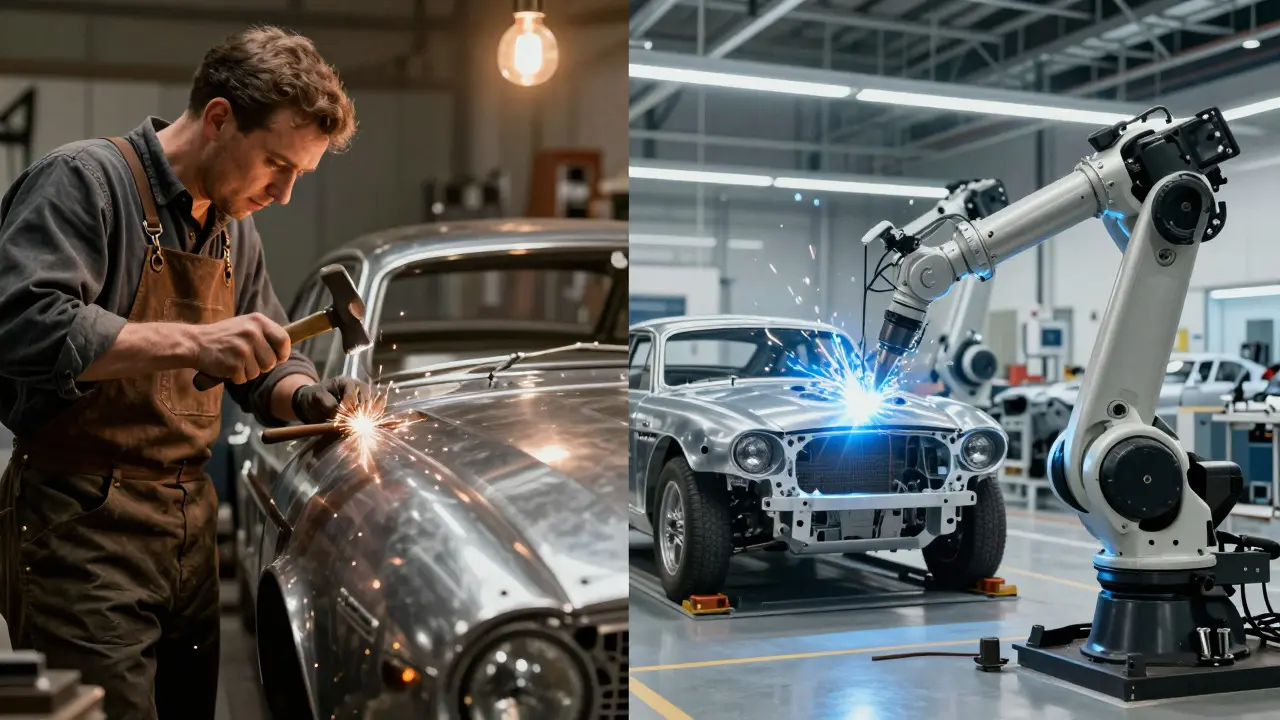
Imagine holding a component that was shaped by human hands in the 1960s, then looking at its modern counterpart produced by robotic arms in 2026. The material might be different, but the soul of British car making is a continuous thread of precision and craftsmanship that has evolved from manual labor to digital automation. This isn't just about nostalgia; it's about understanding how specific skills have survived, adapted, or been replaced across six decades of industrial change.
When you look at the history of British motoring, you see a distinct pattern. It wasn't just about building cars; it was about solving problems with limited resources. The transition from the workshop floor to the automated plant didn't happen overnight. It was a gradual shift where traditional methods met new technologies, creating a unique hybrid of skill sets that still define the industry today.
The Era of the Hand Tool
In the mid-20th century, the backbone of Hand Tool Manufacturing was the skilled artisan. Before computer-aided design existed, every curve on a body panel had to be calculated by eye and feel. Workers used files, hammers, and sanders to shape metal. This process was slow, yes, but it allowed for incredible flexibility. If a customer wanted a specific modification, a craftsman could make it happen without retooling an entire factory line.
- Precision Fitting: Components were often made to fit individually, resulting in tighter tolerances than early mass production.
- Material Knowledge: Artisans understood the grain of wood, the temper of steel, and the flow of paint intuitively.
- Customization: Every vehicle could be tweaked to the owner's preference, from leather stitching to engine tuning.
This era produced legendary brands like Aston Martin and Rolls-Royce, where the 'hand-built' label was a badge of honor. The skill set required years of apprenticeship. You learned by watching, then doing, then perfecting. There was no error margin; if you messed up, you fixed it yourself.
The Digital Revolution and Automation
By the 1980s and 1990s, the landscape changed dramatically. The introduction of Computer-Aided Design (CAD) and Computer-Aided Manufacturing (CAM) shifted the focus from individual dexterity to system integration. Robots began welding chassis frames with millimeter accuracy, far exceeding human consistency over long shifts.
However, this didn't mean humans disappeared. Instead, their role evolved. The operator who once hammered sheet metal became the technician who programmed the robot. The skill set moved from physical strength to logical thinking and data interpretation. Today, in plants like those producing the Jaguar Land Rover range, engineers use simulation software to test stress points before a single piece of metal is cut.
| Aspect | Hand Tool Era (1950s-1970s) | High Tech Era (2000s-Present) |
|---|---|---|
| Primary Tool | Hammers, Files, Lathes | CNC Machines, Robotic Arms, CAD Software |
| Skill Focus | Physical Dexterity, Intuition | Data Analysis, System Integration |
| Production Speed | Low (Hours per unit) | High (Minutes per unit) |
| Error Correction | Manual Refinement | Algorithmic Adjustment |
| Customization Level | High (Per Unit) | Medium (Configurable Options) |
Where Tradition Meets Technology
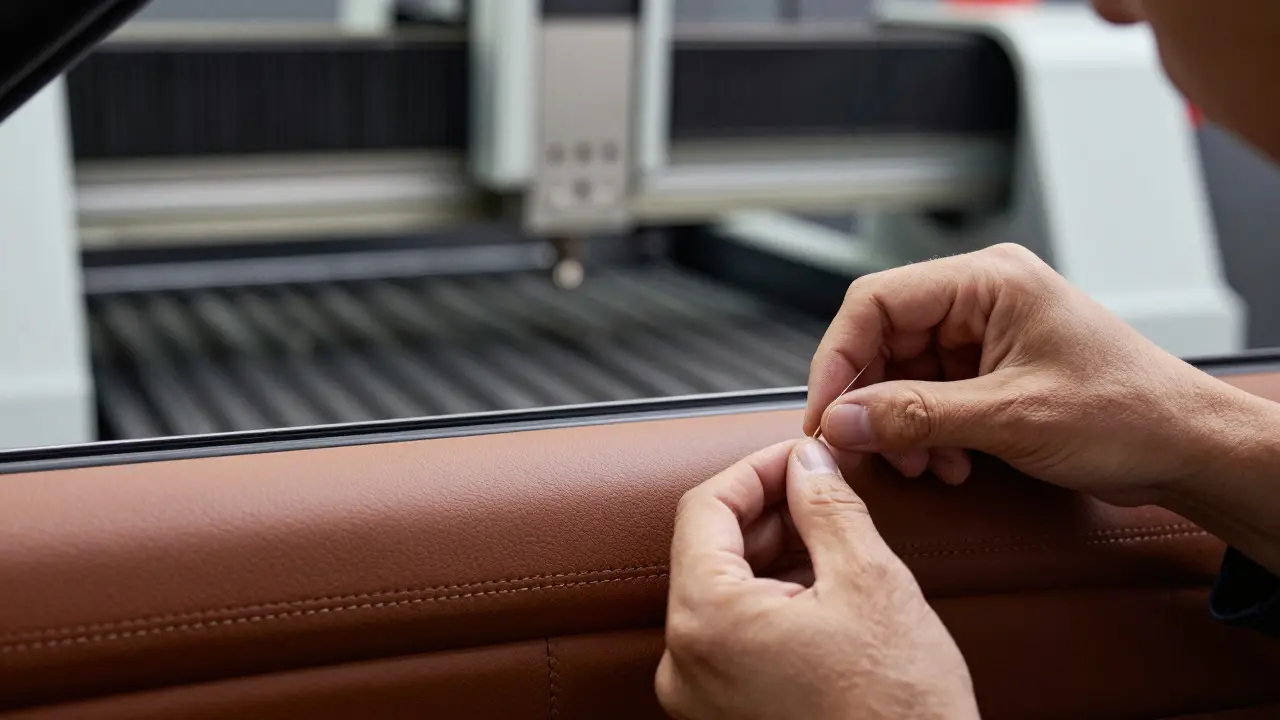
It’s a common misconception that high-tech manufacturing killed craftsmanship. In reality, they coexist. Take the interior of a modern luxury British car. The door panels might be stamped by robots, but the leather stitching? That’s often still done by hand. Why? Because machines can’t replicate the subtle tension variations that human fingers provide, which contribute to the tactile quality buyers expect.
This blend is visible in the supply chain as well. Small suppliers in places like Coventry and the Midlands still produce bespoke components using lathes and mills, feeding them into larger assembly lines. These 'hidden champions' rely on deep knowledge of materials science and mechanical principles-skills that haven't changed much since the Victorian era, even if the equipment has.
The Role of Education and Training
To keep this continuum alive, education plays a critical role. Technical colleges in the UK now offer programs that combine traditional machining with digital fabrication. Students learn to operate CNC Machines while also understanding the metallurgy behind the parts they are cutting. This dual approach ensures that when technology fails, there is still a workforce capable of diagnosing the problem manually.
Apprenticeships remain vital. They provide a pathway for young people to enter the industry without needing a four-year degree. By learning on the job, they gain practical experience that textbooks can't teach. For example, knowing how a specific alloy behaves under heat requires more than reading a datasheet; it requires watching the color change and adjusting the speed accordingly.
Challenges Facing Modern Craftsmanship
Despite the enduring influence of these skills, challenges persist. The cost of maintaining high-tech facilities is significant. Companies must invest heavily in R&D to stay competitive with global rivals. Additionally, there is a perception issue among younger generations, who may view factory work as unglamorous compared to office jobs in finance or tech.
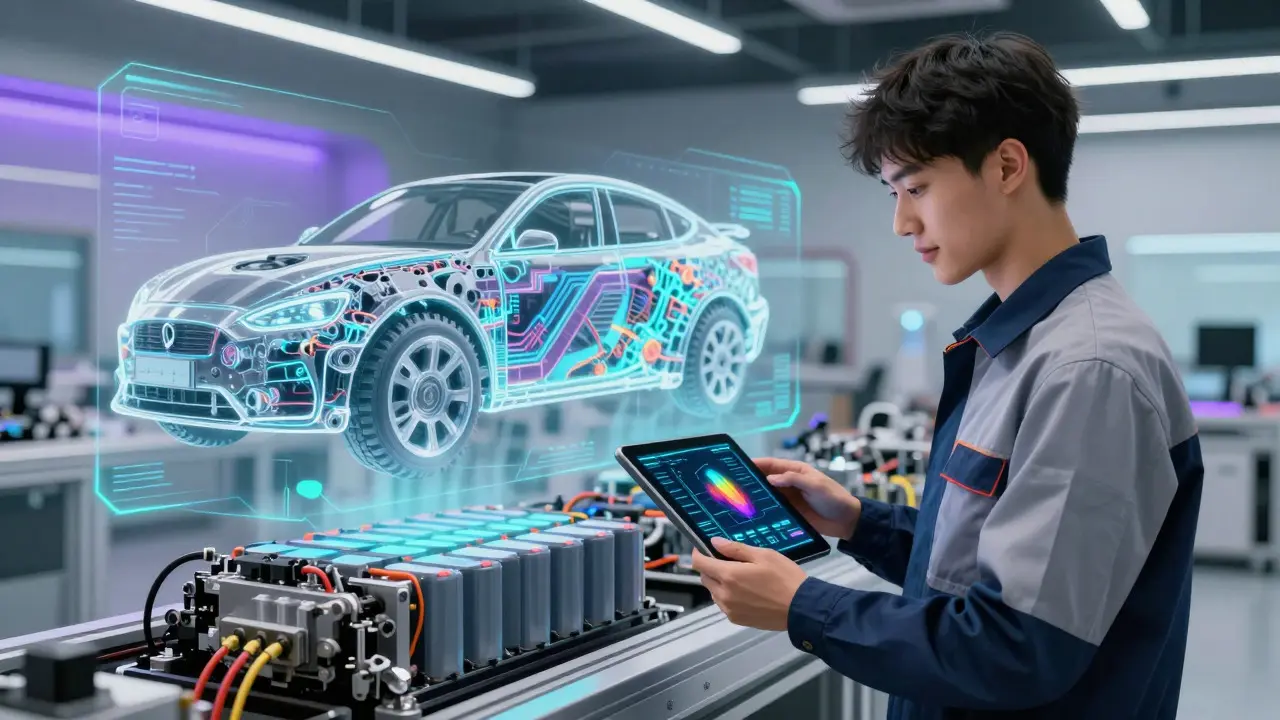
However, the rise of electric vehicles (EVs) is changing this narrative. EVs require less complex drivetrain engineering but demand higher precision in battery pack assembly and thermal management. This creates new opportunities for skilled technicians who understand both electrical systems and mechanical integrity. The skill set is evolving again, shifting from combustion engine expertise to electro-mechanical proficiency.
Preserving the Heritage
Many British car manufacturers actively market their heritage as a key selling point. When you buy a Bentley or a McLaren, you aren't just buying transportation; you're buying a story. The story includes the hands that built it, the tools they used, and the innovations they pioneered. This narrative connection helps justify premium pricing and keeps the brand relevant in a crowded market.
Furthermore, restoration projects play a huge part in keeping old skills alive. Enthusiasts restoring classic cars need to find rare parts and reproduce components that are no longer available. This drives demand for traditional machining shops, ensuring that the knowledge of hand tools and manual fitting doesn't die out with the last generation of artisans.
Is hand-made car manufacturing still profitable?
Yes, primarily in the luxury and hypercar segments. Brands like Rolls-Royce and Aston Martin command high prices because consumers value the exclusivity and craftsmanship associated with hand-built elements. While mass-market cars rely on automation for cost efficiency, the niche market supports traditional methods through premium pricing.
What skills are most in demand in British automotive manufacturing today?
The highest demand is for hybrid skills: technicians who understand both traditional mechanical principles and modern digital systems. Specifically, expertise in CNC programming, battery management systems for EVs, and advanced composites layup are critical. Pure manual machining is declining in volume but remains essential for specialized parts and repairs.
How does British car making differ from German or Japanese manufacturing?
British manufacturing tends to emphasize design heritage and bespoke customization more than pure scale efficiency. While German and Japanese firms often focus on lean production and high-volume consistency, British brands leverage their historical reputation for craftsmanship to differentiate themselves, often blending high-tech assembly with final hand-finishing touches.
Are apprenticeships still effective for training modern engineers?
Yes, but they have evolved. Modern apprenticeships integrate classroom learning in digital tools alongside on-the-floor practice. This ensures graduates are comfortable with software interfaces and data analysis, not just physical tasks. It bridges the gap between academic theory and real-world application effectively.
Will AI replace human craftsmen in car factories?
AI will likely handle repetitive and data-heavy tasks, such as quality control inspections via vision systems. However, human judgment is still required for problem-solving, creative design adjustments, and handling unexpected issues. The future is collaborative, with AI augmenting human capability rather than fully replacing it in complex manufacturing environments.