British Car Interior Design 1948-1960: Craft, Comfort & Material Choices
 Aug, 17 2026
Imagine sitting in a Jaguar XK120 from 1955. You don't just see the dashboard; you feel the weight of the steering wheel and the texture of the leather under your hands. Between 1948 and 1960, British car interior design shifted from wartime austerity to a new era of opulent craftsmanship. This wasn't just about looking good. It was about proving that Britain could still lead in luxury and engineering precision while the world rebuilt itself.
The postwar period brought a specific set of challenges and opportunities. Materials were scarce at first, but as supply chains stabilized, designers like those at Rolls-Royce and Bentley began pushing boundaries. They combined traditional woodworking with emerging synthetic materials, creating cabins that felt like private clubs on wheels. Understanding this era requires looking at three main pillars: the evolution of upholstery techniques, the role of wood veneers, and the transition from manual to semi-automatic comfort features.
The Evolution of Upholstery Techniques
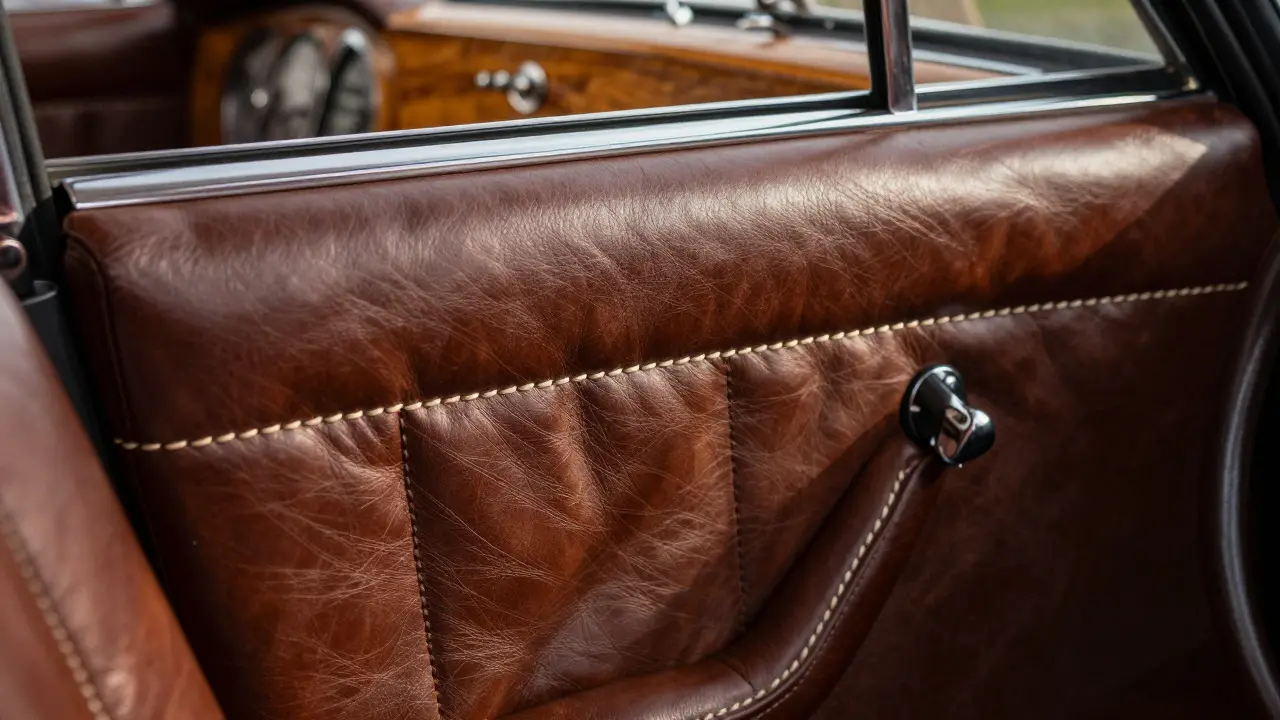
In 1948, most British cars still used wool-based fabrics or basic vinyls. The war had depleted high-quality leather supplies, so manufacturers relied on durable, easy-to-clean materials. However, by the mid-1950s, leather upholstery became a status symbol again. But it wasn't just any leather. Top-tier brands like Aston Martin and Jaguar used full-grain hide, often tanned in local facilities to ensure consistency in color and softness.
The stitching method changed dramatically during these twelve years. Early postwar models featured simple machine stitching. By 1953, hand-stitching returned to high-end models. Why? Because hand-stitching allowed for tighter tension and a more uniform look across large seat panels. A single seamstress might spend four hours on one door panel, ensuring every stitch was identical. This level of detail is what separates a standard production car from a bespoke commission.
- 1948-1950: Wool blends and heavy-duty vinyls dominated due to material shortages.
- 1951-1955: Introduction of perforated leather for ventilation in summer climates.
- 1956-1960: Full leather cabins with contrast piping and hand-stitched seams became standard for premium models.
Wood Trim and Dashboard Aesthetics
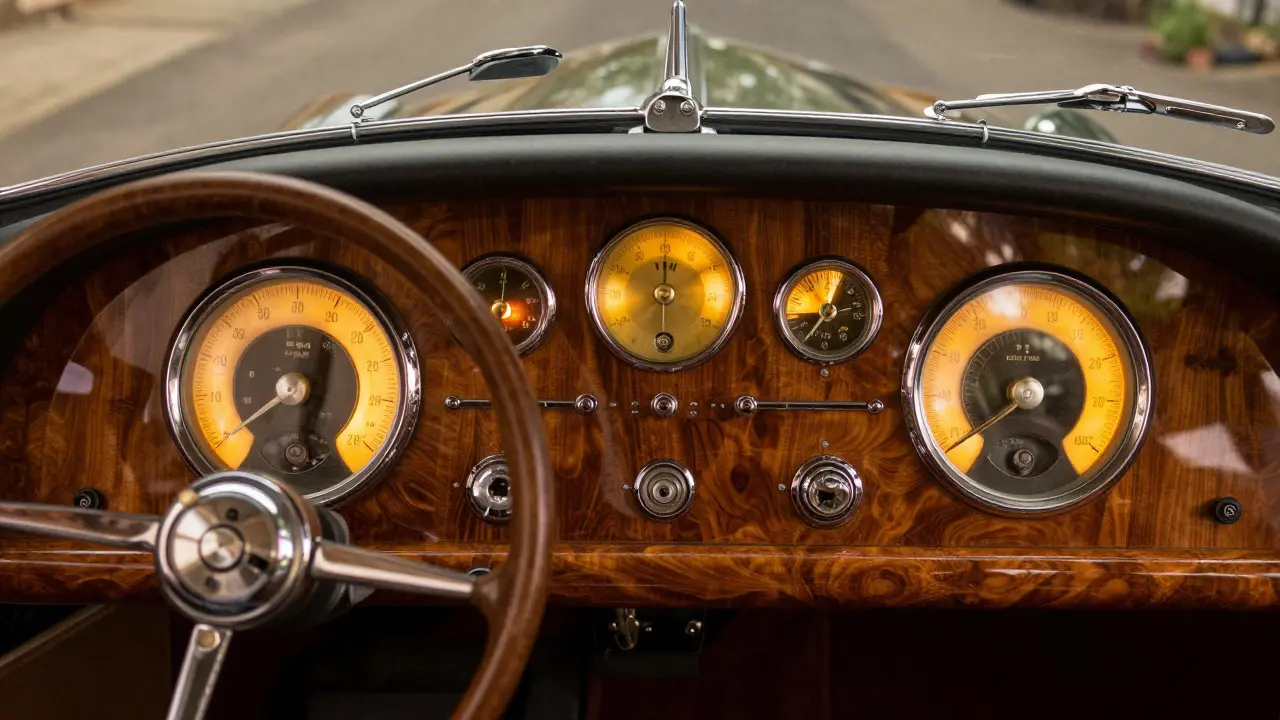
If upholstery defined the touch, wood defined the sight. British car interiors of this era are famous for their extensive use of wood veneer. Unlike American cars, which often used plastic or painted metal dashboards, British manufacturers favored real wood. This choice stemmed from a cultural preference for natural materials and a desire to evoke a sense of heritage.
The types of wood used varied by model tier. Budget models like the Austin A40 might have simulated wood grain paint. Mid-range cars like the Triumph TR3 used lighter woods such as ash or maple. Luxury vehicles, however, reserved exotic species. Walnut, rosewood, and even burr walnut were common in Rolls-Royce and Bentley models. Each piece of veneer was cut from a single log to match the grain pattern across the entire dashboard. If a crack appeared in the wood during cutting, the whole batch was often rejected, leading to significant waste but ensuring perfection.
Polishing was another critical aspect. Manufacturers applied multiple coats of lacquer to protect the wood and enhance its luster. This process required curing time, meaning cars sat in drying rooms for days before final assembly. Today, restorers struggle to replicate this depth of finish using modern clear coats, which tend to be harder but less warm-looking than the nitrocellulose lacquers of the 1950s.
Comfort Features and Ergonomics
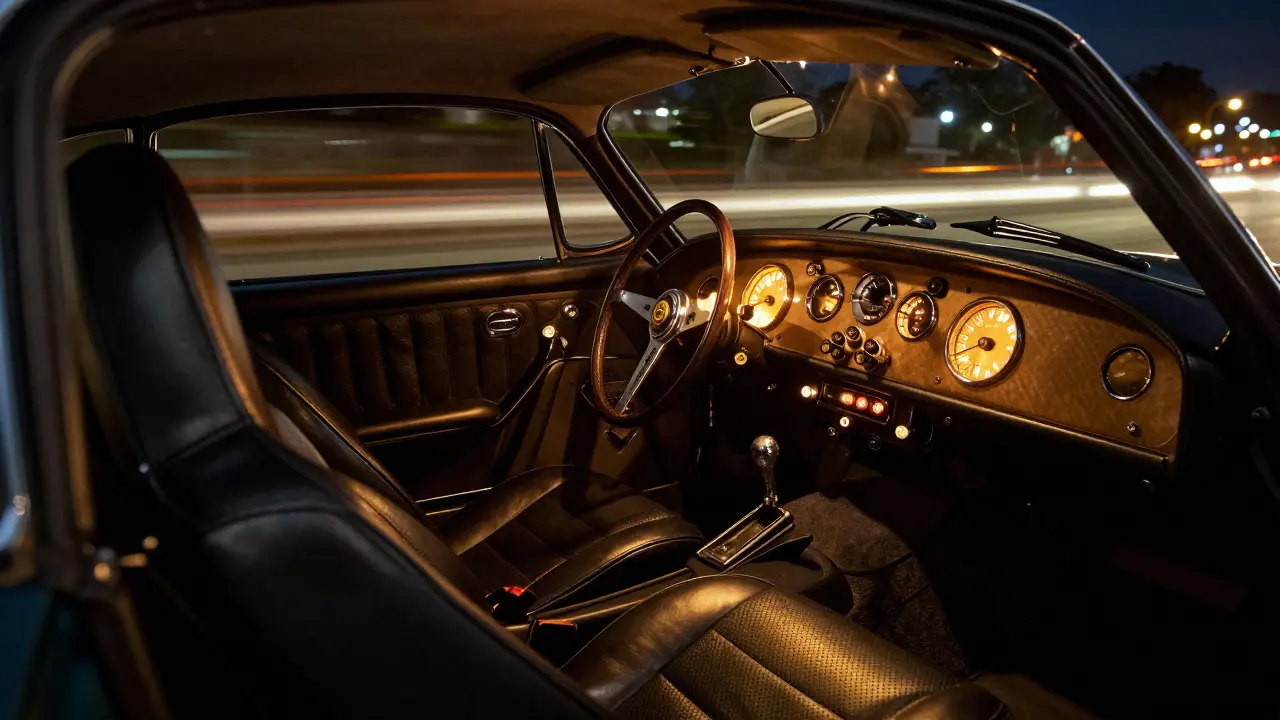
Comfort in 1948 meant having a firm seat and a quiet cabin. By 1960, it included power windows, heated seats, and adjustable lumbar support. The transition happened gradually. In 1952, electric window lifts were rare in Europe but started appearing in top-spec British models. These early systems were heavy and prone to failure, requiring robust motors and thick cables.
Seat design also evolved. Early postwar seats were flat and rigid, designed to last decades rather than provide immediate comfort. As suspension technology improved, seat designs became more contoured. By 1957, many British sports cars featured bucket seats with integrated headrests, a departure from the bench seats that dominated earlier decades. This shift reflected a change in driving culture-from family transportation to individual performance-oriented motoring.
| Feature | Budget Models (e.g., Morris Minor) | Mid-Range (e.g., Triumph TR3) | Luxury (e.g., Bentley S1) |
|---|---|---|---|
| Upholstery Material | Wool blend fabric | Vinyl or partial leather | Full-grain leather |
| Dashboard Finish | Painted metal or plastic | Light wood veneer | Exotic hardwood (Walnut/Rosewood) |
| Stitching Method | Machine stitched | Machine stitched with decorative accents | Hand-stitched |
| Power Windows | Rare/Manual | Optional | Standard |
| Heating System | Basic radiator heat | Improved blower system | Zone heating with controls |
The Role of Lighting and Instrumentation
Often overlooked, the lighting and instrument cluster played a huge role in the perceived quality of a British car interior. In 1948, instruments were functional but unadorned. Dials were black with white markings, and switches were simple toggle levers. By 1955, manufacturers began treating the dashboard as a display case.
Jaguar introduced illuminated dials with amber lenses, giving the cabin a warm glow at night. Rolls-Royce went further, adding chrome bezels around each gauge and using backlit switches. The goal was not just visibility, but ambiance. Owners wanted their cars to feel luxurious even when parked. This attention to detail extended to the light switches themselves, which were often made of polished brass or chrome-plated metal, with smooth, weighted action.
Another key element was the clock. Mechanical clocks were standard, but some high-end models offered electric synchronization. The placement of the clock was strategic, usually centered on the dashboard to serve as a visual anchor. Restorers today often replace broken mechanical clocks with modern digital units, but purists argue this ruins the aesthetic integrity of the original design.
Material Scarcity and Innovation
The period from 1948 to 1960 was marked by fluctuating material availability. After the war, rubber and steel were in short supply. This forced designers to get creative. For example, some early models used fiberglass for interior panels instead of metal, reducing weight and cost. As plastics technology advanced, materials like Bakelite gave way to newer resins that were more durable and easier to mold into complex shapes.
Glass also played a role. Windshields and side windows were thinner and more curved than pre-war models, improving aerodynamics and visibility. Tinted glass became popular in the late 1950s, offering privacy and sun protection. However, tinting technology was limited, so colors were often green or blue, matching the exterior paint schemes of the era.
These material constraints actually drove innovation. Engineers had to solve problems with fewer resources, leading to clever design solutions that are still admired today. For instance, the way wood veneer was bonded to metal substrates improved significantly during this period, reducing delamination issues that plagued earlier cars.
Preserving the Legacy Today
For collectors and restorers, understanding the original specifications is crucial. Replacing a hand-stitched leather seat with a machine-stitched one changes the character of the car. Similarly, using the wrong type of wood veneer can make a restoration look off-balance. Many enthusiasts now source original parts from dismantled vehicles or commission custom work from specialist workshops that understand historical techniques.
The challenge is balancing authenticity with practicality. Original materials degrade over time. Leather cracks, wood fades, and plastics become brittle. Modern alternatives offer better durability but may lack the tactile warmth of the originals. The best approach is often a hybrid: using modern adhesives and fasteners where invisible, but sticking to period-correct materials for visible surfaces.
This era of British car design represents a unique moment in automotive history. It was a time when craftsmanship was valued as highly as performance. The interiors were not just functional spaces; they were expressions of national pride and artistic skill. Whether you own a classic or simply appreciate design history, these details reveal the care and attention that went into creating vehicles that are still celebrated today.
What materials were most common in British car interiors between 1948 and 1960?
The most common materials included wool-blend fabrics for budget models, vinyl for mid-range cars, and full-grain leather for luxury vehicles. Wood veneers like walnut and rosewood were standard for dashboards, while chrome and brass were used for hardware and instrumentation.
Why did British manufacturers prefer wood over plastic for dashboards?
British manufacturers preferred wood due to cultural associations with luxury and heritage. Real wood offered a warmer aesthetic and better acoustic properties compared to early plastics. Additionally, the craftsmanship involved in veneer application was a selling point for high-end buyers who valued artisanal quality.
How has upholstery technique changed from 1948 to 1960?
Techniques evolved from basic machine stitching to intricate hand-stitching in luxury models. Seat designs shifted from flat, rigid benches to contoured bucket seats with integrated headrests. The introduction of perforated leather and contrast piping added both functionality and visual appeal to the interior.
What impact did material scarcity have on postwar car design?
Material scarcity forced designers to innovate with alternative materials like fiberglass and early plastics. It also led to more efficient use of available resources, such as optimizing wood veneer cutting patterns. These constraints resulted in creative solutions that improved durability and reduced weight without sacrificing style.
How should restorers approach preserving original interior materials?
Restorers should prioritize period-correct materials for visible surfaces, such as hand-stitched leather and authentic wood veneers. For hidden components, modern alternatives can be used if they improve reliability. Consulting original factory manuals and sourcing parts from verified suppliers ensures accuracy and maintains the vehicle's historical value.