British Car Design Evolution: From Coachbuilt Curves to Modernity
 Apr, 22 2026
Ever wonder why a modern Aston Martin still feels like it belongs in the same family as a 1950s DB series, even though the shapes have shifted from hand-beaten aluminum to carbon fiber? It is because British car styling isn't just about aesthetics; it is a long-running battle between tradition and the laws of physics. For decades, the UK has been the epicenter of a specific kind of luxury-one that started in workshops with wooden frames and evolved into wind tunnels and digital sculpting.
Key Highlights of British Styling
- The transition from bespoke coachbuilding to mass-production styling.
- The impact of aerodynamics on the classic "long bonnet, short boot" silhouette.
- How heritage brands maintain a visual DNA while meeting 2026 safety standards.
- The shift from organic, hand-drawn curves to crisp, parametric modernity.
The Era of Bespoke Coachbuilding
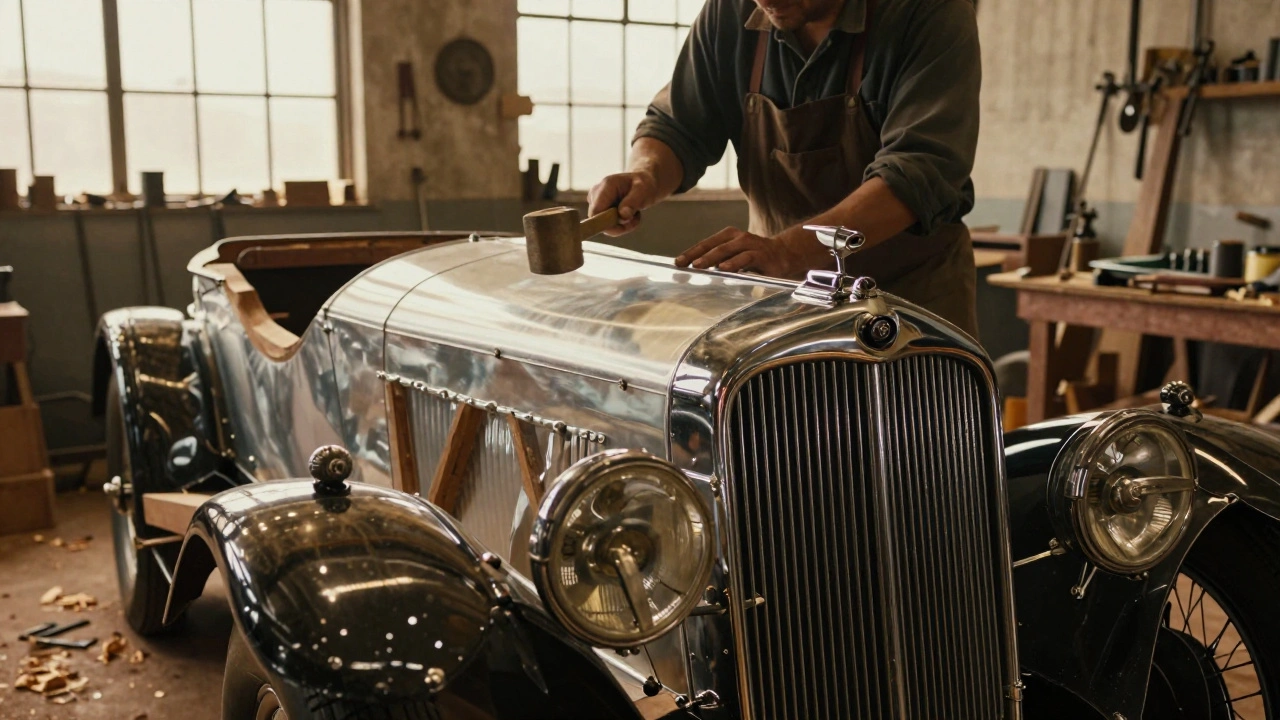
Back in the early 20th century, you didn't just buy a car; you bought a rolling chassis and then hired a coachbuilder to wrap it in a body. Coachbuilding is the process of designing and constructing a custom vehicle body atop a pre-manufactured chassis . This was the golden age of the "curves." Designers used ash wood frames covered in aluminum or steel sheets, beaten by hand into flowing, organic shapes. These cars weren't designed for wind tunnels-they were designed to look like high-fashion suits.
Take the early Bentleys or Rolls-Royces. The lines were sweeping and theatrical. There was a heavy emphasis on verticality, especially in the grilles, which acted as a status symbol. If you were cruising through the English countryside in 1930, your car was essentially a piece of architecture. The focus was on presence and prestige, not on drag coefficients or fuel efficiency. This period established the British exterior design language as one of exclusivity and craftsmanship.
The Shift to Integrated Design
After World War II, the industry shifted. The separate chassis and body started to merge into what we now call monocoque construction. This changed everything. Suddenly, designers weren't just adding a "shell" to a frame; they were shaping the entire structure of the car. This is where we see the rise of the iconic British sports car silhouette: the long hood and the swept-back cabin.
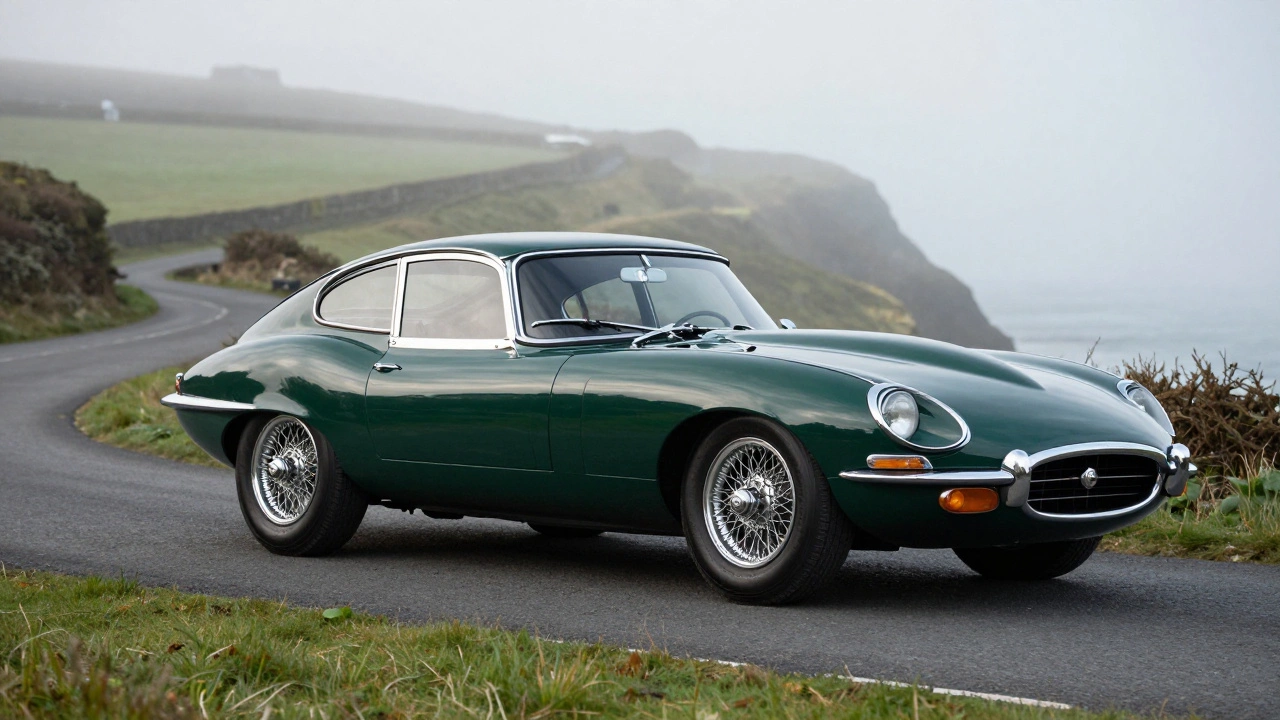
The Jaguar E-Type is a 1960s sports car widely regarded as one of the most beautiful ever made, characterized by its long, flowing lines and feline proportions . When it launched in 1961, it didn't just look fast; it looked like it was moving while standing still. This era moved away from the bulky, upright nature of coachbuilt cars toward a more aerodynamic, streamlined look. However, the "curves" remained. The design was still biological, mimicking the shapes of nature rather than the rigid lines of a machine.
| Era | Primary Material | Core Aesthetic | Key Influence |
|---|---|---|---|
| Coachbuilt (1900-1940s) | Ash Wood & Aluminum | Vertical & Ornate | Horse-drawn carriages |
| Organic Streamlining (1950-1980s) | Steel & Fiberglass | Low & Flowing | Aerodynamics & Speed |
| Modern Parametric (1990s-2026) | Carbon Fiber & Composites | Crisp & Sculpted | Computational Design (CAD) |
The Arrival of the Crisp Edge
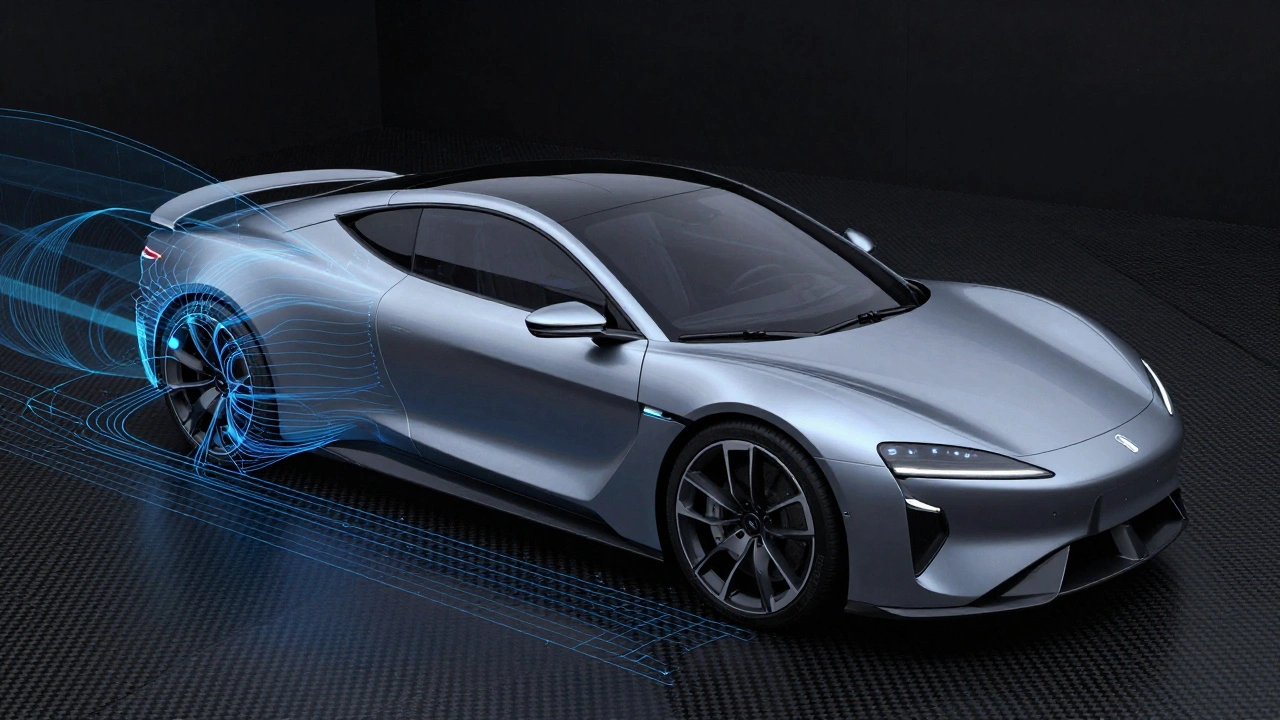
As we moved into the late 20th and early 21st centuries, the "curve" started to sharpen. The introduction of Computer-Aided Design (CAD) allowed engineers to create creases and angles that were impossible to achieve by hand-beating metal. We moved from the "bubble" looks of the 80s and 90s into a period of what I call "crisp modernity." This isn't just about looking futuristic; it's about managing airflow.
Look at a modern Aston Martin is a British luxury car manufacturer known for blending traditional elegance with high-performance engineering . The current design language still honors those 1950s proportions, but the surfaces are now tight and athletic. Instead of a soft curve, you have a "tension line"-a sharp fold in the metal that catches the light and makes the car look leaner. This is the evolution of the British curve: it hasn't disappeared, but it has been tightened and refined.
The Impact of Global Regulation and Safety
You can't talk about design without talking about the law. Why don't we see those dangerously low, sweeping fenders of the 60s anymore? Pedestrian safety regulations. Modern cars need "crumple zones" and specific hood heights to protect people in an accident. This forced British designers to move the bulk of the car's mass around. The result is the "cab-forward" or "cab-backward" balance we see today.
To keep the British identity alive under these constraints, designers use visual tricks. They might use a deeply recessed grille or a specific "shoulder line' to create the illusion of a classic silhouette while the actual physical structure is a high-tech safety cell. The challenge for brands like Bentley is to make a car that is essentially a giant luxury lounge but still looks like it could slice through the air at 200 mph.
Sustainable Luxury and the Future Shape
As we sit here in 2026, the biggest shift isn't just aesthetic-it's powertrain-driven. Electric vehicles (EVs) don't need massive radiators, which means the iconic vertical grilles of the past are becoming optional or purely decorative. This opens up a whole new world of design. Without the need for a huge engine in the front, the "long bonnet" is becoming a stylistic choice rather than a mechanical necessity.
We are seeing a move toward "sustainable luxury." This means replacing heavy chrome with recycled composites and using light-diffusing surfaces instead of traditional paint. The future of British design is a hybrid: the soul of a coachbuilt curve combined with the precision of a digital algorithm. It's about creating a shape that feels timeless but functions with 21st-century efficiency.
What is the defining characteristic of British car design?
The defining characteristic is the balance between tradition and performance, often manifested as a "long bonnet, short boot" silhouette that suggests power and elegance regardless of the specific era.
How did coachbuilding influence modern cars?
Coachbuilding established the idea of the car as a piece of art. While modern cars are mass-produced, the focus on "bespoke" options and high-quality interior materials in luxury brands is a direct descendant of the custom coachbuilding tradition.
Why did car shapes change from curved to crisp?
The shift was driven by two main factors: the adoption of CAD software, which allowed for precise geometric creases, and the need for better aerodynamics to improve fuel efficiency and range in electric vehicles.
Do electric cars kill the traditional British look?
Not necessarily. While they remove the need for traditional grilles, EVs allow designers more freedom with interior space and proportions, allowing them to reinvent classic silhouettes for a new era.
What role does aluminum play in this evolution?
Aluminum was the primary medium for early coachbuilders due to its malleability. Today, it remains a staple in British high-end design for its strength-to-weight ratio, though it is often paired with carbon fiber in modern supercars.
Next Steps for Enthusiasts
If you want to appreciate this evolution in person, start by visiting a heritage museum. Compare a pre-war Bentley to a modern Flying Spur; you'll see that while the details have changed, the "spirit" of the proportions remains. For those interested in the technical side, looking into the history of wind tunnel testing will show you exactly why those soft curves eventually became sharp edges.