British Car Clubs: The Social Backbone of Interwar Motoring
 Oct, 4 2026
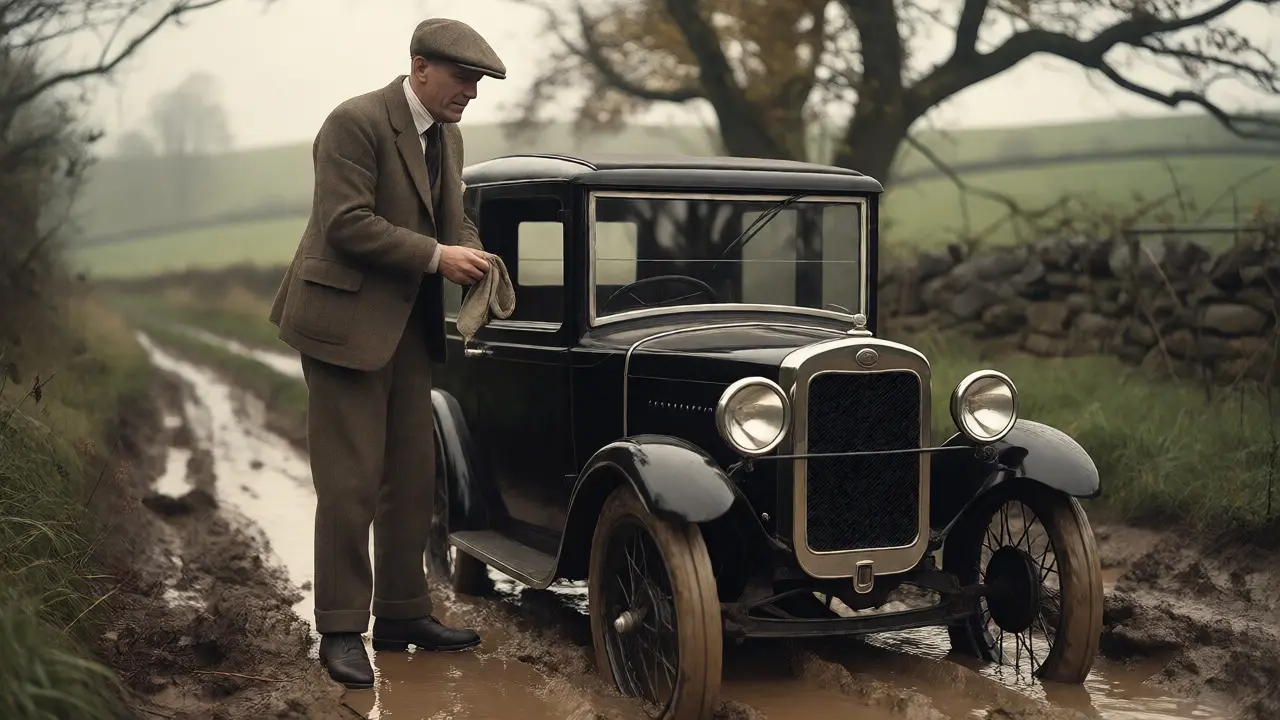
Imagine standing on a muddy lane in Surrey in 1925. You’re trying to start a Austin Seven, and it’s not cooperating. No smartphone, no roadside assistance app, and the nearest mechanic is ten miles away by horse cart. Who do you call? You don’t call a number; you call a club.
This wasn’t just about fixing cars. It was about belonging. In the years between the World Wars (1918-1939), British motoring transformed from a dangerous hobby for the ultra-rich into a structured social phenomenon. At the heart of this shift were British car clubs. These organizations didn’t just organize rallies; they built the infrastructure, the etiquette, and the community that made driving viable for thousands of new owners.
| Club Name | Founded | Primary Focus | Membership Type |
|---|---|---|---|
| The Royal Automobile Club (RAC) | 1897 | Advocacy, Breakdown Service, Licensing | Premium / Elite |
| The Automobile Association (AA) | 1905 | Roadside Assistance, Maps, Touring | Mass Market / Middle Class |
| Vintage Sports Car Club (VSCC) | 1934 | Preservation of Pre-1930 Vehicles | Enthusiast / Specialist |
| Car Club of Great Britain | 1906 | Social Events, Driving Trials | General Enthusiast |
The Shift from Private Toy to Public Necessity
Before 1918, owning a car meant you were likely wealthy enough to employ a chauffeur and a mechanic. But after the war, mass production techniques trickled down. Suddenly, professionals-doctors, lawyers, small business owners-could afford a Morris Minor or a Bentley 3 Litre. This created a problem. The roads were terrible, regulations were vague, and there was no support network.
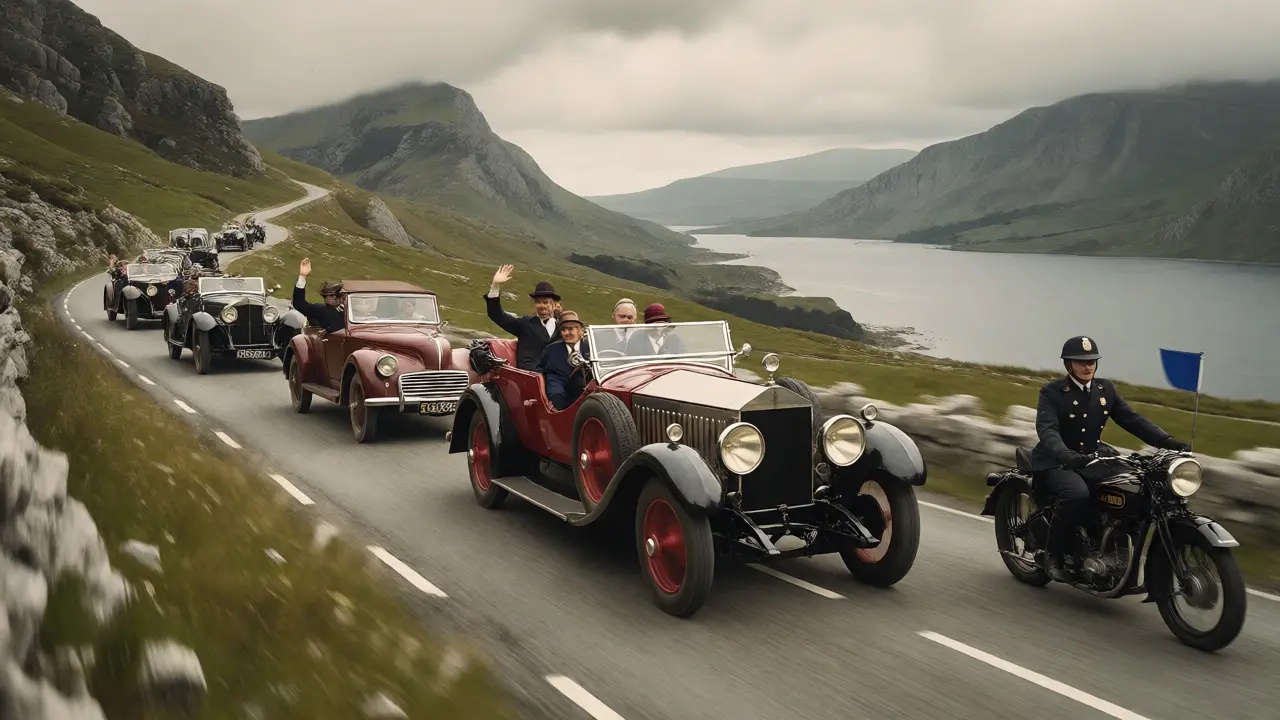
This is where the clubs stepped in. They weren’t just fan groups; they were service providers. The RAC and the AA became the lifelines for these new drivers. If your radiator burst in the Scottish Highlands, an AA patrolman on a motorcycle would ride out to help you. This level of service required massive coordination. By 1930, the AA had over 100,000 members. That’s a lot of people trusting a badge on their windshield with their safety.
The RAC vs. The AA: A Friendly Rivalry
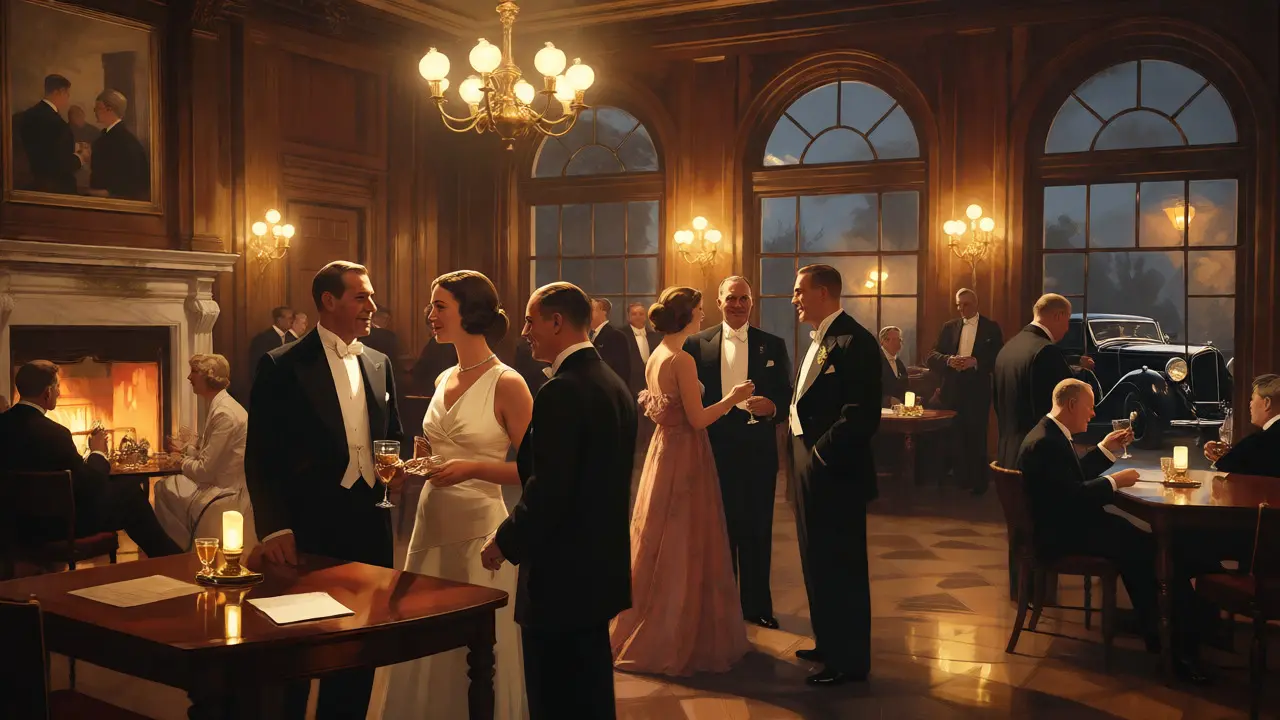
You might think all motoring clubs were the same, but the rivalry between the RAC and the AA defined the era. The RAC positioned itself as the aristocratic choice. It owned the famous Pall Mall clubhouse in London, a place where politicians and industrialists mingled. Their focus was heavy on lobbying the government for better road laws and handling complex legal issues for members.
The AA, conversely, democratized motoring. They realized that if you wanted to grow, you needed to serve the middle class. They pioneered the use of blue flags and motorcyclists to mark safe routes during tours. They published detailed maps that were accurate enough to navigate without local knowledge. This competition drove innovation. Because the AA offered great breakdown cover, the RAC had to improve theirs. Because the RAC lobbied hard for speed limit changes, the AA followed suit. For the driver, this rivalry meant better service at lower costs.
Creating the Rules of the Road
Interwar Britain had very few traffic laws compared to today. There were no roundabouts, few streetlights, and inconsistent signage. How did anyone know how to drive safely? The clubs taught them.
- Standardizing Etiquette: Clubs published handbooks detailing who had right of way at unmarked junctions. They established norms like flashing headlights to indicate intent, rather than just anger.
- Licensing Advocacy: When the government introduced the first driving tests in 1935, clubs played a huge role in preparing candidates. They ran mock tests and provided training resources long before official driving schools existed.
- Road Safety Campaigns: The RAC launched early campaigns against drunk driving and speeding. They used data collected from their breakdown patrols to show policymakers exactly where accidents happened most frequently.
Think about that. Your local car club was essentially the Department of Transportation, but private. They collected the data, pushed the policy, and educated the public.
The Rise of the Enthusiast: Beyond Utility
By the late 1920s, a subset of drivers started caring less about getting from A to B and more about how the car handled the journey. This gave birth to the enthusiast scene. Groups like the Brooklands Society and later the Vintage Sports Car Club formed specifically to celebrate engineering excellence.
These clubs organized "driving trials," which were competitions testing skill rather than just speed. Imagine navigating a narrow village lane while carrying a full cup of tea, or starting a cold engine within a set time. These events were social gatherings as much as races. They allowed engineers to meet drivers, and manufacturers like MG and Triumph to get direct feedback from their core customers.
This feedback loop was crucial. When MG heard from club members that their brakes faded too quickly on hilly roads, they redesigned them. This direct line between consumer and creator accelerated automotive development in ways we rarely see today.
The Social Fabric: Rallying and Tourism
Motoring in the 1920s and 30s was inherently social. You couldn’t just drive alone; you joined a rally. Organized tours to places like the Lake District or the South Coast were massive events. Hundreds of cars would travel together, stopping at designated hotels that had partnered with the clubs.
These rallies broke down class barriers. In a convoy, a banker in a Rolls-Royce might find themselves chatting with a teacher in a Austin 7. The shared experience of dealing with mud, rain, and mechanical failures created bonds. The clubs facilitated this by organizing dinners, dances, and technical talks alongside the drives.
For women, this was particularly significant. While society still held traditional views, car clubs offered one of the few acceptable avenues for women to participate in mixed-gender professional and social activities outside the home. Female members were active in committees and often led local branches.
Economic Impact: Keeping the Industry Alive
We often forget that the interwar period included the Great Depression. During those tough economic times, car clubs helped sustain the industry. By promoting touring and maintenance, they kept demand for parts and fuel high. They also encouraged repair over replacement. If your car broke down, a club member could recommend a trusted local garage. This network of trust kept small independent mechanics in business when big dealerships struggled.
Furthermore, the clubs influenced insurance models. Before widespread club membership, insuring a car was risky and expensive because insurers had little data on driver behavior. Clubs provided actuarial data. They knew which types of drivers crashed least, which models were most reliable, and which roads were most dangerous. This data helped stabilize insurance premiums, making car ownership accessible to even more people.
Legacy: What Remains Today?
Many of these interwar structures still exist. The RAC and AA are still major players, though their roles have shifted from essential survival tools to convenience services. The enthusiast clubs, however, remain vibrant communities dedicated to preservation.
The true legacy isn’t just the buildings or the brand names. It’s the concept that motoring is a community effort. The idea that a driver shouldn’t be isolated on the road-that there should be standards, support, and shared knowledge-was forged in those muddy lanes and grand clubhouses. Every time you follow a road sign or call for a tow truck, you’re benefiting from the framework these British car clubs built nearly a century ago.
Why were car clubs so important in the interwar period?
They filled a vacuum left by the lack of government infrastructure. Roads were poor, laws were unclear, and mechanical reliability was low. Clubs provided breakdown assistance, standardized driving rules, and social networks that made car ownership feasible for the middle class.
What was the main difference between the RAC and the AA?
The RAC focused on elite advocacy, legal support, and political lobbying, catering largely to the wealthy. The AA focused on practical roadside assistance, mapping, and touring services, aiming to make motoring accessible to the broader middle-class market.
Did women participate in British car clubs during the 1920s and 30s?
Yes, significantly. Car clubs provided one of the few socially acceptable platforms for women to engage in public life, mix professionally with men, and demonstrate independence through driving and rallying.
How did car clubs influence car manufacturing?
Enthusiast clubs acted as beta testers. Manufacturers like MG and Bentley relied on club feedback regarding performance and reliability. This direct communication channel led to rapid design improvements and better-suited vehicles for British roads.
What kind of events did interwar car clubs organize?
Beyond simple drives, they organized competitive driving trials (testing skill over speed), long-distance touring rallies, technical lectures, and social galas. These events fostered a strong sense of community among members.