British Car Advertising in the 1950s: Luxury, Speed, and Reliability Abroad
 Aug, 16 2026
Imagine flipping through a magazine in 1954. The pages are glossy, but the ads for British cars don't look like they belong in the same era as the American muscle cars dominating the headlines. Instead of screaming "MORE HORSEPOWER," they whisper about craftsmanship, heritage, and a certain effortless grace. This was the golden age of British car advertising is a distinct period of automotive marketing characterized by an emphasis on luxury, understated speed, and mechanical reliability during the post-war economic recovery. While American brands fought a war of excess, British manufacturers sold a dream of sophistication that resonated deeply with international buyers.
The context here is crucial. The late 1940s and early 1950s were defined by the postwar boom is a period of rapid economic growth following World War II, characterized by increased consumer spending and industrial expansion. In Europe, this meant rebuilding infrastructure and restoring national pride. For Britain, it was also about reclaiming its status as a global exporter of high-quality goods. Cars weren't just transportation; they were symbols of national identity. When you bought a Rover or a Jaguar, you weren't just buying metal and rubber. You were buying a piece of British engineering history.
The Language of Luxury: Selling Sophistication, Not Just Power
If you analyzed the copy from these decades, you’d notice a distinct lack of superlatives. American ads might say "Fastest." British ads said "Refined." This wasn't accidental. It was a strategic choice to differentiate from the noisy competition flooding into European and Asian markets. The concept of automotive luxury is the premium positioning of vehicles based on interior comfort, material quality, and brand heritage rather than raw performance metrics.
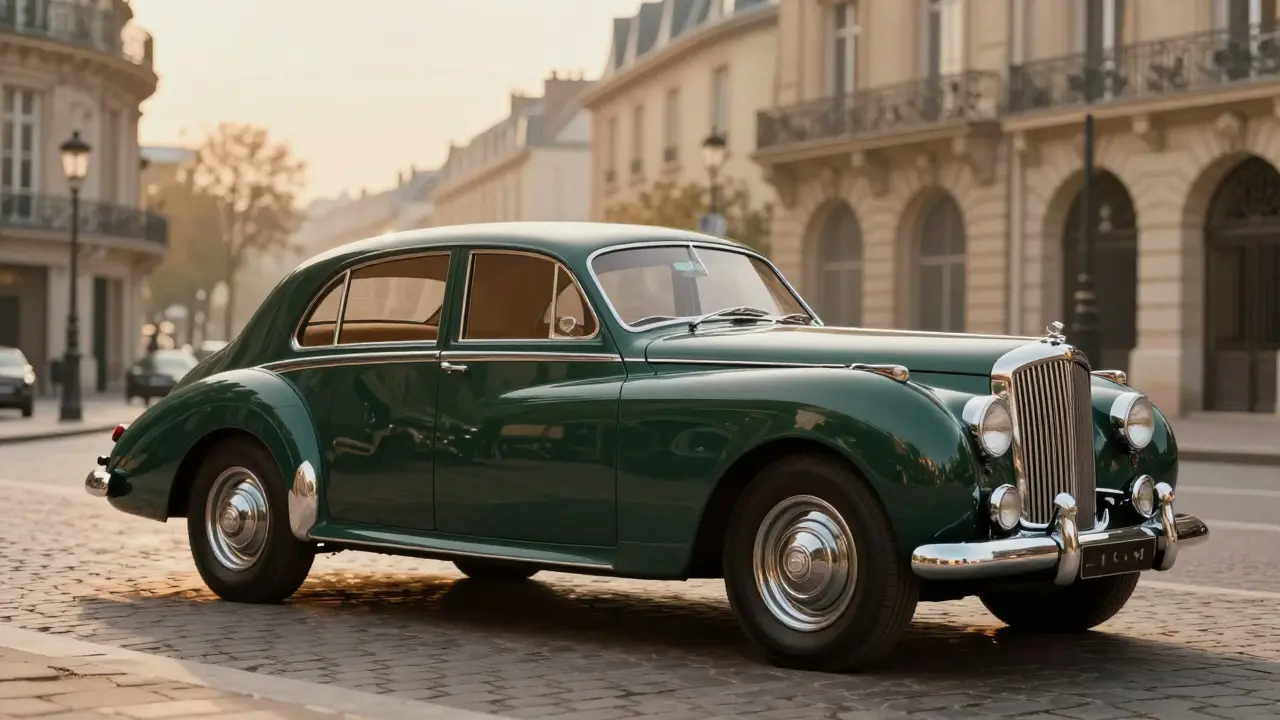
Take Bentley, for example. Their advertising rarely focused on top speed. Instead, they highlighted the silence of the cabin, the feel of the leather seats, and the smoothness of the ride. They wanted the buyer to imagine themselves gliding through Parisian streets or touring the Scottish Highlands without a single jolt. This approach targeted a specific demographic: the affluent professional who valued discretion over display. It’s a classic case of selling the experience, not just the machine.
This strategy worked because it tapped into cultural values. In many parts of the world, particularly in Europe and Asia, there was a deep appreciation for artisanal craftsmanship. British car makers leaned heavily into this. They showed close-ups of hand-stitched interiors, polished chrome details, and the intricate work involved in building each engine. It was a subtle flex of technical superiority wrapped in aesthetic beauty.
Speed With Style: The Jaguar Effect
Not all British brands played it safe. Jaguar took a different path, especially after the success of the XK series. They understood that speed messaging is marketing communication that emphasizes vehicle acceleration, top velocity, and handling capabilities to attract performance-oriented buyers. However, they didn't market speed as brute force. They marketed it as elegance under pressure.
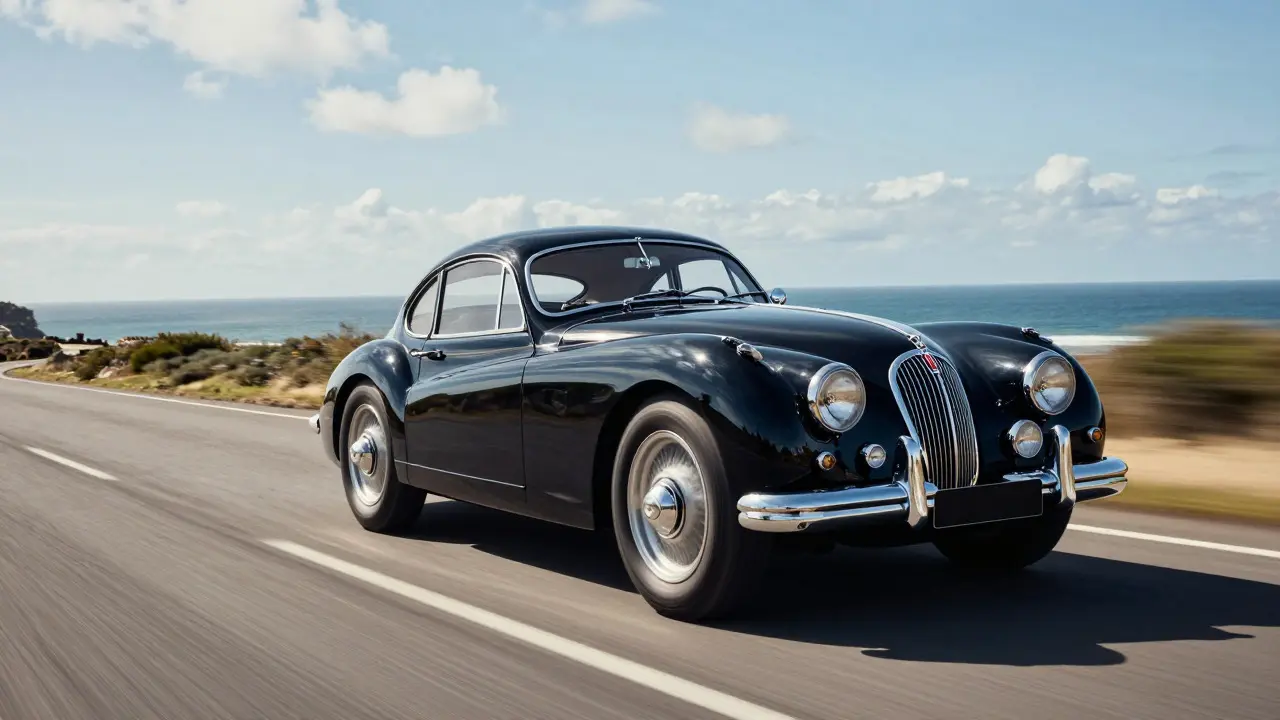
The famous "Le Mans" connection became central to their branding. By associating their cars with victory at one of the world's most grueling races, they proved their reliability without saying a word about it. An ad might show a sleek black Jaguar speeding along a coastal road, with text noting its recent triumph at Le Mans. The implication was clear: if it can win a 24-hour race, it can handle your daily commute with ease. This blend of racing pedigree and everyday usability created a unique niche that few competitors could match.
This approach also appealed to younger buyers who wanted something more exciting than a standard sedan but still desired the prestige of a British badge. It bridged the gap between sporty performance and executive status, making it a versatile tool in their marketing arsenal.
Reliability as a Selling Point in a Fragile Economy
In the 1950s, a new car was a massive financial investment. For many families, it was the second-largest purchase after a house. Therefore, mechanical reliability is the ability of a vehicle to perform consistently without breakdowns or costly repairs over time. was not just a feature; it was a necessity. British advertisers knew this. They spent considerable effort highlighting the durability of their engines and chassis.
Ads often featured testimonials from long-distance drivers or tour operators who relied on these cars for their livelihoods. A Land Rover ad, for instance, might show the vehicle navigating muddy fields or steep hills, emphasizing its robust build and off-road capability. The message was simple: this car won't let you down. In an era where roadside assistance was rare and repair shops were few and far between, this promise had significant value.
This focus on reliability also helped counteract some of the negative perceptions of British manufacturing that lingered from the war years. By proving that their cars could withstand harsh conditions and heavy use, they built trust with skeptical consumers abroad. It was a quiet but powerful form of persuasion.
Going Global: Adapting Messages for Foreign Markets
Selling cars abroad required more than just translating the ad copy. It required understanding local cultures and preferences. international marketing is the process of promoting products and services across national borders, requiring adaptation to local tastes, regulations, and economic conditions. British car companies had to navigate diverse regulatory environments, currency fluctuations, and varying consumer expectations.
In the United States, for example, the emphasis shifted slightly toward comfort and size to compete with domestic giants. In contrast, in smaller European markets, the focus remained on agility, fuel efficiency, and style. In Asia, the appeal lay in the exotic nature of the brand and its association with Western sophistication. Each market received a tailored version of the core message, ensuring that the brand resonated locally while maintaining its global identity.
This adaptability was a key factor in the success of British car exports during the 1950s. Companies like Aston Martin and Morgan found dedicated followings in various countries by aligning their marketing efforts with regional tastes. It wasn't a one-size-fits-all approach; it was a nuanced strategy that respected the diversity of their customer base.

Visual Storytelling: The Power of Imagery
Words were important, but images told the real story. The visual language of 1950s British car ads was distinctive. They favored clean lines, open spaces, and natural landscapes. You’d see cars driving along winding country roads, parked in front of historic castles, or cruising along sun-drenched beaches. These images evoked freedom, escape, and a connection to the land.
The photography itself was a craft. Advertisers invested in high-quality prints that captured the gleam of the paintwork and the contours of the body. The goal was to make the viewer feel as though they could reach out and touch the car. This sensory engagement was a powerful tool in convincing potential buyers of the car's quality and desirability.
Moreover, the use of color was strategic. While many American ads used bold, contrasting colors to grab attention, British ads often employed softer palettes. Blues, greens, and creams dominated, reinforcing the sense of calm and refinement. This visual consistency helped establish a recognizable brand identity that stood out in a crowded marketplace.
| Aspect | British Brands (e.g., Jaguar, Bentley) | American Brands (e.g., Ford, Chevrolet) |
|---|---|---|
| Primary Focus | Luxury, Heritage, Reliability | Power, Size, Innovation |
| Tone of Voice | Understated, Elegant, Sophisticated | Bold, Enthusiastic, Direct |
| Key Message | Craftsmanship and Endurance | Performance and Convenience |
| Target Audience | Affluent Professionals, Enthusiasts | Families, Mass Market Consumers |
| Visual Style | Natural Landscapes, Soft Colors | Urban Settings, Bold Graphics |
The Legacy of 1950s Messaging
The strategies developed in the 1950s laid the foundation for how British cars are perceived today. The emphasis on heritage, craftsmanship, and understated performance remains a core part of the brand identity for many manufacturers. When you buy a modern Rolls-Royce or Mini, you’re benefiting from decades of consistent messaging that established these brands as symbols of quality and character.
Furthermore, the focus on reliability helped build a reputation for longevity that persists in the collector car market. Vintage British cars from this era are highly sought after not just for their aesthetics, but for their mechanical integrity. This enduring appeal is a testament to the effectiveness of the original marketing campaigns.
As we look back at this period, it’s clear that British car advertising in the 1950s was more than just sales pitches. It was a cultural phenomenon that reflected the values of a post-war society eager to rebuild and reconnect with the world. By focusing on luxury, speed, and reliability, British manufacturers managed to carve out a unique space in the global automotive market, one that continues to influence the industry today.
Why did British car ads focus on reliability in the 1950s?
In the postwar era, cars were expensive investments. Buyers needed assurance that their purchase would last. Highlighting reliability addressed this concern directly, distinguishing British cars from cheaper, less durable alternatives.
How did British car marketing differ from American marketing in the 1950s?
American ads emphasized power, size, and innovation with bold visuals. British ads focused on luxury, heritage, and understated performance, using elegant imagery and sophisticated language to appeal to a discerning audience.
Which British car brands were most successful in foreign markets during the 1950s?
Jaguar, Bentley, and Rover were among the most successful. Jaguar gained fame through racing success, while Bentley and Rover leveraged their reputations for luxury and reliability, respectively.
Did British car companies adapt their ads for different countries?
Yes. They tailored messages to local tastes, regulations, and economic conditions. For example, US ads might emphasize comfort, while European ads focused on agility and style.
What role did racing play in British car advertising?
Racing provided proof of performance and reliability. Successes at events like Le Mans allowed brands like Jaguar to market their cars as both fast and durable, appealing to enthusiasts and practical buyers alike.