British Bespoke in the Digital Age: How Configurations Preserve Craft
 Aug, 17 2026
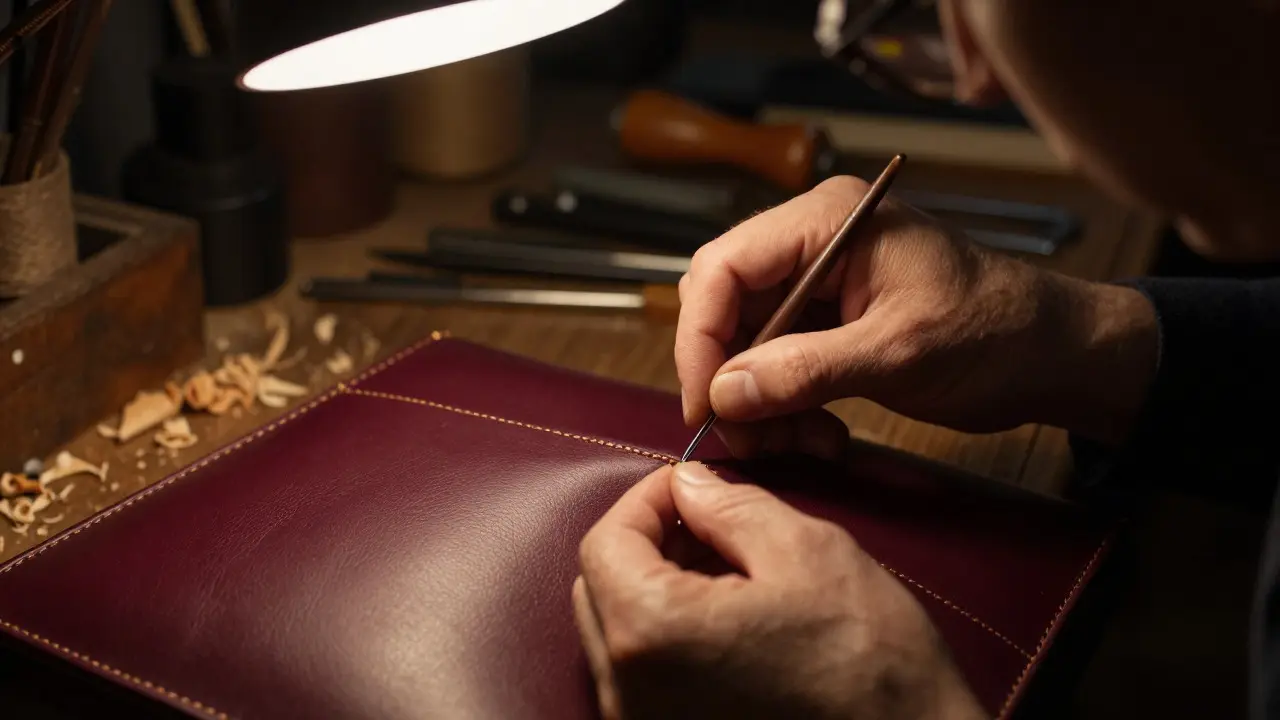
There is a specific smell to a hand-stitched leather seat that no high-resolution photo can capture. Yet, for the first time in history, a buyer in Singapore or Texas can specify that exact stitch pattern, hide origin, and thread color without ever stepping foot in a factory in Coventry or Goodwood. This shift represents a fundamental tension in the luxury automotive world: how do you sell an intangible experience like Bespoke craftsmanship is the art of creating unique, one-of-a-kind vehicles tailored to individual customer preferences through manual labor and traditional techniques when the buying process happens on a screen?
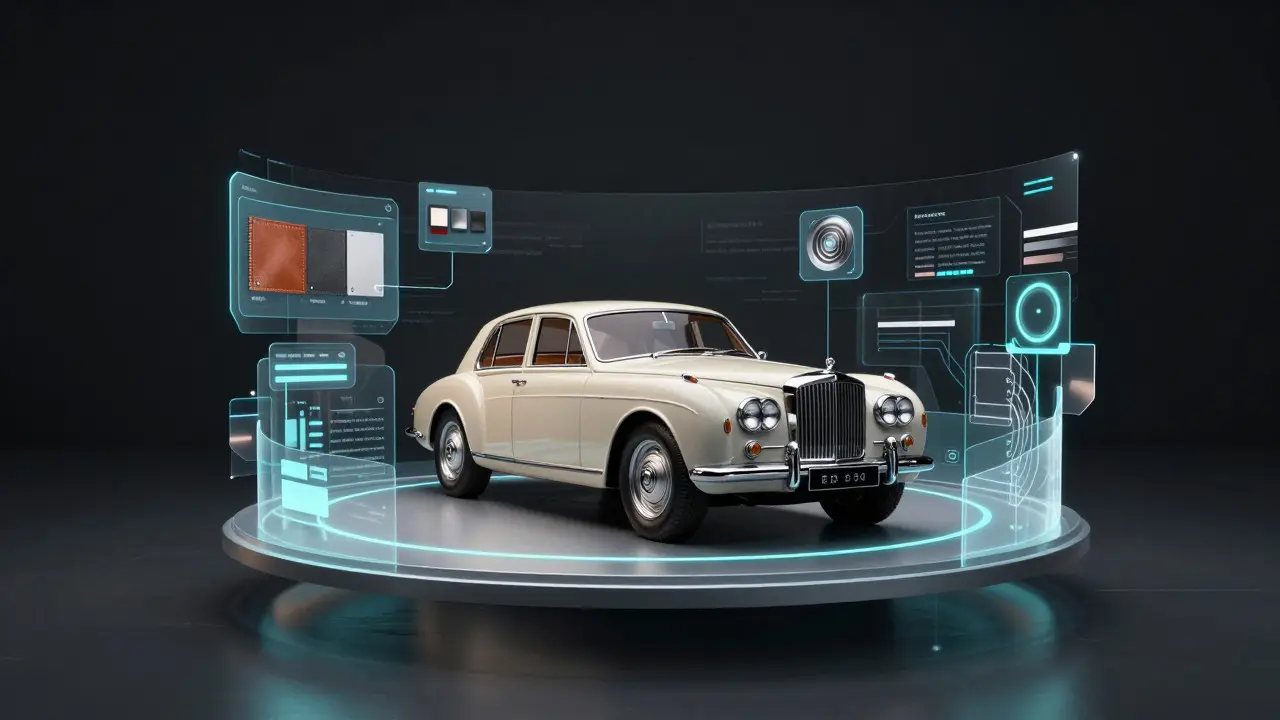
The answer lies not in replacing the artisan with an algorithm, but in using digital tools to protect the artisan’s intent. The modern Digital configurator is a software interface that allows customers to visualize, customize, and order complex products remotely has evolved from a simple color picker into a sophisticated bridge between heritage and commerce. It ensures that the promise made by a century-old brand remains intact, even as the method of delivery changes.
The Erosion of Tangibility in Luxury Sales
For decades, the purchase of a premium vehicle was a physical ritual. You walked into a showroom, touched the wood trim, sat in the cabin, and spoke face-to-face with a specialist who knew the nuances of the chassis. That tactile connection was part of the product value. Today, the average lead time for a bespoke commission has stretched, and global demand means fewer buyers can justify flying across the ocean just to see a prototype. This creates a risk: the "magic" of the build gets diluted by distance.
When a customer cannot touch the material, trust becomes the primary currency. If the digital representation does not accurately reflect the final object, the sense of betrayal is profound. A shade of paint that looks vibrant on an OLED monitor might appear flat under natural light. A grain of leather shown in a macro shot might feel stiff rather than supple. The challenge for manufacturers is to translate sensory data into digital fidelity without oversimplifying the complexity of the craft.
How Modern Configurators Bridge the Gap
Leading manufacturers have responded by treating their online stores less like e-commerce carts and more like virtual ateliers. These platforms now utilize real-time rendering engines that simulate lighting conditions similar to those found in a garage or a sunlit room. They allow users to rotate the vehicle 360 degrees, zoom in on stitching details, and even compare different wheel alloys side-by-side.
But the technology is only half the story. The other half is curation. A good configurator doesn't just offer every possible combination; it offers curated paths. It guides the user toward harmonious choices based on historical precedent and design logic. For example, selecting a specific vintage fabric might automatically suggest complementary metal finishes that were popular during that era. This reduces decision fatigue while ensuring the final build respects the brand's aesthetic DNA.
The Role of Human Curation in Digital Flows
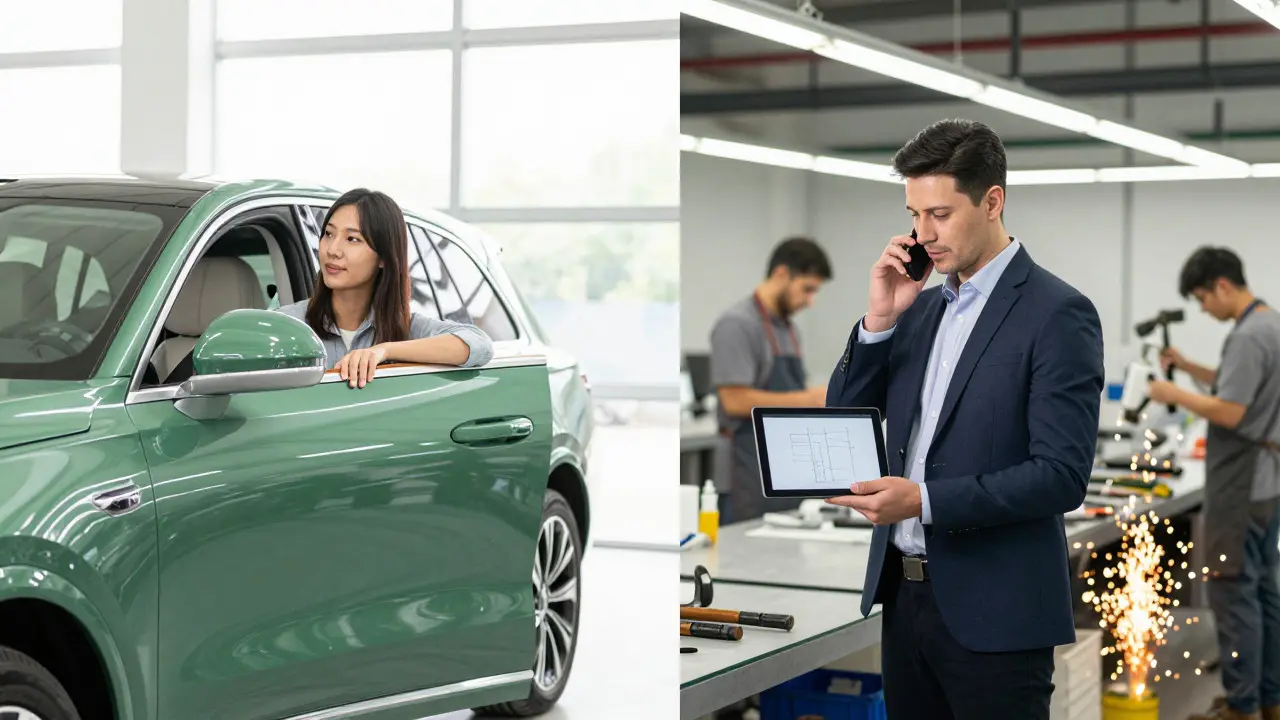
Despite the sophistication of the software, the human element remains critical. The most successful bespoke programs use the configurator as a starting point, not an endpoint. Once a customer submits their digital specification, they are typically assigned a dedicated account manager or a "build consultant." This person reviews the digital file, checks for potential clashes in aesthetics or engineering constraints, and calls the client to discuss the choices.
This hybrid model preserves the personal touch that defines luxury. The digital tool handles the logistics-inventory checks, price calculations, production slotting-while the human handles the relationship. It prevents the transaction from feeling cold or automated. The customer feels heard, not just processed. This step is crucial because it reinforces the idea that they are ordering a unique object, not downloading a standard package.
Preserving Heritage Through Data
One of the most significant benefits of digitizing the bespoke process is the creation of a permanent record. In the past, if a master craftsman passed away, some of their intuitive knowledge could be lost. Now, every specification, every deviation from the standard catalog, and every customer preference is stored in a database. This data serves as a living archive of taste and trend.
Manufacturers can analyze this data to understand which combinations resonate with collectors and which fade into obscurity. More importantly, it allows for consistency. If a customer orders a specific shade of green that was used in a 1950s model, the digital system can retrieve the exact pigment formula and mix instructions from the archives. This ensures that the new car matches the old one, preserving the continuity of the brand's visual identity across generations.
Challenges in Maintaining Authenticity
However, the path is not without pitfalls. There is a risk of over-engineering the digital experience to the point where it feels artificial. If the configurator is too easy, too fast, and too perfect, it may undermine the perceived effort involved in the actual build. Customers need to believe that their car is being made by hands, not printed by machines. Therefore, the marketing surrounding the digital order must emphasize the workshop, the artisans, and the time required for completion.
Additionally, there is the issue of expectation management. High-fidelity renders can sometimes set expectations higher than reality. A digital image might make a metallic flake look denser than it actually is. To mitigate this, many brands now include video walkthroughs of previous builds or offer virtual reality tours of the assembly line. These elements ground the digital promise in physical proof, reminding the buyer that behind the screen, there are people working with hammers, needles, and paint sprayers.
The Future of Remote Bespoke
Looking ahead, the integration of augmented reality (AR) is likely to close the remaining gap. Soon, buyers will be able to hold a 3D model of their chosen steering wheel in their hands via a tablet, checking the weight and texture before committing. Voice-activated assistants might allow customers to describe their dream car in natural language, with the AI translating those descriptions into technical specifications for review.
Yet, the core principle will remain unchanged: the digital tool is a servant to the craft, not its master. The enduring influence of British bespoke cars lies in their uniqueness and emotional resonance. As long as the buying process honors that spirit-by combining technological precision with human warmth-the tradition will survive the digital age. The configurator doesn't replace the artisan; it gives the artisan a global stage.
Does buying a bespoke car online reduce its value?
No, provided the process maintains high standards of curation and communication. In fact, the detailed documentation created through digital ordering often enhances provenance records, making the car more valuable to future collectors.
Can I change my mind after submitting a digital order?
It depends on the production stage. Most brands allow changes up until the chassis enters the final assembly phase. After that, changes become difficult or impossible due to the specialized nature of bespoke components. Your account manager will clarify the cutoff dates.
How accurate are the colors in digital configurators?
Modern systems use calibrated color science to ensure high accuracy, but slight variations can occur due to screen differences. Brands often provide physical swatches or video comparisons to help customers make final decisions on paint shades.
Is the digital process suitable for all types of customization?
Standard options like wheels, seats, and exterior colors are well-suited for digital configuration. Highly complex structural modifications or rare archival materials may still require direct consultation with engineers or historians to ensure feasibility.
How does digital ordering affect delivery times?
Digital ordering can streamline the initial planning phase, potentially reducing administrative delays. However, the physical manufacturing time for bespoke components remains largely unchanged, as it relies on manual labor and curing processes.