British Autos in 2026: Heritage, Innovation, and the Electric Shift
 Aug, 31 2026
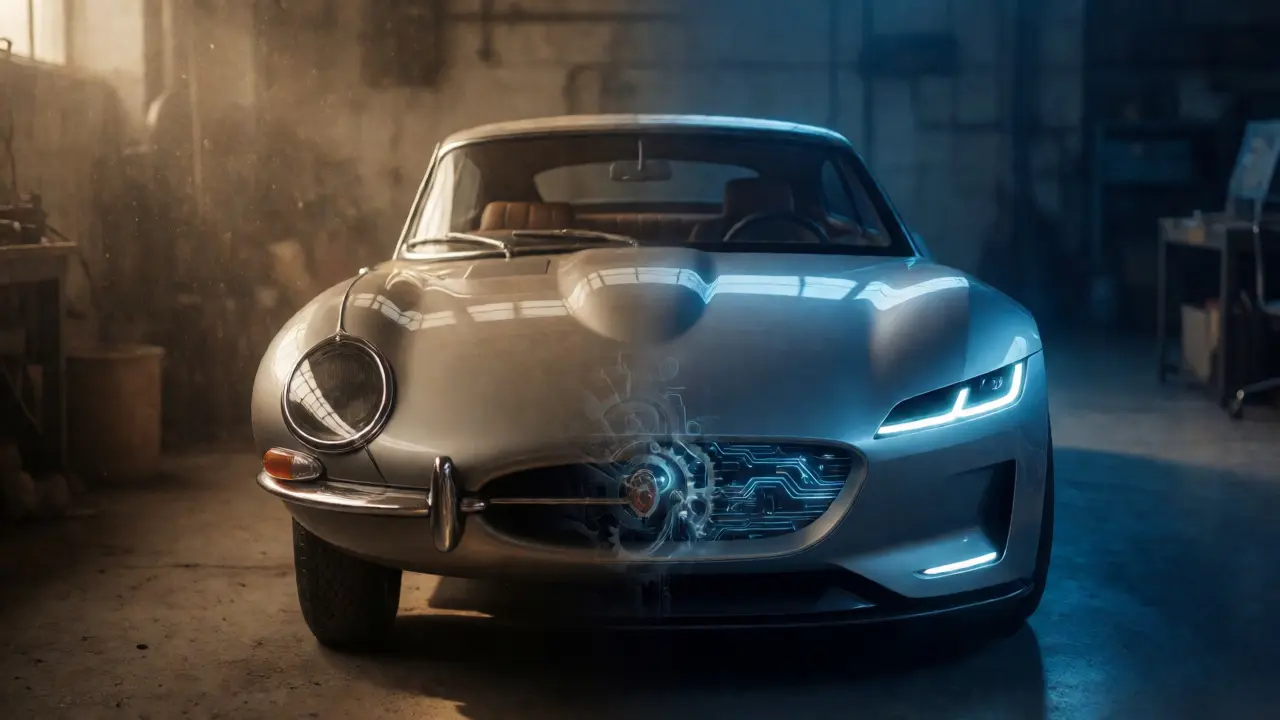
You look at a classic Jaguar E-Type and you see more than metal; you see a piece of British cultural identity. Now fast-forward to August 2026. That same brand is rolling out fully electric models that weigh less, accelerate faster, and come with software updates instead of carburetor adjustments. The tension here isn't just about engines swapping fuels. It's about whether a nation known for hand-built luxury can survive in an era dominated by mass-produced efficiency.
The UK automotive sector sits at a critical crossroads. On one side, there’s the weight of history-centuries of craftsmanship, racing pedigree, and design language that defines "premium" globally. On the other, the hard reality of electrification mandates and global competition from China and Germany. This article breaks down how British automakers are navigating this shift without losing their soul.
The Weight of History vs. The Speed of Change
Heritage is a double-edged sword. For brands like Bentley, Aston Martin, and Rolls-Royce, heritage is their primary asset. It allows them to charge premiums that justify lower production volumes. But it also creates inertia. When your customers buy into a story of V12 rumble and leather stitching, telling them the future is silent and synthetic feels like a betrayal.
Yet, the market has shifted. By 2026, over 40% of new luxury car sales in Europe are battery-electric vehicles (BEVs). British manufacturers have had to adapt quickly. Jaguar Land Rover (JLR), owned by Tata Motors, launched its "Reimagine" strategy earlier this decade. They didn’t just slap batteries into old chassis. They redesigned their platform architecture to prioritize digital integration and sustainable materials. The result? A lineup where the iconic shape remains, but the underpinnings are entirely modern.
This isn't unique to JLR. Even McLaren, known for hypercars, introduced hybrid powertrains that reduce emissions while keeping the driving experience raw. The key lesson? Heritage doesn't mean stagnation. It means evolving the core values-performance, elegance, exclusivity-through new technologies.
Electrification: More Than Just Swapping Engines
Transitioning to electric isn't just about replacing the engine with a motor. It changes everything: supply chains, manufacturing processes, and even dealership experiences. Traditional British factories, often located in historic towns like Crewe or Goodwood, had to undergo massive retrofits. Installing high-voltage testing equipment and training technicians who were used to wrenching on internal combustion engines required significant investment.
Consider the supply chain. In the past, sourcing parts meant local suppliers within a 50-mile radius. Today, it involves global networks for lithium-ion cells, semiconductor chips, and rare earth metals. This shift exposes British makers to geopolitical risks they never faced before. A chip shortage in Asia can halt production lines in Oxfordshire. To mitigate this, many companies are forming joint ventures with battery producers, ensuring steady access to critical components.
| Brand | Primary Strategy | Key Challenge | Heritage Element Retained |
|---|---|---|---|
| Bentley | Full BEV rollout by 2030 | Consumer acceptance of silence | Handcrafted interiors |
| Aston Martin | Hybrid-to-EV transition | High R&D costs | Racing lineage |
| Jaguar | Electric-only lineup | Brand perception reset | Design language |
| Mini | Urban-focused EVs | Range anxiety | Cultural icon status |
Innovation Beyond the Powertrain
If electrification is the hardware update, software is the operating system upgrade. British cars are no longer just mechanical objects; they’re connected devices. Features like over-the-air (OTA) updates allow owners to improve performance or add features after purchase. Imagine buying a car today and getting better acceleration next year because the manufacturer pushed a firmware update. That was science fiction ten years ago; now it’s standard.
Moreover, sustainability extends beyond tailpipe emissions. Companies are scrutinizing their entire carbon footprint. Rolls-Royce uses responsibly sourced wood veneers and recycled fabrics. Land Rover invests in regenerative agriculture for the wool used in seat covers. These details matter to the modern buyer, who cares as much about ethical sourcing as horsepower.
Another area of rapid innovation is autonomous driving. While full self-driving is still maturing, driver-assistance systems have become sophisticated. British brands integrate these systems subtly, maintaining the feeling of control. Unlike some tech-heavy competitors, the goal isn't to remove the driver but to enhance their confidence. Adaptive cruise control and lane-keeping assist work seamlessly, reducing fatigue on long drives through the Scottish Highlands or along the coast.
Economic Realities and Global Competition
Let’s talk money. Building premium electric vehicles is expensive. Research and development costs for new platforms run into billions. Plus, inflation has driven up material costs. Steel, aluminum, and copper prices fluctuate wildly, squeezing margins. British manufacturers must balance profitability with competitive pricing, especially when facing rivals from Tesla, BMW, and emerging Chinese brands like NIO and BYD.
Chinese entrants are particularly aggressive. They offer high-tech features at lower price points, challenging the notion that luxury equals high cost. British brands respond by doubling down on what they do best: craftsmanship and brand story. You can’t replicate the feel of a hand-stitched dashboard or the prestige of owning a limited-edition model. These intangible assets provide a moat against cheaper alternatives.
Export markets play a huge role too. The US, China, and the Middle East remain key buyers of British luxury cars. Trade agreements post-Brexit have shaped tariffs and logistics. Manufacturers optimize shipping routes and assembly locations to minimize delays and costs. Some even assemble kits locally in target markets to avoid import duties, blending global scale with local presence.
The Human Element in a Digital Age
Despite all the tech, people remain central to the British auto story. Designers sketch by hand before moving to CAD. Engineers listen to customer feedback in focus groups. Test drivers spend thousands of miles refining suspension settings. This human touch differentiates British cars from algorithm-driven products.
Workforce transformation is another critical aspect. Factories need fewer manual laborers but more data analysts, software engineers, and sustainability experts. Retraining programs help existing employees transition into new roles. Community support ensures that towns dependent on auto manufacturing don’t suffer economically during this transition.
Ultimately, the next chapter for British automobiles isn't about abandoning the past. It's about interpreting it for a new generation. The roar of a V8 might fade, but the thrill of driving remains. As we move deeper into 2026 and beyond, watch how these brands blend tradition with technology. Will they succeed? Early indicators suggest yes, provided they stay true to their roots while embracing change.
Why are British car brands struggling with electrification?
British brands face challenges due to high R&D costs, legacy infrastructure designed for internal combustion engines, and consumer attachment to traditional driving sounds and mechanics. However, they are adapting by leveraging their strong brand equity and focusing on luxury positioning.
How does Brexit affect UK automobile exports?
Brexit introduced trade barriers such as tariffs and customs checks, increasing logistical complexity and costs for exporting to the EU. Manufacturers have responded by optimizing supply chains and sometimes assembling vehicles closer to end markets.
Are electric British cars still considered luxury?
Yes, brands like Bentley and Rolls-Royce maintain their luxury status through superior craftsmanship, exclusive materials, and personalized services, regardless of the powertrain type.
What role does software play in modern British cars?
Software enables over-the-air updates, advanced driver assistance systems, and improved energy management, allowing cars to evolve post-purchase and compete with tech-focused rivals.
How do British brands compete with Chinese EV manufacturers?
They compete by emphasizing heritage, design uniqueness, and bespoke customization options that mass-produced Chinese EVs typically lack, appealing to buyers seeking individuality and prestige.