British Automotive Museums: Preserving UK Car History
 Oct, 2 2026
You might think the history of British cars is just a collection of dusty metal in garages. But it’s actually a carefully curated battle against time and rust. The British automotive heritage is preserved not by accident, but by a dedicated network of museums and heritage bodies working to keep the story alive. From the birthplace of the motorcar to the modern electric revolution, these institutions do more than display cars; they protect the engineering soul of the nation.
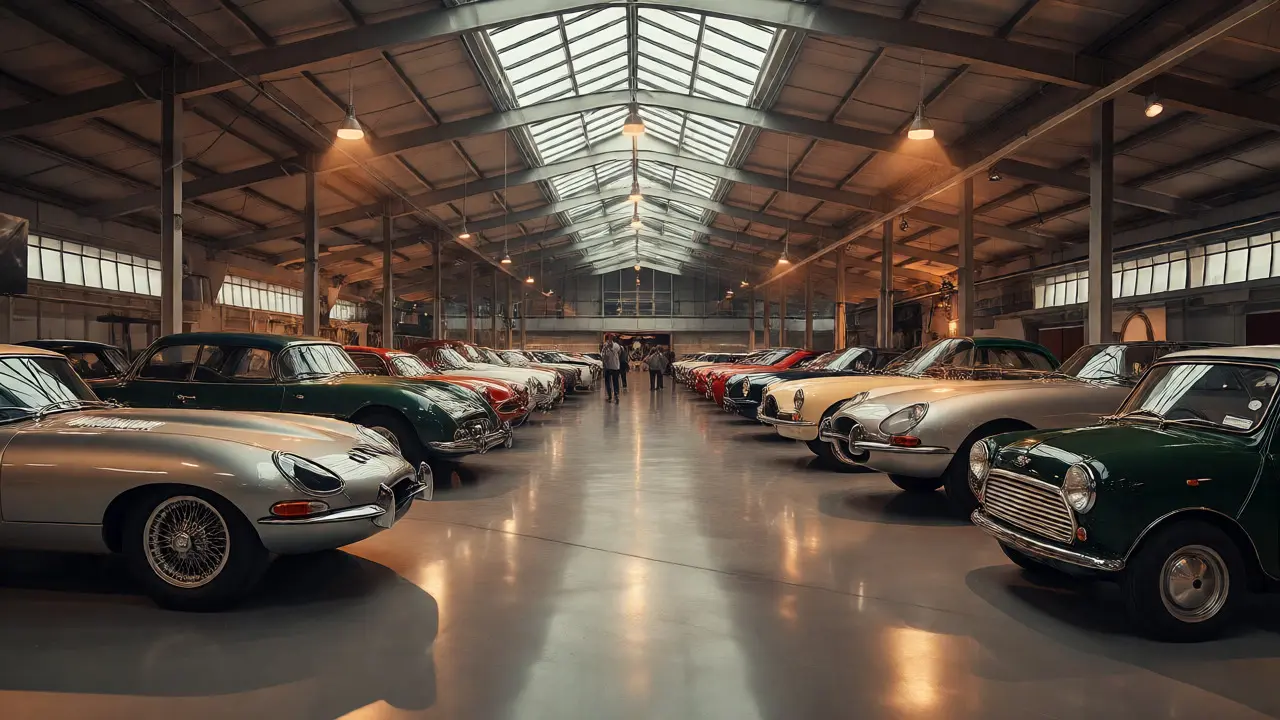
If you’ve ever wondered where the Jaguar E-Type or the Mini Cooper truly belongs, the answer isn’t a private collector’s vault. It’s often under the glass roof of a public museum. These places serve as physical archives for an industry that defined 20th-century mobility. Let’s look at how the UK manages this massive task.
The Core Institutions Keeping the Wheels Turning
When we talk about preserving car history, a few names dominate the landscape. These aren't just showrooms; they are research centers and conservation labs.
The British Motor Museum in Gaydon, Warwickshire, stands out as the largest collection of British road transport in the world. Operated by the Heritage Motor Centre Trust, it houses over 350 vehicles. This isn't just about pretty paint jobs. The museum actively documents the industrial context of each car, linking them to the factories, workers, and economic shifts that produced them. If you want to understand why the Land Rover Defender became a global icon, this is where the evidence lives.
Then there’s the National Motor Museum at Beaulieu in Hampshire. Founded by Lord Montagu, it holds one of the most significant collections of vintage and veteran cars globally. With over 280 vehicles, including some of the earliest automobiles ever made, Beaulieu focuses on the technological evolution from horse-drawn carriages to modern supercars. Their approach is interactive, using simulators and digital archives to make the history tangible for younger generations who never heard a carburetor cough.
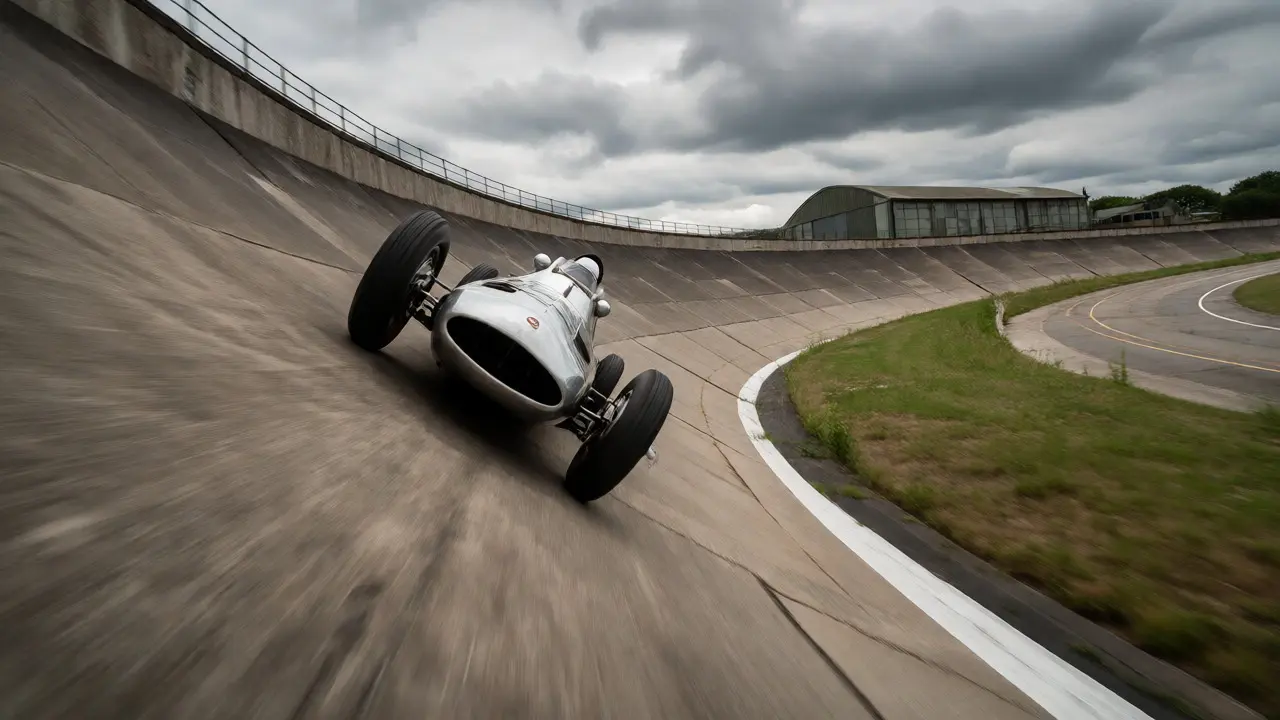
Don’t overlook the Brooklands Museum. As the world’s first purpose-built motor racing circuit, opened in 1907, Brooklands is less about static displays and more about the culture of speed. It preserves the hangars, the banking, and the stories of record-breakers like Campbell and Segrave. Here, preservation means maintaining the track itself, allowing visitors to walk where history was literally driven into the ground.
Beyond the Big Names: Regional and Specialist Hubs
Not all preservation happens in national flagships. Some of the most critical work occurs in smaller, specialist venues that focus on specific brands or regions.
In Oxford, the Classic Minisport and various local trusts ensure the legacy of Sir Alec Issigonis’s creation remains relevant. While not a single large museum, the community around the Mini ensures parts availability and technical knowledge don’t vanish. Similarly, the Aston Martin Heritage Trust works closely with manufacturers to archive every model produced since 1913. They maintain detailed records of chassis numbers and original specifications, which is vital for authentication in today’s high-stakes classic car market.
The Jaguar Daimler Heritage Trust operates similarly, safeguarding the intellectual property and physical artifacts of two iconic marques. Without such bodies, the intricate details of pre-war engineering would likely be lost to scrap yards. These trusts act as guardians of authenticity, preventing the dilution of brand history by aftermarket modifications that stray too far from original intent.
How Heritage Bodies Actually Preserve Cars
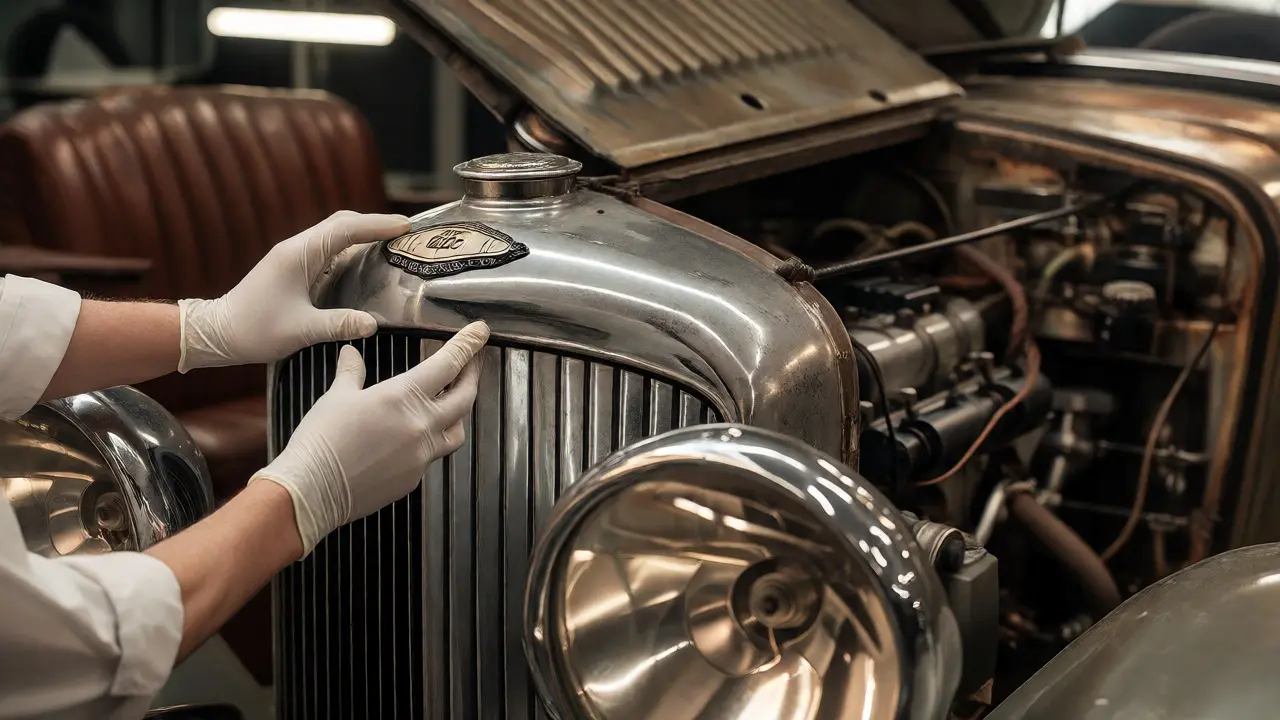
Preservation isn’t just polishing chrome. It’s a complex scientific process involving chemistry, materials science, and historical research. Most major UK museums follow strict conservation guidelines set by organizations like the Museums Association.
- Environmental Control: Humidity and temperature must be kept stable to prevent metal fatigue and leather cracking. Even a 5% humidity fluctuation can damage decades-old upholstery.
- Material Analysis: Conservators use spectroscopy to identify original paints and plastics. This helps them restore cars without introducing modern chemicals that could react poorly with aged materials.
- Digital Archiving: Every bolt, blueprint, and brochure is scanned. The Science Museum Group, which includes the National Railway Museum and others, leads the way in digitizing automotive engineering drawings, making them accessible to researchers worldwide.
This rigorous approach ensures that a 1960s Ford GT40 doesn’t just look right-it ages correctly. The goal is stability, not perfection. A restored car looks new; a conserved car tells the truth.
The Role of Private Clubs and Volunteers
Government funding rarely covers everything. That’s where the volunteer sector steps in. Organizations like the Federation of British Historic Vehicle Clubs (FBHVC) coordinate thousands of enthusiasts who maintain their own vehicles while contributing data to central registries.
These clubs are the backbone of the ecosystem. They organize rallies, share technical manuals, and lobby for favorable tax treatments for historic vehicles. For example, the FBHVC played a key role in securing the current UK vehicle excise duty exemption for cars built before 1980. This policy directly supports preservation by reducing the cost of keeping old cars on the road.
Volunteers also staff many regional museums. In places like the Motor Museum in Bradford or the Lancashire County Museum, passionate locals provide guided tours that add personal anecdotes you won’t find in any plaque. This human element keeps the history relatable, connecting the machine to the people who built and drove it.
Challenges Facing British Automotive Preservation
It’s not all smooth driving. The sector faces real threats that could derail future preservation efforts.
| Challenge | Impact | Mitigation Strategy |
|---|---|---|
| Space Constraints | High storage costs force deaccessioning of lesser-known models. | Digital-first exhibits and rotating displays. |
| Aging Audience | Declining interest among Gen Z reduces volunteer pools. | Interactive tech and EV-focused storytelling. |
| Parts Scarcity | Original components become unobtainable for repairs. | 3D printing replicas and reverse engineering. |
| Funding Gaps | Grant dependencies create instability for small museums. | Diversifying income via events and merchandise. |
The rise of electric vehicles (EVs) presents a philosophical dilemma. Do we preserve the smell of petrol and the sound of a V8? Or do we adapt our definition of "automotive heritage" to include battery packs and software updates? Museums like the Design Museum in London are already exploring this shift, framing early EVs as the next chapter in British innovation rather than the end of the line.
Why This Matters to You
You might ask, why should I care if a 1950s Austin Healey stays intact? Because these objects anchor our cultural identity. They represent post-war recovery, industrial prowess, and design flair. When you visit a museum, you’re not just looking at a car; you’re engaging with a timeline of British ingenuity.
Supporting these institutions helps maintain a tangible link to the past. Whether through membership fees, donations, or simply visiting, your engagement validates the effort required to save these machines. Without public interest, the lights go out, and the cars return to obscurity.
What is the difference between restoration and conservation?
Restoration aims to return a car to its original factory condition, often replacing worn parts with new ones. Conservation focuses on stabilizing the existing material to prevent further decay, preserving the patina and signs of age as part of the object's history. Museums typically prioritize conservation to maintain historical integrity.
Are all classic cars exempt from road tax in the UK?
Cars built before January 1, 1980, are generally exempt from Vehicle Excise Duty (VED) in the UK. However, owners must still declare the vehicle annually to maintain the exemption. This policy encourages the retention of historic vehicles on public roads.
Can I donate my old car to a museum?
Yes, many museums accept donations, but they are selective. The car usually needs to have historical significance, rarity, or a connection to a specific manufacturer or event. Contact the acquisition team of the relevant museum beforehand to discuss the vehicle's provenance and condition.
How do museums handle the maintenance of running vehicles?
Running vehicles require regular exercise to keep seals lubricated and brakes functional. Museums often have dedicated mechanics who perform scheduled runs on test tracks or nearby roads. For non-running cars, batteries are disconnected, and tires may be removed to prevent flat-spotting.
Is there a national register for historic vehicles in the UK?
There isn't a single government-run national register. Instead, registration is handled by individual marque clubs (like the Bentley Drivers Club) or heritage trusts. These bodies maintain detailed logs of production numbers, ownership history, and specification changes for their respective brands.