British Automobile Standardization in the 1900s: Why Design Basics Stabilized Before WWI
 May, 3 2026
Imagine buying a car in 1905 and expecting every bolt, nut, and valve to be unique. That was the reality for early motorists. The industry was a chaotic patchwork of individual ideas, where no two manufacturers agreed on how to build a machine. Yet, by the time World War I began in 1914, this chaos had settled into a recognizable order. British automobile standardization is the process by which UK vehicle manufacturers agreed upon common technical specifications, parts sizes, and safety protocols during the Edwardian era. This shift didn't happen overnight. It was driven by practical necessity, economic pressure, and the sheer frustration of maintaining vehicles that refused to play nice with each other.
The story of how British cars moved from bespoke experiments to standardized machines is crucial for understanding modern engineering. Without this stabilization, the mass production techniques that followed would have been impossible. Let’s look at why these design basics locked in place just before the war changed everything.
The Chaos of the Early Years
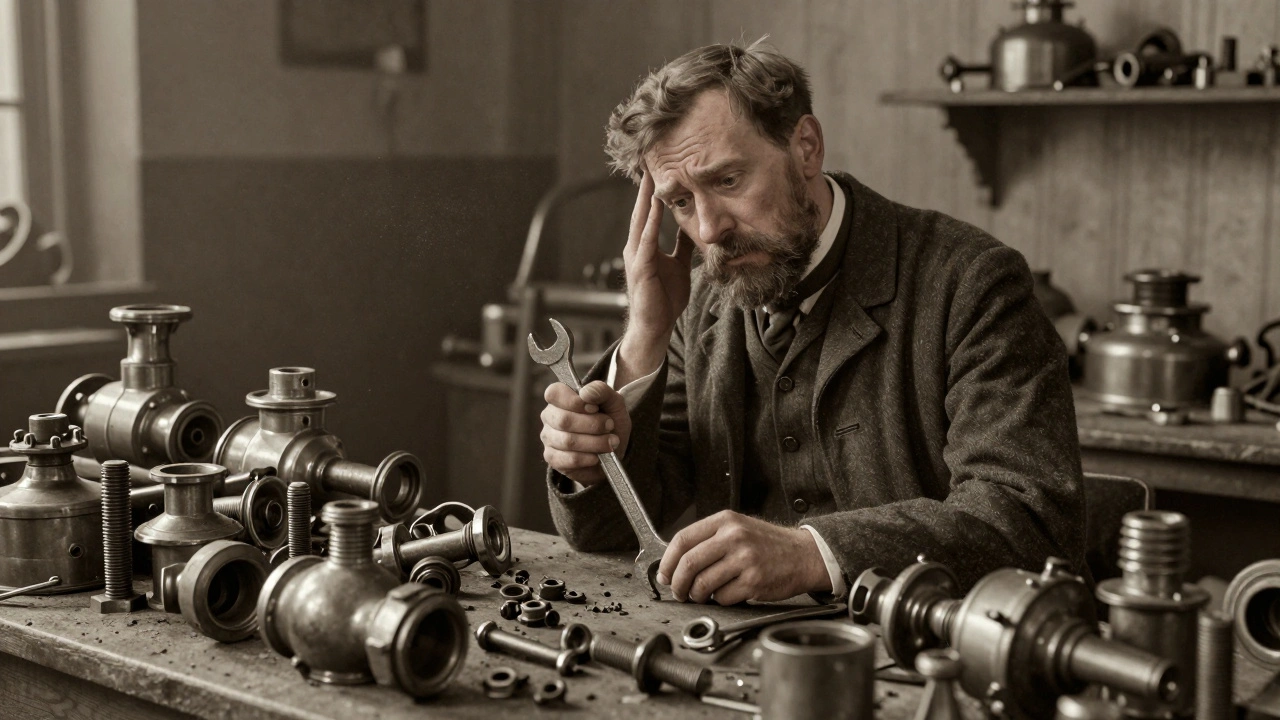
In the late 1890s and early 1900s, the British automotive industry was essentially a collection of bicycle makers and carriage builders guessing their way forward. There were no rules. If you wanted to replace a broken wheel bearing on your Daimler, you couldn't just drive to a local shop and grab a spare. You might need to wait weeks for a custom-made part because your specific model used a thread size that nobody else used.
This lack of standardization created massive inefficiencies. Mechanics became generalists who spent more time improvising than repairing. Customers feared breakdowns not because engines were unreliable, but because help was scarce. The variety of designs was staggering. Some cars used steam power, others electricity, and most used internal combustion engines, but even among those, fuel systems varied wildly. One manufacturer might use a gravity-fed tank, while another relied on a mechanical pump with a completely different fitting.
The financial toll was significant. Manufacturers incurred high costs producing small batches of unique components. Retailers struggled to stock inventory that rarely sold. For the consumer, ownership was expensive and frustrating. This pain point became the catalyst for change. Industry leaders realized that if they wanted to grow beyond a niche hobby for the wealthy, they needed a system that worked for everyone.
The Rise of the Institution of Mechanical Engineers
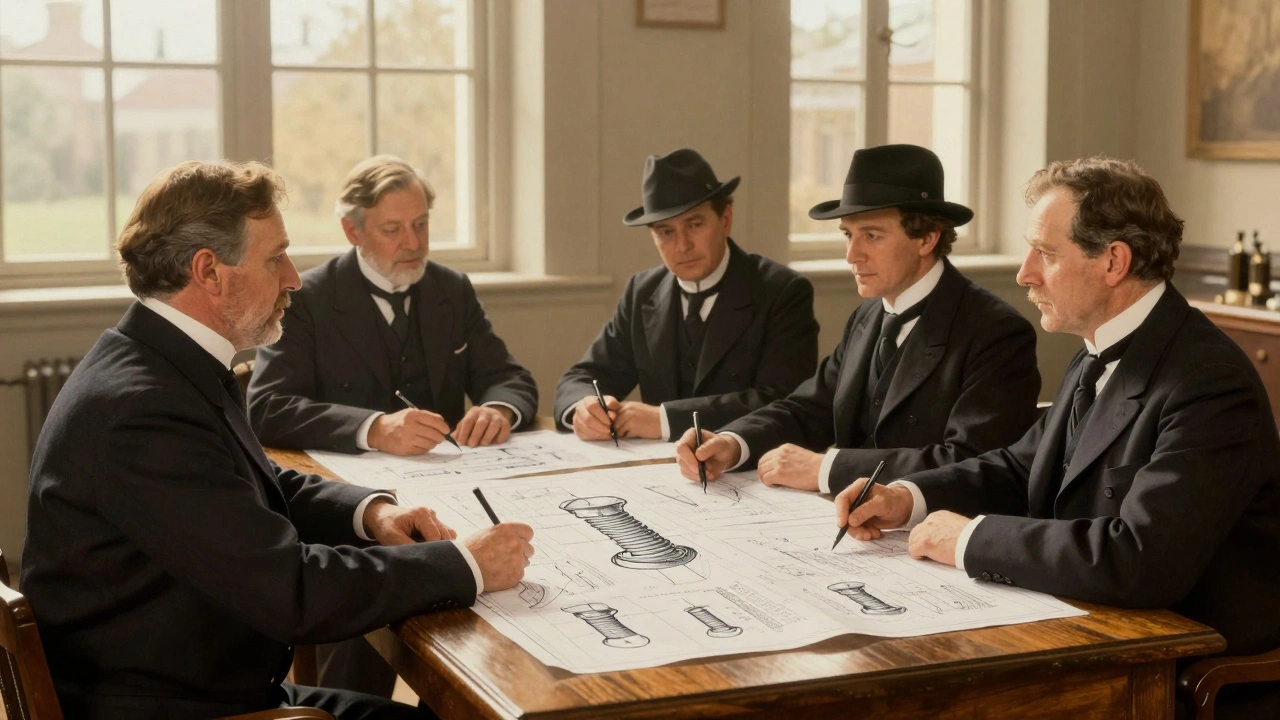
The turning point came when engineers started talking to each other. The Institution of Mechanical Engineers (IMechE) played a pivotal role in this transition. Established long before the car existed, the IMechE adapted to the new technology. In 1903, they formed a Motor Car Committee specifically to address the growing disorder in the industry.
This committee wasn't a government body with regulatory power. It was a group of respected peers from major companies like Rolls-Royce, Vauxhall, and Lanchester. They met regularly to discuss problems and propose solutions. Their approach was collaborative rather than coercive. They understood that forcing standards would fail; instead, they aimed to create consensus.
The first major victory was standardizing screw threads. Before this agreement, there were dozens of different thread pitches and diameters in circulation. The IMechE promoted the adoption of the Whitworth thread system, which was already common in British machinery. By 1906, most major manufacturers had adopted this standard. This single change simplified maintenance dramatically. A mechanic could now carry a universal wrench set rather than a specialized toolkit for each brand.
Key Areas of Standardization
Standardization didn't stop at screws. The IMechE and related bodies tackled several critical areas that defined the driving experience:
- Wheel Axles: Agreeing on axle lengths and mounting points allowed for interchangeable wheels. This reduced manufacturing costs and made repairs faster.
- Clutch Mechanisms: While designs varied, the basic operation and connection points became more uniform, improving driver consistency across brands.
- Braking Systems: Safety became a priority. Standards for brake pedal placement and cable tensions helped ensure that drivers could react predictably in emergencies.
- Steering Wheels: The position and size of steering wheels began to converge, reducing the learning curve for drivers switching between vehicles.
These changes might seem minor today, but they were revolutionary then. They transformed car ownership from a technical challenge into a manageable activity. The focus shifted from surviving the journey to enjoying it.
Economic Pressures and Mass Production
Money talks. As the demand for cars grew, so did the pressure to produce them efficiently. Henry Ford’s success in America with the Model T showed what was possible with assembly lines and interchangeable parts. British manufacturers watched closely and realized they were falling behind.
To compete, British firms needed to lower costs. Standardization was the key. By using common parts, they could buy components in bulk rather than ordering custom pieces. This economies-of-scale effect drove down prices, making cars accessible to the middle class. The Austin 7, launched in 1922, benefited from this earlier groundwork, but the seeds were sown in the Edwardian period.
Furthermore, standardization attracted investment. Investors preferred businesses with predictable supply chains and lower risk. Companies that adhered to emerging standards were seen as more stable and forward-thinking. This financial confidence fueled further innovation and expansion.
Safety and Public Perception
Safety was a major concern for both manufacturers and the public. Early cars were dangerous, not just because of speed, but because of poor construction quality. Lack of standards meant that brakes might fail unpredictably, or steering could become loose without warning.
The IMechE’s efforts improved reliability, which in turn boosted public trust. Fewer breakdowns and accidents meant fewer negative headlines. Governments took notice. In 1903, the Locomotives on Highways Act was repealed, removing restrictive speed limits and allowing cars to operate more freely. This legislative change was partly due to the industry’s demonstration of responsibility through self-regulation and standardization.
Public perception shifted from seeing cars as noisy, smelly nuisances to viewing them as useful tools. This change was essential for the industry’s growth. Without acceptance, there would be no market. Standardization provided the reliability needed to win over skeptics.
The Impact of World War I
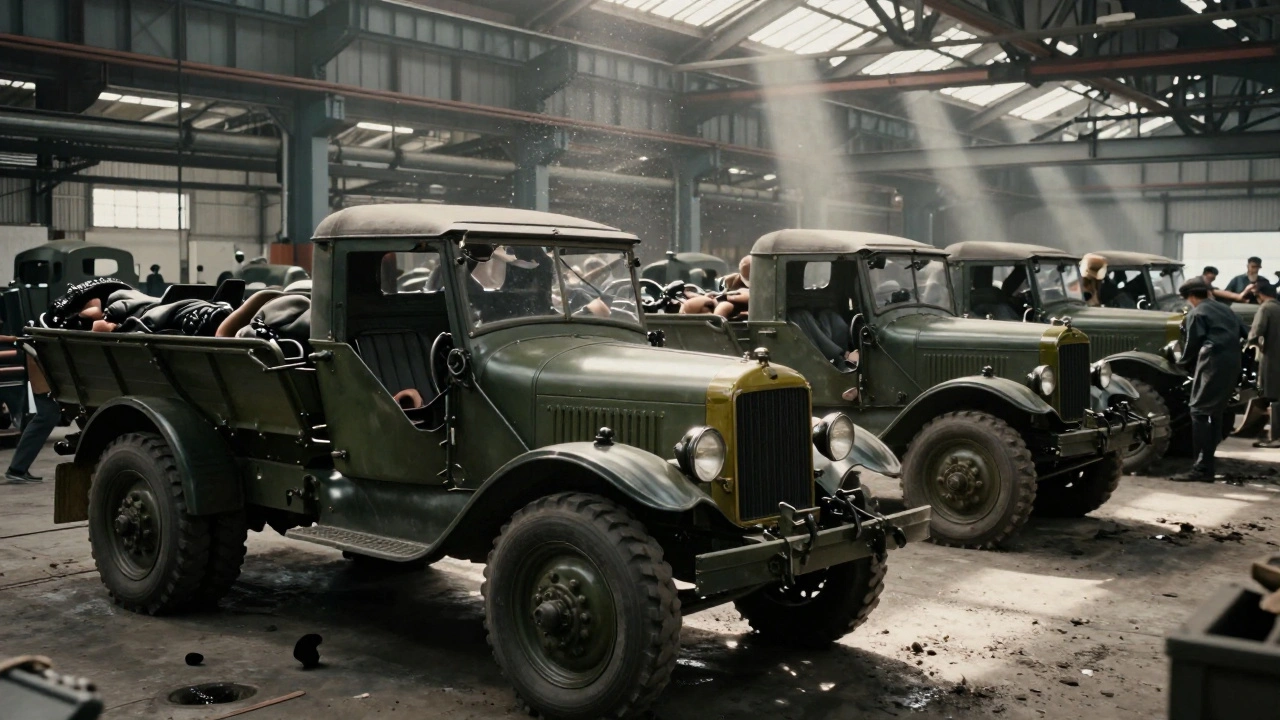
World War I accelerated the final stages of standardization. The war effort required massive production of military vehicles. The British government demanded efficiency and interchangeability. Manufacturers who had already adopted standards found themselves better prepared to meet these demands.
The war also highlighted the importance of robust, simple designs. Complex, bespoke features were replaced with durable, easy-to-repair components. Post-war, consumers expected the same reliability. The pre-war stabilization of design basics ensured that the industry could pivot quickly to meet wartime needs and then return to civilian production with minimal disruption.
By 1914, the foundation was solid. The chaotic experimentation phase was over. The era of refined, standardized automobiles had begun. This transition laid the groundwork for the modern automotive industry, influencing everything from manufacturing processes to consumer expectations.
| Aspect | Pre-Standardization (Pre-1903) | Post-Standardization (1903-1914) |
|---|---|---|
| Parts Interchangeability | None; custom parts only | High; common bolts, nuts, and bearings |
| Maintenance Cost | Very high due to scarcity | Moderate; wider availability of spares |
| Manufacturing Efficiency | Low; hand-built, small batches | Higher; semi-automated processes |
| Consumer Confidence | Low; fear of breakdowns | Growing; improved reliability |
| Regulatory Environment | Restrictive laws (Red Flag Act legacy) | Liberalized (Locomotives on Highways Act repeal) |
Legacy of Edwardian Growth
The Edwardian era was a time of optimism and progress. The stabilization of automobile design reflected this spirit. It wasn't just about building better cars; it was about building a better society. Cars connected people, facilitated trade, and expanded horizons.
The standards established in this period influenced global practices. British engineers shared their knowledge internationally, contributing to worldwide standardization efforts. Today, when you tighten a bolt on your car, you're likely using a metric or imperial thread that traces its lineage back to these early agreements.
Understanding this history helps us appreciate the complexity behind everyday technologies. What seems obvious now-like having a standard gas cap or tire size-was once a hard-fought battle for consistency. The Edwardian pioneers taught us that collaboration and standardization are essential for progress.
Why did British car manufacturers start standardizing parts in the early 1900s?
They standardized parts to reduce manufacturing costs, simplify maintenance, and improve reliability. The lack of common specifications made repairs expensive and difficult, limiting the market to wealthy enthusiasts. Standardization allowed for mass production and broader consumer appeal.
What role did the Institution of Mechanical Engineers play in this process?
The IMechE formed a Motor Car Committee in 1903 to facilitate dialogue among manufacturers. They proposed voluntary standards for components like screw threads and wheel axles, fostering industry-wide consensus without government coercion.
How did World War I affect automobile standardization in Britain?
WWI accelerated standardization by demanding efficient, interchangeable parts for military vehicles. Manufacturers who had already adopted pre-war standards were better equipped to meet government contracts, reinforcing the value of unified specifications.
Which specific car parts were standardized during the Edwardian era?
Key standardized parts included screw threads (Whitworth system), wheel axles, clutch mechanisms, braking systems, and steering wheel positions. These changes improved repairability and driver familiarity across different brands.
Did standardization make cars cheaper for consumers?
Yes, significantly. By enabling mass production and bulk purchasing of common components, manufacturers reduced costs. This price reduction made cars accessible to the middle class, expanding the market beyond the elite.
How does early British standardization relate to modern automotive practices?
Modern practices rely on the foundational principles established in the Edwardian era. Concepts like interchangeable parts, universal fasteners, and safety regulations originated from these early efforts, shaping global manufacturing standards today.