Brand Storytelling for British Icons: How Global Owners Market Heritage
 Aug, 17 2026
When you buy a car from Aston Martin or Rolls-Royce, you aren't just buying metal and rubber. You are buying a piece of history that has been carefully curated by owners who often sit in Dubai, Shanghai, or London. The tension between preserving the soul of a British icon and scaling it for a global audience is the central challenge facing these brands today.
For decades, British luxury automakers were defined by their local roots. Now, they are defined by their ability to tell a story that resonates in Tokyo just as strongly as in Turin. This shift requires a delicate balance. If the story becomes too generic, it loses its edge. If it stays too local, it fails to justify the premium price tag demanded by international buyers. Let's look at how these companies navigate this tightrope without losing their identity.
The Value of Heritage in a Digital Age
Heritage is no longer just about old photos in a brochure. It is an active marketing asset. For brands like Jaguar and Land Rover, heritage provides a narrative anchor. In a market flooded with new electric vehicles from tech startups, the story of a brand built on engineering excellence since the early 20th century offers something competitors lack: provenance.
- Emotional Connection: Buyers in emerging markets often seek status symbols with deep cultural weight. A British badge carries a specific connotation of refinement and stability.
- Price Justification: Heritage allows manufacturers to charge premiums that pure performance specs cannot always support.
- Community Building: Shared history creates loyal fan bases that advocate for the brand organically across borders.
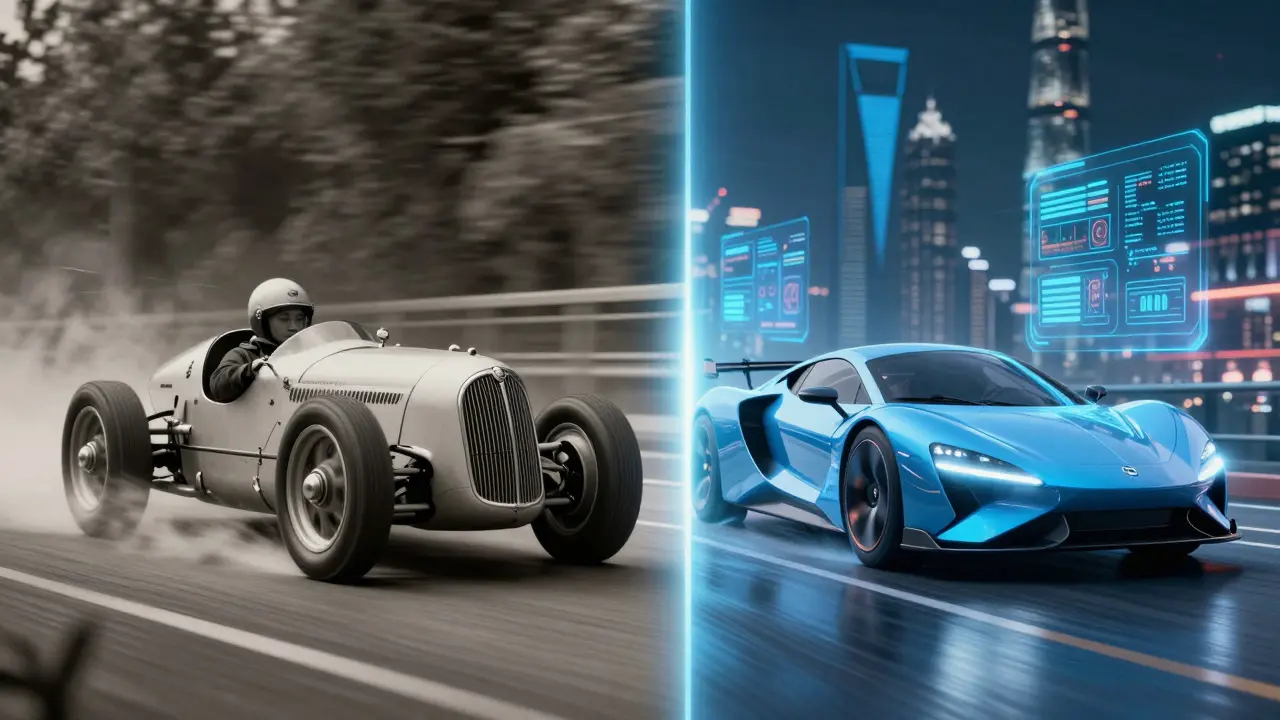
However, relying solely on nostalgia is risky. Younger generations in Asia and the Middle East may not know what a V12 engine sounds like. They care about design language, digital integration, and sustainability. Therefore, the storytelling must evolve. It needs to bridge the gap between the past glory and the future promise.
Case Study: Aston Martin’s Global Expansion
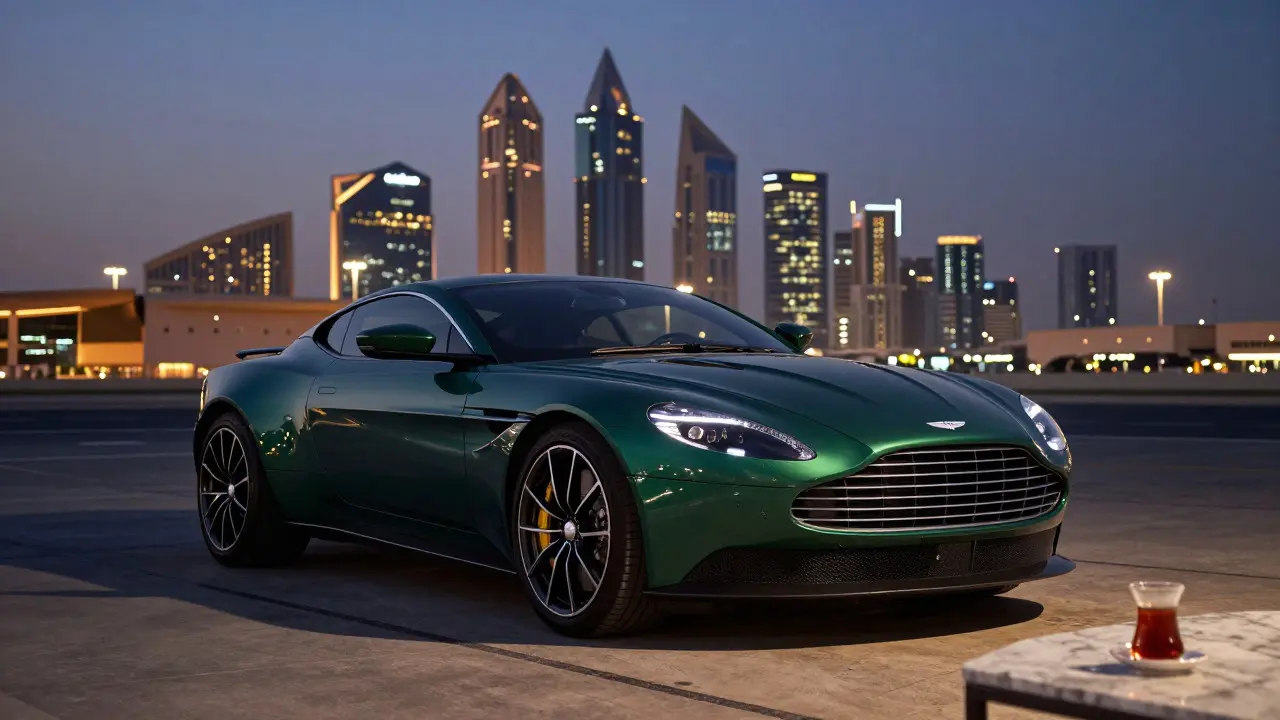
Aston Martin Lagonda offers a prime example of this dynamic. Under its current global ownership structure, the brand has aggressively pursued markets in China and the Gulf states. Their strategy isn't just about selling cars; it's about exporting the "Aston Martin lifestyle."
They do this through exclusive events that mirror the British racing tradition but are hosted in foreign capitals. Imagine a track day in Abu Dhabi where the hosts speak Arabic and English, serving tea alongside high-performance data sheets. This localization of the core brand values is key. The car remains the same, but the context changes to make the customer feel at home while still feeling part of an elite British club.
The Role of Chinese Capital in Brand Perception
You cannot discuss global ownership of British icons without mentioning the significant investment from Chinese capital. When Geely acquired Volvo, or when Chinese funds backed various British startups, there was fear that the "Britishness" would be diluted. So far, that fear has been largely unfounded, but the approach has changed.
Chinese investors tend to view British brands as technology platforms rather than just heritage objects. They want to use the brand's reputation to accelerate entry into global markets. This creates a dual narrative: the car is still made in Britain with British standards, but the development speed and technological integration are driven by global efficiency. Consumers need to understand that this partnership doesn't erase the origin story; it amplifies the reach.
For the average buyer, this means better after-sales networks in Asia and faster adoption of hybrid technologies. The story shifts from "slow and traditional" to "heritage-backed innovation." This is a crucial pivot for maintaining relevance among younger, tech-savvy buyers who might otherwise choose a German competitor.
Digital Storytelling Across Borders
In the pre-internet era, a British car brand's reach was limited by physical dealerships. Today, Instagram and YouTube are the primary storefronts. But how do you sell a hand-stitched leather seat to someone in Seoul? Through visual consistency and micro-storytelling.
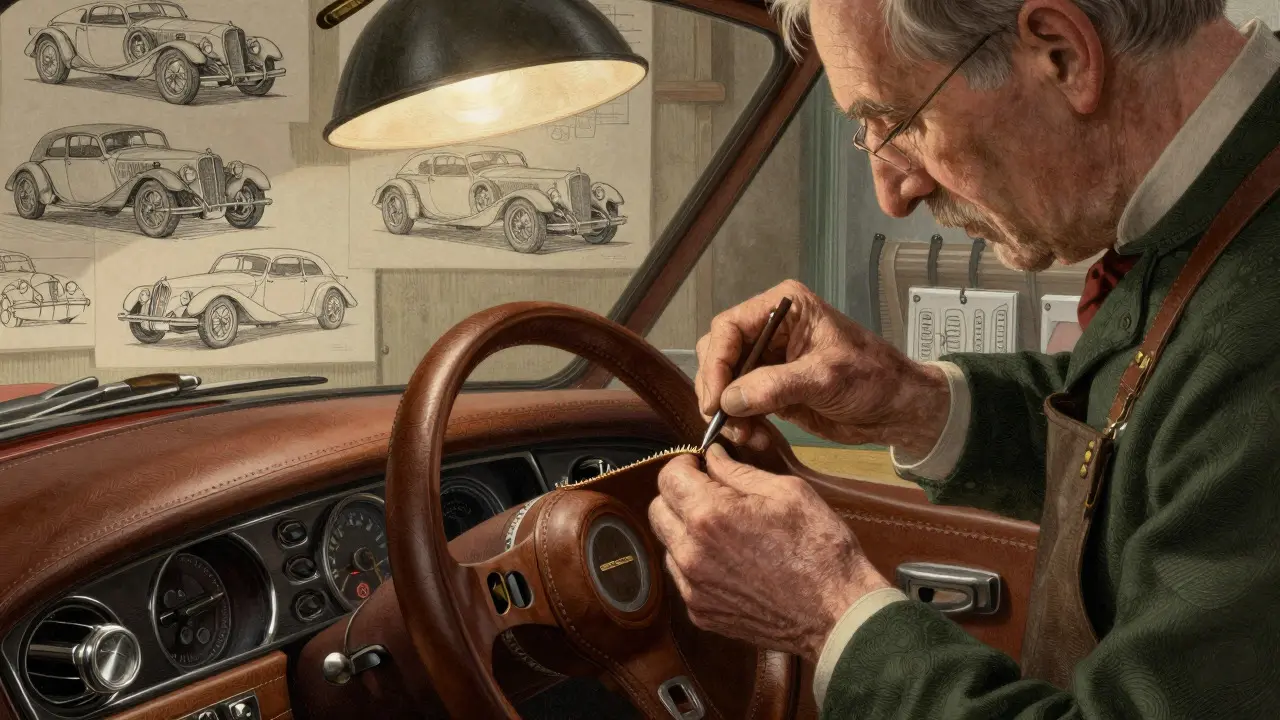
- Behind-the-Scenes Content: Showing the artisans in Coventry or Goodwood working on a dashboard creates a tangible link to the craft, regardless of where the viewer sits.
- Influencer Partnerships: Collaborating with local influencers who embody the brand's values (e.g., adventure for Land Rover, elegance for Bentley) helps localize the message without changing the core identity.
- Virtual Showrooms: Using augmented reality to let customers in remote locations customize their vehicle builds bridges the geographical gap.
The goal is to make the heritage feel accessible, not distant. If the story feels too elitist, it alienates the growing middle class in emerging economies who can now afford luxury goods. The tone must be inviting yet exclusive.
Challenges in Maintaining Authenticity
The biggest risk for globally owned British icons is becoming a hollow shell. If the production moves offshore, if the management ignores local feedback, or if the design strays too far from the classic cues, the heritage value erodes quickly. We have seen this happen in other industries where a famous name was bought out and stripped of its original character.
To avoid this, successful brands maintain a "Golden Thread" of design and engineering principles. Whether the CEO is based in Hangzhou or Hemel Hempstead, the final product must pass the test of authenticity. Does it look right? Does it sound right? Does it feel right? These subjective measures are harder to quantify but are vital for long-term brand equity.
Furthermore, environmental regulations in Europe and North America are forcing a transition to electrification. How does a brand known for roaring V8 engines tell a story about silent electric motors? The answer lies in redefining performance. Instead of horsepower, the metric becomes range, charging speed, and sustainable materials. The heritage of engineering excellence is repurposed to solve modern problems.
What This Means for Buyers
If you are considering purchasing a British icon, understanding this marketing landscape helps you value the car correctly. You are paying for a story that is being actively managed by a global team. This brings both benefits and risks.
- Benefit: Better access to parts and service worldwide due to expanded dealer networks.
- Benefit: More innovative features and connectivity options.
- Risk: Potential inconsistency in quality control if manufacturing scales up rapidly.
- Risk: Brand dilution if the core identity is compromised for mass appeal.
Stay informed about the ownership structure and recent model releases. Check community forums for owner experiences in your region. The story is powerful, but the reality of owning the car depends on how well that story is executed in your specific location.
Does global ownership change the quality of British cars?
Not necessarily. Many brands maintain strict quality controls in their UK factories. However, rapid expansion can sometimes lead to inconsistencies in fit and finish. It is advisable to check recent reliability reports for specific models before purchasing.
Why do British brands focus so much on China?
China is the largest luxury car market in the world. For British brands to remain profitable, they must capture a significant share of this market. The focus is on building brand awareness and establishing a strong dealer network to support long-term growth.
How does heritage affect resale value?
Strong heritage generally supports resale value, especially for limited edition or iconic models. However, if a brand undergoes a major ownership change or a significant drop in perceived quality, resale values can fluctuate. Consistency in brand image is key.
Are British cars more expensive because of their history?
Yes, heritage allows brands to command higher prices. Customers are willing to pay a premium for the story, the craftsmanship, and the exclusivity associated with the brand name. This is different from paying purely for performance specifications.
Will British brands disappear if they become too global?
It is unlikely they will disappear, but they may evolve. Brands that fail to adapt their story to global audiences risk becoming niche. Those that succeed will remain relevant by blending their historical roots with modern global standards.