Brand Identity vs Corporate Structure: How British Car Heritage Survives Globalization
 Nov, 23 2026
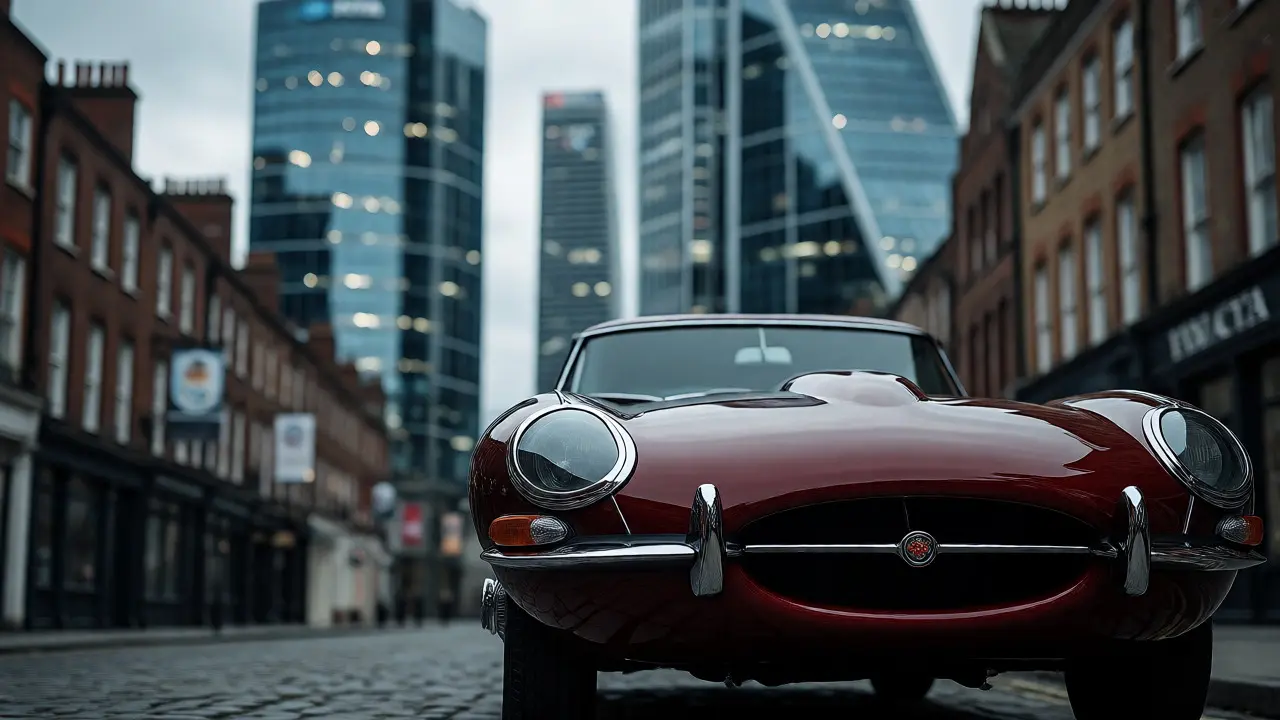
You look at a Jaguar and you think of Coventry. You see a Mini and picture London’s narrow streets. But here is the twist that trips up most car enthusiasts: those brands don’t belong to Britain anymore. They are owned by Indian, German, or American conglomerates. So why do they still feel British? Why does a Bentley still carry that distinct aura of English luxury even though it sits under the roof of Volkswagen Group?
This isn’t just about nostalgia. It’s a complex business strategy called brand separation. The corporate structure-the legal entity that pays taxes and reports earnings-is often foreign. But the brand identity-the soul of the product-remains stubbornly local. Understanding how this works reveals how globalization doesn’t always mean homogenization. Sometimes, it means protecting a specific cultural flavor because that flavor is what sells.
The Great Handover: Who Owns What Now?
If you grew up in the UK during the 1970s, you remember the decline of the domestic auto industry. By the 1980s and 90s, many iconic names were struggling or sold off. Today, the landscape looks completely different. Let’s map out who actually holds the keys.
| Brand | Parent Company | HQ Location | Key Design Hub |
|---|---|---|---|
| Jaguar Land Rover (JLR) | Tata Motors | Mumbai, India | Gaydon, UK |
| Mini | BMW Group | Munich, Germany | Oxford, UK |
| Bentley | Volkswagen Group | Wolfsburg, Germany | Crewe, UK |
| Rolls-Royce | BMW Group | Munich, Germany | Goodwood, UK |
| Aston Martin | Lawrence Stroll / Consortium | Luxembourg/Canada | Gaydon, UK |
| McLaren | Mumtalalat Capital | Abu Dhabi, UAE | Woking, UK |
Notice the pattern? The money comes from abroad, but the brains stay home. Tata bought JLR for $2.3 billion in 2008. BMW acquired Mini and Rolls-Royce. Volkswagen grabbed Bentley. Yet, none of these companies tried to move the factories to Stuttgart or Wolfsburg. Why? Because moving production would kill the very thing they paid billions for: the heritage value.
Why Keep the Factory in Crewe?
You might ask, "Isn't it cheaper to build cars where labor is cheaper or where the parent company already has supply chains?" For mass-market cars like Ford or Toyota, yes. But for luxury and performance vehicles, geography is part of the product.
Take Bentley. When Volkswagen bought it, they didn’t send German engineers to redesign the interior. They kept the craftsmanship in Crewe, Cheshire. Why? Because a Bentley isn’t just a car; it’s a statement of British understated wealth. If you built it in Germany, it would feel too engineered. If you built it in China, it might feel too manufactured. The location signals authenticity.
This is what marketers call country-of-origin effect. Consumers associate certain countries with specific qualities. Germany equals precision. Italy equals passion. Britain equals tradition and bespoke luxury. Global owners know that stripping away the British element destroys the premium price tag. A German-owned Bentley must still feel British, or it’s just an expensive Audi.
The Role of Design Studios
Design is where the battle between global efficiency and local identity gets real. Most modern car designs happen in digital studios shared across continents. But for British brands, there is usually a dedicated design center on UK soil.
Land Rover designs its new Defenders in Gaydon, Warwickshire. The team there includes people who grew up driving them. They understand the mud, the ruts, and the history. If you moved that design team to Mumbai, you might get a technically perfect SUV, but you’d lose the rugged charm that makes Land Rover desirable in Africa and Australia.
Similarly, Aston Martin recently underwent a massive restructure under Canadian billionaire Lawrence Stroll. Despite the new capital coming from North America, the design language remains rooted in British sports car aesthetics. The CEO, Adrian Hallmark, emphasized that while the money was international, the DNA had to remain local. This balance is delicate. Too much foreign influence, and the brand loses its edge. Too little investment, and it can’t compete with Porsche or Ferrari.

Supply Chains and Local Sourcing
It’s not just about design teams. It’s about parts. A true British car needs British components. Look at the Mini Cooper. Even though it’s owned by BMW, many of the specialized trim pieces, leather goods, and assembly processes involve suppliers within the UK. This creates a local ecosystem that supports the brand narrative.
When Tata took over JLR, critics feared they would slash costs by sourcing everything from India. Instead, Tata invested heavily in UK manufacturing. They understood that "Made in Britain" is a marketing asset worth more than cheap labor savings. In 2024, JLR reported record sales, largely driven by models like the Range Rover Sport, which were perceived as authentic British luxury despite their Indian ownership.
This strategy requires discipline. Global headquarters want standardization. They want one engine type used across ten models to save money. But British heritage brands resist this. They insist on unique powertrains or specific chassis tuning that feels different from their non-British siblings. This friction between global cost-cutting and local uniqueness is constant.
Marketing: Selling the Myth
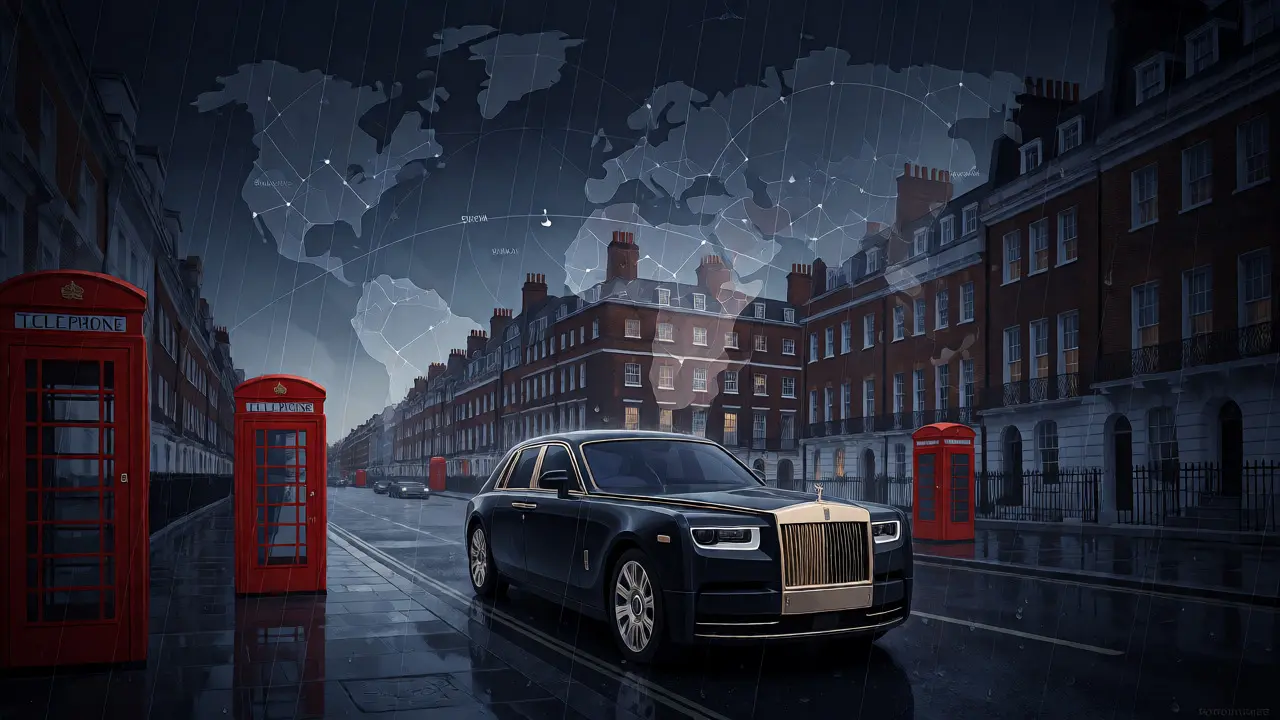
How do you sell a car made in Oxford to a buyer in Shanghai or New York? You sell the story. Marketing campaigns for these brands rarely mention the parent company. You won’t see "BMW Group presents Mini" in a Super Bowl ad. You’ll see scenes of rainy London streets, red phone boxes, or countryside estates.
The messaging focuses on lifestyle, not logistics. It taps into the romanticized idea of Britain: aristocratic, quirky, resilient, and stylish. This emotional connection allows the brand to charge a premium. If consumers knew exactly how globalized the supply chain was, the mystique might fade. But by keeping the corporate structure invisible, the brand identity stays pure.
Consider Rolls-Royce. Owned by BMW, it competes with Mercedes-Maybach. But Rolls-Royce leans hard into its British roots. The Spirit of Ecstasy hood ornament, the hand-stitched leather, the whisper-quiet ride-all these elements reinforce the British narrative. The fact that the engine might share technology with a BMW 7 Series is irrelevant to the customer buying a Phantom.
Challenges in a Post-Brexit World
Keeping this model working has become harder since Brexit. Trade barriers, customs checks, and regulatory divergence add complexity. A car designed in the UK, funded by India, and sold globally now faces extra paperwork when crossing borders.
For Jaguar and Land Rover, this meant restructuring export plans. Some models saw price hikes due to tariffs. However, the core strategy hasn’t changed. The brands still rely on their British image to justify higher prices compared to competitors from regions with lower trade barriers.
There’s also the risk of dilution. As global owners push for electrification, they often use shared platforms. The upcoming electric Jaguar models will likely share architecture with other Tata-owned or partner vehicles. The challenge for designers is to make these EVs feel distinctly Jaguar, not just generic electric cars with a leaping cat badge.
What This Means for Other Industries
This dynamic isn’t limited to cars. Think about Scotch whisky. Many distilleries are owned by French or Japanese firms, yet the label emphasizes Scottish water and barley. Or fashion brands like Burberry, which faced pressure to move production overseas but eventually brought some manufacturing back to maintain quality control and brand prestige.
The lesson is clear: in high-value industries, identity trumps efficiency. Customers pay for the story, not just the steel and rubber. Globalization provides the capital and distribution networks needed to survive. But local heritage provides the differentiation needed to thrive.
So next time you see a Bentley parked outside a hotel in Dubai, remember: the money came from Germany, the management might be global, but the soul of that car was crafted in England. That tension between global reach and local roots is what keeps these brands alive and profitable in a crowded market.
Frequently Asked Questions
Does owning a British car brand require the owner to be British?
No, ownership nationality does not determine brand identity. Companies like Tata (India), BMW (Germany), and Volkswagen (Germany) own major British brands. What matters is maintaining the design, manufacturing, and marketing standards associated with British heritage.
Why don’t global owners move production to their home countries?
Moving production would damage the "Made in Britain" appeal, which is a key selling point for luxury and performance vehicles. The country-of-origin effect adds significant value to the brand, allowing it to command higher prices than if it were produced elsewhere.
Is Jaguar still considered a British brand despite Indian ownership?
Yes, Jaguar is widely regarded as a British brand. Its headquarters, design centers, and primary manufacturing facilities remain in the UK. The brand’s identity, history, and engineering culture are deeply rooted in British automotive traditions.
How does Brexit affect British car brands owned by foreign companies?
Brexit introduced trade barriers, tariffs, and regulatory complexities. While it increased operational costs and logistical challenges, it did not change the fundamental brand identities. Owners continue to invest in UK production to preserve the heritage value, though supply chains have been adjusted.
Do global parents interfere with the design of British cars?
Global parents provide strategic direction and funding but typically allow local design teams autonomy to maintain brand consistency. Interference occurs mainly regarding platform sharing and cost efficiencies, but aesthetic and functional choices usually remain with the UK-based teams to protect brand equity.