Bentley’s Volkswagen Era: Le Mans Glory and the Continental GT Renaissance
 Nov, 6 2026
Imagine a car company so iconic that its very name conjures images of British aristocracy, hand-stitched leather, and engines that sound like thunder rolling across the Cotswolds. Now imagine that same company nearly going bankrupt, sold off in a corporate bidding war, and saved by a German engineering giant. That is the story of Bentley. In 1998, the fate of this legendary marque hung in the balance between two automotive titans: Volkswagen Group and BMW. What followed wasn’t just a change in ownership; it was a complete resurrection.
You might think Bentley today is purely British. It isn’t. It’s a hybrid creature-British soul, German muscle. The investment from Volkswagen didn’t just keep the lights on in Crewe; it funded one of the most successful racing comebacks in history and launched the Continental GT, a car that redefined what a grand tourer could be. If you’ve ever wondered how a struggling boutique brand became a profit-generating powerhouse for a global conglomerate, you need to look at the numbers, the races, and the design shifts that happened after 2003.
The Great Corporate Bidding War of 1998
Let’s rewind to 1998. Rolls-Royce Motors was up for sale. Two giants wanted it. BMW had already bought the engine business and had a long-standing partnership with Rolls-Royce. Volkswagen owned the car-making facilities in Crewe. It was a messy legal knot. BMW thought they were buying the whole package. Volkswagen knew they held the keys to the factory floor but not the brand rights initially.
Here’s the twist: Volkswagen outbid BMW for the company itself, paying roughly £43 million more than BMW’s offer. But here’s the catch-Rolls-Royce Motors didn’t actually own the "Rolls-Royce" trademark or the famous Spirit of Ecstasy logo. Those belonged to Vickers, the parent company, which had a separate deal with BMW. So, Volkswagen got the factories, the tools, and the Bentley brand. BMW got the Rolls-Royce name. For ten years, they shared the rights, creating a bizarre situation where both companies produced cars under the Rolls-Royce badge until 2003, when the split became absolute.
This separation forced Bentley to stand alone. Without the Rolls-Royce halo to lean on, Bentley had to prove it could survive as a standalone luxury brand. This was the pivotal moment. Volkswagen poured billions into modernizing the Crewe facility. They didn’t just patch things up; they rebuilt the foundation.
Funding the Return to Le Mans
If you ask any car enthusiast about Bentley’s golden age, they’ll talk about the 1920s. Five victories at the 24 Hours of Le Mans between 1924 and 1930 cemented the brand’s reputation for speed and durability. Then came decades of silence. By the late 1990s, Bentley hadn’t raced at Le Mans since 1930. The idea of returning seemed romantic but financially reckless.
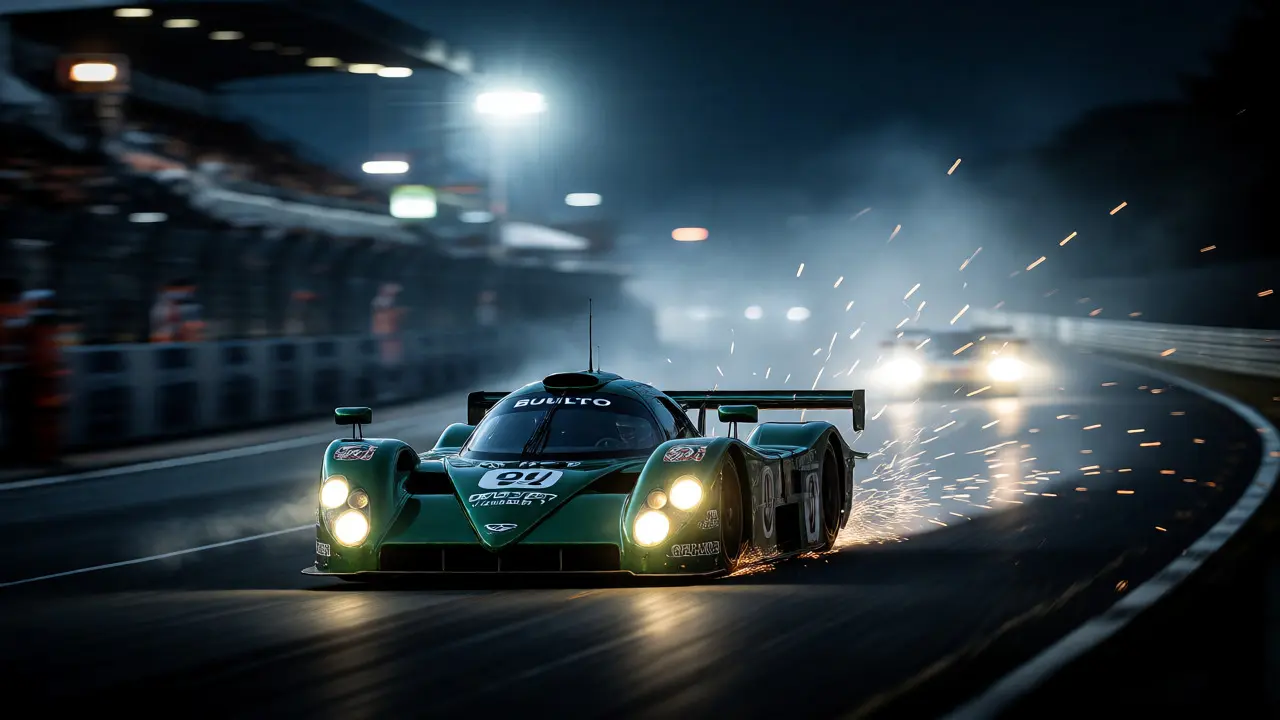
Volkswagen disagreed. They saw an opportunity. Racing wasn’t just about trophies; it was about validating the new technology. In 2001, Volkswagen announced Bentley would return to Le Mans in the prestigious LMGTP class. They developed the Speed 8, a prototype powered by a twin-turbocharged V8 engine derived from production technology. This wasn’t a throwaway project. It cost hundreds of millions of pounds.
| Feature | Bentley Speed 8 | Audi R8 |
|---|---|---|
| Engine Type | 4.0L Twin-Turbo V8 | 3.6L Twin-Turbo V8 |
| Horsepower | ~600 hp | ~610 hp |
| Top Speed | 217 mph | 215 mph |
| Le Mans Result (2003) | 1st Place | 2nd & 3rd Place |
In 2003, the gamble paid off spectacularly. A Bentley Speed 8 crossed the finish line first at Le Mans, beating its sister team, Audi. This victory did more than bring home a trophy. It proved that Bentley’s new direction worked. The marketing value was immense. Suddenly, people weren’t just seeing old-fashioned luxury cars; they were seeing high-performance machines capable of enduring 24 hours of brutal racing. This win directly influenced the development of road cars, particularly the emphasis on W12 engines and advanced aerodynamics.
The Continental GT: A Design Revolution
Before 2003, Bentleys looked like Rolls-Royces. They were upright, formal, and conservative. The Continental GT changed everything. When it debuted at the Geneva Motor Show, jaws dropped. It wasn’t just a facelift; it was a completely new platform called D1, shared with the Audi A8 and later the Porsche Panamera.
Why does this matter? Because it lowered the barrier to entry without sacrificing prestige. The Continental GT started around $150,000 (in early 2000s terms), significantly cheaper than the Azure or Arnage models. It attracted a younger demographic. We’re talking tech entrepreneurs and celebrities who wanted luxury but also wanted to drive fast. The car featured a sleek, coupe-like silhouette that broke away from the boxy sedan tradition.
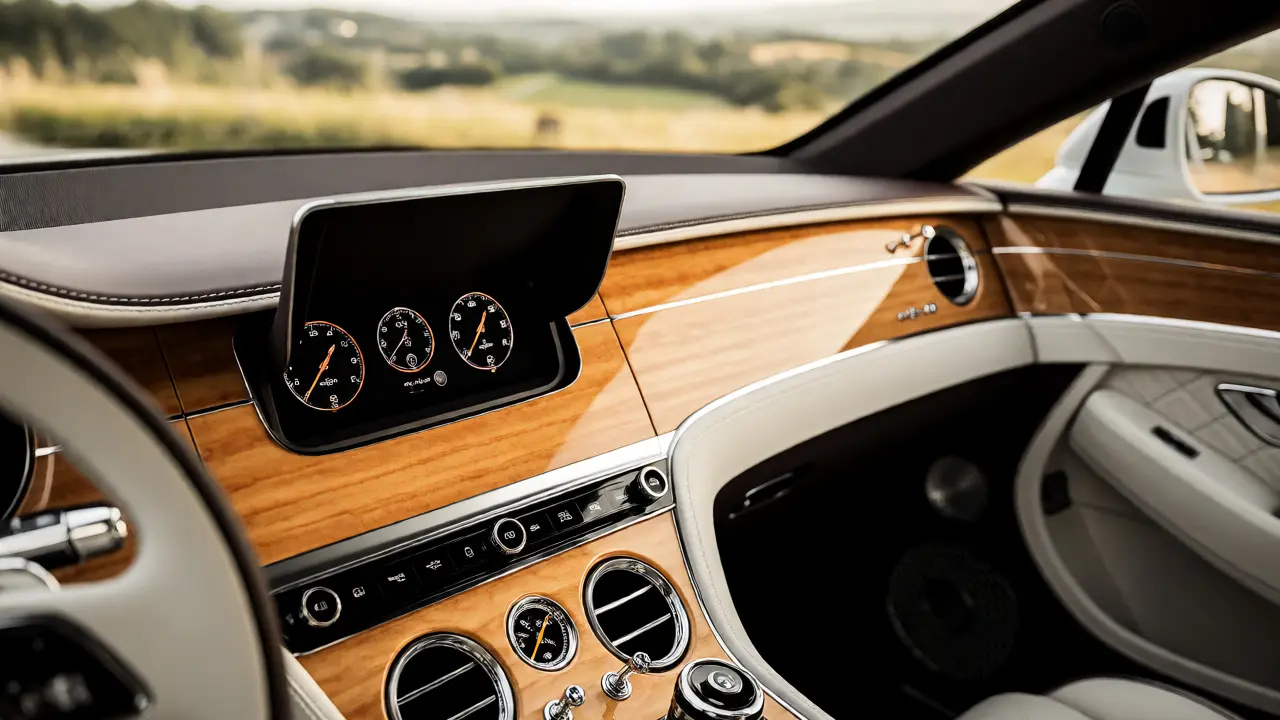
Under the hood sat a 6.0-liter W12 engine producing 552 horsepower. This was cutting-edge stuff. The all-wheel-drive system ensured that power went to the ground reliably, regardless of weather conditions. The interior combined traditional craftsmanship-wood veneers, polished metal-with modern touches like a rotating display screen that hid the infotainment system behind a veneer panel when not in use. This blend of analog charm and digital capability became Bentley’s signature move.
Manufacturing Transformation in Crewe
Owning a brand is one thing; running a factory efficiently is another. Before Volkswagen took full control, the Crewe plant operated much like it had for decades. Craftsmanship was king, but efficiency was often an afterthought. Volkswagen introduced rigorous quality control standards borrowed from their mass-market operations but adapted them for low-volume, high-cost production.
They invested heavily in automation where it made sense, such as laser welding for body panels, while keeping hand-finishing for visible surfaces. This dual approach allowed Bentley to increase production volumes without diluting the perceived exclusivity. In 2003, Bentley produced fewer than 1,000 cars annually. By 2010, that number had climbed past 10,000. Today, Bentley produces over 10,000 vehicles a year, making it one of the most profitable brands within the Volkswagen Group portfolio.
The supply chain also shifted. Instead of sourcing niche components from small British suppliers prone to failure, Bentley leveraged the massive purchasing power of the Volkswagen Group. Parts for electronics, safety systems, and even some mechanical components became standardized across Audi, Porsche, and VW models. This reduced costs and improved reliability. You don’t hear many stories about electrical gremlins in modern Bentleys anymore, largely because those systems are now proven across millions of other vehicles.
Financial Impact and Brand Positioning
From a business perspective, the Volkswagen era turned Bentley from a cash drain into a cash cow. Initially, the investment was seen as risky. Luxury car markets are volatile. However, the introduction of the SUV segment changed the game. The Bentley Bentayga, launched in 2015, tapped into the booming demand for luxury SUVs. It offered the performance of a supercar with the practicality of a family vehicle.
The Bentayga wasn’t just a sales success; it expanded Bentley’s customer base globally. Markets in China, the Middle East, and North America embraced the model enthusiastically. This diversification insulated Bentley from economic downturns that might have crushed a pure sports car manufacturer. Furthermore, the profitability of Bentley helped fund other projects within the group, including electric vehicle development.
Today, Bentley is positioned as a top-tier ultra-luxury brand, sitting above Mercedes-Benz and BMW but below the bespoke extremes of Bugatti (which is also part of the group). The strategy has been consistent: maintain the heritage narrative while delivering modern performance and technology. The Volkswagen ownership provided the stability needed to execute this long-term vision.
Legacy and Current Status
As we sit here in November 2026, looking back at the last two decades, it’s clear that the Volkswagen acquisition saved Bentley. Without that infusion of capital and engineering expertise, the brand might have faded into obscurity, becoming a museum piece rather than a thriving manufacturer. The Le Mans victory validated the technical prowess. The Continental GT validated the market appeal. The Bentayga validated the business model.
The relationship between British tradition and German precision created a unique product identity. Purists complained about the loss of soul, but the sales figures tell a different story. People want cars that are reliable, fast, and beautiful. Bentley delivers all three. The next chapter involves electrification, with Bentley aiming to go fully electric by 2030. Given their track record of adapting to change while preserving core values, they seem well-positioned for this transition too.
Did Volkswagen buy Bentley before or after BMW?
Volkswagen won the initial bid for Rolls-Royce Motors in 1998, beating BMW’s offer. However, due to complex trademark issues, the actual split occurred in 2003, with Volkswagen retaining Bentley and BMW gaining exclusive rights to the Rolls-Royce brand.
How did winning Le Mans help Bentley?
Winning the 24 Hours of Le Mans in 2003 with the Speed 8 prototype restored Bentley’s reputation for high performance and durability. It served as a powerful marketing tool that justified the higher price points of their road cars and attracted a younger, more performance-oriented customer base.
What is the significance of the Continental GT?
The Continental GT, launched in 2003, was the first major model designed under Volkswagen ownership. It marked a shift from conservative sedans to stylish, high-performance grand tourers, significantly expanding Bentley’s market reach and sales volume.
Are modern Bentleys still made in England?
Yes, all Bentley vehicles are manufactured at the historic Crewe Works in Cheshire, England. While the parent company is German, the production location remains unchanged, preserving the brand’s British heritage.
Why did Bentley switch to W12 engines?
The W12 engine configuration allowed Bentley to fit twelve cylinders into a compact space, providing smooth power delivery and sufficient torque for heavy luxury vehicles while maintaining better fuel efficiency than traditional V12 layouts. This technology was shared with other Volkswagen Group brands like Audi.