Bentley's 1929 Le Mans Triumph: The Story of the 1-2-3-4 Finish
 Apr, 24 2026
Key Takeaways
- Bentley achieved a historic 1-2-3-4 finish at the 1929 24 Hours of Le Mans.
- The victory was powered by the legendary Speed Six engine, known for its reliability.
- The "Bentley Boys" created a cultural phenomenon of wealthy, daring adventurers.
- This era established the brand's identity as a builder of "fast cars for fast people."
The Chaos and the Calm of the 1929 Race
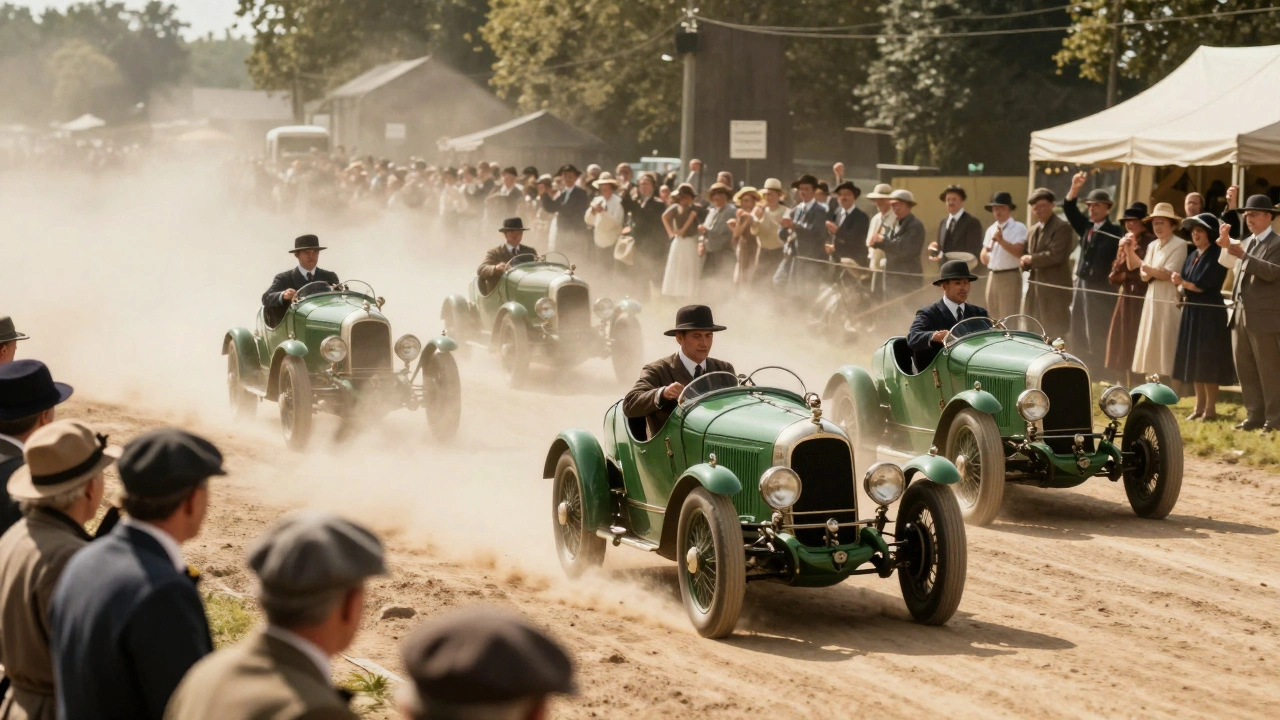
To understand why the 1929 race was such a big deal, you have to realize that endurance racing back then was essentially a war of attrition. Most cars were fragile. A loose bolt or a leaky radiator meant your day was over. But for the Bentley Boys, the race was about consistency. The 1929 event saw a staggering number of retirements, but the Bentley fleet remained stubbornly intact.
The strategy wasn't about driving at 100% capacity for the whole 24 hours. It was about finding a pace that was fast enough to lead but slow enough to keep the engine from exploding. By the final hours, it became clear that the lead was no longer a contest-it was a procession. The sight of four Bentleys crossing the line in succession remains one of the most iconic images in all of motorsport.
The Muscle Behind the Magic: The Speed Six
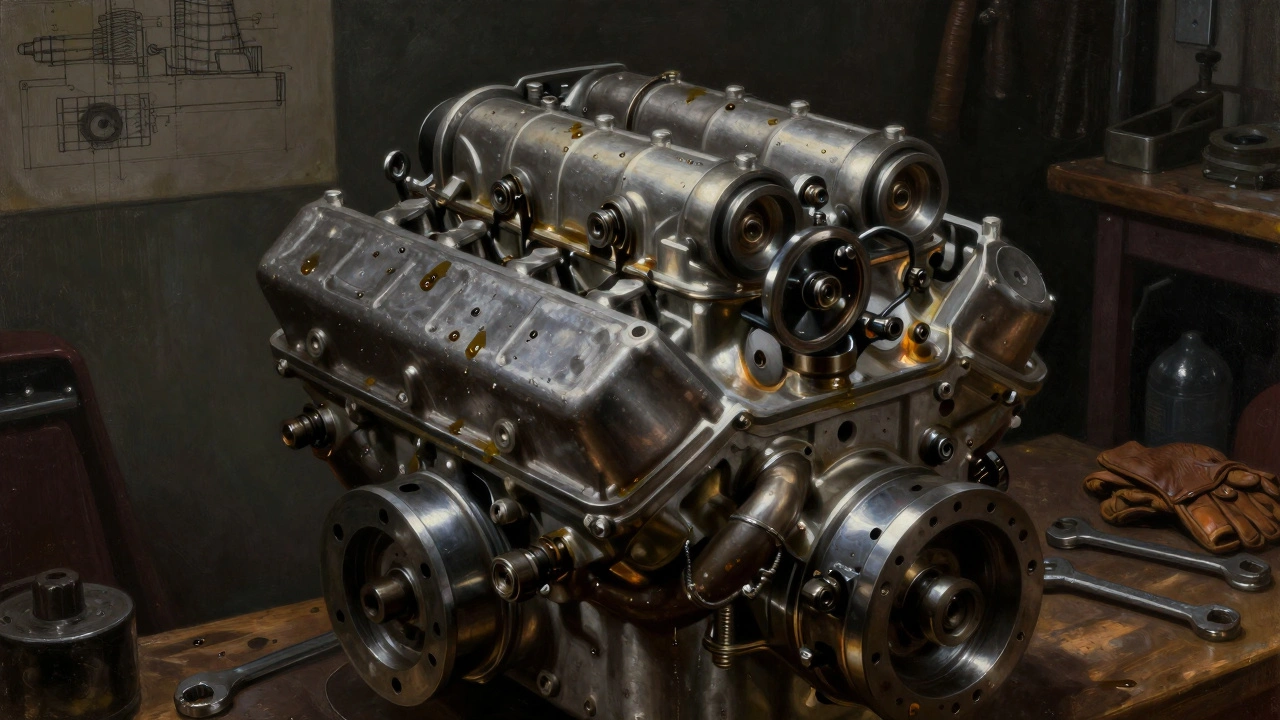
You can't talk about this win without talking about the hardware. The heart of the operation was the Speed Six is a high-performance 6.5-liter inline-six engine that defined Bentley's power in the 1920s. . Unlike the smaller, twitchy engines of their competitors, the Speed Six provided a massive amount of torque and a level of durability that felt almost unfair.
W.O. Bentley didn't design these cars to be light; he designed them to be unstoppable. They were heavy, lumbering beasts compared to the nimble French cars, but that weight gave them stability on the rough, unpaved sections of the track. When the rain started falling-which it often did at Le Mans-the heavier Bentleys stayed glued to the road while others were spinning into the ditches.
| Feature | Bentley Speed Six | Avg. Competitor (Lightweight) |
|---|---|---|
| Engine Displacement | 6.5 Liters | 1.5 - 3.0 Liters |
| Chassis Philosophy | Heavy Duty / Rigid | Lightweight / Flexible |
| Primary Goal | Endurance & Torque | Top Speed & Agility |
| Reliability Rate | High (1929 dominance) | Moderate to Low |
Who Were the Bentley Boys?
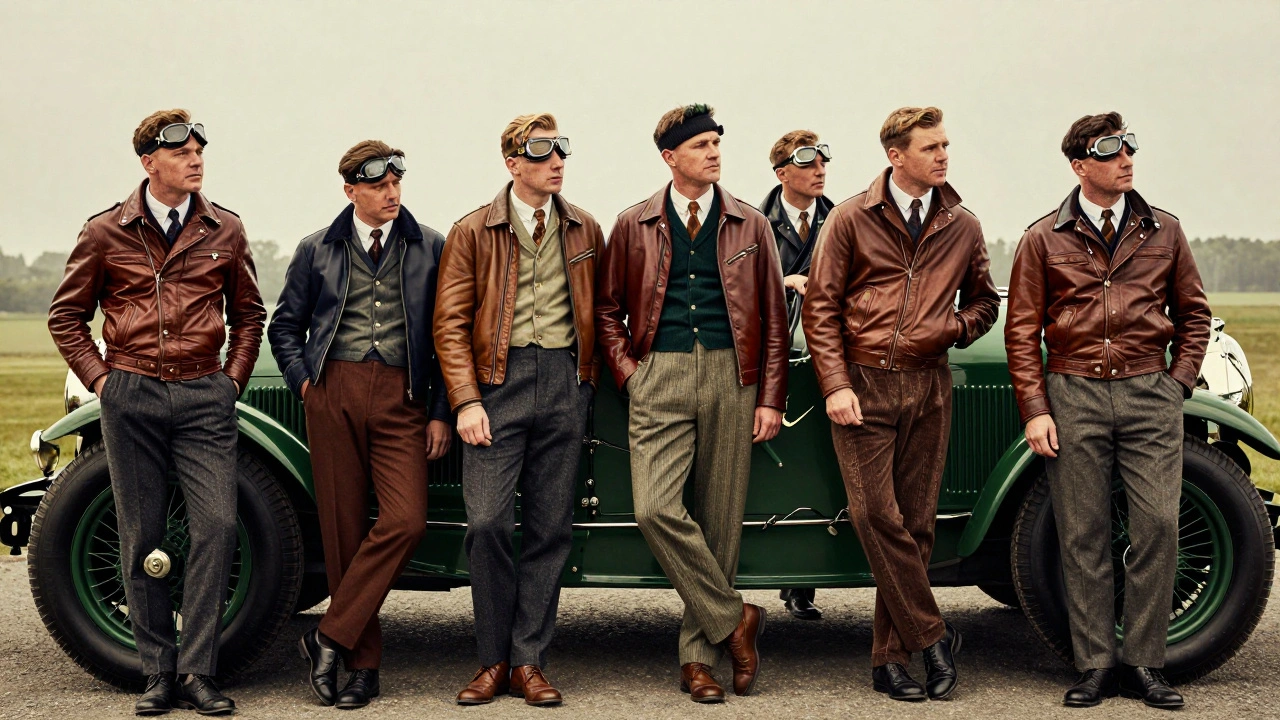
The cars were great, but the people driving them were almost as famous. The Bentley Boys are a group of wealthy British motorists and adventurers who raced Bentley cars in the 1920s. weren't professional athletes in the modern sense. They were socialites, heirs, and adrenaline junkies who treated racing like a high-stakes sport of the elite. They lived fast, drank hard, and pushed their cars to the absolute limit.
This group brought a level of celebrity to the sport. They didn't just race for trophies; they raced for the thrill of the danger. Their presence turned the 24 Hours of Le Mans from a mere technical trial into a glamorous event. When you saw a Bentley on the track, you weren't just seeing a machine; you were seeing a lifestyle of reckless bravery and immense wealth.
The Tactical Genius of W.O. Bentley
Behind the glamour was the mind of W.O. Bentley is the founder of Bentley Motors and the lead engineer behind the company's early racing success. . He was a perfectionist who viewed the race as a laboratory. Every lap at Le Mans was a data point. He didn't believe in shortcuts; he believed in over-engineering every single component.
While other teams were trying to shave off every single ounce of weight to gain a few miles per hour, W.O. went the other way. He reinforced the frames and beefed up the bearings. He knew that the winner of Le Mans isn't the car that is the fastest for one lap, but the car that is still moving after 24 hours of abuse. This philosophy of "strength over speed" is what allowed the four cars to cross the line together in 1929.
The Impact on the 24 Hours of Le Mans
The 24 Hours of Le Mans is the world's oldest active endurance sports car race, held annually since 1923 in France. was still in its infancy in the late 20s. Bentley's dominance changed the way the race was viewed. It shifted the focus toward technical reliability and team coordination. Before the 1929 sweep, many saw the race as a gamble. After Bentley's 1-2-3-4 finish, it became a professional engineering challenge.
The race also highlighted the importance of the pit crew. The Bentley team operated like a well-oiled machine, managing fuel and tire changes with a precision that was rare for the era. They proved that winning an endurance race happens in the pits just as much as it happens on the track.
The Legacy of the Green Machines
What happened after 1929? The dominance didn't last forever. The Great Depression hit, and the automotive world shifted. Eventually, the company was bought out, and the focus moved toward luxury over raw racing power. However, the "Bentley Boys" era left a permanent mark on the brand. Whenever you see a modern Bentley today, the aura of prestige and power can be traced directly back to those dusty French roads.
The 1929 win served as the ultimate proof of concept for the brand's engineering. It created a mythos that Bentley can survive anything. For car collectors today, a vintage Bentley 4.5 Litre is a legendary pre-war model often associated with the early Le Mans victories. isn't just a car; it's a piece of history that represents a time when racing was a wild, dangerous adventure.
What exactly is a 1-2-3-4 finish?
A 1-2-3-4 finish means that a single manufacturer's cars took the first four positions in the final standings. In the 1929 Le Mans race, Bentley cars crossed the finish line first, second, third, and fourth, demonstrating complete superiority over every other competitor.
Why was the Speed Six engine so successful?
The Speed Six was successful because it balanced massive power with extreme durability. While other cars were faster in short bursts, the Speed Six could maintain a high average speed for 24 hours without mechanical failure, which is the core requirement of endurance racing.
Who were the Bentley Boys?
The Bentley Boys were a group of wealthy British adventurers and socialites who bought and raced Bentley cars in the 1920s. They were known for their daring driving style and high-living lifestyle, helping to make the brand a symbol of prestige and bravery.
Did Bentley win every year in the 1920s?
Not every year, but they were incredibly dominant toward the end of the decade. Their most famous streak included wins in 1924, 1927, 1928, and the legendary sweep of 1929.
How did the 1929 race change the automotive industry?
It proved the value of the "endurance" philosophy-that reliability is more important than peak speed in long-distance racing. It also highlighted the effectiveness of a coordinated team and pit strategy, which became the standard for all future endurance racing.
Next Steps for History Buffs
If you're fascinated by this era, start by looking into the early history of the 24 Hours of Le Mans to see how the track evolved from dirt roads to paved circuits. You might also want to research the rivalry between Bentley and the French manufacturers of the time, which sparked a lot of the engineering innovations in the 1920s. For a more modern connection, explore how Bentley's current Continental GT models still carry the DNA of that early high-torque philosophy.