Austin Healey Sprite at Sebring: How Affordable British Sports Cars Dominated the Podium
 Aug, 17 2026
Imagine a small, lightweight car with a modest engine taking on the giants of endurance racing. That is exactly what happened when Austin Healey Sprite entered the grueling Sebring 12 Hours. In the late 1950s and early 1960s, this compact British roadster proved that you did not need a massive budget or a huge V8 to stand on the podium. The Sprite’s success was not just about speed; it was about reliability, driver skill, and the sheer determination of privateer teams who refused to let their small cars be ignored.
The story of the Sprite at Sebring is a classic underdog tale in automotive history. While manufacturers like Ferrari and Porsche were pushing the limits of high-performance engineering, the Sprite relied on its simple construction and low weight. This approach allowed it to compete effectively against much more expensive machines. For many enthusiasts today, these victories represent a golden era where affordable British sports cars could hold their own in international competition. The impact on the brand and the sport cannot be overstated, as it opened doors for smaller manufacturers to enter top-tier endurance events.
The Rise of the Austin Healey Sprite in Racing
To understand why the Sprite succeeded at Sebring, we have to look at its development. The original Sprite, known as the Mark I, was introduced in 1958. It was designed to be an affordable entry-level sports car for the mass market. However, its mechanical simplicity made it a favorite among amateur racers. The car featured a small inline-four engine that was easy to maintain and repair. This characteristic was crucial for long-distance races where pit stops needed to be quick and efficient.
As the model evolved into the Mark II and later the Mark III, performance improved significantly. The engines grew larger, reaching 1300cc and then 1500cc, providing more power without adding excessive complexity. By the time the Sprite reached the 1960s, it had become a serious contender in club racing across Europe and North America. Its reputation for durability meant that drivers could trust the car to finish the race, which is often more important than raw speed in endurance events. This reliability was a key factor in its ability to challenge bigger, faster opponents on the track.
Sebring 12 Hours: A Brutal Test of Endurance
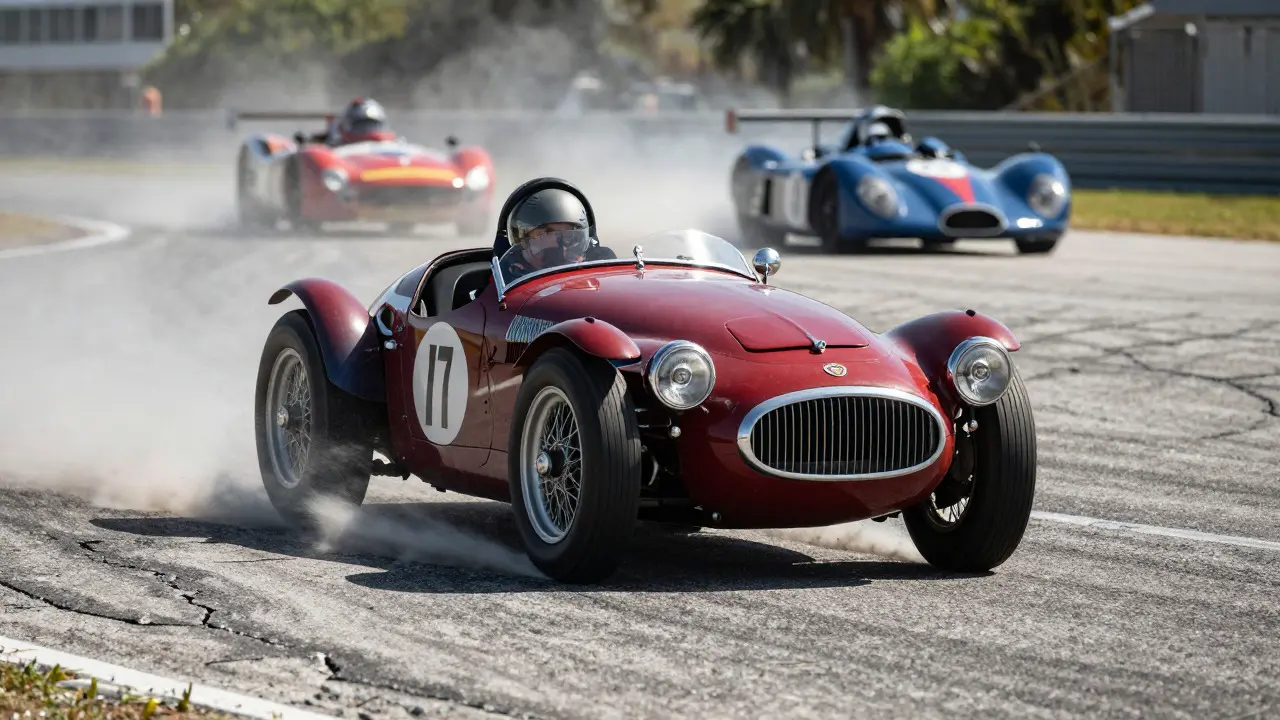
The Sebring International Raceway in Florida is notorious for its rough surface and unforgiving conditions. The 12-hour race is one of the most demanding events on the calendar, testing both the machine and the driver. For a small car like the Sprite, the physical stress on the chassis and suspension was immense. Yet, despite these challenges, Sprites regularly appeared on the grid, driven by skilled privateers who knew how to extract maximum performance from their vehicles.
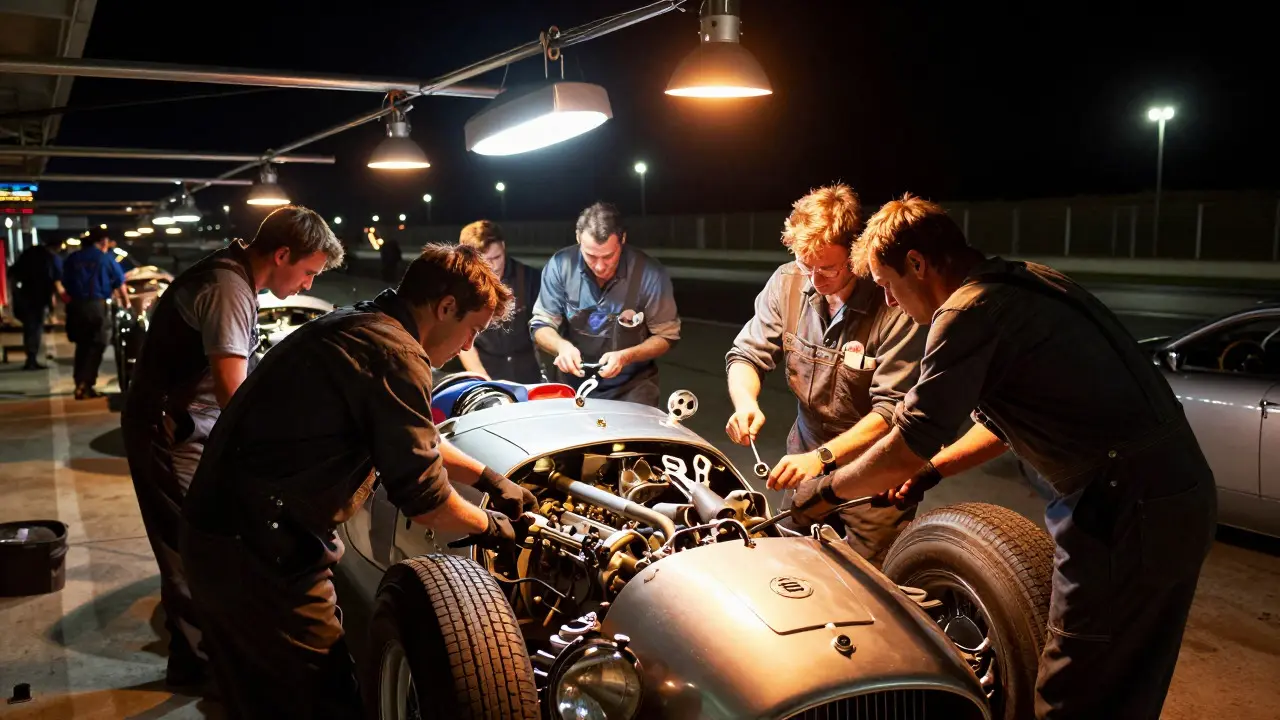
The strategy for racing a Sprite at Sebring was different from that of a prototype or a large GT car. Drivers had to manage fuel consumption carefully, as the small tank required frequent refueling. They also had to avoid damage to the bodywork, which could affect aerodynamics and handling. The success of the Sprite at Sebring was largely due to the teamwork between drivers and mechanics. These crews worked tirelessly during the night shifts, making precise adjustments to keep the car running smoothly. Their dedication was a testament to the spirit of amateur motorsport.
Key Victories and Notable Performances
One of the most memorable moments in Sprite racing history occurred in the early 1960s when a privately entered Sprite finished on the podium at Sebring. This achievement shocked the racing world, which expected only factory-backed teams with large budgets to succeed. The driver demonstrated exceptional skill, navigating the rough track with precision and consistency. The car’s light weight allowed it to change direction quickly, giving it an advantage in the tight sections of the circuit.
Another significant event was the participation of multiple Sprites in the same race, showing the popularity of the model among privateers. When several Sprites competed together, they could support each other, sharing information about track conditions and tire wear. This collaborative approach increased their chances of finishing the race and scoring points. The presence of multiple Sprites on the podium highlighted the strength of the community behind the car. It showed that success was not just about individual talent but also about collective effort and shared knowledge.
| Feature | Austin Healey Sprite | Ferrari 250 GTO | Porsche 356 Speedster |
|---|---|---|---|
| Engine Size | 1300cc - 1500cc Inline-4 | 3000cc V12 | 1600cc - 2000cc Flat-4 |
| Weight | Approx. 700 kg | Approx. 900 kg | Approx. 750 kg |
| Cost (New) | Very Affordable | Extremely Expensive | Moderate to High |
| Racing Success | Podium finishes in GT classes | Multiple overall wins | Consistent top-5 finishes |
The Impact on Affordable British Sports Cars
The success of the Sprite at Sebring had a lasting impact on the perception of affordable British sports cars. It proved that a well-designed, lightweight vehicle could compete with high-end machinery. This realization encouraged other manufacturers to focus on efficiency and reliability rather than just brute force. The Sprite became a symbol of ingenuity and practicality, appealing to buyers who wanted a fun car without breaking the bank.
In the years following these victories, the Sprite’s image was cemented as a capable racer. Enthusiasts began to view the car not just as a weekend cruiser but as a serious sporting machine. This shift in perception helped boost sales and established the model as a classic icon. Today, restored Sprites are highly sought after by collectors, partly because of their racing heritage. The connection to Sebring adds a layer of prestige to the car, making it a prized possession for fans of British motoring history.
Lessons from the Sprite’s Racing Legacy
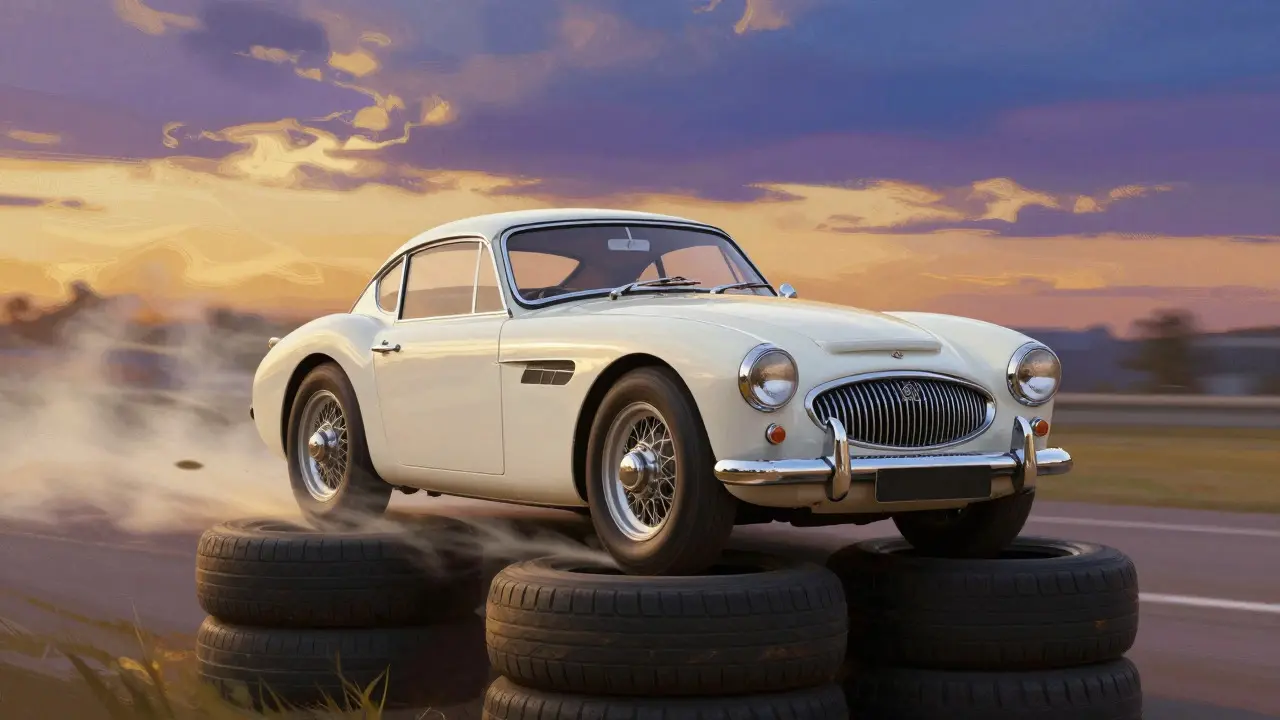
What can modern racers learn from the Sprite’s achievements? First, simplicity is key. Complex systems fail, while simple ones endure. The Sprite’s basic design allowed for quick repairs and easy maintenance, which is essential in long-distance racing. Second, driver skill matters more than raw power. A skilled driver can make a slower car look fast by managing pace and conserving resources. Finally, community support plays a vital role. Privateer teams rely on each other for advice and assistance, creating a network that enhances their competitive edge.
The legacy of the Sprite at Sebring reminds us that motorsport is not just about the fastest car. It is about passion, creativity, and the will to succeed against the odds. For many, the Sprite represents the heart of amateur racing, where dreams meet reality on the track. As we look back on these historic victories, we gain a deeper appreciation for the engineers and drivers who made it possible. Their stories continue to inspire new generations of car enthusiasts and racers alike.
Frequently Asked Questions
Did the Austin Healey Sprite win the overall race at Sebring?
No, the Sprite typically competed in the GT or production car classes, where it secured podium finishes and class wins. Overall victory usually went to larger, more powerful prototypes or GT cars.
Why was the Sprite so successful in endurance racing?
Its lightweight construction, reliable engine, and ease of maintenance allowed it to complete long distances without major failures. These factors gave it an advantage over heavier, more complex competitors.
Which specific year saw the Sprite’s most notable Sebring performance?
The early 1960s marked the peak of the Sprite’s racing success, with several podium finishes in the GT classes. Specific years varied, but consistent appearances throughout this period solidified its reputation.
How does the Sprite compare to other British sports cars of its era?
Compared to models like the MG Midget or Triumph TR series, the Sprite offered better handling and a more robust chassis. Its racing pedigree also set it apart as a proven competitor in international events.
Is the Austin Healey Sprite still used in racing today?
Yes, many Sprites participate in historic racing events and vintage tours. Owners enjoy competing in dedicated classic car series, keeping the car’s racing spirit alive for modern audiences.