After Sales Excellence: How British Luxury Makers Support Global Owners
 May, 26 2026
Buying a British luxury vehicle is only the beginning of the relationship. The real test of prestige happens years later, when you are in Tokyo, Dubai, or New York, and something needs attention. For owners of brands like Rolls-Royce Motor Cars, Bentley Motors, and Aston Martin Lagonda, the promise isn't just about horsepower or leather quality. It’s about an invisible network that ensures your car performs flawlessly, no matter where you park it.
In 2026, the landscape of after-sales excellence has shifted dramatically. It is no longer just about fixing breakdowns. It is about proactive preservation, digital integration, and maintaining the asset value of a car that often costs more than a house. This article explores how these heritage manufacturers have built a global support infrastructure that rivals five-star hospitality, ensuring that distance never dilutes the ownership experience.
The Philosophy of Stewardship Over Service
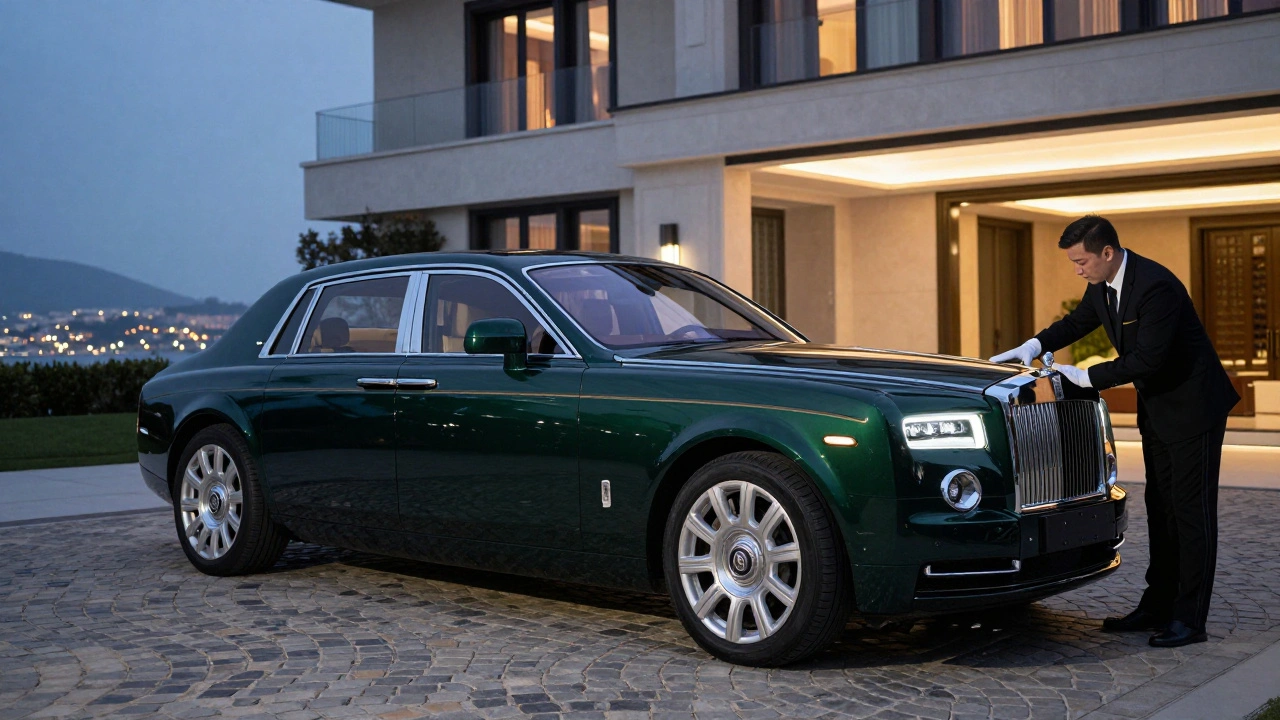
Most automotive companies view after-sales as a cost center. British luxury makers view it as a core product. When you buy a Rolls-Royce Phantom, you aren't just buying a machine; you are entering a stewardship agreement. The brand understands that these vehicles are often stored for long periods or driven sparingly. Therefore, their support model focuses on preservation rather than repair.
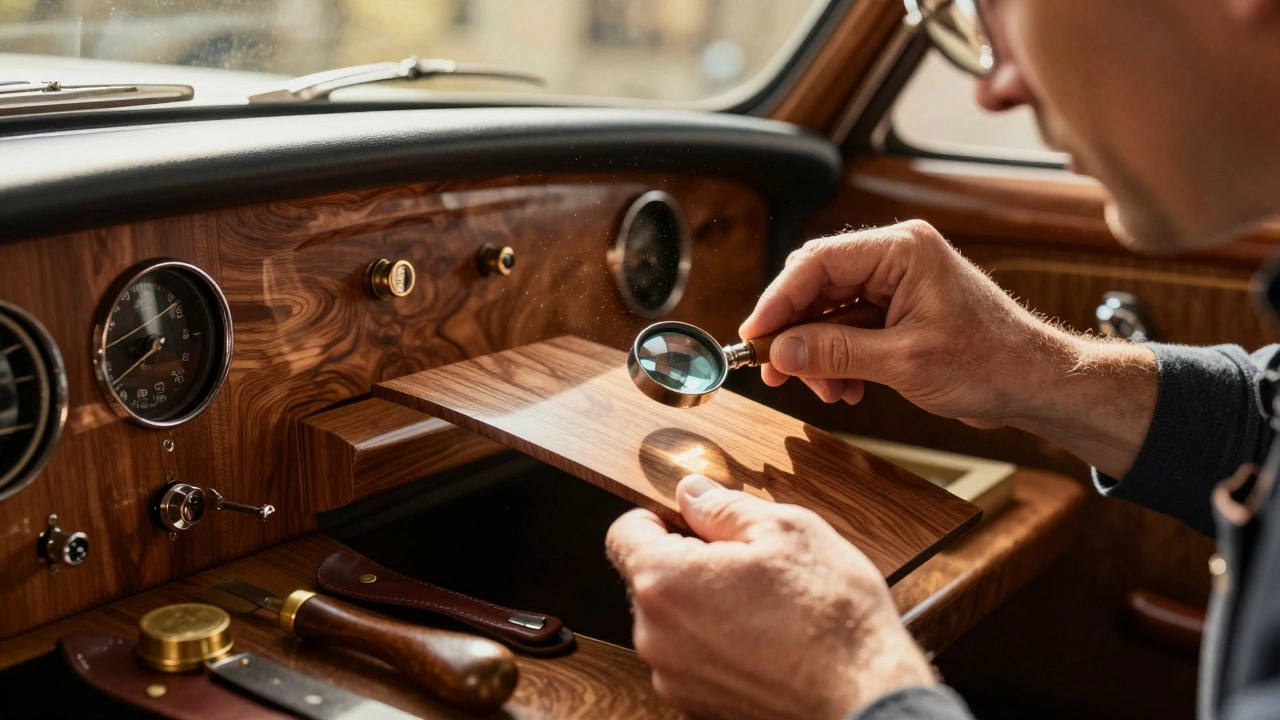
This mindset drives every interaction. A technician in Goodwood, West Sussex, doesn't just check oil levels. They inspect the integrity of rare wood veneers, the tension of hand-stitched leather seats, and the calibration of complex audio systems designed by Bowers & Wilkins. This level of detail requires a specific type of training that goes beyond standard mechanical skills. It requires artisans who understand materials science and heritage craftsmanship.
The result is a service culture where the client is rarely asked to wait. In many flagship dealerships, the car is collected from your home, serviced at the facility, and returned with a full tank of fuel and a detailed report. This removes the friction from ownership, allowing you to focus on driving rather than logistics.
Global Reach: The Network Effect
The challenge for British luxury brands is geographical dispersion. An owner in Singapore cannot easily drive to Crewe for a routine checkup. To solve this, manufacturers have invested heavily in a tiered global network. This isn't just about having a logo on a building; it's about replicating the expertise found in the UK across key markets.
| Feature | Traditional Dealership | British Luxury Model (2026) |
|---|---|---|
| Technician Training | Generalist mechanics | Specialized artisans trained in heritage techniques |
| Parts Availability | Regional warehouses, 3-5 day lead time | Centralized global hubs with express air freight |
| Digital Integration | Basic scheduling apps | AI-driven predictive maintenance and remote diagnostics |
| Client Interaction | Transactional service advisor | Dedicated concierge and lifetime account manager |
For example, Bentley Motors operates a "Bentley Experience" program that extends into after-sales. If a component fails in a remote location, the brand can dispatch a mobile workshop equipped with specialized tools. This mobility is crucial for owners who attend events like the Monaco Grand Prix or Art Basel Miami Beach, where parking is tight and access to traditional garages is limited.
The network also includes partnerships with high-end hotels and private airports. Your car can be serviced while you sleep, or prepared before a flight. This seamless integration into the lifestyle of the ultra-high-net-worth individual is what separates true luxury from mere expensiveness.
Technology Meets Tradition: Digital Twins and AI
You might expect British luxury to resist technology, but the opposite is true. These brands are early adopters of digital innovation to enhance the human touch. One of the most significant advancements is the use of digital twins.
A digital twin is a virtual replica of your physical car. As you drive, sensors transmit data to the manufacturer’s servers. This allows engineers to monitor engine health, battery efficiency (in hybrid models), and wear-and-tear on components in real-time. Before you even notice a change in performance, the system flags a potential issue.
When you schedule a service, the technicians already know what to expect. They have reviewed the digital twin’s history, ordered the necessary parts, and prepared the workspace. This reduces diagnostic time by up to 40%. It transforms the service visit from a mystery into a precision operation.
Furthermore, artificial intelligence helps personalize the experience. If you frequently drive in snowy conditions, the system might recommend winter tires earlier in the season. If you mostly use the car for short city trips, it might suggest a different maintenance interval for the battery. This proactive approach prevents problems before they occur, keeping the car in pristine condition.
The Bespoke Promise: Maintaining Uniqueness
One of the hardest challenges in after-sales is handling bespoke elements. Many British luxury cars feature custom paint colors, unique interior trims, or personalized embroidery. Replacing these items years later is not as simple as ordering from a catalog.
To address this, manufacturers maintain extensive archives of client specifications. When you order a part, the system retrieves the exact shade code for your paint or the pattern for your leather. If a material is discontinued, the brand may source vintage stock or recreate the component using original methods. This commitment to authenticity preserves the car’s value and emotional connection.
Consider a scenario where a client wants to restore a 1990s Rolls-Royce Corniche to its original glory. The brand’s heritage division works with historians and craftsmen to recreate door handles or dashboard instruments that are no longer in production. This level of dedication turns restoration into a collaborative art project rather than a mechanical fix.
Financial Value and Resale Assurance
Luxury car ownership is also an investment. The after-sales support directly impacts resale value. A complete service history from authorized centers is critical. It proves that the car has been maintained according to factory standards, using genuine parts.
Many British luxury brands offer certified pre-owned programs that include extended warranties and comprehensive inspections. These programs provide peace of mind for both sellers and buyers. They also help stabilize prices in the secondary market, preventing sharp depreciation due to perceived maintenance risks.
Additionally, some manufacturers offer buy-back guarantees or trade-in incentives for loyal customers. This creates a closed loop where the brand retains control over the vehicle’s lifecycle. It ensures that even second-hand cars meet the same high standards as new ones, reinforcing the brand’s reputation for reliability and quality.

Human Touch: Concierge and Lifestyle Integration
Despite all the technology, the human element remains paramount. British luxury brands employ dedicated concierges who act as single points of contact. These individuals know your preferences, your travel plans, and your family’s needs.
If you are planning a road trip across Europe, the concierge can arrange fuel stops, secure reservations at exclusive clubs, and ensure your car is ready at each destination. They handle the logistics so you don’t have to. This service extends beyond the car itself, integrating into your broader lifestyle.
During major holidays or special occasions, brands often organize exclusive events for owners. These gatherings foster a sense of community and belonging. They are not just marketing stunts; they are opportunities for clients to share experiences and build relationships with fellow enthusiasts. This social capital adds intangible value to the ownership experience.
Challenges and Future Trends
Even with robust systems, challenges remain. Supply chain disruptions can delay parts delivery, especially for rare components. Cybersecurity threats require constant vigilance to protect sensitive client data and vehicle software. Additionally, the shift towards electrification demands new skills for technicians who are accustomed to internal combustion engines.
Looking ahead, we can expect more autonomous service features. Self-diagnosing cars will become standard, reducing the need for manual checks. Sustainable practices will also play a larger role, with brands focusing on recycling materials and reducing carbon footprints in their service operations. Electric vehicle charging infrastructure will be integrated into dealership networks, offering fast-charging solutions tailored to luxury models.
Ultimately, the goal is to make the car disappear into the background. You should never think about maintenance unless you want to. The best after-sales experience is one you barely notice, yet always rely on.
How do British luxury brands handle parts availability for older models?
Manufacturers like Rolls-Royce and Bentley maintain extensive archives and central warehouses stocked with genuine parts for decades-old models. If a part is out of stock, they often use 3D printing or craft new components using original manufacturing techniques to ensure authenticity.
What is a digital twin in the context of luxury car ownership?
A digital twin is a virtual replica of your physical vehicle that receives real-time data from onboard sensors. It allows manufacturers to predict maintenance needs, monitor performance, and prepare service visits in advance, enhancing reliability and convenience.
Is after-sales service included in the purchase price of a British luxury car?
While the initial warranty is included, ongoing after-sales services such as routine maintenance, repairs, and concierge assistance are typically billed separately. However, many brands offer prepaid maintenance packages or subscription models that bundle these costs for predictable budgeting.
Can I get my British luxury car serviced outside of authorized dealerships?
Technically yes, but it is strongly discouraged. Unauthorized service can void warranties, compromise safety, and significantly reduce resale value. Only authorized centers have access to proprietary diagnostic tools, genuine parts, and specially trained technicians.
How does the concierge service work for global owners?
Each owner is assigned a dedicated concierge who manages all aspects of vehicle care and lifestyle integration. They coordinate service appointments, arrange travel logistics, and provide personalized recommendations, acting as a single point of contact for any request related to your ownership experience.