1950s British Sports Cars: Why Lightweight Handling Defined Global Appeal
 Aug, 16 2026
Imagine driving a car that weighs less than a modern sedan but feels twice as alive on the road. That was the reality for enthusiasts in the late 1940s and 1950s. The 1950s British sports car is a class of high-performance vehicles defined by minimal weight, mechanical simplicity, and raw driver feedback. These machines didn't just move people from A to B; they demanded participation. Unlike their American contemporaries, which were getting heavier and more luxurious, British manufacturers like Jaguar, Lotus, and Triumph bet on physics over horsepower. The result was a golden age of motoring that captured the imagination of drivers worldwide.
The Postwar Context: Scarcity Spurred Innovation
To understand why these cars felt so special, you have to look at what came before. After World War II, Europe was rebuilding. Materials were scarce, and consumers wanted something fun after years of austerity. In Britain, this created a unique environment where engineering ingenuity had to compensate for limited resources. You couldn't just throw money at bigger engines because fuel and parts were expensive. Instead, engineers focused on reducing weight. This approach became the hallmark of the era. A lighter car required less power to achieve high speeds, making it more efficient and agile. It also meant that even modest engines could produce thrilling performance. This constraint-driven design philosophy set the stage for the iconic models of the decade.
Defining the Core Philosophy: Lightness Over Power
The central tenet of 1950s British sports cars was simple: keep it light. This wasn't just a marketing slogan; it was an engineering mandate. By using thin-gauge steel, aluminum components, and minimal interior trim, manufacturers shaved hundreds of pounds off their chassis. For example, the Lotus Elite, introduced later in the 1950s and refined in the early 60s, utilized a monocoque construction that was revolutionary for its time. But even earlier models like the Jaguar XK120 benefited from a relatively lightweight frame compared to US muscle cars. The relationship between mass and acceleration is direct. Less mass means less inertia, allowing the car to change direction faster and brake shorter. This is why a 150-horsepower British car could often out-handle a 300-horsepower American V8. The driver could feel every nuance of the road through the steering wheel and pedals, creating a connection that heavy, cushioned cars simply couldn't replicate.
Iconic Models and Their Engineering Secrets
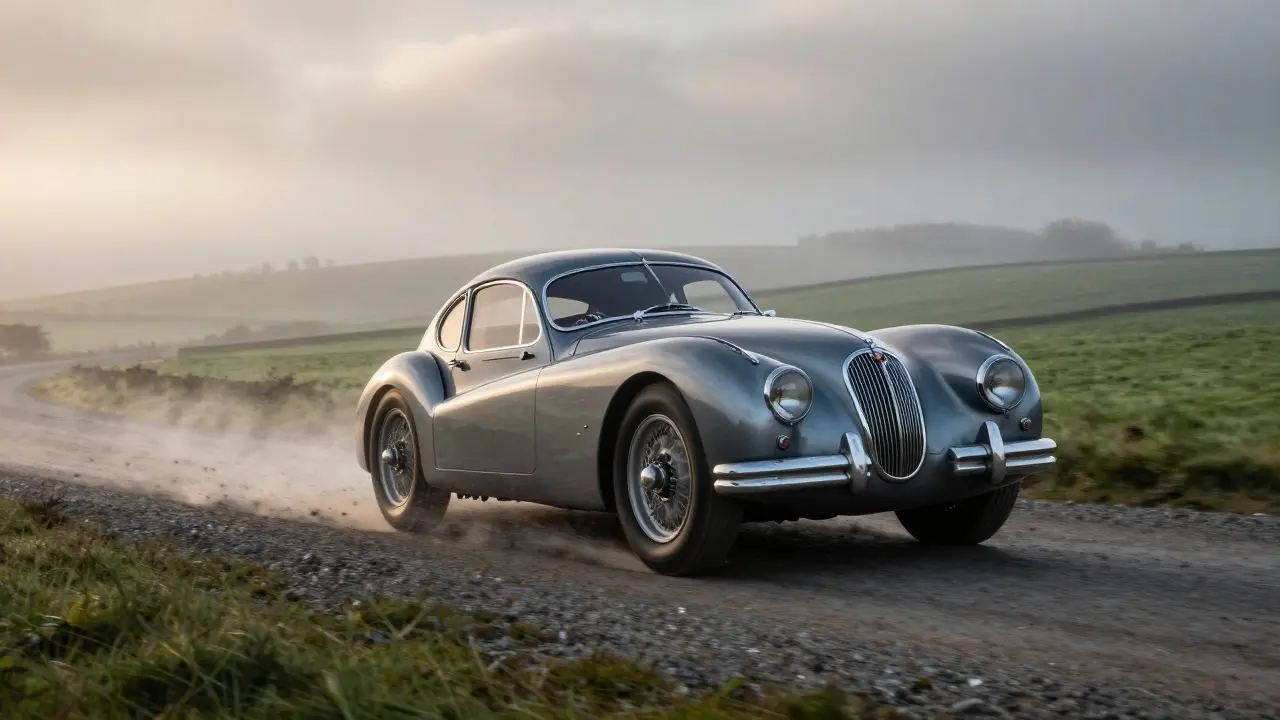
Few cars embody this era better than the Jaguar XK120. Launched in 1948, it was the first production car to officially reach 120 mph. Its inline-six engine produced around 180 horsepower, but its real secret was the balance. The front-engine, rear-drive layout provided natural weight distribution, while the independent front suspension allowed for precise cornering. Another key player was the Triumph TR series, particularly the TR2 and TR3. These cars were affordable, reliable, and incredibly fun. They used smaller four-cylinder engines but kept the weight under 2,000 pounds. Then there's Lotus, founded by Colin Chapman, who famously said, "Add lightness." His designs, such as the Seven (originally the Eleven), stripped away everything non-essential. The body panels were made from fiberglass or aluminum, keeping the total weight remarkably low. Each of these brands approached the problem differently, but they all shared the same goal: maximum agility with minimum mass.
| Model | Engine Type | Horsepower (Approx.) | Curb Weight (lbs) | Key Feature |
|---|---|---|---|---|
| Jaguar XK120 | Inline-6 | 180 | 2,700 | First 120 mph production car |
| Triumph TR2 | Inline-4 | 78 | 1,600 | Affordable entry-level sportscar |
| Lotus Seven | Inline-4 | 70-100 | 1,100 | Ultra-light minimalist design |
| Morgan Plus Four | Inline-4 | 100 | 1,900 | Classic wood-frame construction |
Why Drivers Loved the Raw Feedback
Modern cars are designed to hide imperfections. They use electronic stability control, power steering, and soft suspensions to make driving easy. In the 1950s, none of that existed. If you drove too fast into a corner, the car would tell you immediately. The steering was direct, meaning almost no slack between your hands and the wheels. The suspension was stiff, providing excellent grip but little comfort. This required skill. You had to modulate the throttle carefully and lift off the gas at the right moment. For many drivers, this challenge was addictive. It turned driving into a sport. The sensory experience was intense. You could hear the engine revving, feel the vibration of the chassis, and sense the shift in weight when braking. This level of engagement is what built a cult following for these cars. They weren't just transportation; they were tools for expression.
Global Appeal: From Europe to America and Beyond
The appeal of these cars quickly spread beyond Britain. In the United States, wealthy buyers and racing enthusiasts saw these imports as exotic status symbols. They offered something the domestic market didn't: personality. While American cars were becoming larger and more comfortable, British sports cars remained compact and spirited. Collectors began importing them in large numbers, establishing a robust aftermarket community. In Japan, the influence was different but significant. Japanese manufacturers studied these lightweight designs to develop their own high-performance vehicles in the 1960s and 70s. The global demand helped sustain production lines and encouraged further innovation. Today, these cars are highly sought-after collector items, with values continuing to rise due to their historical significance and rarity. The story of how a few small British workshops captured the world's imagination is a testament to the power of focused engineering.
Legacy and Modern Relevance
The principles established in the 1950s still resonate today. Modern electric vehicles, for instance, are re-emphasizing weight reduction to improve range and handling. Brands like Tesla and Rivian know that a lighter car is a better car. The legacy of the 1950s British sports car isn't just about nostalgia; it's about fundamental physics. As we move toward autonomous driving and complex electronics, the raw, mechanical joy of driving a lightweight manual transmission car remains a niche but passionate pursuit. Enthusiasts continue to restore and race these vehicles, preserving the heritage for future generations. The lesson is clear: sometimes, doing less is more. By stripping away the excess, engineers created machines that remain timeless decades later.
Frequently Asked Questions
What makes 1950s British sports cars different from American cars?
The primary difference is weight and focus. British cars were much lighter, prioritizing agility and driver engagement over comfort and raw power. American cars of the same era were generally heavier, with larger engines focused on straight-line speed and luxury features. This made British cars more challenging to drive but more rewarding for skilled drivers.
Which was the fastest 1950s British sports car?
The Jaguar XK120 holds the title for the first production car to break the 120 mph barrier. Later models like the Aston Martin DB4 and the Mercedes-Benz 300SL (though German, it competed directly) pushed speeds higher, but the XK120 remains the iconic symbol of the era's speed breakthrough.
Are these cars hard to maintain today?
They can be, but they are mechanically simple. Because they lack modern electronics, repairs are often straightforward if you have the skills. However, finding original parts can be difficult and expensive. Many owners rely on specialist mechanics and a thriving aftermarket for reproduction parts. Regular maintenance is crucial to keep these classic cars running reliably.
Why did lightweight design become popular in the 1950s?
Postwar material shortages and economic constraints forced engineers to innovate. Reducing weight was a cost-effective way to improve performance without needing larger, more expensive engines. Additionally, the culture of motorsport influenced road car design, emphasizing agility and responsiveness over brute force.
How do these cars compare to modern sports cars?
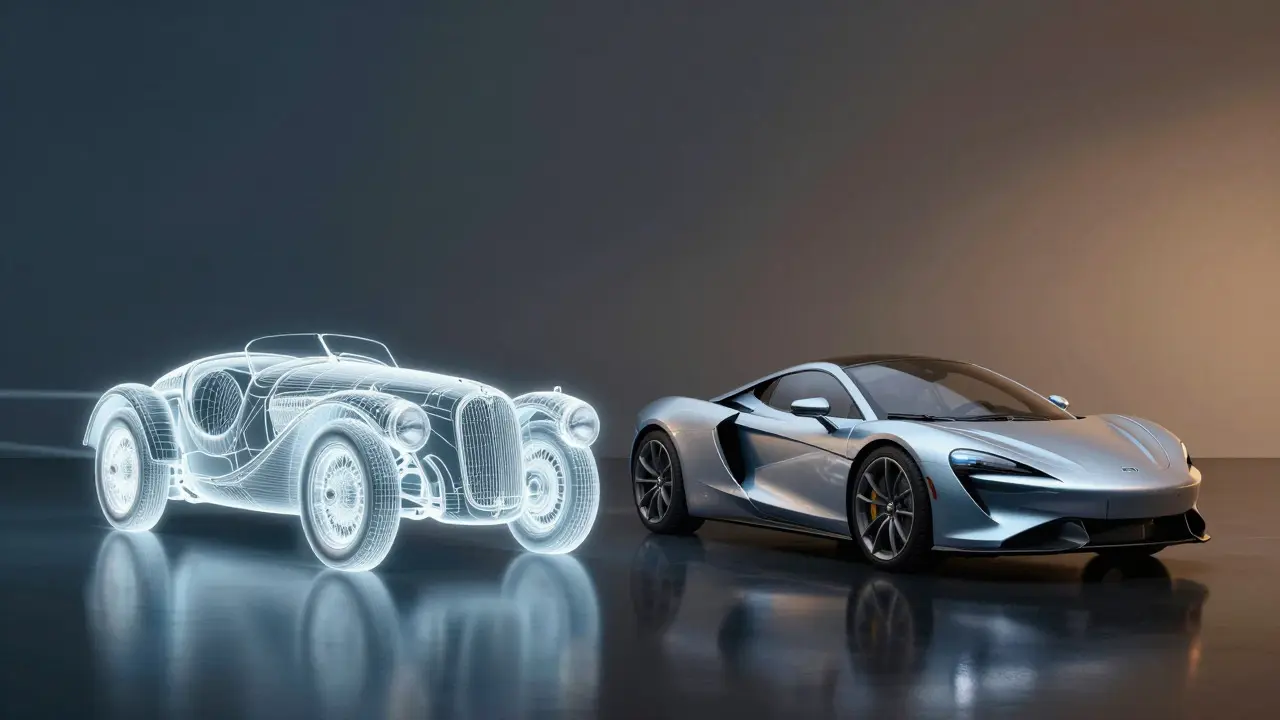
Modern sports cars are far faster, safer, and more comfortable, thanks to advanced technology. However, many enthusiasts argue that 1950s British cars offer a more engaging driving experience due to their direct mechanical feedback and lack of electronic intervention. It comes down to preference: convenience and performance versus purity and involvement.