1913 UK Car Demand: Humber, Rover, and Sunbeam Production Data
 Sep, 9 2026
You might think the Edwardian era was all about slow-moving horse-drawn carriages and polite society, but the British automotive industry in 1913 was actually a high-stakes battlefield of engineering and sales. If you look closely at the production numbers from that specific year, a clear picture emerges about who was winning the race for the middle-class driver's wallet. The Humber, Rover, and Sunbeam weren't just making cars; they were defining what it meant to be mobile in pre-war Britain.
Why does 1913 matter? It was the peak of the pre-WWI boom. Before the trenches swallowed up manufacturing capacity, factories in Coventry and Wolverhampton were running at full tilt. The data from this period isn't just trivia; it reveals exactly where consumer demand was heading. Was it reliability? Speed? Or just getting from point A to point B without breaking down? Let's break down the numbers and see what they really tell us about the market back then.
The Coventry Cluster and the Rise of Mass Production
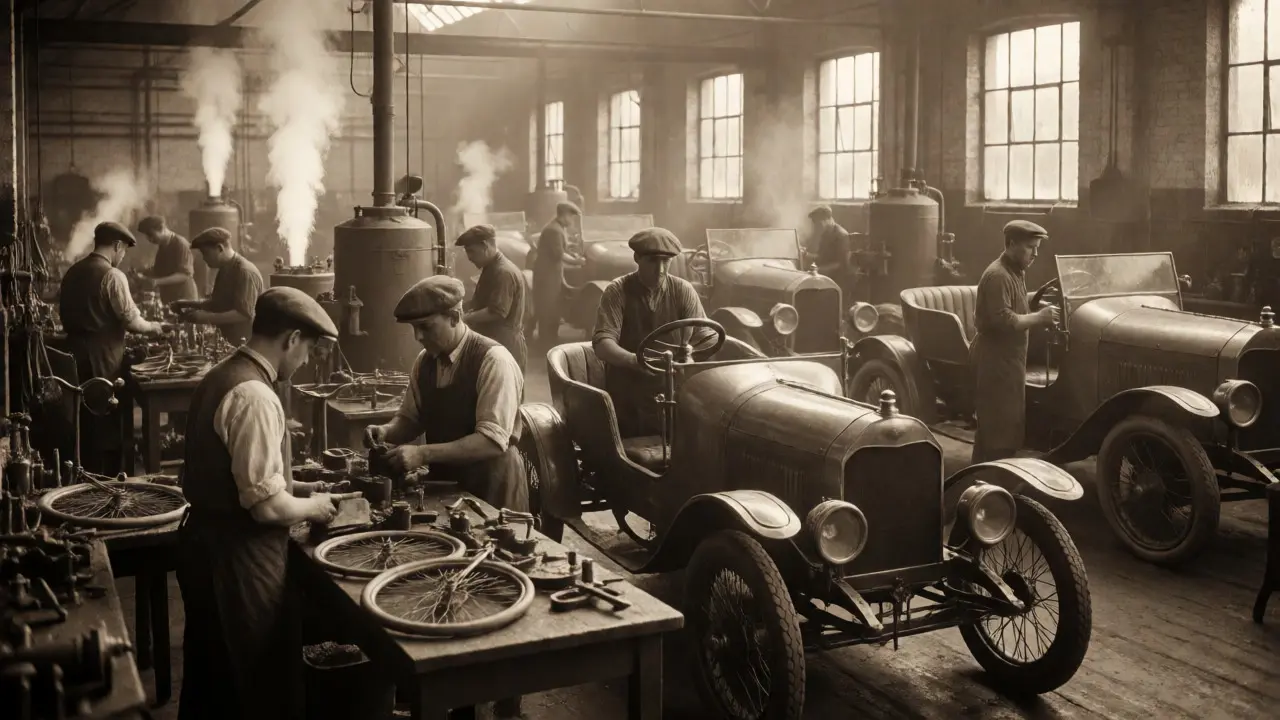
Coventry wasn't always known as a city of bikes and buses. In 1913, it was the heart of the UK's motor vehicle explosion. This geographic concentration allowed companies like Rover to leverage a skilled labor pool already trained in precision mechanics from the bicycle industry. You couldn't build a reliable engine if your workers had never handled fine tolerances before. That expertise transferred directly into car manufacturing.
Rover’s strategy in 1913 focused heavily on the "light car" segment. They realized that while the wealthy bought expensive touring cars, the growing professional class wanted something affordable yet robust. Their production figures reflected this shift. By prioritizing smaller engines and simpler chassis designs, Rover tapped into a demographic that Humber and Sunbeam were initially slower to capture. This wasn't just about volume; it was about recognizing a gap in the market that larger manufacturers ignored.
Humber’s Strategic Pivot: From Luxury to Volume
Humber started as a prestige brand, often associated with the upper crust. But by 1913, their leadership made a critical decision: chase volume. The production numbers show a sharp increase in output, driven largely by models like the Humber 8hp and 10hp. These weren't luxury cruisers; they were practical vehicles designed for daily use.
This pivot caused some tension within the company. Traditionalists worried about diluting the brand image. However, the sales data vindicated the move. Humber’s ability to scale production meant they could offer competitive pricing. When you compare their unit costs against competitors, you see economies of scale kicking in. They weren't just building cars; they were optimizing a factory floor to churn out thousands of units per year, a concept still novel in 1913 Britain.
Sunbeam: Engineering Excellence Meets Market Reality
If Humber chased volume and Rover chased accessibility, Sunbeam chased perfection. Based in Wolverhampton, Sunbeam built a reputation for engineering quality. Their cars were often seen as more sophisticated, featuring advanced valve gear and smoother running engines. But did this translate to higher sales?
The 1913 production records suggest a nuanced answer. Sunbeam produced fewer units than Humber or Rover, but each unit commanded a higher price. This indicates a strong niche demand. Buyers who valued refinement over raw utility chose Sunbeam. The company’s focus on export markets also boosted their numbers. While domestic demand was fierce, Sunbeam found eager buyers abroad who appreciated British engineering craftsmanship. This dual-market approach stabilized their revenue streams during periods of local economic fluctuation.
Comparing the Big Three: A Data Snapshot
To understand the hierarchy of 1913, we need to look at the hard facts. While exact figures vary slightly depending on the source (some count completed chassis, others count sold units), the relative rankings remain consistent across historical archives.
| Manufacturer | Primary Strategy | Target Segment | Relative Output |
|---|---|---|---|
| Humber | Volume & Cost Efficiency | Middle Class / Professional | High |
| Rover | Accessibility & Reliability | Entry-Level / Light Car | Very High |
| Sunbeam | Engineering Quality | Affluent / Export | Moderate |
Notice the pattern here. The two companies with the highest output-Humber and Rover-were those most willing to compromise on luxury features to lower the barrier to entry. Sunbeam held its ground by offering something different: status through substance. This triad represents three distinct paths to success in an emerging market.
What Consumer Behavior Tells Us About 1913
Who was buying these cars? The profile has shifted dramatically since 1905. Back then, owning a car was a hobby for the rich. By 1913, it was becoming a necessity for business travel. Salesmen, doctors, and small business owners formed the core customer base. They didn't care about brass trim or mahogany dashboards as much as they cared about whether the car would start on a cold Tuesday morning.
This shift explains why Rover’s light cars performed so well. They were easy to maintain and cheap to run. Humber appealed to those who needed a bit more presence for client meetings but still wanted value. Sunbeam attracted the discerning buyer who viewed the car as an extension of their personal taste. Understanding these psychological drivers is key to interpreting the production spikes. It wasn't just about supply; it was about matching specific needs with specific products.
The Impact of Infrastructure and Regulation
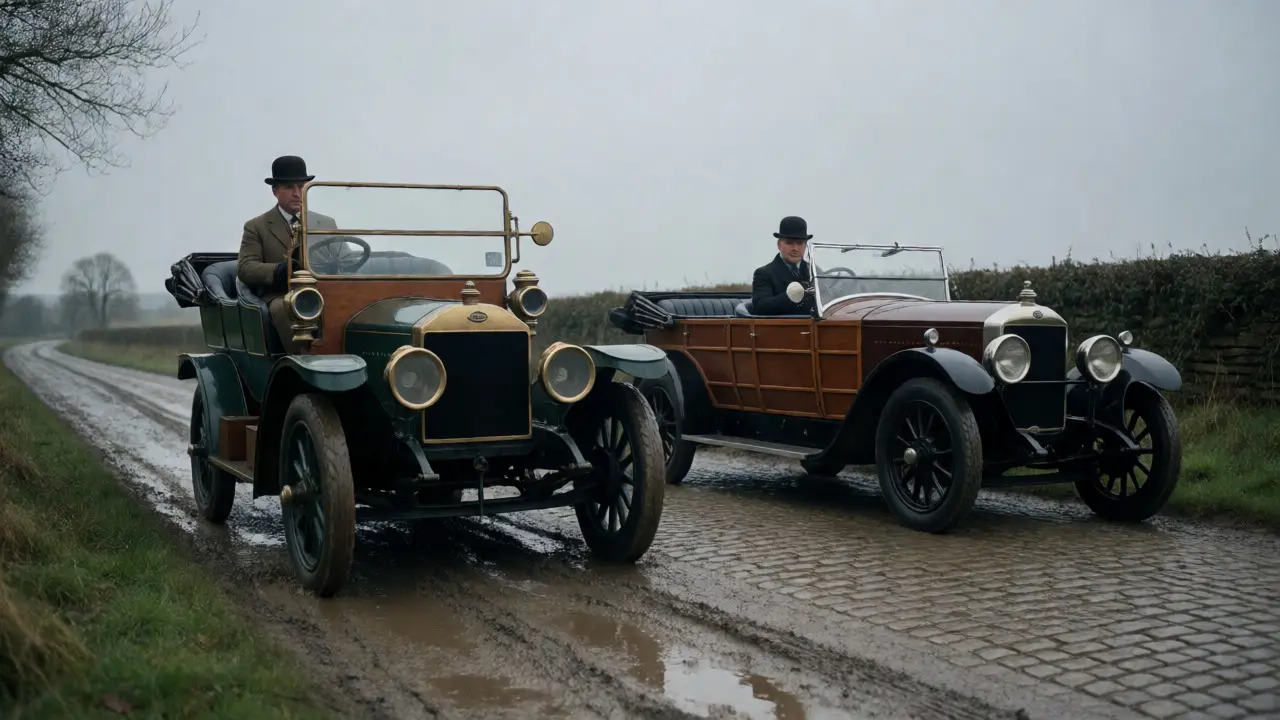
We can't talk about production without mentioning the environment these cars operated in. The UK road network in 1913 was improving, but it was far from modern. Many roads were still unpaved or poorly maintained. This reality forced manufacturers to build rugged suspensions and durable drivetrains. Delicate European imports struggled here, giving British makers like Humber and Rover a home-field advantage.
Additionally, the Motor Car Act of 1903 had established registration plates and speed limits. By 1913, these regulations were normalized. Drivers knew the rules, and insurers were starting to offer policies specifically for automobiles. This regulatory stability gave consumers confidence to invest in a car. Without legal clarity, many potential buyers would have stayed on the fence. The government inadvertently fueled the production boom by creating a predictable framework for ownership.
Lessons for Modern Automotive Markets
Is this old history relevant today? Absolutely. Look at current EV adoption trends. We see similar patterns: some brands chase volume with affordable models (like Tesla’s Model 3/Y strategy), while others focus on premium experiences (like Lucid or Mercedes EQ). The fundamental dynamics haven't changed. Consumers are always weighing cost against capability and status.
The rise of Humber, Rover, and Sunbeam teaches us that there is no single path to dominance. You can win by being the cheapest, the most reliable, or the best-engineered. What you cannot do is ignore your target audience. Humber tried to stay too exclusive for a while and lost ground. Rover succeeded because they listened to the average driver. Sunbeam thrived because they refused to compromise on quality, even if it limited their volume.
Frequently Asked Questions
Why was 1913 a peak year for UK car production?
1913 marked the height of the pre-World War I economic boom. Manufacturing capacity had matured, consumer purchasing power was rising among the middle class, and infrastructure improvements made driving more practical. After 1914, war efforts redirected industrial resources away from civilian car production.
Did Humber, Rover, and Sunbeam compete directly?
Yes, but they targeted slightly different segments. Rover focused on affordable light cars, Humber moved into mid-range volume production, and Sunbeam catered to buyers seeking higher engineering quality and prestige. They competed for the same general pool of new car buyers but offered distinct value propositions.
How did the bicycle industry influence early UK car makers?
Many early car manufacturers, including Rover and Humber, originated in the bicycle trade. This provided them with existing factories, skilled metalworkers, and supply chains for components like bearings and gears. This transition allowed them to ramp up car production faster than newcomers without industrial backgrounds.
Were imported cars popular in the UK in 1913?
Imports existed, particularly from France and Germany, but they faced challenges. British roads were rougher than continental ones, favoring locally built, sturdier vehicles. Additionally, patriotic sentiment and support for domestic industry helped boost sales of brands like Rover and Humber over foreign alternatives.
What happened to these companies after WWI?
Post-war consolidation reshaped the industry. Rover continued to grow and eventually became part of larger conglomerates. Humber merged with other entities and saw various ownership changes. Sunbeam faced financial difficulties and was acquired by other groups, illustrating how wartime disruption accelerated industry mergers.
Next Steps for Historical Researchers
If you want to dig deeper, don't just stick to production totals. Look at dealership networks. How many agents did Rover have in Scotland versus London? Did Sunbeam rely more on exports? These granular details reveal the true reach of these brands. Also, examine contemporary advertising. The language used in 1913 ads tells you what customers cared about-reliability, silence, or speed. Cross-referencing sales figures with marketing copy gives you a complete picture of the Edwardian auto market.